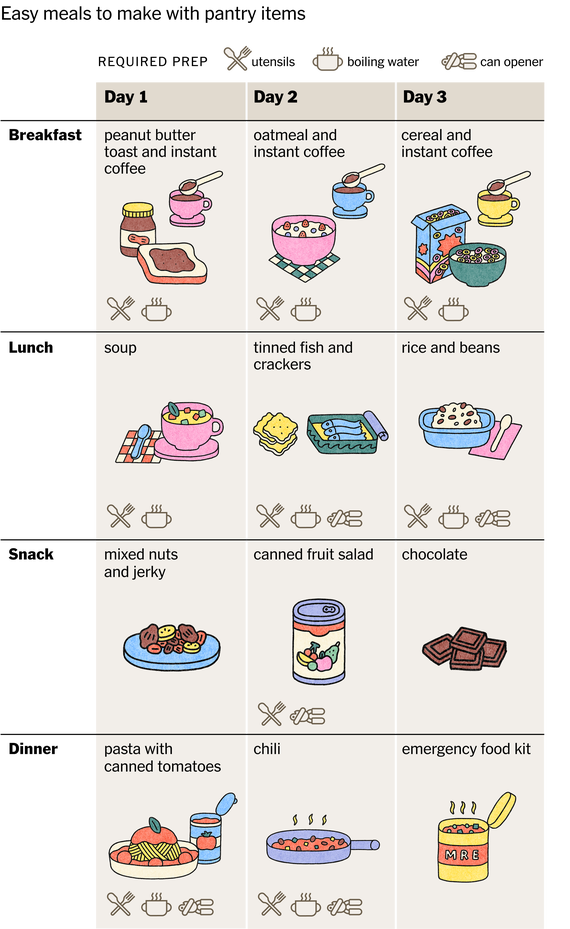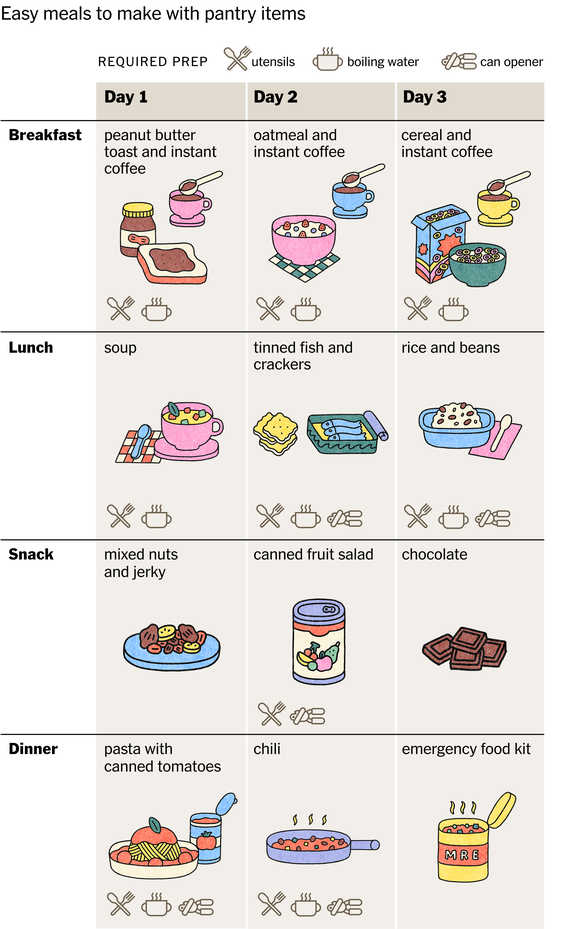
When disaster strikes, having the right food on hand can make all the difference for you and your loved ones. But what should you buy to stay prepared without wasting money or space?
Choosing the right emergency food isn’t just about stocking up—it’s about picking items that keep you nourished, safe, and calm when it matters most. Keep reading to discover simple, smart choices that fit your needs and help you feel ready for anything.
Your peace of mind starts with what’s in your pantry.
Non-perishable Proteins
Non-perishable proteins are a must-have in your emergency food supply. They provide essential nutrients that keep your energy up and help your body repair itself. Since these proteins last a long time without refrigeration, they’re perfect for unexpected situations.
Canned Meats And Fish
Canned meats like chicken, turkey, and tuna offer a quick protein boost without the need for cooking. They come sealed in airtight containers, so you can store them for years without worrying about spoilage.
Try to keep a variety, including salmon, sardines, or even canned ham, to avoid food fatigue. Have you ever noticed how a simple can of tuna can turn a boring meal into something satisfying during tough times?
Dried Beans And Lentils
Dried beans and lentils are incredibly versatile and loaded with protein and fiber. They take longer to cook, but their shelf life can stretch to several years if stored properly.
Keep different types like black beans, chickpeas, and red lentils on hand. Soaking them overnight cuts down cooking time and makes them easier to digest, a handy tip for when you’re low on energy.
Powdered Eggs And Milk
Powdered eggs and milk give you the benefits of fresh dairy and eggs without the short shelf life. They’re lightweight and easy to store, plus you can use them in baking or cooking as needed.
Be sure to store them in a cool, dry place and seal them tightly after opening. Have you tried powdered eggs in scrambled eggs or baking? They can surprisingly taste just as good as fresh!
Long-lasting Carbohydrates
Long-lasting carbohydrates are essential for emergency food supplies. They provide steady energy and have a long shelf life. These foods store well and help maintain strength during uncertain times.
Choose carbohydrates that are easy to cook and versatile. They should be lightweight and space-saving. This ensures you have reliable fuel when other food options are limited.
Rice And Pasta
Rice and pasta are staple foods with long shelf lives. Both are easy to store and prepare. White rice lasts longer than brown rice. Pasta can be cooked quickly and pairs well with many ingredients. Keep them sealed in airtight containers to prevent spoilage.
Oats And Cereals
Oats and cereals offer a quick, nutritious meal option. They provide fiber and keep you full for hours. Rolled oats and instant oats last well if stored properly. Dry cereals also have a long shelf life. They can be eaten with milk or water for easy meals.
Quinoa And Other Grains
Quinoa and other grains like barley and millet add variety to your diet. Quinoa is high in protein and cooks fast. These grains store well and resist pests if kept dry. They help create balanced meals during emergencies. Pack them in sealed containers to maintain freshness.
Shelf-stable Fruits And Vegetables
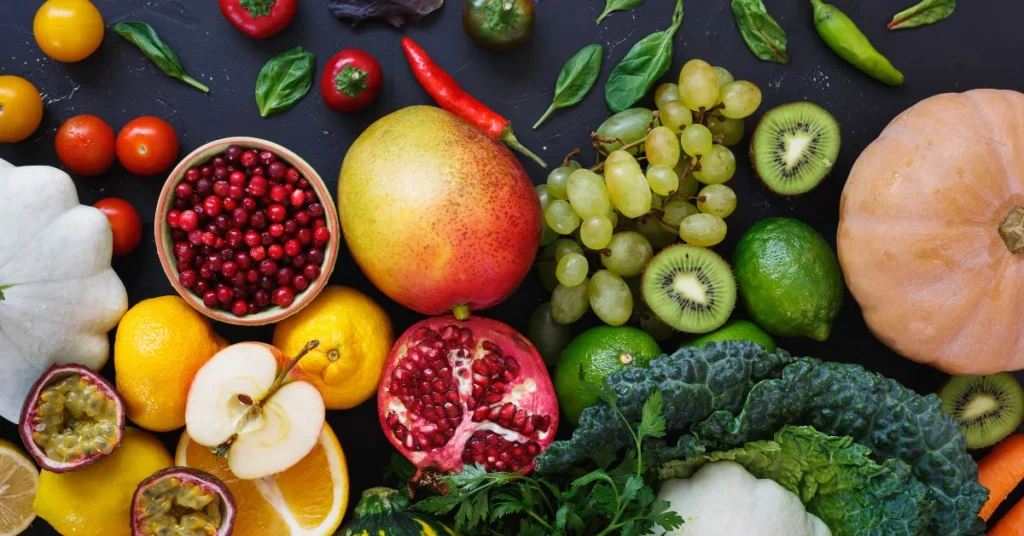
Shelf-stable fruits and vegetables are essential in any emergency food supply. They last for months or even years without refrigeration, so you don’t have to worry about spoilage. Having a variety of these on hand ensures you get important nutrients even when fresh options aren’t available.
Canned And Jarred Options
Canned fruits and vegetables are a reliable choice because they stay fresh for a long time and come ready to eat or cook. Look for low-sodium canned vegetables and fruits packed in water or natural juice to keep your meals healthier.
I always keep canned corn, green beans, peaches, and pineapple in my emergency kit. They add color and flavor to meals that might otherwise feel bland. Plus, opening a can is quick and easy, perfect for stressful situations.
Freeze-dried And Dehydrated Choices
Freeze-dried and dehydrated fruits and vegetables are lightweight and keep nutrients well. They’re great if space or weight is a concern, such as in a bug-out bag. Simply add water, and they rehydrate quickly, making meal prep fast.
Consider items like freeze-dried strawberries, apples, peas, and carrots. These options often taste closer to fresh compared to other shelf-stable forms, which might make a big difference when you’re craving something fresh.
Pickled Vegetables
Pickled vegetables offer a tangy and flavorful way to get your veggies in emergencies. They don’t need refrigeration until opened and provide probiotics, which can help your digestive health.
Items like pickled cucumbers, beets, and sauerkraut can brighten your meals and add variety. Have you ever tried adding a spoonful of sauerkraut to a simple soup? It can transform the flavor and give you a boost of vitamins.
Essential Fats And Oils
Essential fats and oils are vital for survival during an emergency. They provide energy and support brain health. These fats help your body absorb vitamins and keep your skin healthy. Choosing the right types of fats can improve your stored food’s shelf life and nutrition.
Cooking Oils
Cooking oils offer a reliable source of fat for meal preparation. Choose oils with long shelf lives such as:
- Olive oil – rich in healthy fats and antioxidants
- Canola oil – neutral taste and versatile for cooking
- Coconut oil – stable at room temperature and good for frying
Store oils in cool, dark places to prevent spoilage. Avoid oils that spoil quickly like flaxseed oil.
Nut Butters
Nut butters provide concentrated fats and protein. They are filling and easy to eat without cooking. Popular options include:
- Peanut butter – affordable and widely available
- Almond butter – contains vitamin E and magnesium
- Cashew butter – creamy texture and rich flavor
Look for natural nut butters without added sugars or oils. They last for months unopened.
Shelf-stable Nuts And Seeds
Nuts and seeds are excellent sources of essential fats. They also add variety and texture to meals. Consider these shelf-stable options:
- Walnuts – high in omega-3 fatty acids
- Sunflower seeds – rich in vitamin E and selenium
- Chia seeds – contain fiber and protein
Store nuts and seeds in airtight containers. Keep them cool to maintain freshness longer.
Hydration And Beverages
Choose bottled water and drinks with electrolytes to stay hydrated during emergencies. Avoid sugary beverages that can cause dehydration. Store enough fluids to last several days without access to fresh water.
In times of emergencies, staying hydrated becomes crucial. Having a well-stocked supply of beverages ensures you and your family remain healthy. It’s not just about water; other drinks can play a vital role too.Bottled Water And Purification
Bottled water is essential for any emergency kit. Aim for one gallon per person per day. Store enough for at least three days. Consider water purification options. Tablets or filters can make unsafe water drinkable. These tools are compact and easy to use.Electrolyte Drinks
Electrolyte drinks help maintain balance in your body. They replenish lost minerals and salts. Choose shelf-stable options for emergencies. They are available in liquid or powder form. These drinks are vital during high activity or heat.Powdered Drink Mixes
Powdered drink mixes add variety to your hydration options. They are lightweight and easy to store. Just mix with water for a refreshing drink. Choose options with added vitamins and minerals. This ensures you get extra nutrients in emergencies.
Credit: mountainhouse.com
Convenient And Ready-to-eat Foods
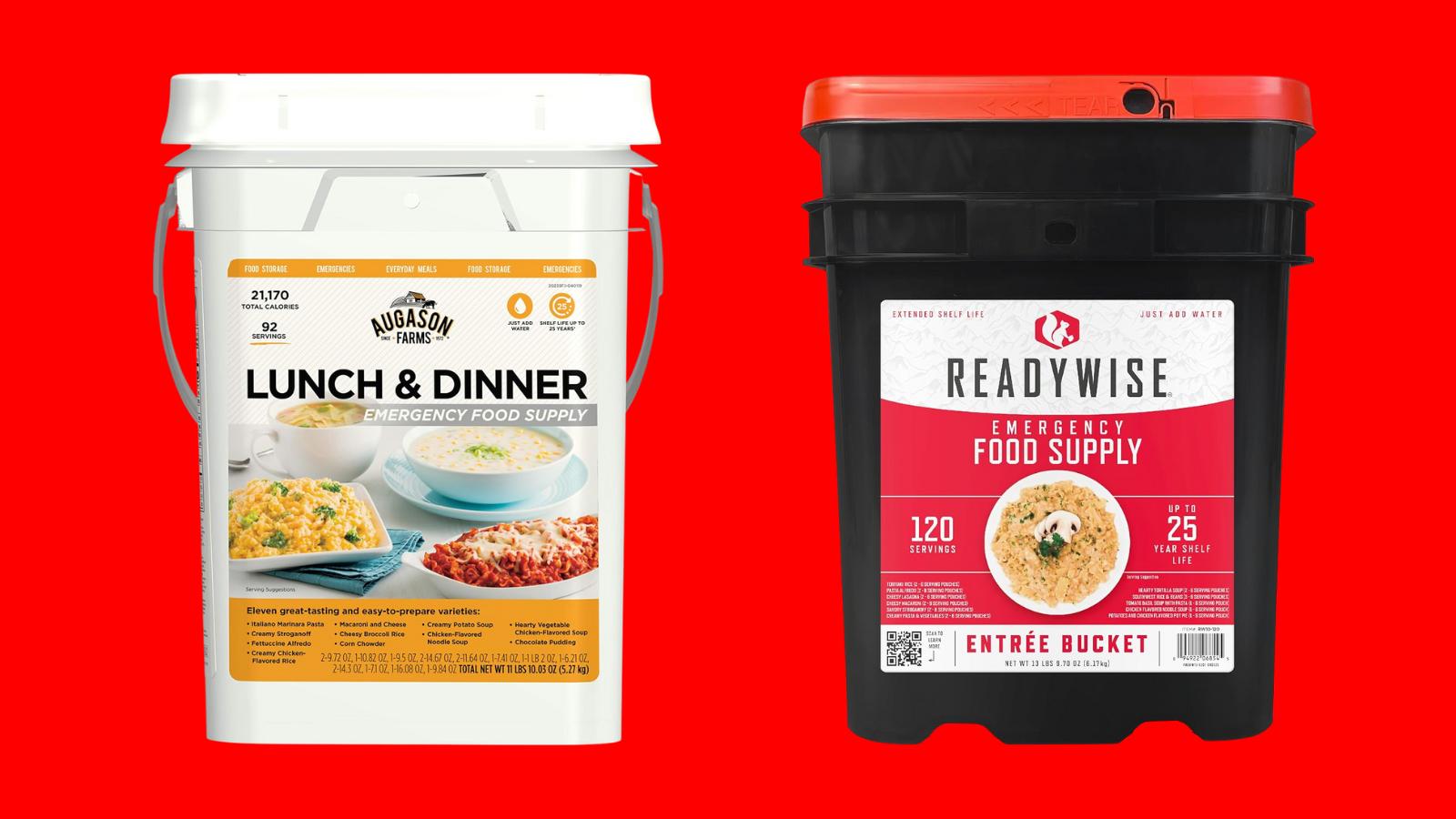
Convenient and ready-to-eat foods are essential for any emergency food supply. They save time and effort during stressful moments. These foods require little or no preparation. They also have a long shelf life, making them practical for storage. Choosing the right items ensures you get energy and nutrition quickly.
Energy Bars And Trail Mix
Energy bars provide a quick source of calories. They are easy to carry and eat anywhere. Trail mix combines nuts, dried fruits, and sometimes chocolate. It offers healthy fats, protein, and natural sugars. Both options have long shelf lives. They do not need refrigeration. Perfect for instant energy during emergencies.
Instant Soups And Meals
Instant soups and meals only need hot water. They come in lightweight, sealed packages. These foods are easy to store and prepare. They provide warmth and comfort during tough times. Instant meals often include rice, noodles, or dehydrated vegetables. They offer a balanced mix of nutrients quickly.
Ready-to-eat Canned Foods
Canned foods last for years without spoiling. They include vegetables, beans, meats, and soups. These foods require no cooking or heating. Simply open and eat. Canned foods are rich in protein and fiber. They are a reliable option for long-term emergency food.
Storage And Preservation Tips
Proper storage and preservation are vital for keeping emergency food fresh and safe. Storing food correctly prevents spoilage and waste. It also helps maintain nutrients and taste over time. Planning storage well ensures your emergency supplies last longer and stay ready to use.
Proper Packaging
Packaging protects food from air, moisture, and pests. Use airtight containers to keep food dry and fresh. Vacuum-sealed bags remove air and extend shelf life. Store dry goods like rice and beans in sealed jars or buckets. Label packages with the date of storage for easy tracking.
Temperature Control
Cool, dry places work best for most emergency foods. Avoid storing food where temperature changes a lot. High heat speeds up spoilage and nutrient loss. Keep canned foods away from direct sunlight. If possible, store food below 75°F (24°C) to keep it fresh longer.
Rotation And Shelf Life Management
Use the oldest food first to avoid waste. Organize supplies so newer items go behind older ones. Check expiration dates regularly. Replace any food that is near or past its shelf life. Keep a list of stored items and update it after use or replacement.

Credit: www.forbes.com
Special Dietary Considerations
When stocking up for emergencies, considering special dietary needs is crucial. Your food choices should support everyone’s health, including those with allergies, specific diets, or unique nutritional requirements. This ensures that no one is left without safe, nourishing options during tough times.
Allergies And Intolerances
Food allergies and intolerances can become serious during emergencies. Identify any allergies in your household, such as nuts, gluten, or dairy, and avoid buying those foods.
Look for hypoallergenic options like rice, quinoa, or canned vegetables. Keep an eye on labels to avoid hidden allergens. Have alternatives ready so everyone stays safe and comfortable.
Vegetarian And Vegan Options
Vegetarian or vegan diets need careful planning in an emergency kit. Protein sources like canned beans, lentils, and nut butters are essential.
Don’t forget fortified plant-based milks and dried fruits for extra nutrients. These choices keep your meals balanced and prevent nutrient deficiencies even when fresh produce isn’t available.
Baby And Elderly Nutrition
Babies and older adults have specific nutritional needs that emergency foods must meet. Stock up on infant formula, baby cereals, and soft, easy-to-digest foods.
For elders, include nutrient-rich, low-sodium canned soups, pureed fruits, and fiber-rich cereals. These items support digestion and energy levels when regular meals aren’t possible.

Credit: www.goodhousekeeping.com
Frequently Asked Questions
What Are The Best Non-perishable Emergency Foods?
Non-perishable foods like canned beans, rice, pasta, and dried fruits last long. They provide essential nutrients during emergencies and require minimal preparation.
How Much Food Should I Store For Emergencies?
Store at least a two-week supply of food per person. This ensures you have enough nutrition if access to fresh food is limited.
Which Foods Provide The Most Energy During Emergencies?
High-calorie foods like nuts, peanut butter, and granola bars offer sustained energy. They are compact and easy to store for emergency situations.
Can I Include Fresh Produce In Emergency Food Storage?
Fresh produce is ideal but perishable. Focus on canned or dried fruits and vegetables for longer shelf life in emergencies.
Conclusion
Choosing the right emergency food keeps you safe and ready. Focus on foods that last long and give good energy. Canned goods, dried fruits, and nuts work well. Don’t forget water and easy-to-cook meals. Store food in a cool, dry place.
Check your supplies often and replace expired items. A little planning today can make a big difference tomorrow. Stay prepared, stay calm, and keep your family safe. Emergency food is simple but important. Plan smart, act early, and feel confident.