Imagine waking up one day and realizing you don’t have enough food to last through an emergency. How would you feel?
Worried? Stressed? You’re not alone, and the good news is that you can take control right now. Knowing how to stock food for emergency situations isn’t just smart—it’s essential. This guide will show you simple, practical steps to build a reliable food supply that keeps you and your loved ones safe.
Ready to learn how to prepare without the hassle? Keep reading, and you’ll discover easy tips that anyone can follow.
Choosing The Right Foods
Choosing the right foods is key to building an emergency food supply. The foods must last long and provide enough energy. They should be easy to store and prepare. Think about what your family likes and needs. This helps avoid waste and ensures everyone stays healthy during tough times.
Non-perishable Items
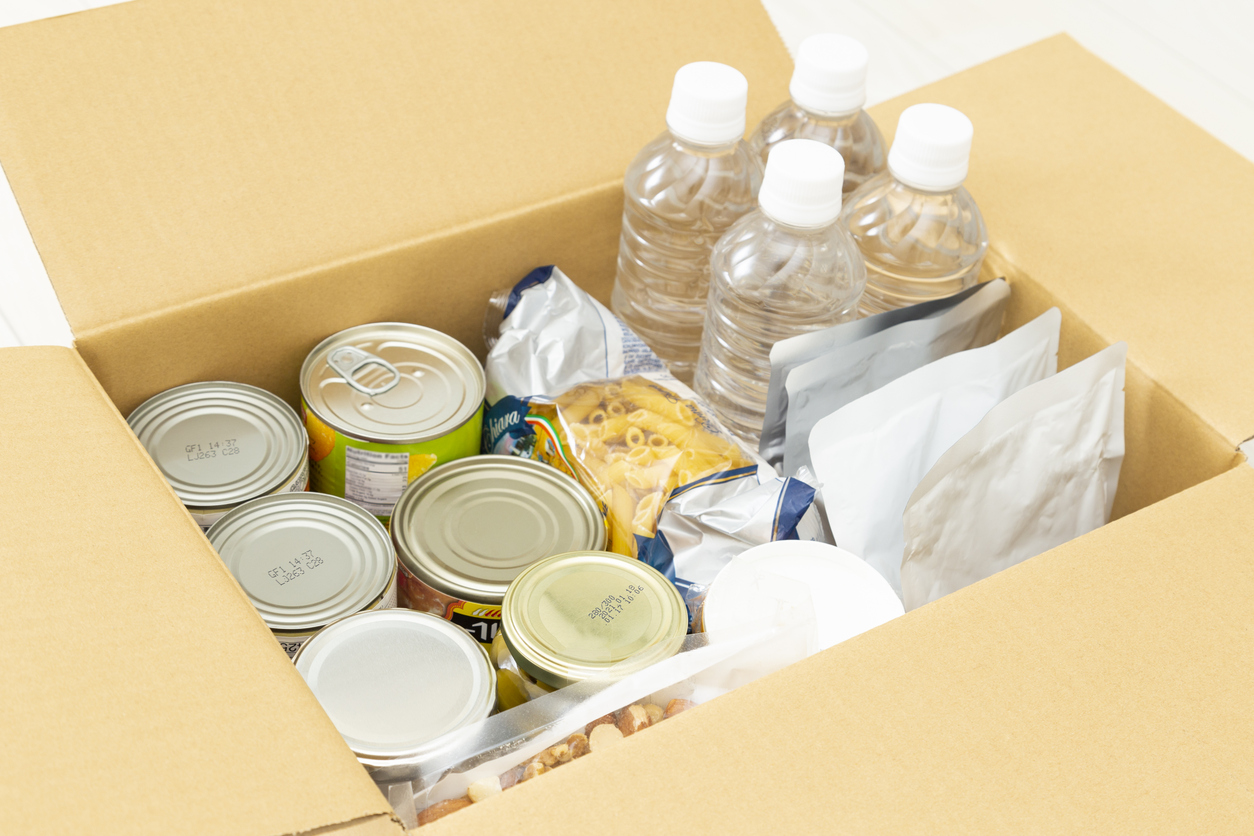
Focus on foods that do not spoil quickly. These include canned goods, dried beans, and rice. Pack items like pasta, powdered milk, and instant coffee. They last for months or years without refrigeration. Store them in a cool, dry place to keep them fresh longer.
Nutritional Balance
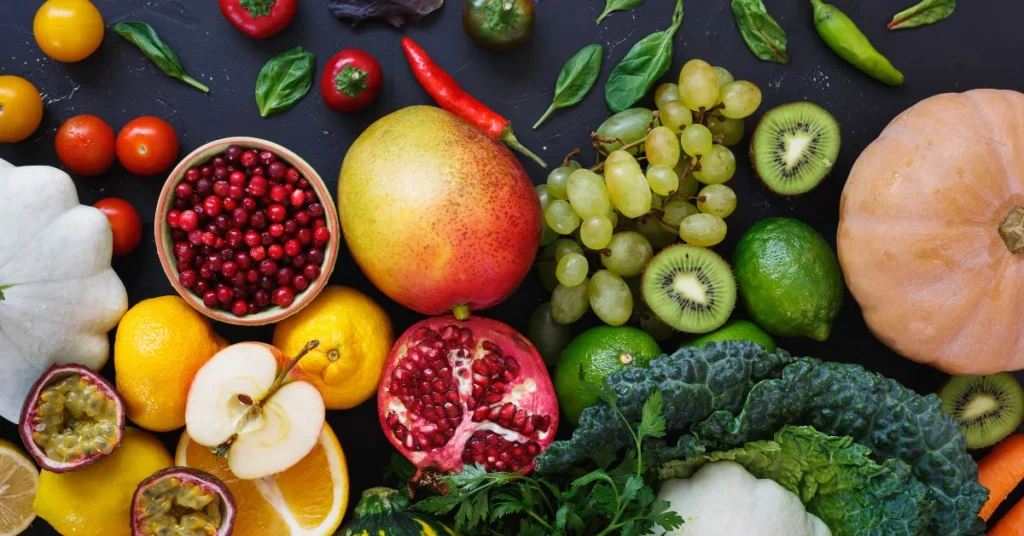
Choose foods that give protein, fats, and carbohydrates. Include canned meats, nuts, and whole grains. Add fruits and vegetables in canned or dried form. Vitamins and minerals keep the body strong. Avoid foods high in sugar and salt. Balance helps maintain energy and health.
Special Dietary Needs
Consider allergies and medical conditions in your family. Gluten-free, low-sodium, or diabetic-friendly foods may be necessary. Include baby formula or pet food if needed. Label these items clearly and store separately. This ensures safety and comfort during emergencies.
Storage Tips
Proper storage plays a vital role in keeping emergency food fresh and safe. It helps extend shelf life and prevents spoilage. Following key storage tips ensures your food stays ready for use when needed.
Optimal Temperature And Humidity
Store food in a cool, dry place. Ideal temperature ranges from 50°F to 70°F (10°C to 21°C). Avoid areas with high heat or direct sunlight. Humidity should stay below 60% to prevent mold and spoilage. Use a thermometer and hygrometer to monitor conditions.
Containers And Packaging
Use airtight containers to protect food from moisture and pests. Glass jars, heavy-duty plastic bins, and vacuum-sealed bags work well. Avoid thin plastic bags that can tear easily. Label each container clearly with contents and date.
Rotation And Expiry Management
Practice “first in, first out” to use older food first. Check expiration dates regularly. Replace items before they expire. Keep a list of stored foods and update it after use. This helps maintain an organized and effective food supply.
Water Supply Essentials
Stocking food for emergencies means choosing non-perishable items with long shelf lives. Focus on canned goods, dry grains, and ready-to-eat meals. Keep enough supplies to last several days, ensuring water is also stored safely.
When preparing for emergencies, having a reliable water supply is non-negotiable. Water is vital not just for hydration but also for cooking and hygiene. A well-thought-out water plan can ease your worries and keep you safe when unexpected situations arise. Let’s dive into the essentials of securing a water supply for emergencies.Calculating Water Needs
The first step is understanding how much water you actually need. On average, each person requires at least one gallon of water per day for drinking and sanitation. Consider the size of your household and plan for a minimum of three days, although a two-week supply is ideal. Don’t forget pets; they need water too.Safe Water Storage
Storing water safely is crucial to ensure its usability. Use clean, food-grade containers with tight-fitting lids. Avoid containers that were previously used for milk or fruit juice as they can harbor bacteria. Store your water in a cool, dark place to maintain its quality.Water Purification Methods
Even stored water can become unsafe over time, so purification is key. Boiling water is a simple yet effective method; just let it boil for at least one minute. Alternatively, you can use water purification tablets or household bleach. Ensure you follow instructions carefully to avoid overuse. Have you ever thought about what you would do if your stored water ran out? It’s a good idea to familiarize yourself with local water sources and have a portable water filter handy. Planning ahead ensures you’re never caught off guard.
Credit: www.goodhousekeeping.com
Emergency Meal Planning
Emergency meal planning is a crucial part of preparing for unexpected situations. It ensures you have nutritious and satisfying food even when regular supplies are unavailable. Thinking ahead about what you can eat and how you’ll prepare it can reduce stress and keep you energized during emergencies.
Meal Variety And Preparation
Keeping your emergency food supplies interesting helps avoid mealtime boredom. Include a mix of canned vegetables, grains, proteins, and ready-to-eat snacks. Different textures and flavors can make a big difference in your mood and energy.
Plan meals that use similar ingredients to save space and simplify preparation. For example, rice can be a base for soups, stir-fries, or side dishes. Think about meals that can be eaten hot or cold to give you flexibility.
Cooking Without Power
What happens if the power goes out? Prepare for cooking without electricity by having alternative methods ready. A portable camping stove, a charcoal grill, or even a solar oven can be lifesavers.
Keep fuel sources like propane or charcoal stored safely but accessible. Also, consider meals that don’t require cooking, such as canned beans or peanut butter sandwiches. Do you have a way to boil water if needed?
Quick And Easy Recipes
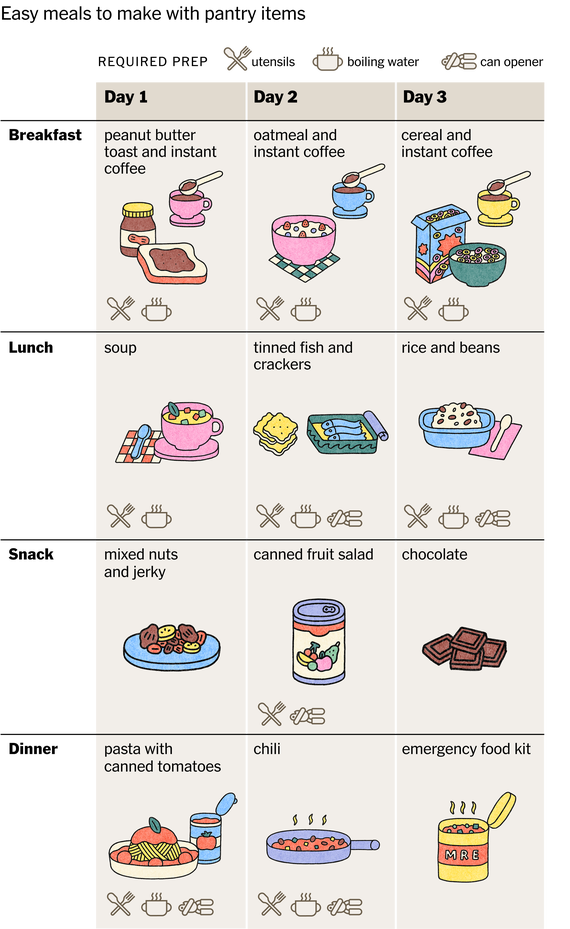
In emergencies, time and energy are limited. Focus on recipes that need minimal ingredients and steps. A simple bean salad, instant oatmeal with dried fruits, or pasta with canned sauce can be made quickly.
Try mixing canned tuna with canned corn and mayonnaise for a fast protein-packed meal. Having a few go-to recipes memorized can save valuable time and reduce stress. What quick meals do you already enjoy that could fit into your emergency plan?
Stocking For Different Scenarios
Stocking food for emergencies varies by the type of situation. Different scenarios demand specific types of food and storage methods. Planning based on possible emergencies helps ensure safety and comfort. Prepare wisely for each scenario to avoid food shortages and waste.
Natural Disasters
Natural disasters like floods, hurricanes, and earthquakes often disrupt food supply chains. Non-perishable foods are essential. Choose items that last long without refrigeration. Canned goods, dried fruits, and nuts work well. Include ready-to-eat meals and bottled water.
- Canned vegetables and fruits
- Peanut butter and nut butters
- Dried beans and lentils
- Granola bars and trail mix
- Powdered milk or shelf-stable milk
Store food in airtight containers to protect from moisture. Keep enough for at least 72 hours. Rotate stock regularly to maintain freshness.
Power Outages
Power outages limit refrigeration and cooking options. Stock foods that need no cooking or heating. Choose items that stay safe at room temperature. Fresh fruits and vegetables may spoil quickly. Frozen foods are not reliable without power.
- Canned soups and stews
- Crackers and dry cereals
- Nut butters and cheese spreads
- Ready-to-eat canned meats like tuna or chicken
- Bottled juices and water
Keep a manual can opener nearby. Include some disposable plates and utensils. Plan meals that require little or no preparation.
Extended Isolation
Extended isolation means staying indoors for weeks or months. Stock a variety of foods to avoid boredom and nutritional gaps. Include proteins, carbohydrates, and vitamins. Choose foods with a long shelf life.
| Food Type | Examples |
|---|---|
| Proteins | Canned beans, dried lentils, canned tuna, powdered eggs |
| Carbohydrates | Rice, pasta, oats, flour |
| Fats | Cooking oils, nuts, seeds |
| Vitamins | Canned vegetables, dried fruits, multivitamins |
Store food in a cool, dark place. Plan meals ahead to use supplies efficiently. Keep variety to maintain morale and health.

Credit: m.youtube.com
Regular Maintenance
Keeping your emergency food stock in good shape requires regular attention. Without maintenance, even the best-prepared supply can become outdated or unusable. Staying on top of your food stock ensures you always have safe, nutritious options ready when you need them most.
Inventory Checks
Start by checking your food stock regularly. Look for items nearing their expiration dates and note quantities of each type of food. This simple habit helps you avoid surprises during an emergency.
I once found a box of canned beans that expired two years ago because I skipped inventory checks. It was a wake-up call to schedule checks every three months. You could set reminders on your phone or calendar to make it easier.
Replenishing Supplies
After checking your inventory, replace any items that are low or expired. Buy extra of your staples to keep the stock consistent. Think about shelf life—choose foods that last longer but don’t forget to rotate them.
Buying in bulk can save money, but it’s important to balance quantity with freshness. How often have you tossed out food just because it wasn’t used in time? Replenishing helps avoid waste and keeps your emergency pantry reliable.
Updating Food Preferences
Your tastes and dietary needs change over time, so your emergency food stock should too. Add new favorites or remove items that no longer suit you or your family. This keeps your stock appealing and ensures everyone will actually eat it if needed.
Consider allergies, new health goals, or even children’s changing preferences. Have you checked recently if your emergency foods still match your lifestyle? Updating your stock makes sure it’s practical, not just theoretical.
Additional Survival Supplies
Stocking food is essential, but having the right survival supplies can make all the difference during an emergency. These additional items help you prepare meals, maintain hygiene, and handle minor injuries effectively. Without them, even the best food storage can become a challenge to use or sustain over time.
Cooking Equipment
Think beyond just canned food—how will you heat your meals? Portable stoves, camping grills, or even a simple solar oven can be lifesavers. Make sure you have enough fuel or alternative heat sources that don’t rely on electricity.
Don’t forget durable cookware like lightweight pots and pans that can withstand rough use. Having a reliable way to boil water is crucial for both cooking and safety. You might be surprised how a small, multi-use cooking set can simplify your entire meal prep process.
Tools And Utensils
Eating without the right tools turns eating into a frustrating task. Stock sturdy utensils, sharp knives, and can openers that don’t require electricity. These small items often go overlooked but are vital for accessing and preparing your food supply.
Consider adding multi-tools or survival knives that combine several functions in one. A good cutting board and reusable containers can also help keep your food organized and safe. What’s the point of having food if you can’t open or serve it properly?
First Aid And Hygiene
Emergencies can bring injuries or illnesses, so a well-stocked first aid kit is a must. Include bandages, antiseptics, pain relievers, and any personal medications you might need. Clean hands and surfaces prevent infections, so add soap, hand sanitizer, and disinfectant wipes to your supplies.
Don’t forget hygiene items like toothbrushes, toothpaste, and feminine products. Staying clean helps you stay healthy, which is critical when access to medical help is limited. Have you checked your first aid kit lately to ensure everything is still usable?
Credit: www.survivalist911.com
Frequently Asked Questions
What Foods Are Best For Emergency Stockpiling?
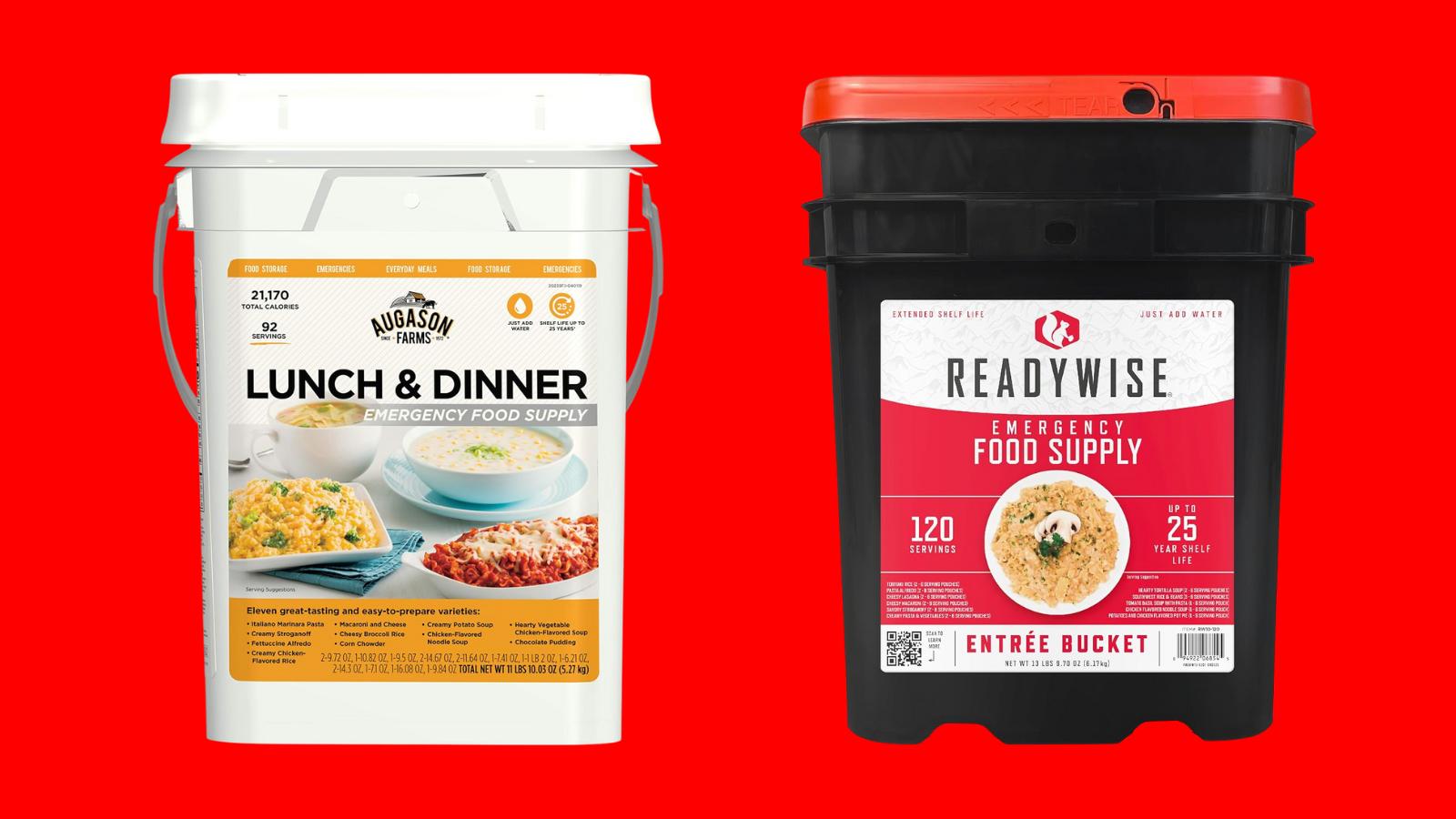
Best emergency foods include canned goods, dried beans, rice, pasta, and freeze-dried meals. Choose non-perishable, nutrient-rich items with long shelf lives to ensure safety and nutrition during emergencies.
How Much Food Should I Store For Emergencies?
Store at least a two-week supply per person. This amount covers basic nutrition and accounts for delays in resupply during disasters or emergencies.
How Do I Rotate Emergency Food Supplies?
Use a first-in, first-out method. Consume older items regularly and replace them with fresh stock to maintain food safety and freshness over time.
Can I Store Fresh Food For Emergencies?
Fresh food is not ideal for long-term storage. Focus on shelf-stable items, but keep small amounts of fresh produce for short-term use during emergencies.
Conclusion
Stocking food for emergencies takes some planning and care. Choose items that last long and give good nutrition. Store food in cool, dry places to keep it fresh. Check your supplies often and replace what expires. Remember to include water and easy-to-cook meals.
Prepare for your family’s needs and preferences. Being ready gives peace of mind during tough times. Start small, and build your stock over time. Stay safe, and keep your emergency food supply ready.