When disaster strikes, having the right food in your emergency kit can make all the difference. You need items that not only last long but also keep you energized and healthy when help might not be immediately available.
Choosing what food to pack isn’t just about filling a bag—it’s about preparing to protect yourself and your loved ones. In this guide, you’ll discover easy-to-store, nutritious options that suit your needs and keep hunger at bay, no matter the situation.
Keep reading to make sure your emergency kit is truly ready when you need it most.
Criteria For Emergency Food
Choosing the right food for your emergency kit means thinking beyond just grabbing snacks. You need to focus on how long the food lasts, how much energy it gives, how easy it is to carry, and how simple it is to prepare. These criteria help ensure that your emergency food truly supports you when you need it most.
Shelf Life And Durability
Emergency food should have a long shelf life to remain safe and edible during extended periods. Look for items that last at least several months to years without refrigeration, such as canned goods, dried beans, and freeze-dried meals.
Durability means the food can withstand rough handling and changes in temperature. Packaging that resists moisture and pests helps keep your food fresh. Have you checked the expiration dates on your current emergency supplies lately?
Nutritional Value
Your emergency food needs to fuel your body effectively. Choose foods rich in calories, protein, healthy fats, and essential vitamins and minerals.
Energy-packed items like nuts, peanut butter, and whole grains sustain you longer. Avoid empty calories that give a quick boost but leave you tired later. What foods do you rely on for steady energy during busy days?
Portability And Packaging
Compact and lightweight food is easier to store and carry, especially if you need to evacuate quickly. Single-serving packages or resealable bags help control portions and reduce waste.
Packaging that’s easy to open without tools is a bonus during stressful situations. Think about how your food fits into your emergency bag—does it add unnecessary bulk or weight?
Ease Of Preparation
In an emergency, you might not have access to a stove or running water. Foods that require little or no preparation save time and effort.
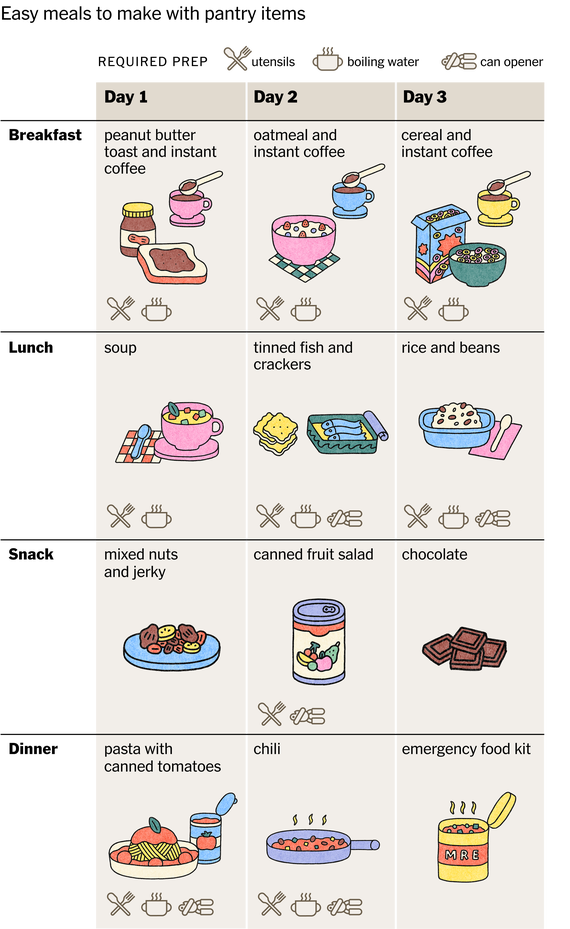
Ready-to-eat items like granola bars, canned tuna, or dehydrated meals that only need water can be lifesavers. Have you practiced preparing your emergency meals under less-than-ideal conditions?

Credit: www.mypatriotsupply.com
Top Shelf-stable Staples
Top shelf-stable staples form the backbone of any emergency food kit. These foods last long without refrigeration and offer essential nutrients. They help maintain energy and strength during tough times. Choose items that store well and provide balanced nutrition.
Canned Proteins
Canned proteins are reliable and easy to store. Options include:
- Tuna
- Chicken
- Salmon
- Beans
- Peanut butter
They offer essential protein and healthy fats. Cans protect food from spoilage and damage. Look for low-sodium varieties for better health.
Dried Fruits And Nuts
Dried fruits and nuts provide quick energy and nutrients. Examples include:
- Raisins
- Apricots
- Almonds
- Walnuts
- Cashews
These snacks are rich in fiber, vitamins, and minerals. They store well in airtight containers. Great for munching between meals or adding to recipes.
Whole Grains And Legumes
Whole grains and legumes supply complex carbohydrates and fiber. Common choices are:
- Brown rice
- Quinoa
- Lentils
- Chickpeas
- Oats
They help sustain energy for longer periods. These staples are versatile and easy to cook. Store in sealed containers to keep fresh.
Powdered Milk And Dairy Alternatives
Powdered milk and dairy substitutes add calcium and protein. Options include:
- Powdered cow’s milk
- Powdered soy milk
- Powdered almond milk
- Powdered coconut milk
They have a long shelf life and do not need refrigeration. Easy to mix with water for drinking or cooking. Choose unsweetened versions to avoid extra sugar.
High-energy Snacks
High-energy snacks like nuts, granola bars, and dried fruit provide quick fuel during emergencies. They are easy to carry, last long, and help keep energy levels up. Choose snacks that need no cooking or refrigeration.
High-energy snacks are essential for an emergency kit. They provide a quick energy boost when needed. These snacks are lightweight and easy to store. They help maintain energy levels during emergencies. Let’s explore some excellent high-energy snack options.Energy Bars And Granola
Energy bars and granola are compact and nutritious. They come in various flavors to suit tastes. These snacks provide carbohydrates, fats, and proteins. This makes them ideal for sustaining energy levels. Choose bars with natural ingredients and low sugar.Trail Mixes
Trail mixes combine nuts, seeds, and dried fruits. They offer a balance of nutrients and energy. Packed with healthy fats and proteins, they are filling. Trail mixes are easy to customize with preferred ingredients. Seal them in airtight bags to keep fresh.Nut Butters
Nut butters are rich in healthy fats and proteins. They provide a satisfying energy boost. Peanut, almond, and cashew butters are popular choices. These spreads pair well with crackers or breads. Small, individual packets are convenient for emergency kits.
Credit: heavensharvest.com
Hydration Essentials
Staying hydrated is vital in any emergency. Water keeps your body working well. It helps you think clearly and stay strong. Packing the right hydration essentials ensures you have clean water for days. Planning ahead can save lives.
Water Storage Options
Choose containers that are safe and durable. Use food-grade plastic bottles or water jugs. Collapsible water bags save space and are easy to carry. Store at least one gallon per person per day. Keep water in a cool, dark place to avoid spoilage. Label containers with the date of storage. Rotate stored water every six months to keep it fresh.
Water Purification Methods
Clean water may not always be available. Purify water to remove germs and harmful particles. Boiling water for one minute kills most bacteria and viruses. Water purification tablets are lightweight and easy to use. Portable water filters remove dirt and many microbes. Use UV light purifiers to kill bacteria quickly. Carry multiple purification options for safety and backup.
Special Dietary Considerations
When packing food for an emergency kit, paying attention to special dietary needs can make all the difference. Emergencies don’t pause your health requirements or food preferences. Planning ahead ensures you stay safe, nourished, and comfortable no matter the situation.
Allergy-friendly Choices
Food allergies can be life-threatening, so avoid common allergens like nuts, shellfish, or dairy if you or your family members are sensitive. Choose simple, single-ingredient foods such as canned vegetables, rice cakes, or dried fruits without added nuts. Always check ingredient labels carefully to prevent hidden allergens.
Consider packing allergy-safe protein sources like canned chicken or turkey if these fit your needs. If you’ve ever experienced a reaction, you know how important it is to have safe options ready. Could your emergency kit handle a sudden allergic reaction?
Vegetarian And Vegan Options
If you follow a vegetarian or vegan diet, include protein-rich plant foods such as canned beans, lentils, and nut butters (if nut allergies aren’t an issue). Ready-to-eat quinoa or dehydrated vegetables add variety and essential nutrients. Don’t forget vitamin B12 supplements or fortified foods since these nutrients are harder to find in plant-based options.
Personal experience taught me that having a variety of plant-based options makes emergency eating less stressful. Could you rely on your kit for balanced meals without meat or dairy?
Gluten-free Selections
Gluten intolerance or celiac disease demands careful food choices. Pack gluten-free grains like rice, corn, or certified gluten-free oats. Many gluten-free crackers and snack bars are shelf-stable and can be lifesavers when quick energy is needed.
Double-check labels to ensure products are certified gluten-free to avoid contamination. How well is your kit prepared to support your gluten-free lifestyle in an emergency?
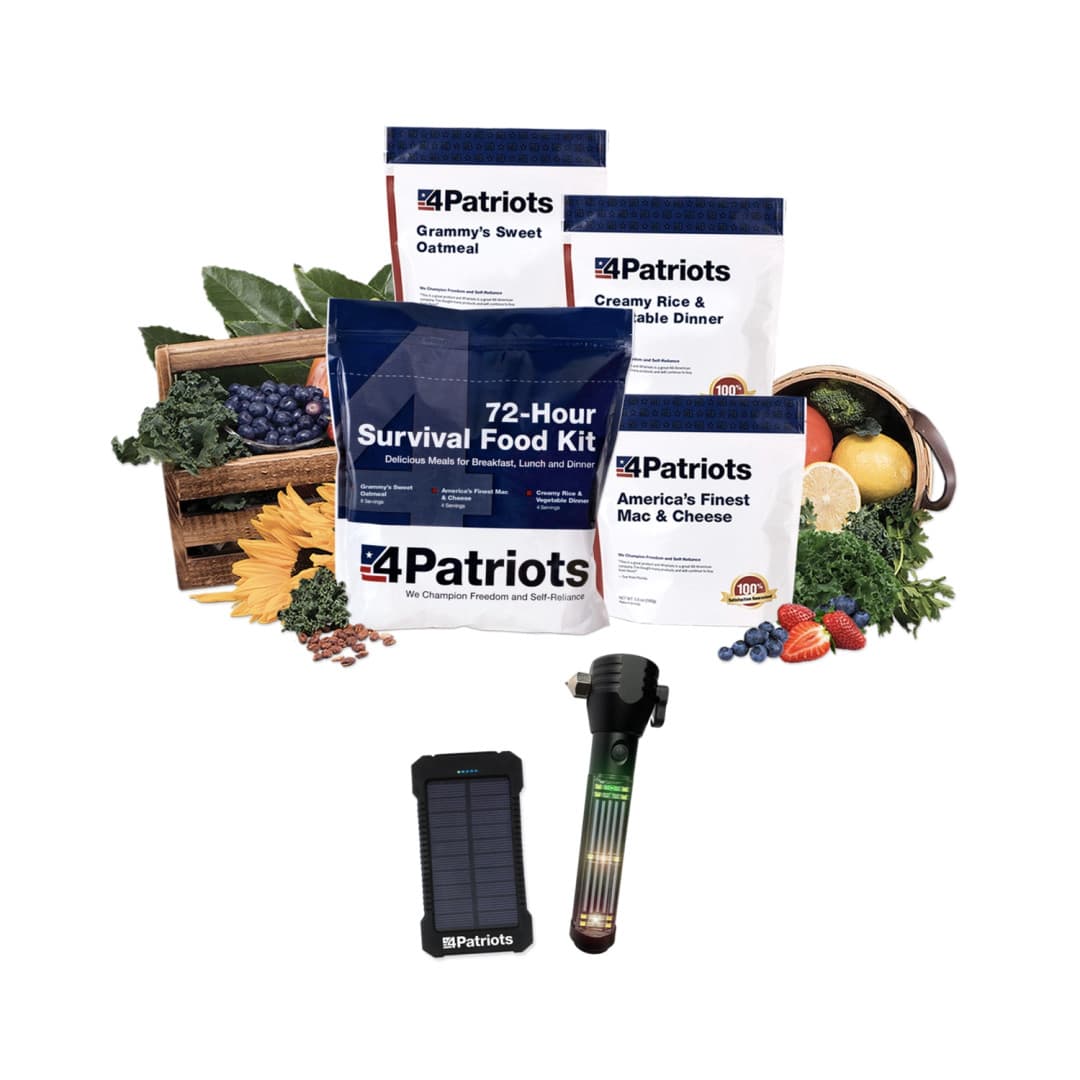
Credit: 4patriots.com
Packing And Storage Tips
Packing and storing food for your emergency kit is just as important as choosing what to pack. How you organize and protect your supplies can make a big difference when you need quick access or long-term preservation. Thoughtful storage helps keep your food safe, fresh, and ready to use when every minute counts.
Organizing For Accessibility
Arrange your emergency food so you can find what you need fast. Use clear containers or label boxes with the type of food and expiration dates. Group similar items together, such as canned goods, dried fruits, and snacks, to avoid digging through everything in a hurry.
Think about the order in which you’ll use your supplies. Keep items with shorter shelf lives at the front or top, so they get used first. Have you ever been frustrated searching for something simple? Proper organization prevents that stress during emergencies.
Protecting Against Moisture And Pests
Moisture and pests can destroy your emergency food supplies quietly over time. Store food in airtight containers like Mylar bags with oxygen absorbers or heavy-duty plastic bins with tight lids. This keeps moisture out and pests like insects or rodents away.
Consider adding silica gel packs to absorb any leftover moisture. Also, keep your storage area clean and dry. Have you noticed how a small leak or crumb can attract unwanted visitors? Prevention starts with the right containers and environment.
Rotation And Replacement
Food in your emergency kit isn’t “set and forget.” Regularly check expiration dates and replace items before they go bad. A good rule is to review your supplies every six months and swap out anything nearing its expiry.
Keep a list of what you have and update it each time you add or remove food. This simple habit ensures you won’t be caught off guard with expired or spoiled food when you need it most. How often do you check your pantry? Making it routine could save you trouble later.
Frequently Asked Questions
What Are The Best Non-perishable Foods For Emergency Kits?
Non-perishable foods like canned beans, rice, pasta, and dried fruits last long. They provide essential nutrients and require minimal preparation, making them ideal for emergency kits.
How Much Food Should I Pack For An Emergency Kit?
Pack at least a three-day supply of food for each person. Consider calories, dietary needs, and water availability when deciding quantities.
Which Foods Provide The Most Energy During Emergencies?
High-calorie foods like nuts, peanut butter, granola bars, and dried fruits offer quick energy. They are lightweight, nutritious, and easy to store.
Are Ready-to-eat Meals Suitable For Emergency Kits?
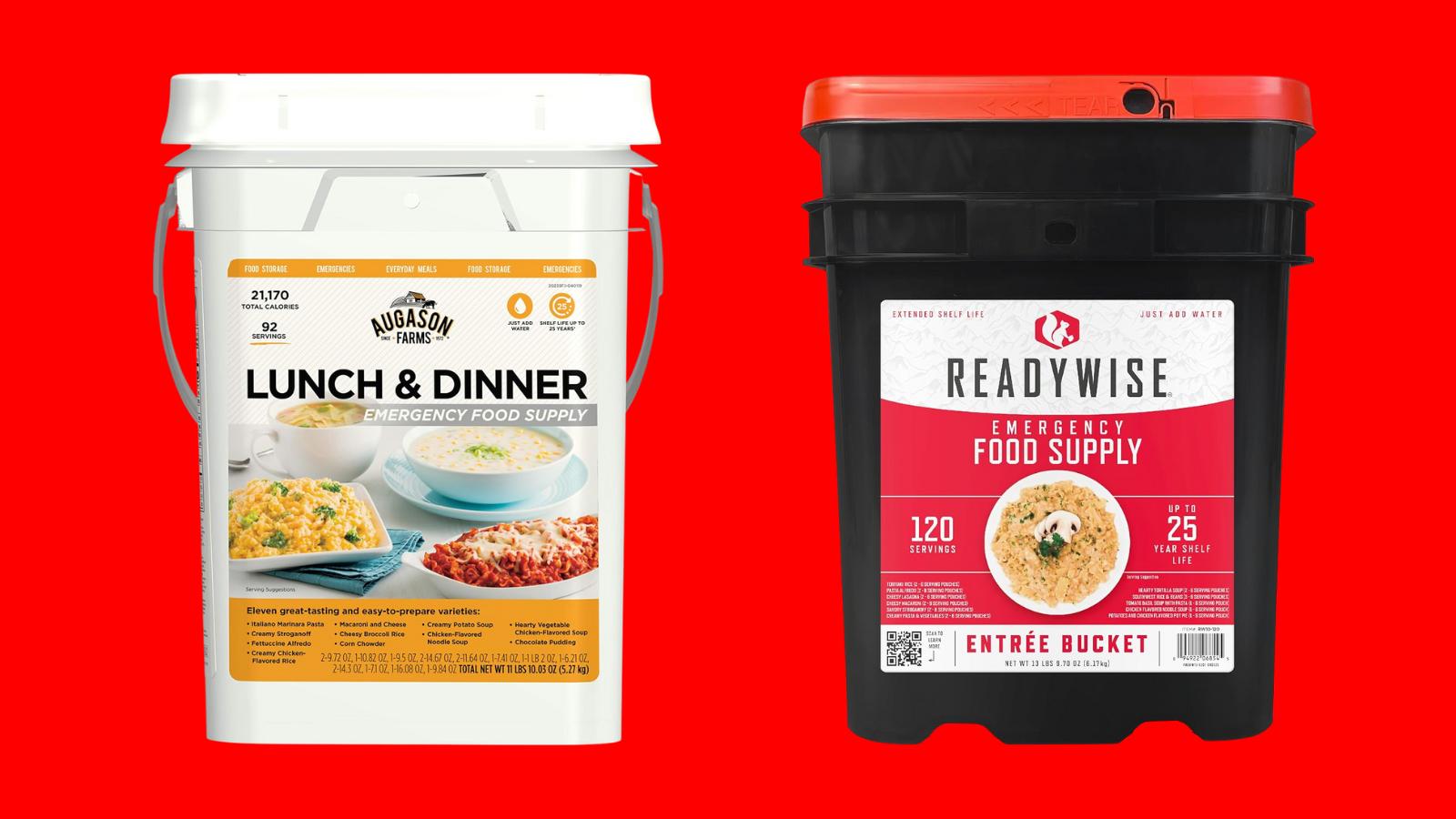
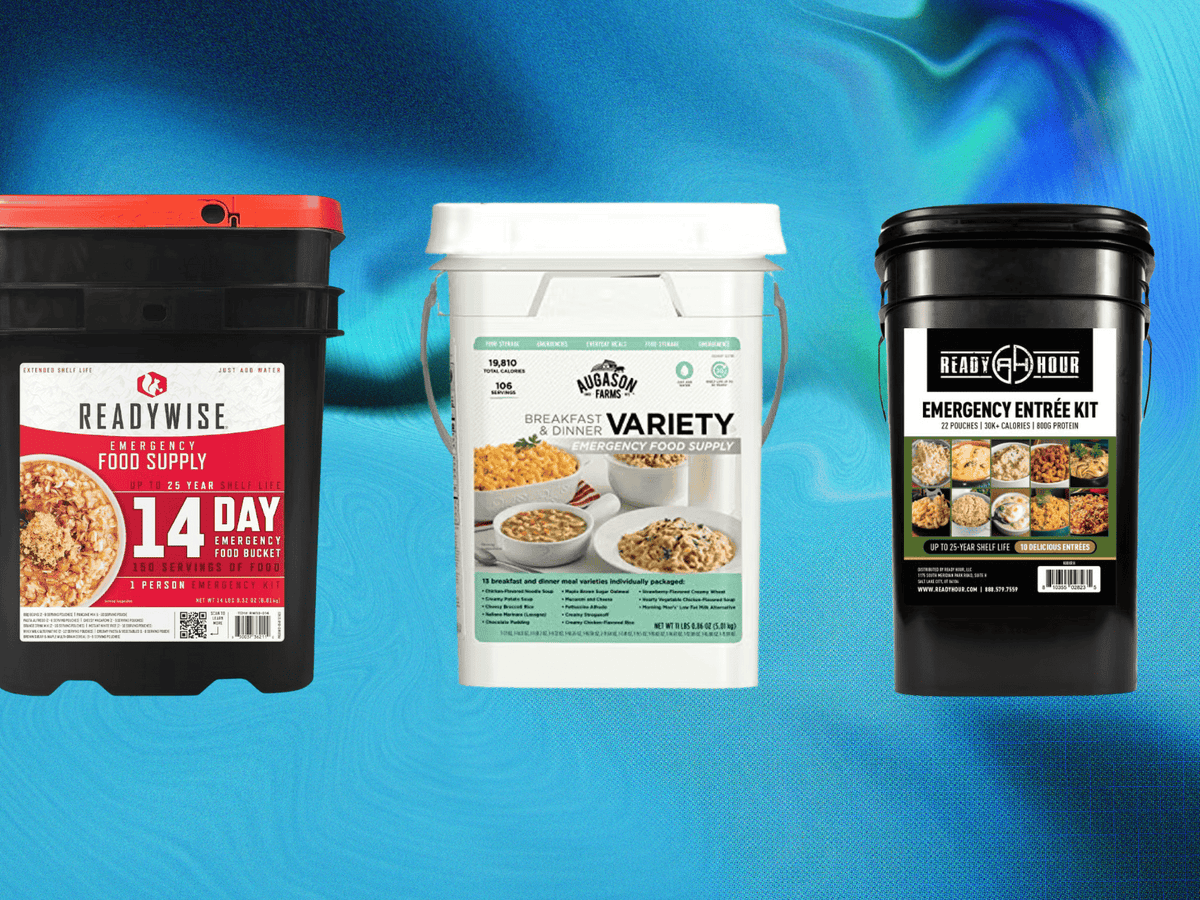
Yes, ready-to-eat meals are convenient and have a long shelf life. They require little or no cooking, making them perfect for emergencies.
Conclusion
Packing the right food helps you stay safe and healthy. Choose foods that last long and need little water. Think about your family’s tastes and any allergies. Keep your emergency kit updated and check dates often. Simple, nutritious choices make tough times easier.
Stay prepared, stay calm, and trust your plan. Your food kit is a small step for big peace of mind.