Imagine facing an emergency without enough food to keep you and your loved ones safe and nourished. It’s a scary thought, but being prepared can make all the difference.
You might wonder, what food should you stock up on to stay ready for anything? Choosing the right items isn’t just about filling a pantry—it’s about ensuring your health, comfort, and peace of mind when it matters most. Keep reading, and you’ll discover simple, smart food choices that will help you stay strong no matter what comes your way.
Essential Food Types
Knowing what types of food to stock can make a huge difference when emergencies strike. You want items that last long, provide good nutrition, and are easy to prepare. Focusing on essential food types will help you build a reliable emergency stash that supports you and your family.
Non-perishable Staples
Non-perishable staples are the backbone of any emergency food supply. These include items like rice, pasta, and powdered milk that don’t spoil quickly. They are versatile and can be used in many dishes, giving you flexibility when cooking under stress.
Think about how often you use these staples in your daily meals. Keeping extra on hand means you won’t have to rely on fresh foods that might not be available.
Canned Goods
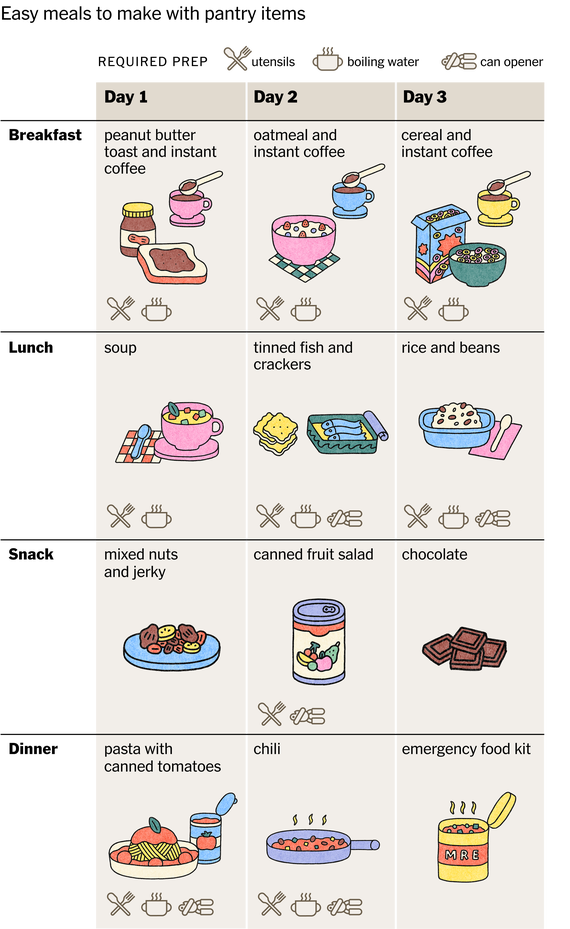
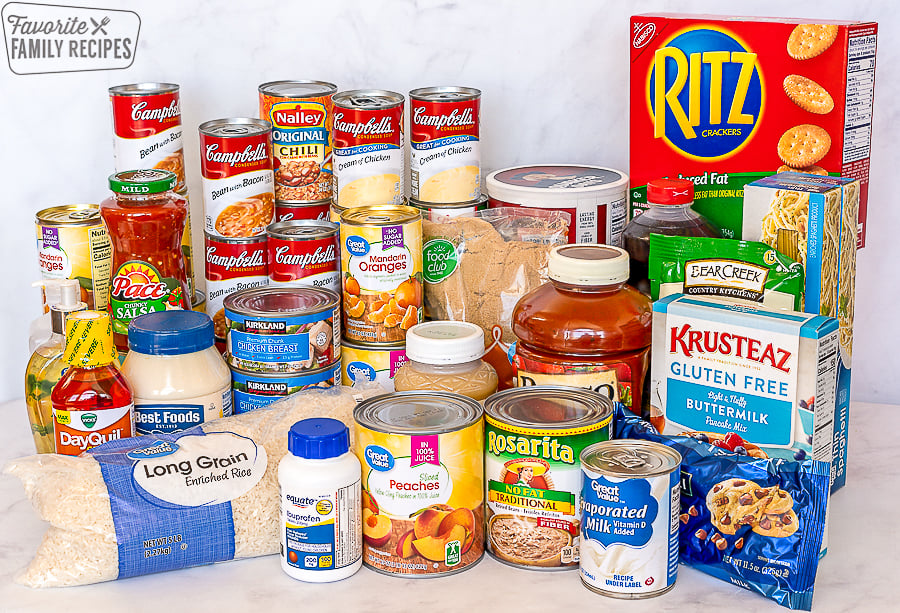
Canned goods are convenient and come in a wide variety. You can stock canned vegetables, fruits, meats, and soups. They hold nutrients well and often only require heating before eating.
Make sure to check the expiration dates regularly. Including low-sodium options helps maintain a healthier diet during emergencies.
Dry Grains And Legumes
Dry grains like quinoa, barley, and oats, along with legumes such as beans and lentils, offer excellent nutrition and long shelf life. They are rich in protein and fiber, keeping you full and energized.
Preparing these foods may take longer, but soaking or pressure cooking can speed up the process. Do you have the right cookware to make these staples easy to cook?
Dehydrated And Freeze-dried Foods
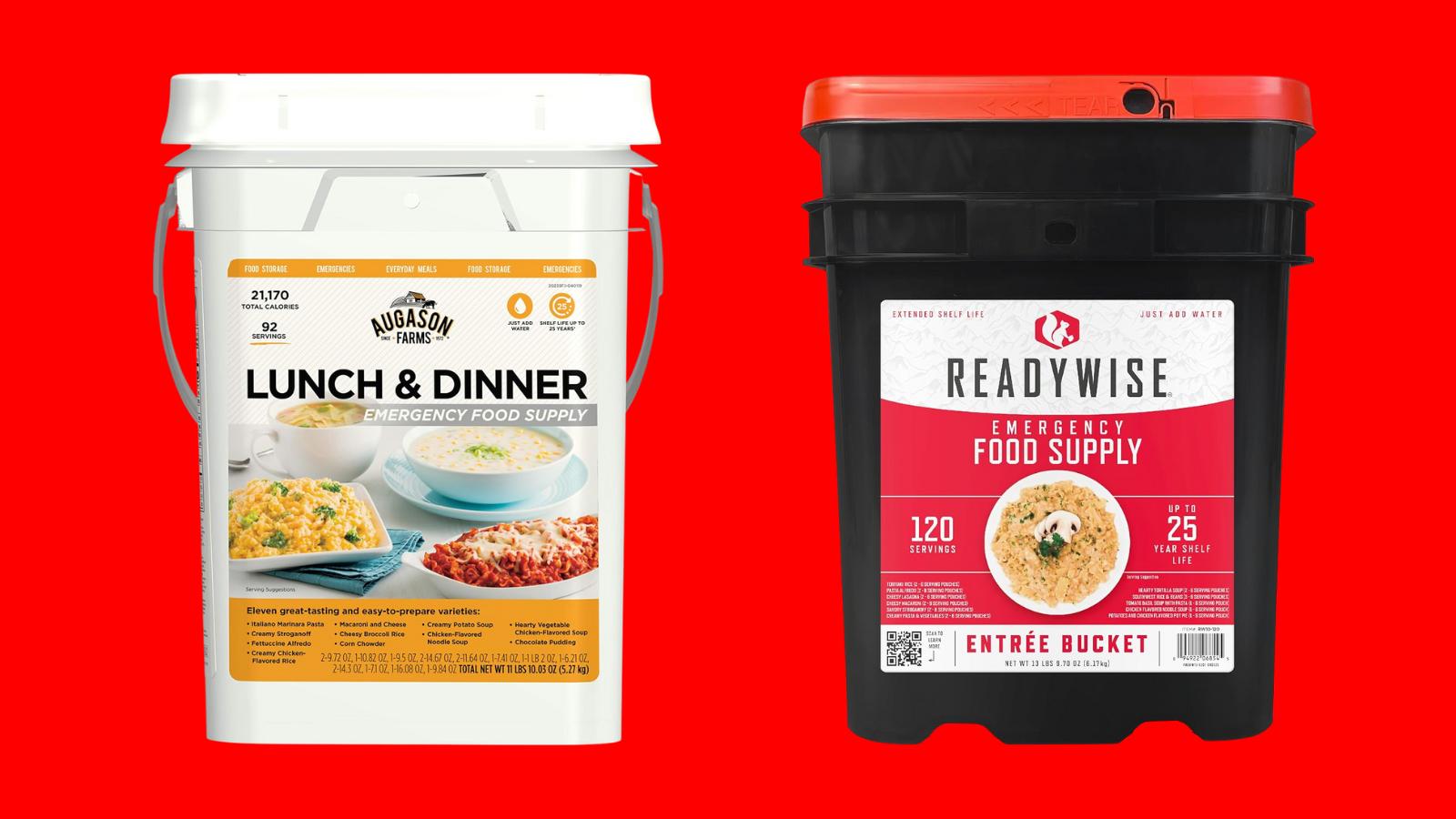
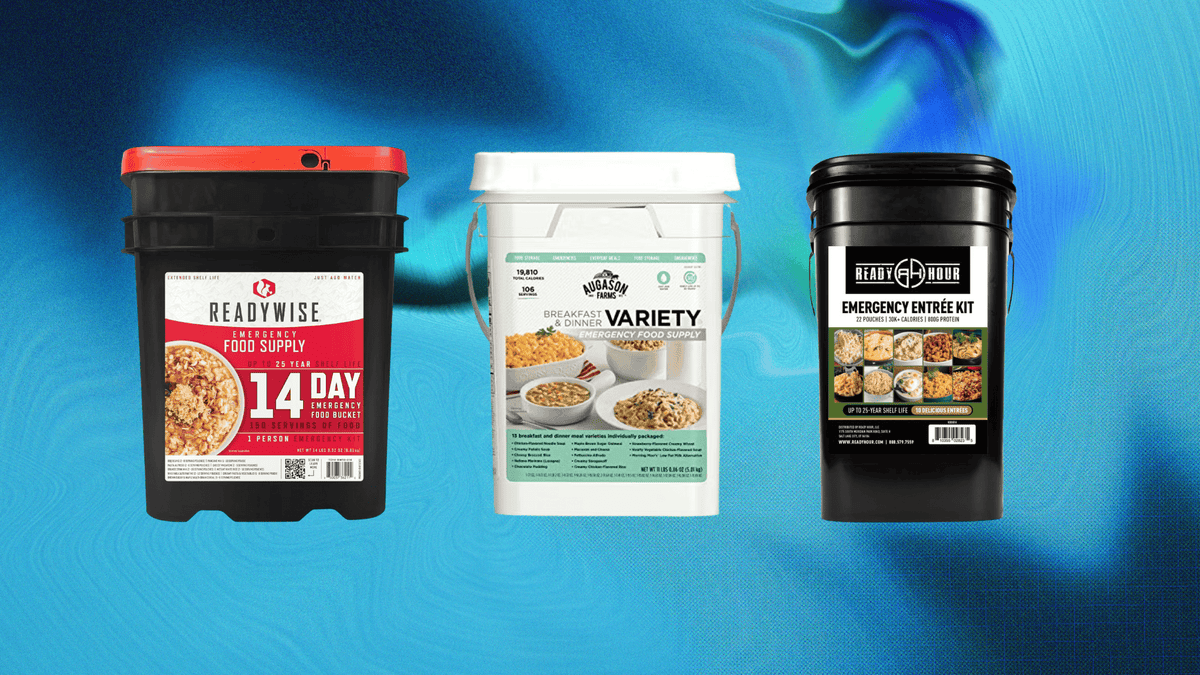
Dehydrated and freeze-dried foods are lightweight and last for years. They retain most of their nutrients and only need water to rehydrate. These foods are perfect if space is limited or if you need quick, easy meals.
Try adding freeze-dried fruits to your snacks or meals for a nutritious boost. Have you tried a freeze-dried meal to see how it tastes and feels?
High-energy Foods
High-energy foods are essential for emergency food supplies. They provide quick fuel and keep your body strong. These foods are compact and easy to store. They help maintain energy levels during stressful times. Choose items with good fats, protein, and calories.
Nuts And Seeds
Nuts and seeds are rich in healthy fats and protein. They have a long shelf life when stored properly. Choose almonds, walnuts, sunflower seeds, or pumpkin seeds. These offer essential nutrients and keep hunger at bay. Eat them raw or roasted for variety.
Nut Butters
Nut butters like peanut or almond butter pack a lot of energy. They are easy to spread and eat on the go. Nut butters contain healthy fats and some protein. Look for natural options without added sugar or salt. Store in a cool, dry place for longer freshness.
Energy Bars And Snacks
Energy bars provide a quick energy boost in emergencies. Choose bars with whole ingredients like nuts, oats, and dried fruit. Avoid bars with too much sugar or artificial additives. They are lightweight and easy to carry anywhere. Perfect for quick meals or snacks.
Protein Sources
Stock canned beans, lentils, and nuts for emergency protein. They last long and are easy to store.
In times of emergencies, having a reliable source of protein is crucial. Protein helps maintain energy and supports muscle health. Stocking a variety of protein sources ensures balanced nutrition during uncertain times.Canned Meats And Fish
Canned meats and fish are excellent protein sources. They have a long shelf life. Canned chicken, beef, and tuna provide essential nutrients. These items are easy to store and prepare. They require no refrigeration, making them ideal for emergencies. Choose cans with pull-tab lids for easy access.Powdered Eggs And Milk
Powdered eggs and milk offer great versatility. They are lightweight and compact. These items are perfect for baking or cooking. You just need to add water to use them. Store them in a cool, dry place. This helps extend their shelf life.Plant-based Proteins
Plant-based proteins are vital for vegans and vegetarians. Stock up on beans, lentils, and chickpeas. These are rich in protein and fiber. Dried beans last for years if stored well. Nut butters like peanut or almond provide healthy fats. They are also a good source of protein.Fruits And Vegetables
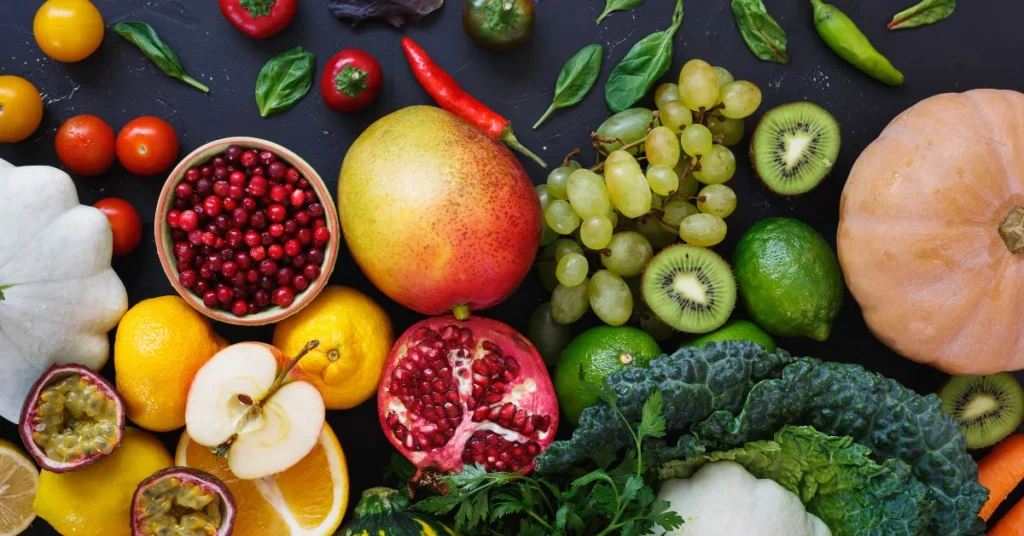
Fruits and vegetables are vital for a balanced emergency food supply. They provide essential vitamins and minerals that keep your body strong. Fresh produce spoils quickly, so having long-lasting options is key. Choose types that store well without losing nutrition or taste.
Canned And Jarred Options
Canned and jarred fruits and vegetables last for years without refrigeration. They are ready to eat and require no cooking. Look for low-sodium and no-sugar-added versions. Common choices include:
- Peaches, pears, and pineapple
- Green beans, corn, and carrots
- Tomato sauce and diced tomatoes
These options keep well and maintain flavor and nutrients.
Dried Fruits
Dried fruits store easily and are lightweight. They provide quick energy and natural sweetness. Choose unsweetened varieties for better health. Popular dried fruits include:
- Raisins and apricots
- Apple slices and banana chips
- Dates and figs
Store them in airtight containers to keep freshness.
Vegetable Powders
Vegetable powders are an excellent way to add nutrients to meals. They are lightweight and have a long shelf life. Simply mix them with water or add to soups and stews. Common powders include:
- Spinach powder
- Carrot powder
- Beetroot powder
They help maintain a balanced diet during emergencies.
Flavors And Essentials
Flavors and essential ingredients make emergency meals more enjoyable. They help turn basic foods into tasty dishes. Stocking the right spices, oils, and sweeteners keeps meals satisfying. These items have a long shelf life and add variety to your food supply.
Spices And Seasonings
Spices and seasonings bring life to simple meals. They make bland foods flavorful and appealing. Choose versatile spices like salt, pepper, garlic powder, and paprika. Dried herbs such as oregano, basil, and thyme also work well. Keep a mix of spicy, savory, and sweet options to cover many tastes.
Cooking Oils
Cooking oils are necessary for frying, baking, and dressing salads. Store oils with long shelf lives such as olive oil, coconut oil, and vegetable oil. These oils add healthy fats and help cook meals evenly. Keep them in a cool, dark place to prevent spoilage.
Sweeteners And Condiments
Sweeteners and condiments improve the taste of many dishes. Honey, sugar, and maple syrup are good sweetener choices. They last long and add sweetness to meals or drinks. Stock essentials like mustard, soy sauce, ketchup, and vinegar. These condiments enhance flavor and offer meal variety.
Storage Tips
Proper storage of emergency food supplies can make a huge difference in how long your stock lasts and how safe it remains to eat. You want to protect your food from moisture, pests, and temperature changes while keeping it easy to access. Let’s dive into some practical storage tips that will help you maintain a reliable emergency pantry.
Container Choices
Choosing the right containers is crucial. Airtight containers keep out moisture and bugs, which are the biggest enemies of stored food. Use food-grade plastic bins, glass jars with tight lids, or metal cans designed for long-term storage.
Consider containers that stack easily to save space. If you store grains or beans, Mylar bags with oxygen absorbers inside sealed buckets work wonders. Have you checked if your containers are truly airtight? Sometimes, a simple rubber gasket can make all the difference.
Temperature And Humidity
Storing food in a cool, dry place extends its shelf life significantly. Aim for a temperature between 50°F and 70°F (10°C to 21°C). High humidity causes mold and spoilage, so keep your storage area below 60% humidity if possible.
A basement or a dedicated pantry away from heat sources works well. Avoid storing food near water heaters, ovens, or windows where sunlight can raise temperatures. Have you felt your storage room for warmth or dampness? That’s your first clue to improve conditions.
Rotation And Shelf Life
Rotate your emergency food regularly. Use the “first in, first out” approach by placing newer items behind older ones. This prevents food from expiring unnoticed.
Label containers with purchase or packing dates. Different foods have varying shelf lives—canned goods might last years, while dried pasta can degrade faster. Keep a list of your stock and check it every few months to toss expired items and restock.
Water And Hydration
Water is the most essential item to stock for any emergency. Staying hydrated supports body functions and keeps energy levels steady. Without enough water, health risks rise quickly. Planning for water needs ensures safety and comfort during uncertain times.
Water Storage
Store water in clean, food-grade containers. Use bottles, jugs, or barrels designed for drinking water. Keep at least one gallon per person per day. Store water in a cool, dark place. Replace stored water every six months to keep it fresh.
Purification Methods
Water from natural sources may carry germs and chemicals. Purify water before drinking to avoid illness. Boiling water for one minute kills most pathogens. Water purification tablets are lightweight and effective. Portable water filters remove bacteria and dirt easily.
Hydration Alternatives
Other liquids can help maintain hydration when water is scarce. Stock canned or boxed juices with low sugar. Herbal teas and electrolyte drinks support hydration and energy. Avoid caffeinated and sugary drinks, as they can dehydrate. Remember, plain water remains the best choice.

Credit: www.forbes.com
Special Dietary Needs
Special dietary needs require extra attention when stocking emergency food supplies. You want to make sure everyone in your household has access to safe, nutritious options that meet their unique requirements. Skipping this step can lead to unnecessary stress or health problems during an emergency.
Allergy-friendly Options
Allergies can turn a simple meal into a dangerous situation. Keep a variety of allergy-safe foods on hand, such as nut-free granola bars, seed-based snacks, and dairy-free milk alternatives.
Label everything clearly and avoid cross-contamination by storing allergy-friendly foods separately. Have you checked the ingredient lists recently? Allergens can hide in unexpected places.
Gluten-free And Vegan Foods
Gluten intolerance and vegan lifestyles require carefully chosen staples. Stock gluten-free grains like rice, quinoa, and certified gluten-free oats. For vegan needs, consider canned beans, lentils, and plant-based protein powders.
Don’t forget shelf-stable vegetables and fruits, which provide essential vitamins without spoilage worries. How will you ensure variety and balance in your emergency diet?
Infant And Elderly Nutrition
Infants and elderly family members often have specific nutritional demands. Store formula, baby cereals, and easy-to-digest snacks for infants. For seniors, focus on soft foods rich in fiber and vitamins, like canned fruit, soups, and fortified cereals.
Check expiration dates regularly and keep emergency feeding supplies accessible. Are you prepared to meet these special needs when fresh food options are limited?
Emergency Cooking Methods
Preparing for emergencies means thinking beyond just the food itself. How you cook during a power outage or disaster can make a big difference. Having reliable cooking methods ensures you can eat warm, nutritious meals without stress.
No-cook Meals
Sometimes, cooking isn’t an option. No-cook meals save time and energy when you can’t light a stove or fire. Stock up on canned tuna, nut butters, ready-to-eat soups, and granola bars.
Don’t forget fresh produce that requires no cooking, like apples, carrots, and celery. These foods keep you nourished and require zero preparation. Have you tried a peanut butter and apple sandwich? It’s simple but satisfying.
Portable Cooking Equipment
Small, portable stoves and grills are lifesavers during emergencies. A compact camping stove or a butane burner can quickly heat your meals. Look for models that are lightweight and easy to use.
Having a portable pot or pan designed for camping helps too. You can boil water or cook soup right outside your home. What’s the last meal you cooked on a camping stove? It might be time to test your gear now.
Fuel Storage And Safety
Fuel is just as important as the stove itself. Store extra butane, propane, or charcoal safely and in small quantities. Keep them in a cool, dry place away from direct sunlight and children.
Always follow safety guidelines when using fuel-powered equipment. Never use these stoves indoors without proper ventilation. Are you confident in your fuel storage setup? Double-check to avoid accidents during emergencies.

Credit: www.hawaiianelectric.com
Credit: www.favfamilyrecipes.com
Frequently Asked Questions
What Are The Best Non-perishable Emergency Foods?
Non-perishable foods like canned beans, rice, pasta, and dried fruits last long. They provide essential nutrients and are easy to store.
How Much Emergency Food Should I Store Per Person?
Store at least a three-day supply of food per person. Ideally, have one gallon of water daily per person as well.
Which Foods Provide The Most Energy In Emergencies?
High-calorie foods like nuts, peanut butter, granola bars, and dried fruits offer quick energy and long shelf life.
Can I Store Fresh Produce For Emergencies?
Fresh produce spoils quickly, so focus on canned or dried fruits and vegetables for emergencies. They last longer and retain nutrients.
Conclusion
Stocking the right food ensures safety during emergencies. Choose non-perishable items like canned goods, rice, and pasta. Include protein sources such as beans and nuts. Don’t forget water and easy-to-prepare meals. Rotate your supplies regularly to keep them fresh. Planning ahead reduces stress when disaster strikes.
Be ready to support yourself and your family. Simple steps make a big difference in tough times. Start building your emergency food supply today. Stay safe, prepared, and calm.