When an emergency strikes, having the right food in your kit can make all the difference. You want to be sure that what you pack not only keeps you nourished but also lasts through tough times.
Choosing the right foods isn’t just about filling your stomach—it’s about giving yourself and your loved ones the energy and strength to face any situation. You’ll discover exactly what foods to include in your emergency kit, so you’re prepared, confident, and ready no matter what comes your way.
Keep reading to learn how to build a food supply that truly supports your safety and well-being.

Credit: www.goodhousekeeping.com
Non-perishable Staples
Stocking your emergency kit with non-perishable staples ensures you have reliable food sources when fresh options aren’t available. These items can last months or even years without spoiling, giving you peace of mind during unexpected situations. Choosing the right staples means balancing nutrition, ease of preparation, and storage space.
Canned Proteins
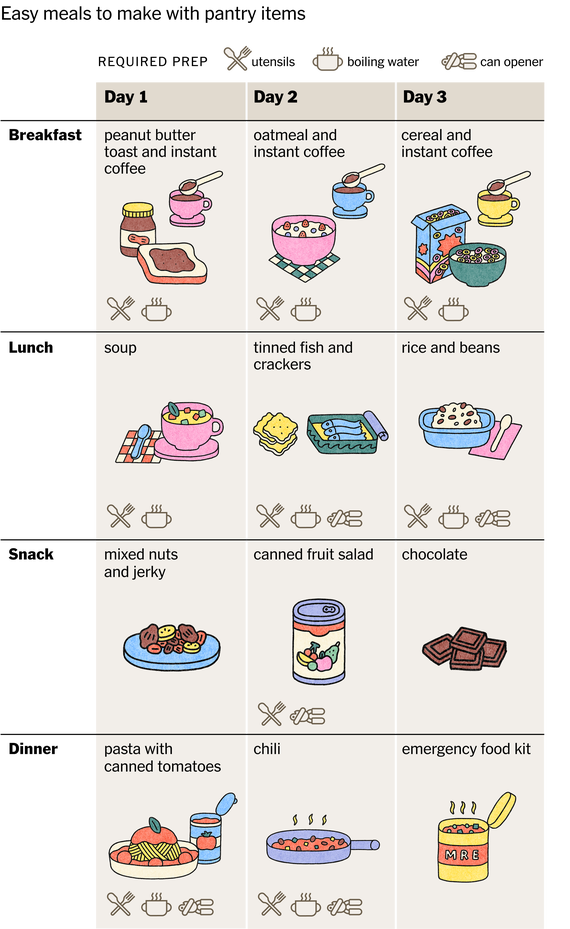
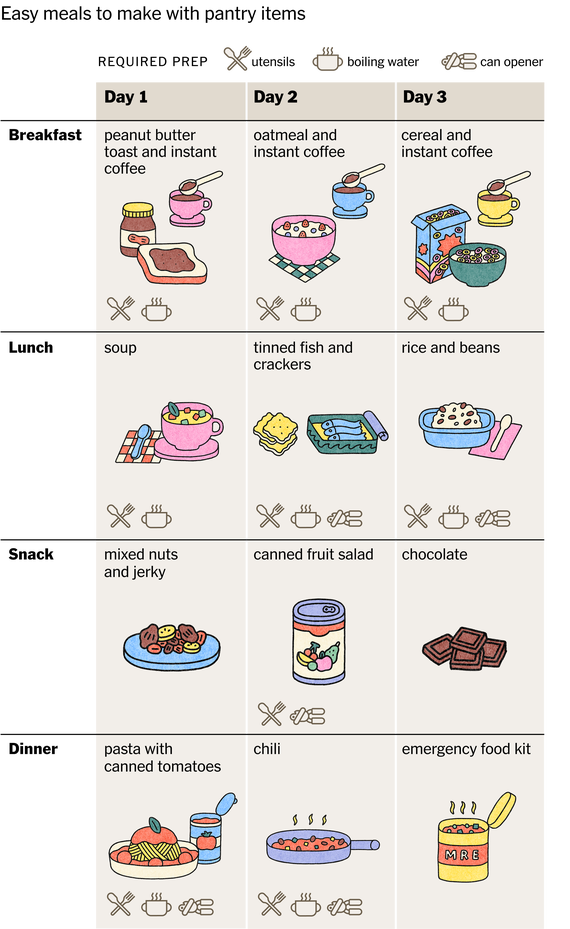
Canned proteins like tuna, chicken, and salmon offer a convenient and long-lasting source of essential nutrients. They require no refrigeration and are ready to eat straight from the can or after minimal heating. Including a variety of canned beans also adds plant-based protein and fiber to your emergency diet.
Think about how a single can of chicken provided a quick meal during my power outage last winter—no fuss, no spoilage worries. Would you rather rely on items that spoil quickly or something you can count on for months?
Dried Grains And Legumes
Dried grains such as rice, oats, and quinoa store well and serve as filling meal bases. Legumes like lentils, chickpeas, and black beans provide protein and fiber, making your meals more balanced. These foods are lightweight and easy to store in airtight containers.
Cooking dried grains and legumes might take more time, but they stretch your food supply effectively. Have you tried soaking lentils overnight to reduce cooking time and improve digestibility? Simple tweaks like this can make a big difference in an emergency.
Powdered Milk And Dairy Alternatives
Powdered milk and dairy alternatives supply calcium, protein, and vitamins without the need for refrigeration. They’re versatile—you can use them in cooking, baking, or simply rehydrate for drinking. Options like powdered almond or soy milk cater to those with lactose intolerance or dairy allergies.
Keep these powders sealed tightly to prevent moisture damage. How often do you think about dairy’s role in your emergency nutrition plan? Having a shelf-stable source can maintain your energy and bone health when fresh milk isn’t an option.
High-energy Snacks
High-energy snacks are essential in an emergency kit. They provide quick fuel and keep energy levels steady. Choosing the right snacks helps you stay alert and strong during stressful times. These snacks are lightweight and have a long shelf life, making them perfect for emergencies.
Nuts And Seeds
Nuts and seeds are packed with protein and healthy fats. They help you feel full longer. Almonds, walnuts, sunflower seeds, and pumpkin seeds are great choices. These snacks are easy to store and do not need refrigeration. A small handful can give you a quick energy boost.
Energy Bars And Trail Mix
Energy bars and trail mix combine several nutritious ingredients. Look for bars with oats, nuts, and dried fruits. Trail mix offers variety and balanced nutrition. It usually contains nuts, seeds, and dried fruits in one mix. These options are convenient and easy to carry anywhere.
Dried Fruits
Dried fruits provide natural sugars for fast energy. They are rich in vitamins and minerals. Common dried fruits include raisins, apricots, and cranberries. They take up little space and last a long time. Dried fruits are a sweet and healthy emergency snack.
Hydration Essentials
Hydration is crucial during emergencies. Keeping your body well-hydrated ensures better health and energy. In an emergency kit, having the right hydration essentials is key. Let’s explore some important components.
Bottled Water Storage
Store enough bottled water for every family member. Aim for at least one gallon per person per day. This amount covers drinking and sanitation needs. Use durable containers that are easy to transport. Check expiration dates regularly. Rotate your water supply every six months to keep it fresh.
Water Purification Methods
Purifying water is essential if your bottled supply runs out. Boiling water kills most germs and is very effective. Use purification tablets for quick and easy treatment. These tablets are lightweight and fit in any kit. Consider a portable water filter. It removes bacteria and improves taste.
Ready-to-eat Meals
Ready-to-eat meals are essential for any emergency kit because they provide quick, nutritious options when cooking isn’t possible. These meals save time and effort, especially during stressful situations. You want foods that require little to no preparation, have a long shelf life, and deliver enough energy to keep you going.
Freeze-dried And Dehydrated Foods
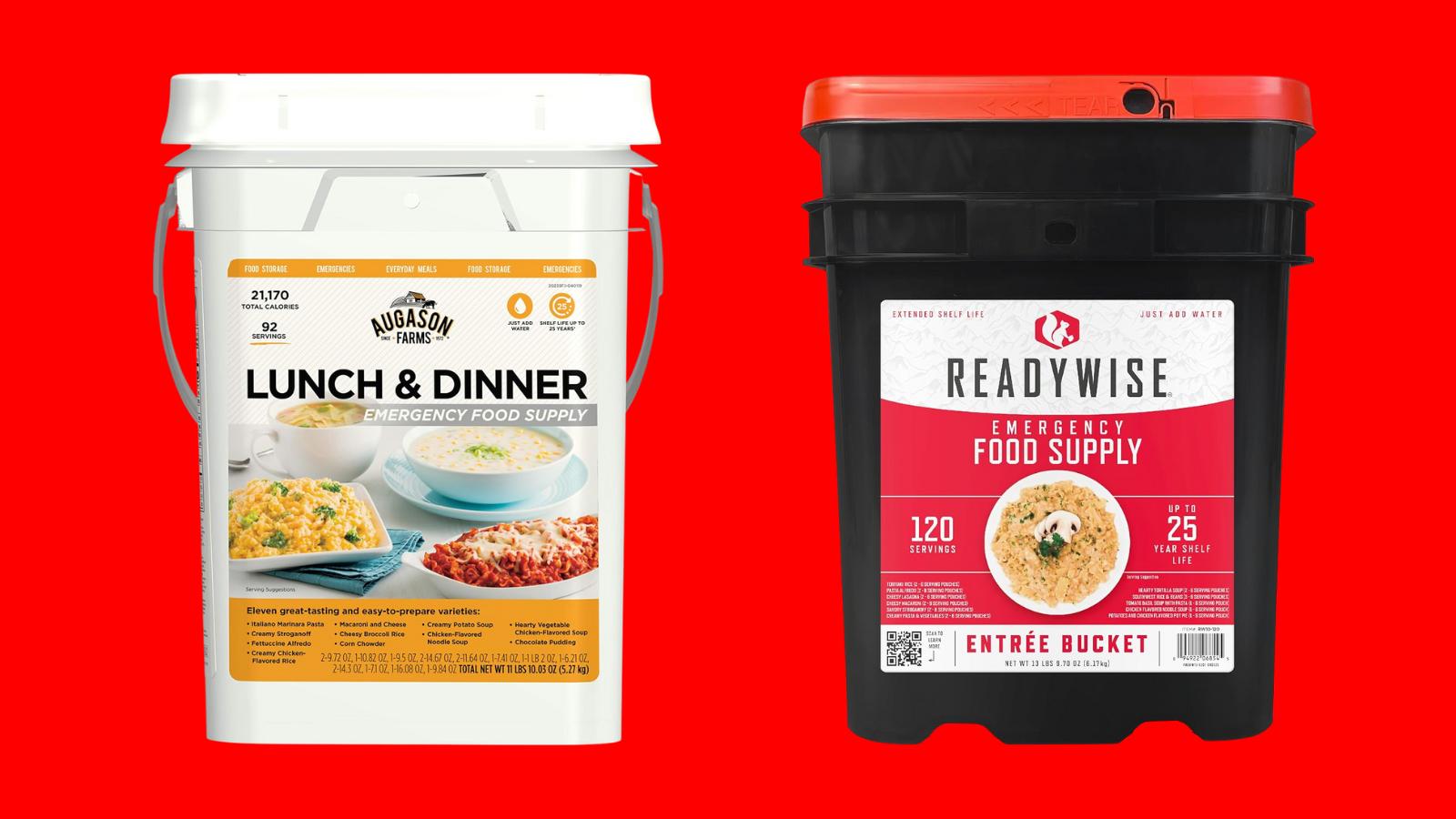
Freeze-dried and dehydrated foods are lightweight and last for years without refrigeration. Removing moisture preserves their nutrients while making them easy to store. You just add water, and in minutes, you have a hot meal ready to eat.
Think about camping meals or backpacking snacks—they often rely on freeze-dried ingredients because they’re compact and convenient. You could pack dried fruits, vegetables, soups, and even full entrees.
Have you ever tried rehydrating your own meals? It’s simple and gives you control over what you eat during an emergency. Plus, these foods take up less space, which is perfect if your kit is limited in size.
Mres (meals Ready To Eat)
MREs are complete meals designed for military use but are perfect for emergency kits. They come sealed in airtight packages and don’t need refrigeration or cooking. Inside, you’ll find entrees, side dishes, desserts, and even utensils.
One of the biggest advantages of MREs is their durability and variety. You can choose from options like beef stew, pasta, or vegetarian meals to match your preferences. Some even include hot sauce or coffee packets to make the meal more enjoyable.
Have you considered how easy it is to eat an MRE on the go? They are great for situations where you can’t stop to cook, ensuring you get enough calories and nutrients to stay energized.
Cooking And Preparation Tools
Cooking and preparation tools are essential parts of any emergency kit. They allow you to prepare hot meals and boil water safely. Having the right tools can make your survival situation much easier and more comfortable.
Portable Stoves And Fuel
Portable stoves provide a reliable way to cook food outdoors or during power outages. Choose compact, lightweight models that fit easily in your kit. Consider stoves that use common fuels such as propane, butane, or solid fuel tablets.
- Look for stoves with easy ignition systems.
- Check fuel shelf life before storing.
- Bring enough fuel for several days of cooking.
- Test your stove before an emergency.
Utensils And Cookware
Basic utensils and cookware are vital for preparing and eating meals. Include items that are durable and multi-functional. Stainless steel or aluminum cookware works well for heat distribution and easy cleaning.
- Carry a small pot or pan for boiling and frying.
- Pack a sturdy spoon, fork, and knife.
- Bring a can opener if your kit has canned foods.
- Consider collapsible or nesting sets to save space.
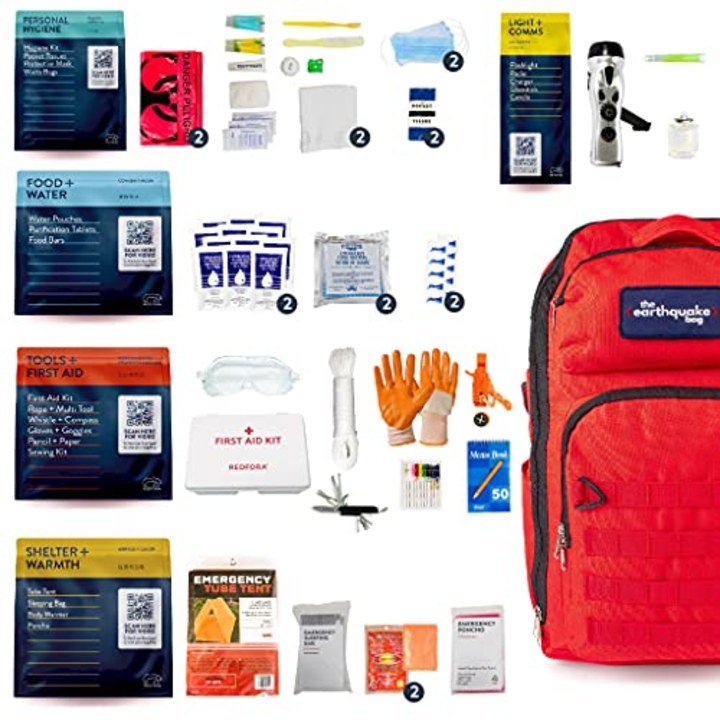
Credit: www.nbcnews.com
Special Dietary Considerations
Special dietary needs require careful planning for an emergency kit. Some people cannot eat common foods due to allergies or dietary choices. Preparing for these needs ensures everyone stays safe and nourished.
Allergy-friendly Options
Food allergies can cause serious health risks. Avoid common allergens like nuts, dairy, gluten, and shellfish. Choose foods labeled “allergen-free” or “safe for allergies.”
- Rice cakes and plain crackers without nuts or dairy
- Canned fruits and vegetables without additives
- Seeds like pumpkin or sunflower as a snack
- Allergy-safe protein bars or powders
- Nut-free but nutrient-rich spreads like sunflower seed butter
Always check labels for hidden allergens. Keep an epinephrine injector nearby if prescribed.
Vegan And Vegetarian Staples
Plant-based diets require protein and nutrients from non-animal sources. Stock foods that last long and provide energy. Include a variety of beans, grains, and seeds.
- Canned beans and lentils for protein
- Whole grain rice, quinoa, and oats
- Dried fruits like apricots and raisins
- Nuts and seeds for healthy fats
- Plant-based protein powders or bars
- Vegetable broth or dehydrated soups
Ensure foods are easy to prepare with limited water and heat sources.
Storage Tips
Proper storage is key to keeping emergency food fresh and safe. Poor storage can spoil food quickly. It also wastes valuable supplies. Organizing your emergency kit helps you find items fast. It also protects food from damage. Simple storage habits extend shelf life and maintain quality.
Packaging And Sealing
Use airtight containers to keep food dry and safe. Plastic bins or glass jars with tight lids work well. Avoid using thin plastic bags alone. They can tear or let air in. Vacuum-sealing food removes air and slows spoilage. Wrap items in moisture-proof packaging to prevent mold. Label each package with the food name and date stored. This makes it easier to track freshness.
Rotation And Shelf Life
Store newer food behind older supplies. Use older items first to avoid waste. Check expiration dates regularly and replace expired goods. Create a simple rotation chart to track dates. Keep a list of all food in your kit. This helps you see what needs replacing. Store food in a cool, dark place away from sunlight. Heat and light speed up spoilage. Keep your emergency kit dry to prevent mold and rust on cans.

Credit: backpackerspantry.com
Frequently Asked Questions
What Are The Best Non-perishable Foods For Emergency Kits?
Non-perishable foods like canned beans, rice, dried fruits, and nuts are ideal. They have a long shelf life and provide essential nutrients during emergencies.
How Much Food Should I Store In An Emergency Kit?
Store at least a three-day supply of food per person. Include calorie-dense, nutritious options to maintain energy and health during emergencies.
Can I Include Fresh Food In An Emergency Kit?
Fresh food is not recommended due to spoilage risks. Focus on shelf-stable items that last longer without refrigeration or special storage.
Are Ready-to-eat Meals Good For Emergency Kits?
Yes, ready-to-eat meals are convenient and require no cooking. They save time and effort when resources like electricity or gas are unavailable.
Conclusion
Choosing the right food for an emergency kit keeps you safe and strong. Focus on items that last long and give good energy. Include canned goods, dry snacks, and ready-to-eat meals. Don’t forget water and easy-to-open packages. Check your kit often and replace expired food.
Being prepared helps you stay calm during tough times. Simple steps can make a big difference in emergencies. Start building your kit today for peace of mind tomorrow.