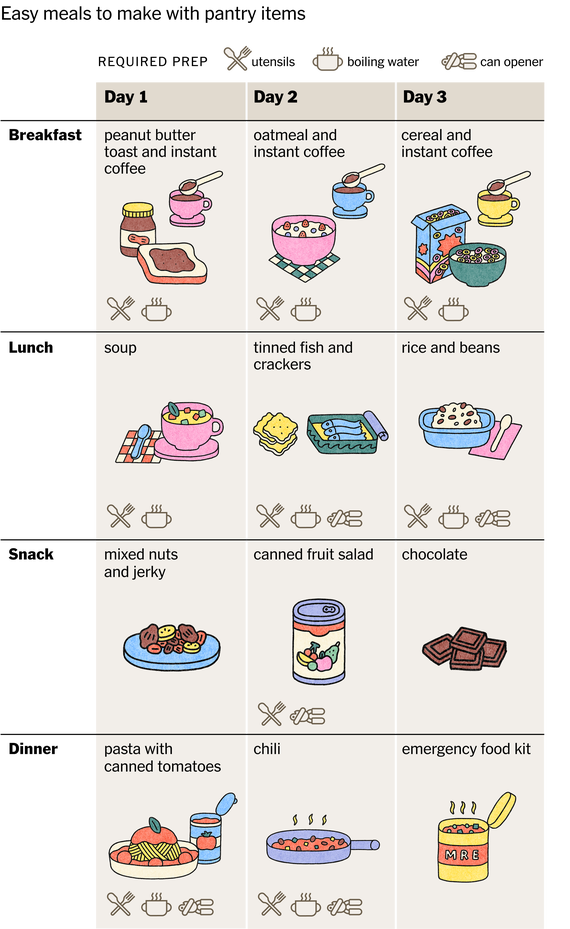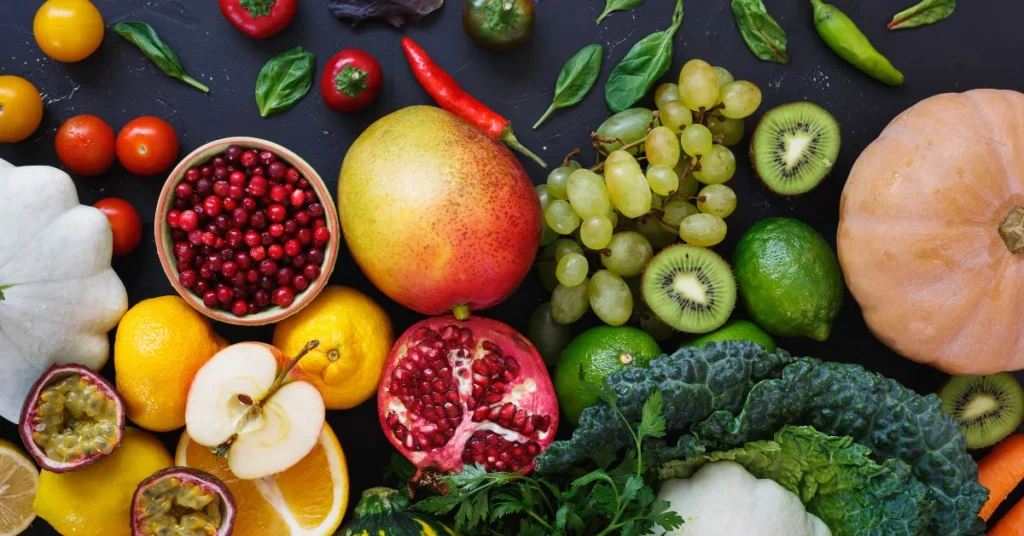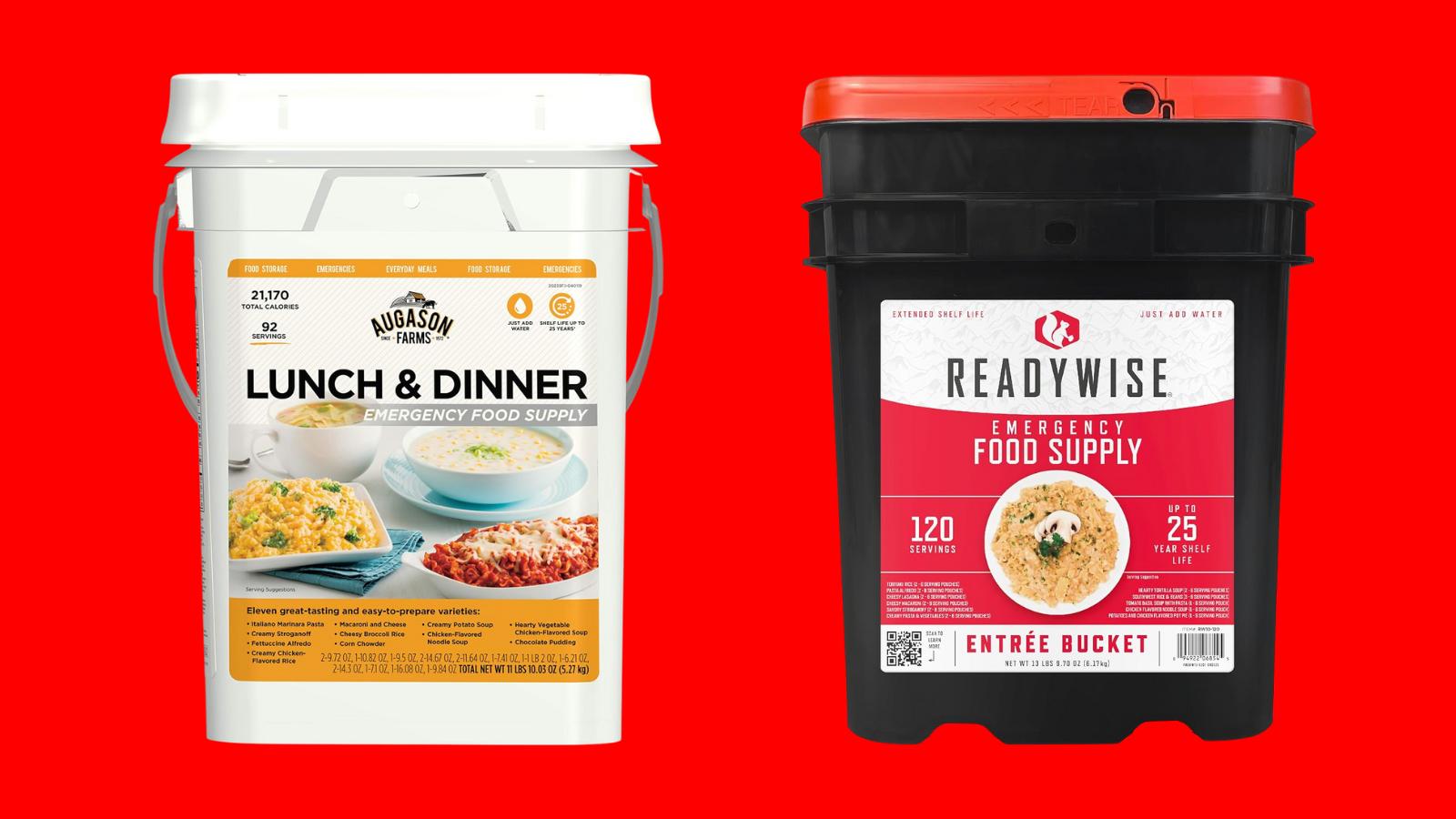
When an emergency strikes, having the right food on hand can make all the difference. You want to be sure that your supplies will keep you safe, healthy, and comfortable.
But what foods should you actually store? Choosing the best options isn’t just about filling your pantry—it’s about picking items that last long, provide good nutrition, and are easy to prepare when you need them most. Keep reading to discover the smart, practical foods you should have ready so you can face any situation with confidence.
Long-lasting Staples
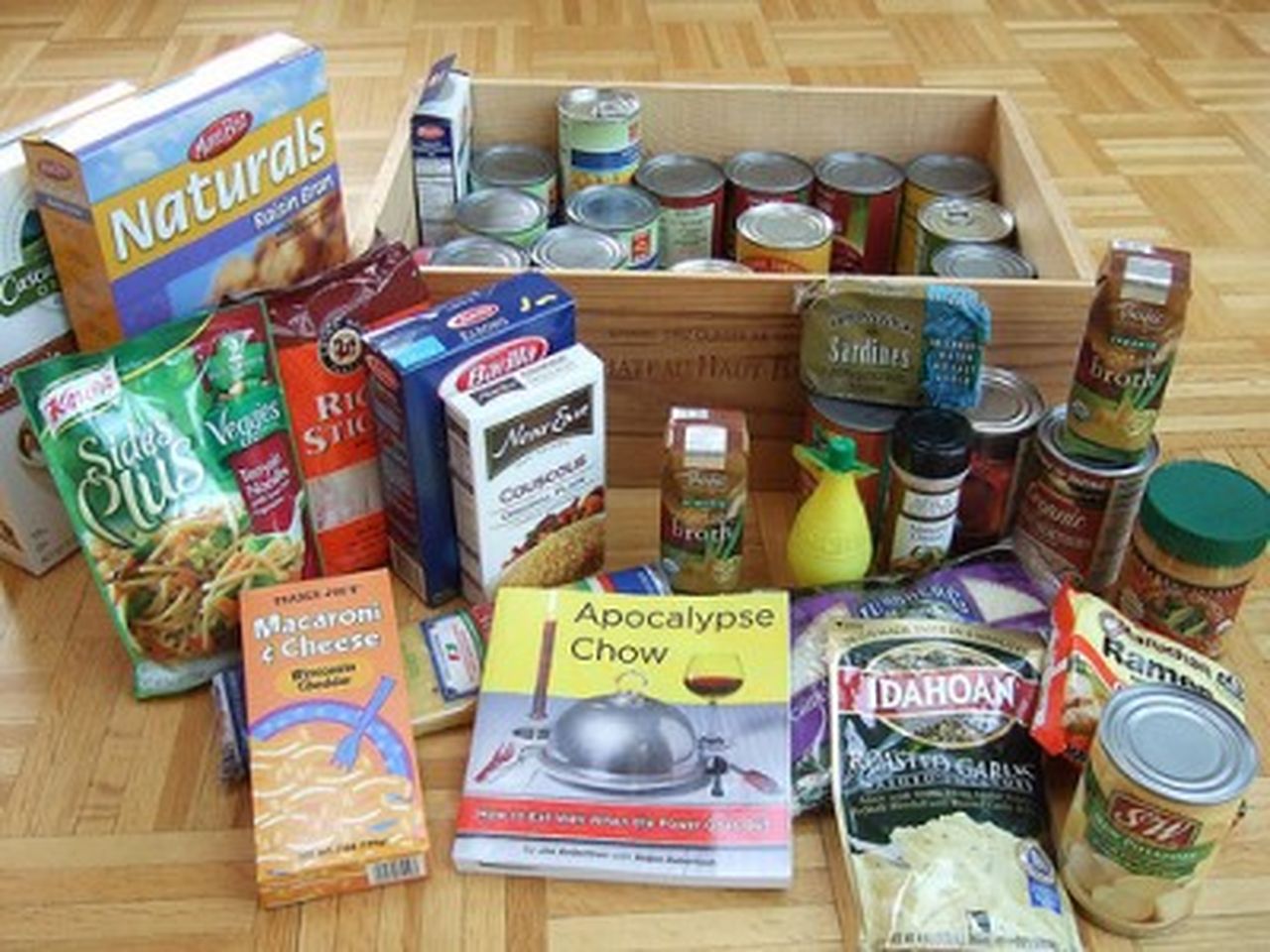
Long-lasting staples form the backbone of any emergency food supply. These foods stay edible for months or even years, giving you peace of mind during uncertain times. Choosing the right staples means you’ll have versatile ingredients that can create many meals without frequent restocking.
Rice And Grains
Rice is a classic emergency food because it stores well and fills you up. White rice lasts longer than brown rice, sometimes up to 30 years if stored properly. Quinoa, barley, and oats are great grains to add variety and nutrients to your stash.
Think about how many dishes you can make with rice—stir-fries, soups, or even simple boiled rice with beans. Have you tried storing rice in airtight containers with oxygen absorbers? It can significantly extend shelf life.
Dried Beans And Lentils
Dried beans and lentils offer excellent protein and fiber, making them essential for emergencies. They have a shelf life of several years when kept dry and cool. Black beans, chickpeas, and red lentils all cook up differently, giving you meal options.
One tip: soak beans overnight before cooking to reduce cooking time and improve digestion. Can you imagine the energy boost a warm bowl of lentil soup would give after a tough day?
Pasta Varieties
Pasta is another staple with a long shelf life, often lasting two years or more. From spaghetti to penne, different shapes hold sauces and flavors in unique ways. Whole wheat pasta adds extra nutrients if you want to keep things healthy.
Keep in mind that pasta cooks quickly, which is helpful when fuel or electricity is limited. What’s your favorite pasta dish that you could make easily with just pantry staples?
Credit: www.smithsonianmag.com
Canned And Jarred Goods
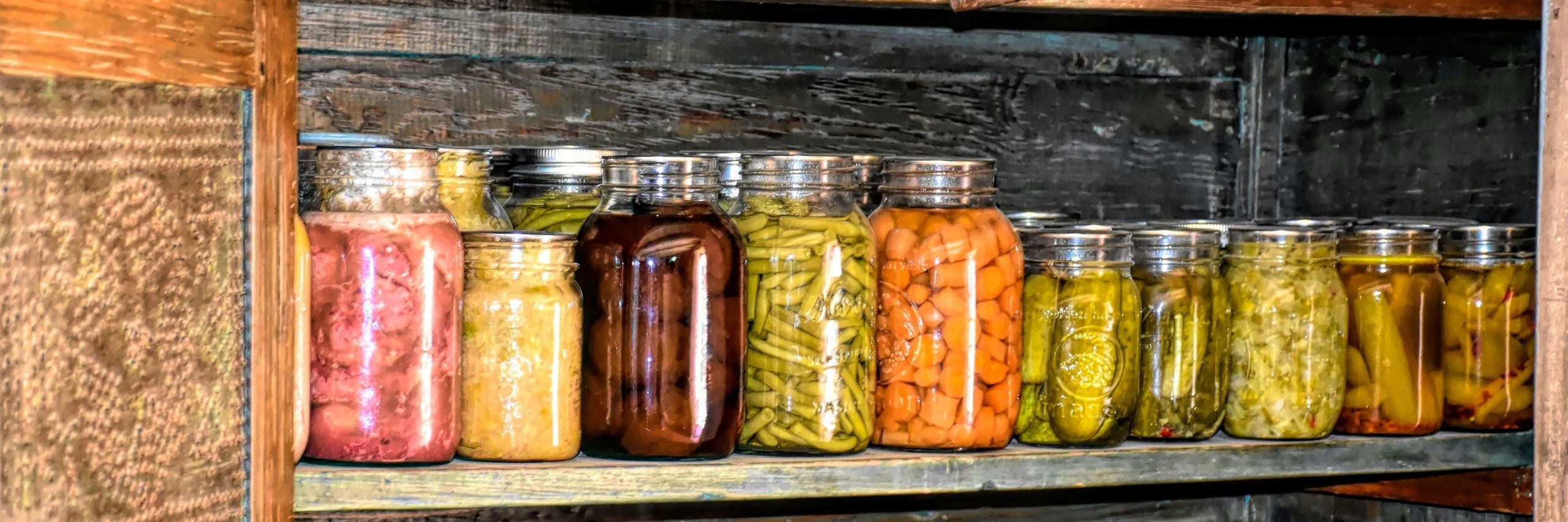
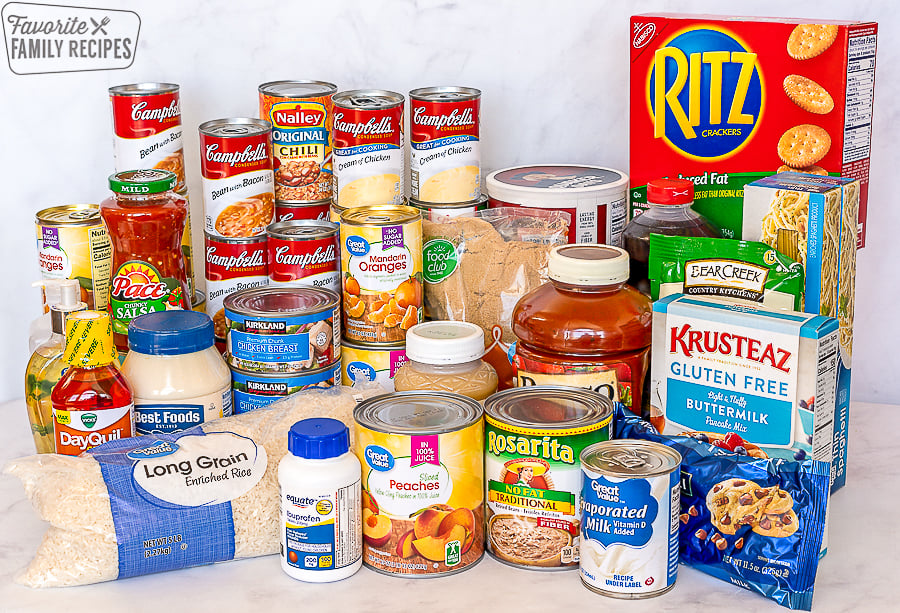
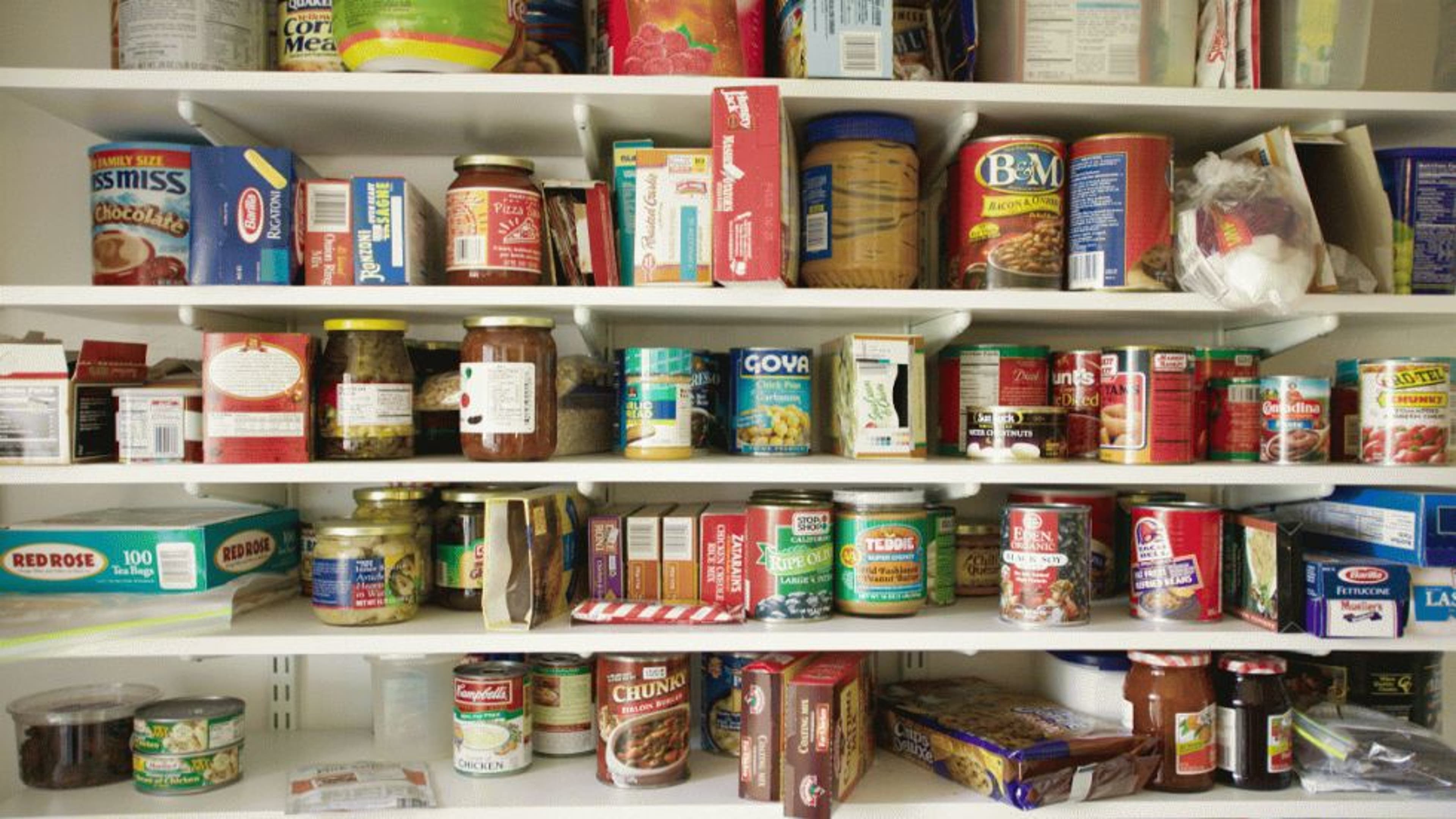
Canned and jarred goods are essential for any emergency food supply. They last a long time and need no refrigeration. Their sealed containers keep food safe from air and bacteria. These foods are easy to store and use during power outages or disasters.
Choosing a variety of canned and jarred foods ensures balanced nutrition. They provide important vitamins, protein, and calories. Their convenience helps reduce stress in emergencies.
Vegetables And Fruits
Canned vegetables and fruits keep well without spoiling. They offer essential nutrients like vitamins A and C. Popular options include:
- Canned corn, green beans, and peas
- Canned tomatoes and pumpkin
- Canned peaches, pineapples, and apples
Choose low-sodium or no-sugar-added varieties for better health. These foods can be eaten directly or cooked into meals.
Meat And Fish
Canned meats and fish provide protein and energy. They are ready to eat and require no cooking. Common choices include:
- Canned chicken and turkey
- Canned tuna and salmon
- Canned ham and corned beef
Look for cans with easy-open lids for convenience. These options help maintain muscle strength during emergencies.
Soups And Stews
Canned soups and stews offer a complete meal in one can. They combine vegetables, meat, and broth for nutrition and comfort. Popular types include:
- Chicken noodle soup
- Beef stew with vegetables
- Vegetable soup with beans
Choose low-sodium options to manage salt intake. Heat and serve for a quick, warm meal anytime.
Shelf-stable Proteins
In emergencies, having shelf-stable proteins is crucial. These foods provide essential nutrients and energy. They last long without refrigeration. Let’s explore some excellent options.
Nut Butters
Nut butters are versatile and nutritious. Peanut, almond, or cashew butter all work well. They are rich in protein and healthy fats. Store them in a cool, dark place. This ensures a longer shelf life. Use them on crackers, bread, or straight from the jar. They offer a quick energy boost.
Powdered Eggs
Powdered eggs are a great source of protein. They require no refrigeration. Mix with water to rehydrate. They work well for baking or cooking. Powdered eggs store easily in sealed containers. They have a long shelf life, making them an ideal emergency food.
Dehydrated Meats
Dehydrated meats like jerky are protein-rich. They are lightweight and compact. Perfect for storage and transport. Choose low-sodium varieties for better health. Store in airtight packages for longer freshness. Enjoy them as a snack or add to meals.
Credit: www.favfamilyrecipes.com
Ready-to-eat Snacks
Ready-to-eat snacks are essential when you need quick energy without the hassle of cooking. They keep well over time and provide a good balance of nutrients to keep you going during emergencies. Having a variety of these snacks can make your emergency food supply both practical and enjoyable.
Trail Mix And Nuts
Trail mix and nuts offer a perfect combination of protein, healthy fats, and carbohydrates. These snacks are lightweight, non-perishable, and easy to portion out. You can customize trail mix by adding dried fruits, chocolate chips, or seeds to keep things interesting and nutritious.
Think about how a handful of almonds or walnuts helped you stay energized on a long hike. That same effect applies during emergencies. Don’t forget to store them in airtight containers to maintain freshness.
Energy Bars
Energy bars are designed to provide a quick boost of calories and nutrients. They come in many flavors and types, from high-protein bars to those rich in fiber and vitamins. Choose bars with simple ingredients and a good balance of carbs and fats to sustain your energy.
Have you ever reached for a candy bar when you felt drained? Energy bars are a healthier, more effective alternative that can fuel your body longer. Keep a stash of your favorites where you can grab them easily.
Crackers And Seeds
Crackers paired with seeds make a crunchy, satisfying snack that stores well. Look for whole-grain crackers for added fiber and nutrients. Sunflower seeds, pumpkin seeds, and flaxseeds provide healthy fats and essential minerals.
These snacks are great for mixing and matching. You might find yourself enjoying a simple snack of crackers topped with a handful of seeds, which can keep you feeling full and focused. What’s your go-to snack to keep hunger at bay?
Beverages And Hydration
Keeping hydrated is one of the most critical parts of preparing for an emergency. Without proper fluids, your body can’t function well, and dehydration can set in quickly. Choosing the right beverages to store ensures you stay healthy and alert when normal water supplies might not be available.
Water Storage Tips
Water should be your top priority when planning emergency supplies. Store at least one gallon of water per person per day, aiming for a minimum three-day supply.
Use food-grade containers and keep them in a cool, dark place to maintain quality. Avoid containers that previously held milk or juice, as they can harbor bacteria.
Rotate your water every six months and consider adding water purification tablets to your kit. Have a backup plan like water filters or boiling methods ready in case stored water runs out.
Electrolyte Drinks
Electrolytes like sodium, potassium, and magnesium help your body retain fluids and keep muscles working properly. Sports drinks and electrolyte powders are great to have on hand for emergencies.
Choose low-sugar options or powders you can add to water, as sugar can sometimes worsen dehydration. You might also try making your own simple electrolyte drink by mixing water, salt, and a splash of juice.
These drinks can make a big difference if you’re sweating a lot or feeling weak, but don’t rely on them alone—always pair with plenty of plain water.
Powdered Milk And Alternatives
Powdered milk offers a long shelf life and provides essential nutrients like calcium and protein. It’s convenient when fresh milk isn’t available and can be used in cooking or as a drink.
If you’re lactose intolerant or prefer plant-based options, powdered soy, almond, or oat milk can be good alternatives. Make sure to store them in airtight containers away from heat and moisture.
Try mixing powdered milk with your stored water for an easy way to boost calories and nutrients during emergencies. Have you tested how these alternatives taste when rehydrated? It’s a good idea to practice before you need them.
Essential Cooking Supplies
Essential cooking supplies are the backbone of any emergency food storage plan. Without these basics, even the most abundant food stash can become bland and unappealing. Think about how much salt or oil you use daily—these small ingredients make a big difference in taste and nutrition.
Salt And Spices
Salt is not just a flavor enhancer; it’s vital for preserving food and maintaining electrolyte balance in your body. Store a variety of salts like iodized, sea salt, and kosher salt to cover different uses. Alongside salt, pack essential spices such as black pepper, garlic powder, and paprika to keep your meals interesting.
Have you ever eaten a bland meal and wished for just a pinch of seasoning? That’s why spices matter—they transform simple ingredients into satisfying dishes, even in emergencies.
Cooking Oils
Cooking oils provide necessary fats and help with cooking techniques like sautéing and frying. Choose oils with long shelf lives such as coconut oil, olive oil, and vegetable oil. Keep them sealed tightly and stored in a cool, dark place to prevent spoilage.
Think about the last time you cooked without oil—foods often stick and lose flavor. Having the right oils can make your emergency meals more palatable and nutritious.
Sugar And Sweeteners
Sugar isn’t just for desserts; it balances flavors and can even act as a preservative. Store white sugar, brown sugar, and natural sweeteners like honey or maple syrup. Honey, in particular, lasts indefinitely and adds a unique flavor and health benefits.
Next time you prepare a meal, ask yourself if a touch of sweetness could enhance the taste. Sweeteners can turn basic ingredients into comforting, enjoyable food during tough times.
Special Dietary Needs
Special dietary needs require careful planning when storing food for emergencies. You want to ensure your supplies are safe, nutritious, and enjoyable to eat. Paying attention to allergies, dietary restrictions, and lifestyle choices will make your emergency food stash truly reliable.
Gluten-free Options
If you or someone in your household avoids gluten, stocking gluten-free foods is essential. Look for rice, quinoa, and certified gluten-free oats as great staple grains. Gluten-free pasta and canned beans also store well and provide variety.
Don’t forget snacks like nuts, seeds, and gluten-free granola bars. These items keep hunger at bay and maintain energy during stressful times. Have you checked the labels recently? Cross-contamination can sneak into unexpected foods.
Vegan And Vegetarian Picks
Plant-based diets need extra attention to protein and nutrient sources. Canned lentils, chickpeas, and black beans are excellent for protein and fiber. Dried fruits, nuts, and seeds add healthy fats and essential vitamins.
Consider shelf-stable plant milks like almond or soy milk. They offer calcium and vitamin D without refrigeration. Have you tried powdered nutritional yeast? It’s a tasty way to boost B vitamins and add flavor.
Allergy-friendly Foods
Allergies can turn a simple meal into a risk. Store allergen-free staples such as rice, potatoes, fresh vegetables, and fruits in sealed containers. Choose canned meats or fish if allergies permit, making sure they’re free from common allergens like soy or dairy.
Keep snacks like apple chips or plain popcorn handy for safe munching. Always double-check ingredient lists to avoid hidden allergens. How confident are you in your current emergency food choices?
Credit: weather.com
Storage And Rotation Tips
Proper storage and rotation keep emergency foods safe and fresh. Foods must be stored in the right containers. Rotating food ensures older items get used first. This reduces waste and keeps your supplies ready. Follow simple tips to manage your stock efficiently.
Packaging Choices
Choose airtight containers to prevent moisture and pests. Use glass jars, vacuum-sealed bags, or plastic bins with tight lids. Avoid thin plastic bags that tear easily. Label packages with purchase or packing dates. Clear containers help identify contents quickly.
Shelf Life Management
Know the shelf life of each food item. Store foods with similar expiration dates together. Use the “first in, first out” rule to rotate stock. Check supplies regularly for expired or damaged items. Replace used or expired foods promptly.
Maintaining Food Quality
Store foods in cool, dark, and dry places. Avoid heat, light, and humidity that spoil food faster. Keep storage areas clean and pest-free. Inspect packages for damage or leaks often. Proper sealing preserves taste and nutrition longer.
Frequently Asked Questions
What Are The Best Emergency Food Storage Options?
The best emergency foods are non-perishable, nutrient-dense, and easy to prepare. Examples include canned beans, rice, dried fruits, nuts, and freeze-dried meals. These foods have long shelf lives and provide essential energy and nutrients during emergencies.
How Long Can Emergency Food Last Safely?
Emergency foods can last from months to years, depending on storage and type. Canned goods often last 1-5 years, while freeze-dried foods can last 25 years or more. Proper storage in a cool, dry place extends their shelf life.
Which Foods Provide The Most Energy In Emergencies?
High-calorie foods like nuts, peanut butter, granola bars, and dried fruits provide quick energy. Carbohydrates and fats are vital for maintaining energy levels during emergencies. These foods are lightweight and easy to store.
Can I Store Fresh Food For Emergencies?
Fresh foods spoil quickly and aren’t ideal for long-term storage. Instead, store canned, dried, or freeze-dried alternatives that retain nutrients and taste. Always rotate your stock to maintain freshness and safety.
Conclusion
Good foods to store for an emergency keep you safe and healthy. Choose items that last long and provide energy. Think about canned goods, grains, nuts, and dried fruits. Water is just as important as food. Store enough for several days or weeks.
Rotate your supplies often to keep them fresh. Preparing now means less stress later. Stay ready, stay safe, and take care of your family. Planning your emergency food can make a big difference. Simple steps today protect you tomorrow.