
Have you ever wondered if the virus that makes you sick can stick around on your clothes? You touch your jacket, put on your favorite shirt, or grab your backpack—all things that might carry hidden germs without you even knowing.
Understanding whether viruses can survive on your clothes is key to keeping yourself and your loved ones safe. You’ll discover the surprising truth about viruses on fabric and simple steps you can take to protect yourself every day. Keep reading—your health could depend on it.
Credit: health.clevelandclinic.org
Virus Lifespan On Fabrics
Understanding how long viruses can survive on fabrics is crucial for keeping your clothes and living spaces safe. Different viruses behave differently, and the type of fabric also plays a big role in how long they remain infectious. Knowing these details can help you make better decisions about washing, handling, and storing your clothes.
Factors Affecting Virus Survival On Fabrics
Viruses do not live forever on fabrics. Their lifespan depends on several factors like fabric type, temperature, and humidity.
- Fabric Type:Smooth synthetic fabrics often hold viruses longer than porous natural fabrics like cotton.
- Temperature:Higher temperatures usually reduce virus survival time.
- Humidity:Some viruses last longer in dry conditions, while others prefer moisture.
Have you noticed how your cotton t-shirts feel fresher faster than synthetic workout clothes? This difference partly relates to how viruses and bacteria behave on these materials.
Typical Virus Lifespan On Common Fabrics
| Virus Type | Cotton | Polyester | Blends |
|---|---|---|---|
| Influenza | 8-12 hours | 24-48 hours | 12-24 hours |
| Coronavirus (e.g., COVID-19) | 6-12 hours | 24-72 hours | 12-36 hours |
| Rhinovirus (common cold) | 4-8 hours | 12-24 hours | 8-16 hours |
Seeing these numbers, you might wonder if your clothes could be a hidden source of infection. It’s a good idea to wash clothes regularly, especially after being in public places.
Practical Tips To Reduce Virus Survival On Clothes
You can take simple steps to lower the risk of virus transmission through fabrics.
- Wash clothes in hot water whenever possible.
- Use a detergent that is effective against viruses.
- Dry clothes thoroughly under the sun or in a dryer, since heat kills viruses faster.
- Avoid shaking dirty laundry to reduce airborne particles.
Have you tried adding an extra rinse cycle or using disinfectant laundry additives? Small changes like these make a big difference in reducing virus survival on your fabrics.
Factors Influencing Virus Survival
Viruses do not survive equally on all fabrics or in all places. Several factors decide how long viruses stay active on clothes. Understanding these factors helps in reducing infection risks and maintaining hygiene.
Material Type
Different fabrics affect virus survival differently. Smooth, non-porous materials like polyester hold viruses longer. Rough, porous fabrics such as cotton absorb moisture and can reduce virus lifespan. Natural fibers often trap viruses more than synthetic ones. The structure of the fabric plays a key role in virus persistence.
Environmental Conditions
Temperature and humidity greatly influence virus survival on fabrics. Viruses last longer in cool, dry environments. Warm and humid conditions tend to reduce virus lifespan. Sunlight, especially ultraviolet rays, can destroy viruses quickly. Airflow and cleanliness also impact how long viruses remain infectious.
Virus Type
Not all viruses behave the same on clothes. Some viruses, like the flu virus, survive for hours on fabrics. Others, like coronaviruses, may survive from a few hours up to several days. The virus’s structure, including whether it has an outer envelope, affects its durability on surfaces. This variation changes the risk level on different materials.
Comparing Surfaces: Fabrics Vs. Others
Understanding how long viruses survive on different surfaces can help you make smarter choices about cleaning and handling items around your home. Fabrics, like clothes and upholstery, behave differently compared to hard surfaces such as metal or plastic. Knowing these differences can change how you approach laundry and disinfection routines.
Virus Survival On Fabrics
Viruses tend to survive for shorter periods on fabrics. The porous nature of fabrics absorbs moisture, which can reduce the virus’s ability to stay active. For example, a study showed that some viruses lose their strength within hours on cotton compared to days on non-porous surfaces.
Think about your favorite hoodie—if you wear it multiple times without washing, could it carry viruses? While the risk is lower than on hard surfaces, it’s still wise to wash clothes regularly, especially after exposure to crowded places.
Virus Survival On Hard Surfaces
Hard surfaces like stainless steel, plastic, and glass often allow viruses to live longer. These smooth surfaces don’t absorb moisture, which helps viruses remain infectious for days. This explains why high-touch areas like doorknobs and phones need frequent disinfection.
Imagine touching a metal railing on your commute and then touching your face. This scenario highlights why surface cleaning is crucial in preventing virus spread. Hard surfaces can hold onto viruses much longer, so your cleaning habits should reflect that.
Factors Affecting Virus Longevity On Surfaces
- Material type:Porous fabrics vs. non-porous hard surfaces
- Humidity:Moist environments can either help or hinder virus survival depending on the surface
- Temperature:Higher temperatures usually reduce virus longevity
- Exposure to sunlight:UV rays can quickly deactivate viruses on exposed surfaces
Knowing these factors lets you decide when and how to clean your belongings. Have you noticed how your phone case feels different from your sweater? That difference matters when fighting viruses.
Credit: www.consumerreports.org
Transmission Risks From Clothing
Viruses can stick to clothing fibers and pose a risk of spreading infections. Clothing acts as a surface where viruses may survive for hours or days. This creates a chance for viruses to transfer from clothes to hands or other surfaces. Understanding these transmission risks helps reduce infection chances.
How Viruses Transfer From Clothes To People
Viruses on clothes can move to hands by touching the fabric. Hands then carry viruses to the face, mouth, or eyes. This contact allows viruses to enter the body and cause illness. Touching contaminated clothes often, especially without washing hands, raises infection risk.
Factors Affecting Virus Survival On Fabrics
- Type of fabric: Smooth fabrics like polyester hold viruses longer than cotton.
- Humidity: Viruses survive longer on damp clothes than dry ones.
- Temperature: Higher temperatures reduce virus survival time on fabrics.
- Virus type: Some viruses resist drying and heat better than others.
Common Scenarios Of Virus Transmission Via Clothing
- Healthcare workers’ uniforms contact many germs during shifts.
- Shared clothes or towels spread viruses among family members.
- Public places with close contact increase transfer risk from clothing.
- Outdoor activities with contaminated surfaces can bring viruses to clothes.
Effective Cleaning Methods
Effective cleaning methods play a crucial role in reducing the risk of viruses lingering on your clothes. Understanding how to properly wash, disinfect, and treat fabrics can make a big difference in keeping your garments safe. Let’s break down these techniques so you can protect yourself and your loved ones with confidence.
Washing Techniques
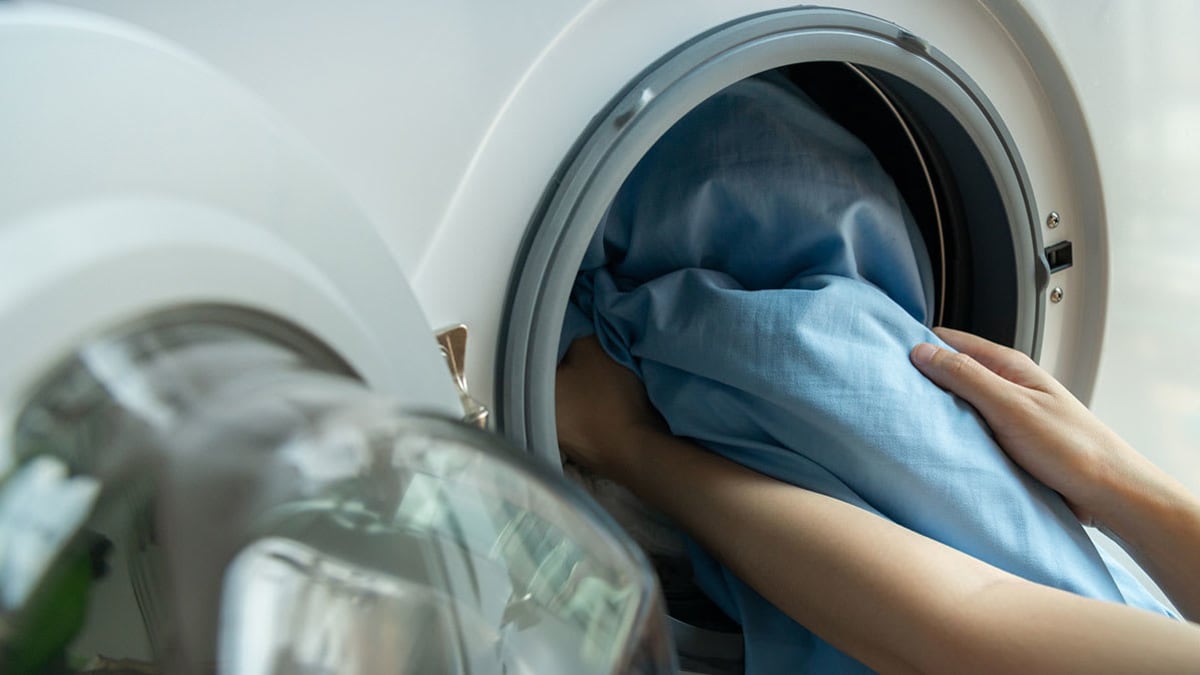
Using the right washing techniques is key to removing viruses from your clothes. Hot water, ideally above 60°C (140°F), helps to kill many types of viruses. Pair this with a good detergent, as it breaks down the virus’s outer layer, making it easier to wash away.
Don’t overload your washing machine. Clothes need room to move so the detergent and water can work effectively. Also, consider washing contaminated clothes separately to avoid cross-contamination.
Use Of Disinfectants
Adding disinfectants to your laundry can boost your cleaning power. Products containing bleach or hydrogen peroxide are effective options. Just be sure to check the fabric care labels to avoid damage.
For delicate items, you can use disinfectant sprays designed for fabrics after washing. Have you ever tried spraying your jackets or shoes? It’s a handy way to target hard-to-wash items.
Heat Treatment
Heat is a powerful tool against viruses on clothing. Tumble drying clothes on high heat for at least 20 minutes can help kill viruses left after washing. Ironing garments, especially around seams and collars, adds another layer of protection.
Have you noticed how some fabrics hold heat better? Thicker materials like denim may require longer drying times to ensure the virus is fully inactivated. Paying attention to these details can improve your cleaning routine significantly.
Protective Measures For Daily Life
Protecting yourself and your family from viruses on clothes requires simple, everyday actions. These steps reduce the chances of virus transmission and keep your living space healthier. Small changes in how you handle laundry and choose fabrics can make a big difference.
Handling Laundry Safely
Always wash clothes in the warmest water safe for the fabric. Hot water kills many viruses effectively, so check your clothing labels and adjust settings accordingly.
Keep used laundry separate from clean clothes to avoid cross-contamination. Use gloves if you suspect clothes might be contaminated and wash your hands immediately after handling laundry.
Dry clothes thoroughly, as viruses struggle to survive on dry surfaces. Using a high heat setting in the dryer or hanging clothes under direct sunlight can help reduce viral presence.
Choosing Protective Fabrics
Some fabrics are better at resisting viruses than others. Tightly woven materials like cotton and polyester blend fabrics provide a barrier that limits virus particles from sticking.
Consider fabrics treated with antimicrobial finishes if you want extra protection. These can reduce the lifespan of viruses on your clothes, giving you peace of mind.
Think about your daily activities and choose your clothes accordingly. If you spend time in crowded places or public transport, wearing fabrics that are easy to wash and dry quickly can keep you safer.
Myths And Misconceptions
Viruses on clothes have sparked many rumors and fears. Some of these beliefs are based on misunderstandings rather than facts. Clearing up these myths helps you take the right precautions without unnecessary worry.
Viruses Can Live On Clothes For Days
Many believe viruses can stay active on fabric for several days. While some viruses do survive briefly, most lose their ability to infect quickly on porous surfaces like clothes. The fibers absorb moisture and trap virus particles, reducing their lifespan.
Have you ever noticed how your clothes feel dry even after being outdoors? That dryness makes it harder for viruses to stay alive. So, the risk of catching a virus from clothes after a day or two is quite low.
Washing Clothes With Cold Water Doesn’t Remove Viruses
Some people think cold water washing is ineffective against viruses. However, the key to disinfecting clothes is using detergent and proper washing cycles, not just water temperature. Detergents break down the protective layer around viruses, neutralizing them.
I once skipped hot water washing for a delicate garment and still felt safe because I used a strong detergent and dried it thoroughly. This shows temperature alone doesn’t determine cleanliness.
Clothes Can Be A Major Source Of Virus Transmission
There’s a fear that clothes are a top way viruses spread. In reality, direct contact and airborne droplets play a much bigger role. Clothes might pick up virus particles, but touching contaminated surfaces or breathing infected air is more likely to infect you.
Think about how often you touch your face compared to your clothes. Your hands and face are usually the main routes for viruses to enter your body, not your jacket or pants.
Using Disinfectants On Clothes Is Always Necessary
Many believe you must spray disinfectants on clothes after every outing. This can damage fabrics and isn’t usually needed. Regular washing and drying in sunlight or a dryer are effective enough for everyday protection.
Ask yourself if you have touched anything highly contaminated before handling your clothes. If not, extra disinfecting steps may be overkill.

Credit: resources.hygienehub.info
Frequently Asked Questions
Can Viruses Live On Clothes For Days?
Yes, viruses can survive on clothes for hours to days. The exact time depends on virus type and fabric material. Porous fabrics tend to hold viruses for shorter periods than smooth surfaces.
How Do Viruses Spread Through Clothing?
Viruses spread through clothing when contaminated fabric touches your hands or face. Indirect contact, like touching shared clothes, also increases infection risk. Proper hygiene reduces this spread.
What Fabrics Hold Viruses Longer?
Synthetic fabrics like polyester and nylon may hold viruses longer than cotton. Non-porous materials trap viruses on the surface, extending their survival time. Natural fibers often absorb and reduce virus viability.
How Can I Disinfect Clothes From Viruses?
Wash clothes in hot water with detergent to kill viruses effectively. Use bleach for whites or disinfectants safe for fabrics. Drying clothes on high heat also helps eliminate viruses.
Conclusion
Viruses can live on clothes for some time, but they do not last forever. Washing clothes with soap and water helps remove germs effectively. Drying clothes in the sun or using a dryer also kills many viruses. Handling clothes carefully reduces the chance of spreading viruses.
Staying clean and washing hands often keeps you safer. Small steps make a big difference in stopping viruses. Stay aware and keep your clothes clean to protect yourself and others. Simple habits can help you stay healthy every day.


