Have you ever stopped to wonder if the coronavirus can live on your clothes? It’s a question many of us ask, especially when we’re out and about or returning home after a busy day.
Knowing the truth can help you protect yourself and your loved ones better. You’ll discover how long the virus can survive on different fabrics and what simple steps you can take to keep your clothes—and yourself—safe. Keep reading to clear up the confusion and feel more in control of your health.
Credit: www.goodrx.com
Virus Survival On Different Surfaces
Understanding how the coronavirus survives on different surfaces helps reduce risks. The virus does not live the same time on every material. Some surfaces keep the virus active longer than others. This affects how careful people need to be with touching and cleaning items.
Hard Vs Soft Surfaces
Hard surfaces like metal, glass, and plastic allow the virus to survive longer. The virus can stay active on these surfaces for up to several days. Soft surfaces such as clothes, paper, and fabric usually hold the virus for less time. The virus tends to dry out and die quicker on soft materials.
On clothes, the virus rarely lives more than a day. Washing clothes with detergent removes the virus effectively. Hard surfaces need more frequent cleaning to stay safe.
Factors Affecting Longevity
- Temperature:Higher temperatures reduce virus survival time.
- Humidity:Dry air helps the virus die faster.
- Surface type:Smooth, non-porous surfaces keep the virus longer.
- Exposure to sunlight:UV light breaks down the virus quickly.
- Cleaning:Proper cleaning removes or kills the virus.
Understanding these factors guides safe habits. Regular cleaning and good hygiene lower infection risks. Handling clothes and surfaces carefully prevents virus spread.
Corona Virus And Fabric Types
Understanding how the coronavirus interacts with different fabric types can help you make smarter choices about your clothing and laundry habits. Not all fabrics hold the virus equally, and knowing which ones allow the virus to survive longer can protect you and your family. Let’s look at how the virus behaves on various materials you encounter daily.
Cotton And Natural Fibers
Cotton and other natural fibers like wool and linen tend to absorb moisture quickly. This characteristic can actually reduce the survival time of the coronavirus on these fabrics. The virus struggles to stay active in porous, breathable materials because they dry faster, making it harder for the virus to linger.
From my own experience, washing cotton clothes in warm water and drying them thoroughly has always been effective in minimizing any risk. You might wonder, does that mean you should avoid synthetic clothes? Not necessarily—different materials behave differently, and understanding these differences is key.
Synthetic Materials
Synthetic fabrics such as polyester, nylon, and acrylic are less absorbent and tend to hold moisture on the surface longer. This allows the coronavirus to survive for a longer period compared to natural fibers. The smooth texture of synthetics means the virus can stay on the fabric longer, potentially increasing the risk of transmission.
It’s important to wash synthetic clothes with hot water and use a good detergent to break down any viral particles. Have you noticed how some workout clothes feel less breathable? That’s because they are usually made from synthetics, which might require extra care during cleaning to keep you safe.
Transmission Risks Via Clothing
Clothing can act as a surface where the coronavirus might land and survive for a short time. Understanding the risks of transmission through clothes helps you make smarter choices in daily life. It’s not just about the virus itself but how you handle your clothes after being in public spaces or around others.
Common Scenarios
Think about situations where your clothes come into contact with potentially contaminated surfaces or people. For example, touching your jacket after a crowded commute or sitting on a shared chair in a waiting room. These moments can transfer virus particles to your clothing.
Another common scenario is handling laundry that belongs to someone who is sick. If you don’t wash these clothes properly, you might risk passing the virus to yourself or others. Have you ever thought about how often you touch your clothes without washing your hands afterward?
Preventive Measures
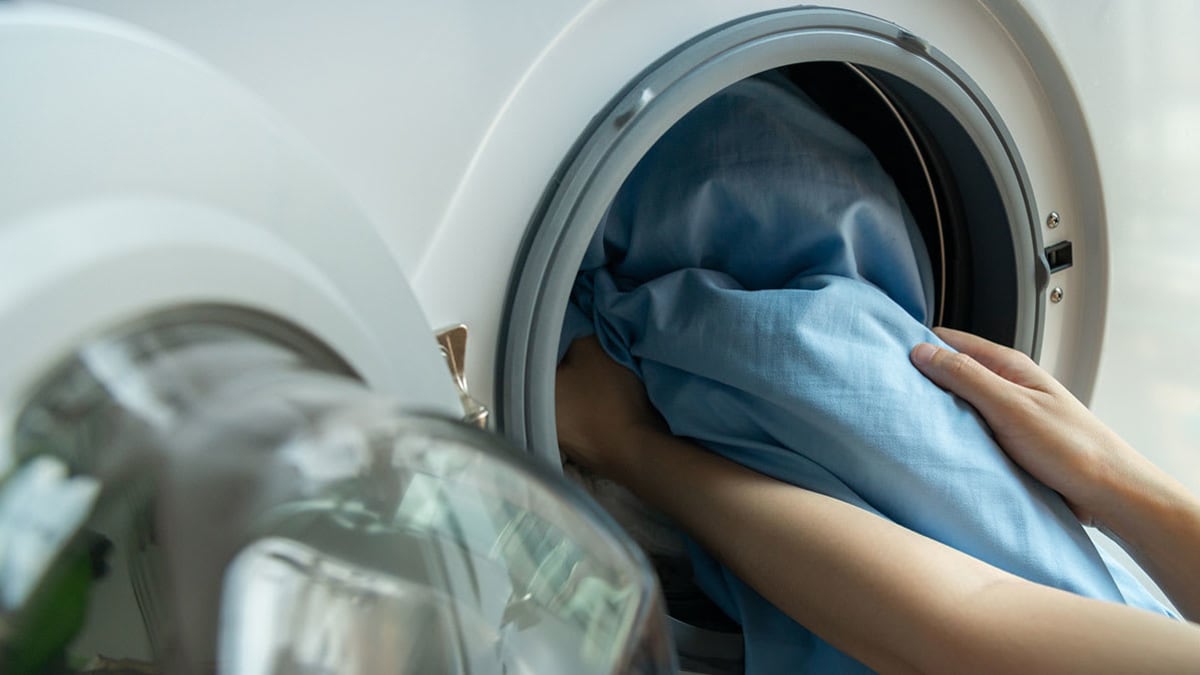
Washing your clothes regularly with detergent and warm water is a simple but powerful way to reduce risk. Use the warmest water safe for the fabric and dry clothes completely. Heat helps kill the virus more effectively.
When you come home, remove outerwear like jackets and shoes at the door to limit spreading germs indoors. Avoid shaking dirty laundry to prevent airborne particles. Also, wash your hands right after handling clothes that might be contaminated.
- Use gloves if you’re handling laundry from someone who is sick.
- Disinfect laundry baskets and areas where you fold clothes.
- Consider changing clothes immediately after being in crowded places.
Are you paying enough attention to these small but important habits? Your clothing can carry risks, but simple actions can keep you safer every day.
Cleaning Methods For Clothes
Keeping your clothes clean is essential to reduce the risk of coronavirus lingering on fabric surfaces. Understanding the best cleaning methods can help you protect yourself and your family effectively. Let’s look at what really works to remove the virus from your clothes.
Effective Detergents
Not all detergents are created equal when it comes to fighting viruses. Choose detergents with strong cleaning agents that break down the virus’s outer layer, making it inactive.
Look for products labeled as antiviral or antibacterial. Even regular laundry detergent can be effective if used correctly, so don’t underestimate the power of a good soap.
Have you ever noticed how your hands feel cleaner after washing with soap? That same principle applies to your clothes—soap molecules disrupt the virus’s structure, helping wash it away.
Temperature And Drying
Heat plays a big role in killing viruses on fabrics. Washing your clothes at higher temperatures—ideally above 60°C (140°F)—can significantly reduce viral particles.
If your fabrics allow, use the hottest water safe for the material. After washing, drying clothes thoroughly in a hot dryer or under direct sunlight helps eliminate any remaining virus.
Consider this: do you air-dry or tumble-dry your clothes? Switching to a heated drying method during the pandemic can give you extra peace of mind.
Expert Opinions And Research
Experts and researchers have studied how long the coronavirus lives on different surfaces. Clothes are one of the common surfaces people worry about. Understanding the virus’s survival on fabrics helps guide safe cleaning and handling.
Research shows the virus does not last long on porous materials like clothes. The fibers absorb moisture, which reduces virus survival. Still, the exact time the virus stays active depends on many factors.
Studies On Virus Survival On Fabric
Scientists tested various fabrics for virus presence over time. They found the virus can survive from a few hours up to two days. The survival time depends on the type of cloth and environmental conditions.
Factors Affecting Virus Longevity On Clothes
- Fabric type: Natural fibers reduce virus life faster than synthetic ones.
- Humidity: Higher moisture speeds virus decay.
- Temperature: Warmer temperatures lower virus survival time.
- Exposure to sunlight: UV light kills the virus quickly.
Expert Advice On Handling Clothes
Experts recommend washing clothes regularly with detergent. Washing at high temperatures kills the virus effectively. Avoid shaking dirty clothes to prevent spreading virus particles.
Using a dryer also helps reduce virus presence on fabrics. Proper hygiene and cleaning reduce risks significantly.

Credit: famurgentcare.com
Practical Tips For Daily Life
Practical tips help reduce the risk of coronavirus on clothes in daily life. Following simple habits keeps you and others safe. Small changes make a big difference in preventing virus spread.
Handling Laundry Safely
Wash clothes regularly with warm water and detergent. Use the highest temperature safe for the fabric. Avoid shaking dirty laundry to reduce airborne particles. Handle laundry with clean hands or wear disposable gloves. Dry clothes completely using a dryer or sunlight. Clean and disinfect laundry baskets and hampers often. Avoid mixing clothes of sick people with others.
Public Settings Precautions
Wear clean clothes each day in public places. Change out of outside clothes immediately after returning home. Carry a small bag for used clothes when outside. Avoid touching your face or mask with clothes. Keep a spare set of clothes if you plan long outings. Wash hands after handling coats or scarves in public. Choose fabrics that dry quickly and can be washed easily.

Credit: www.youtube.com
Frequently Asked Questions
How Long Does Coronavirus Survive On Clothes?
Coronavirus can survive on clothes for a few hours to days. It depends on fabric type and environmental conditions like temperature and humidity. Regular washing with detergent effectively removes the virus from clothes, reducing infection risk significantly.
Can Washing Clothes Kill Coronavirus Effectively?
Yes, washing clothes with detergent and warm water kills coronavirus. Detergents break down the virus’s protective layer, rendering it inactive. Using the highest safe temperature for your fabric enhances virus removal and reduces contamination risks.
Is It Safe To Wear Clothes After Exposure To Coronavirus?
Wearing clothes after exposure is generally safe if washed properly. Avoid touching your face before washing exposed clothes. Washing garments in hot water with detergent kills the virus and prevents transmission.
Should I Disinfect Clothes To Prevent Coronavirus Spread?
Disinfecting clothes is usually unnecessary if washed correctly. Regular laundry with detergent and warm water effectively removes the virus. Use disinfectants only on non-washable items or when extra precaution is needed.
Conclusion
The coronavirus does not live long on clothes. Washing clothes with soap and water removes the virus well. Drying clothes completely helps kill any leftover germs. Avoid touching your face after handling worn clothes. Staying clean helps protect you and others.
Simple habits make a big difference in safety. Keep washing your hands often and stay healthy. Clean clothes are one small step to stay safe.


