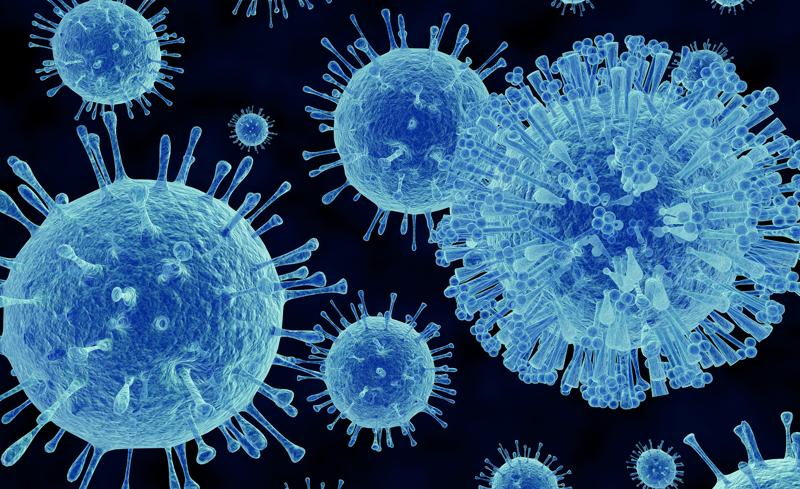
Have you ever wondered how long norovirus can stick around on your clothes? Knowing this can help you protect yourself and your loved ones from getting sick.
Norovirus is highly contagious, and understanding how long it survives on fabric is key to stopping its spread. You’ll discover how long norovirus lives on your clothes and what you can do to keep your home safe. Keep reading to learn simple steps that make a big difference in staying healthy.
Norovirus: An Overview
Norovirus is a highly contagious virus that causes stomach illness. It spreads easily and affects people of all ages. The virus leads to symptoms like vomiting, diarrhea, and stomach cramps. Many get sick quickly and recover within a few days. The virus can survive on surfaces, including clothes, for a long time. Knowing about norovirus helps prevent its spread.
What Is Norovirus?
Norovirus is a group of viruses that cause gastroenteritis. It is often called the “stomach flu,” though it is not related to the flu virus. The virus infects the intestines and causes inflammation. This leads to stomach pain, nausea, and diarrhea.
How Does Norovirus Spread?
Norovirus spreads through tiny particles in vomit or stool. It can pass from person to person or through contaminated food and water. Touching surfaces with the virus and then touching the mouth can also cause infection.
Why Is Norovirus So Contagious?
- It takes only a few virus particles to cause illness.
- The virus can survive on surfaces for days or weeks.
- People can spread the virus before feeling sick.
- It spreads quickly in crowded places like schools and cruise ships.
Who Is At Risk?
Anyone can get norovirus, but some are more vulnerable. Young children, elderly people, and those with weak immune systems often get sicker. Close living spaces increase the chance of catching the virus.

Credit: health.clevelandclinic.org
Transmission Of Norovirus
Norovirus spreads quickly and easily, making it one of the most common causes of stomach flu. Understanding how this virus transmits can help you protect yourself and others from infection. Its ability to survive on surfaces, including clothes, plays a key role in how it spreads.
Common Pathways
Norovirus mainly spreads through direct contact with an infected person or by touching contaminated surfaces. You can catch it by shaking hands, sharing utensils, or even touching your mouth after handling objects with the virus.
Food and water contaminated with norovirus also act as common pathways. Think about how easily a virus can cling to your hands after handling raw foods or touching door handles in public places.
Role Of Contaminated Surfaces
Clothes, doorknobs, countertops, and other surfaces can harbor norovirus for days. This means the virus can survive long enough to infect you even if the infected person is no longer nearby.
Have you ever worn a jacket to a crowded event and then noticed that same jacket days later? That jacket could carry norovirus particles if it came into contact with contaminated surfaces or droplets.
Regularly washing clothes and disinfecting surfaces can break this chain of transmission. It’s worth asking yourself: how often do you clean items that come into contact with public spaces?
Survival Of Norovirus On Fabrics
Norovirus can survive on fabrics longer than many people expect. This virus causes stomach illness and spreads easily. Clothes, towels, and linens can hold the virus for days. Understanding how long norovirus stays on fabrics helps prevent its spread.
Factors Affecting Longevity
The time norovirus stays on fabric changes with several factors:
- Fabric Type:Porous fabrics like cotton absorb moisture, which may protect the virus longer.
- Moisture Levels:Wet fabrics keep the virus alive longer than dry ones.
- Temperature:Cooler temperatures help norovirus survive for more days.
- Sunlight Exposure:UV light from the sun reduces virus survival time.
- Cleaning Methods:Proper washing with hot water and detergents can remove or kill the virus.
Comparison With Other Surfaces
Norovirus survives differently on various surfaces. Hard surfaces like doorknobs and countertops may hold the virus up to a week.
Soft surfaces like fabrics often keep the virus for fewer days, but it can still be infectious.
Porous materials absorb fluids and can shield norovirus from cleaning agents.
Understanding these differences is key to effective cleaning and preventing illness.
Impact Of Fabric Type On Virus Survival
The type of fabric your clothes are made from plays a significant role in how long norovirus can survive on them. Different materials interact with the virus in unique ways, affecting its persistence and the risk of transmission. Understanding these differences helps you make smarter choices about cleaning and handling contaminated clothing.
Porous Vs Non-porous Materials
Porous fabrics, like cotton and wool, have tiny holes that can trap moisture and particles, including viruses. Norovirus tends to survive longer on these materials because the virus can hide in the fibers, shielded from drying out quickly.
Non-porous fabrics, such as polyester or nylon, have smoother surfaces that don’t absorb moisture as much. The virus on these materials often dries out faster, which can reduce its lifespan. Have you noticed how certain synthetic clothes feel less damp after washing? That’s part of why they might be safer when dealing with viruses.
Influence Of Fabric Treatment
Fabric treatments like water repellents, antimicrobial coatings, or stain guards also affect norovirus survival. Some treatments can speed up virus inactivation by making the surface less hospitable, while others might trap moisture, unintentionally helping the virus last longer.
For example, clothes labeled as “antimicrobial” might reduce virus survival, but effectiveness varies widely. It’s essential to check whether these treatments have been tested specifically against viruses, not just bacteria. Are you relying on treated fabrics without knowing their real impact on virus safety?
Decontaminating Clothes
Decontaminating clothes that may have norovirus is crucial. The virus can survive on fabric for days, posing a risk of spreading infection. Proper cleaning reduces the chance of reinfection and helps protect others in the home. It involves washing techniques and using disinfectants that kill the virus effectively. Understanding the right steps ensures clothes are safe to wear again.
Effective Washing Techniques
Use hot water to wash clothes. Set the water temperature to at least 60°C (140°F). Hot water helps kill the virus on fabric. Choose a good quality detergent that breaks down germs. Avoid washing clothes with other items to stop cross-contamination.
Dry clothes completely after washing. Use a high heat setting in the dryer. The heat further reduces any remaining virus. If you cannot use a dryer, hang clothes in direct sunlight. Sunlight can help kill some viruses on fabric.
Use Of Disinfectants
Disinfectants can add extra protection during laundry. Add a laundry sanitizer or disinfectant that is safe for clothes. Look for products that kill norovirus or similar viruses. Follow the instructions on the label carefully for correct use.
Do not mix bleach with other cleaning products. Use chlorine bleach only on white or colorfast clothes. Add bleach to the wash cycle to boost virus removal. For colored clothes, use oxygen-based bleach as a safer option.
Preventive Measures
Preventing the spread of norovirus through clothes is crucial to stop reinfection and protect those around you. The virus can cling to fabrics for days, making careful habits essential. You have more control than you think over how to reduce the risk.
Personal Hygiene Practices
Washing your hands thoroughly after handling contaminated clothes is non-negotiable. Use warm water and soap, scrubbing for at least 20 seconds to remove any virus particles.
Think about how often you touch your face or adjust your mask throughout the day. Each time is a chance for the virus to transfer from your hands to your mouth or nose. Keeping nails short and clean also helps reduce hidden germs.
Consider carrying hand sanitizer with at least 60% alcohol when you’re away from home. It’s a handy backup when soap and water aren’t available, especially after touching laundry baskets or surfaces.
Safe Handling Of Laundry
Handle clothes contaminated with norovirus carefully to avoid spreading the virus. Avoid shaking dirty laundry to prevent airborne particles from spreading.
- Wear disposable gloves when handling soiled items, and wash your hands immediately after removing them.
- Wash clothes in the hottest water safe for the fabric, as heat helps destroy the virus.
- Add bleach if the fabric allows—it’s proven to kill norovirus effectively.
Dry clothes thoroughly on high heat if possible. The combination of heat and drying reduces the risk of virus survival on fabric.
Have you ever thought about how often your laundry routine might actually be spreading germs? Changing your habits here can make a big difference in keeping your home safe.
Implications For Public Health
Norovirus is highly contagious and can survive on clothes for days. This longevity increases the risk of spreading the virus in public spaces. Clothes contaminated with norovirus can transfer the infection to others easily. This fact poses serious challenges for public health systems worldwide.
Understanding how long norovirus survives on fabrics helps to develop better hygiene practices. It also guides policies for cleaning and disinfecting clothing in healthcare and community settings. Awareness of this survival time is essential to prevent outbreaks and protect vulnerable populations.
Reducing Outbreaks
Proper handling of contaminated clothes reduces virus spread. Washing clothes in hot water and using strong detergents kills the virus effectively. Avoid sharing clothes and laundry items during outbreaks. Immediate cleaning of contaminated clothing lowers infection risks significantly. Public places should promote strict hygiene rules for clothing care. Following these steps cuts down infection chains in communities and hospitals.
Importance Of Awareness
Raising public knowledge about norovirus survival on clothes is vital. People need clear information on how the virus spreads and how to stop it. Schools, workplaces, and healthcare centers benefit from targeted education campaigns. Awareness encourages better personal hygiene and careful laundry habits. It also helps reduce panic by providing practical prevention tips. Everyone plays a role in limiting norovirus transmission through clothes.
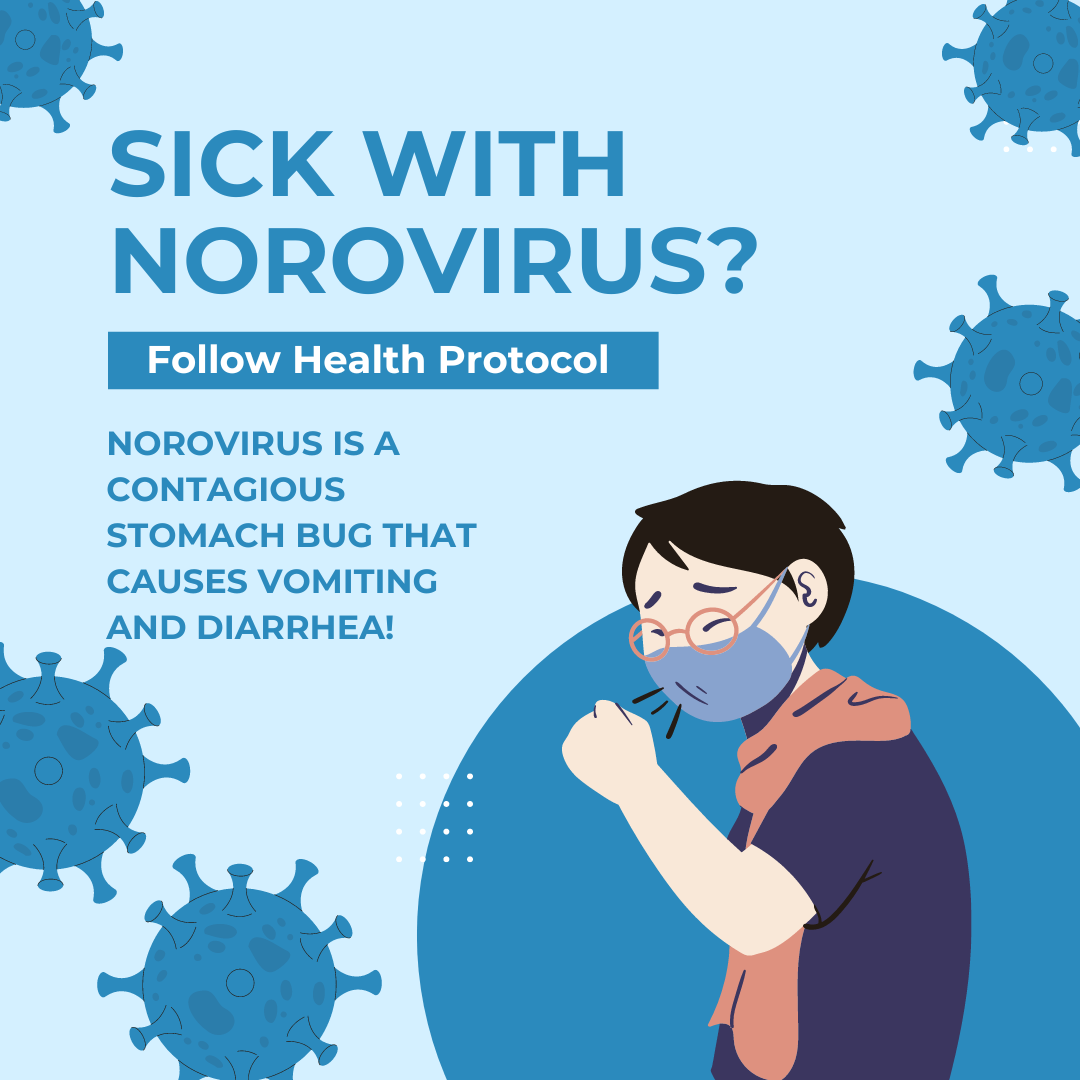
Credit: medium.com

Credit: www.army.mil
Frequently Asked Questions
How Long Does Norovirus Live On Fabric?
Norovirus can survive on clothes for up to 12 days. It remains infectious during this period. Proper washing is essential to remove it completely.
Can Washing Clothes Kill Norovirus Effectively?
Yes, washing clothes in hot water above 60°C with detergent can kill norovirus. Using bleach-based disinfectants adds extra protection.
Does Drying Clothes Remove Norovirus Contamination?
Drying clothes in a hot dryer helps reduce norovirus. However, it may not fully eliminate the virus without proper washing first.
How To Disinfect Clothes Contaminated With Norovirus?
Use hot water wash cycles with detergent and bleach if safe. Avoid overcrowding the washer to ensure thorough cleaning.
Conclusion
Norovirus can live on clothes for several days, even longer in some cases. Washing clothes well with hot water helps remove the virus. Drying clothes completely also lowers the risk of spreading germs. Always handle dirty laundry carefully to avoid contamination.
Staying aware of how long norovirus survives helps keep you and others safe. Clean clothes, clean hands, and good hygiene protect everyone around you. Small actions make a big difference in stopping the virus. Stay cautious and keep your environment clean.


