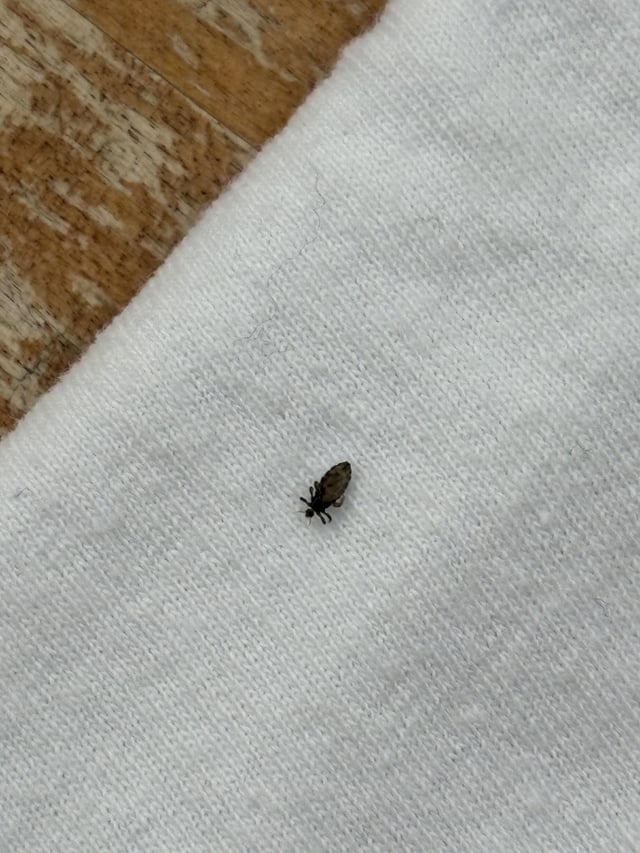
Have you ever wondered if lice can live on your clothes? If you’re dealing with lice or worried about getting them, this question is probably on your mind.
Knowing whether lice survive on clothes can help you protect yourself and your family better. You’ll discover the truth about lice and your clothing, plus simple steps to keep your clothes lice-free. Keep reading to find out what you really need to know to stay safe and comfortable.
Lice Life Cycle
The lice life cycle plays a crucial role in understanding whether lice can survive on clothes. These tiny parasites go through distinct stages that affect their ability to live off the human scalp. Knowing each stage helps you take effective steps to prevent and control infestations.
The Egg Stage (nits)
Lice lay eggs called nits, which are firmly attached to hair shafts close to the scalp. These eggs are tiny and oval-shaped, often mistaken for dandruff. Nits need warmth and moisture from the scalp to hatch, so they rarely survive long when stuck to clothing.
The Nymph Stage
Once the nits hatch, lice enter the nymph stage. These young lice look like smaller versions of adults and must feed on blood to grow. Without a human host, nymphs cannot survive for more than a few hours, making it unlikely for them to live on clothes.
The Adult Lice
Adult lice are the final stage and can live up to 30 days on a person’s head. They feed frequently and lay new eggs to continue the cycle. Off the scalp, adults can only survive for 1-2 days, which means clothes are not a suitable environment for their survival.
Practical Takeaway
Since lice depend on the scalp for warmth and food, they struggle to survive on clothes. Washing clothes in hot water and drying them on high heat effectively kills any lice or nits present. Have you ever wondered if simply airing clothes would be enough? The life cycle shows that heat is key to breaking it.

Credit: www.washingtonpost.com
Common Myths About Lice
Lice can cause a lot of stress and confusion, especially when misinformation spreads quickly. Many people have strong beliefs about how lice behave, but not all of them are true. Clearing up these common myths can help you handle lice situations more effectively and avoid unnecessary worry.
Do Lice Jump Or Fly?
You might have heard that lice can jump from one person to another or even fly through the air. This is not true. Lice crawl; they cannot jump or fly, so close head-to-head contact is the main way they spread.
Can Lice Live On Clothes Or Bedding?
Many believe lice can survive on clothes or bedding for days. In reality, lice need human blood to live and usually die within 24-48 hours off the scalp. While it’s smart to wash clothes and bedding, you don’t need to panic about lice hiding there long-term.
Are Lice A Sign Of Poor Hygiene?
There’s a common misconception that lice only infest people who are dirty. Lice don’t discriminate based on cleanliness. They affect anyone, regardless of how often you wash your hair or clean your home.
Will Lice Go Away On Their Own?
Some people think lice will just disappear without treatment. Unfortunately, lice will stay and multiply if left untreated. Taking prompt action is key to stopping the cycle and protecting yourself and others.
Is It Necessary To Use Harsh Chemicals?
Many believe that only strong chemical treatments work against lice. While some treatments are effective, there are also safe, gentle options available. Choosing the right treatment depends on your situation and preferences.
Can Lice Live On Clothing?
Lice are tiny insects that live on the scalp. Many wonder if lice can survive on clothing too. Understanding this helps in stopping their spread. This section explores whether lice can live on clothes.
Where Do Lice Prefer To Live?
Lice mainly live on human hair close to the scalp. They need warmth and blood to survive. Clothes do not provide these conditions. Lice rarely stay on clothes for long.
Can Lice Move To Clothing?
Lice can move from hair to clothing for a short time. This usually happens when clothes touch the scalp. Lice may cling to hats, scarves, or collars briefly. They do not live on clothes like they do on hair.
How Long Can Lice Survive Off The Scalp?
Lice cannot live long off a human body. They usually die within 1-2 days away from the scalp. Clothes without human contact are not a good home for lice. Washing clothes kills any lice present.
Best Ways To Treat Clothes From Lice
- Wash clothes in hot water (above 130°F or 54°C).
- Dry clothes on high heat for at least 20 minutes.
- Seal non-washable items in a plastic bag for 2 weeks.
- Clean hats, scarves, and other accessories regularly.

Credit: www.medicalnewstoday.com
Factors Affecting Lice Survival On Fabrics
Lice survival on clothes depends on several important factors. These factors influence how long lice can live away from the human scalp. Understanding these can help reduce the risk of spreading lice through fabrics.
Temperature, humidity, and fabric type all affect lice survival. Lice need warmth and moisture to stay alive. Without these, their lifespan shortens significantly. Examining these elements gives insight into how lice behave on clothes.
Temperature And Its Impact
Lice thrive in warm conditions. Clothes stored in cool places reduce lice survival time. High temperatures can kill lice quickly. Washing clothes with hot water is an effective way to remove lice.
Humidity Levels
Lice require moisture to live. Dry fabrics cause lice to dehydrate. Low humidity environments limit how long lice can survive. Keeping clothes dry lowers the chance of lice transfer.
Fabric Type And Texture
Thick and rough fabrics trap lice better than smooth ones. Lice cling easily to wool or cotton. Synthetic fabrics may not hold lice as well. The fabric texture influences how lice attach and survive.
Duration Away From Host
Lice cannot live long without feeding on blood. Survival time on clothes is usually under 48 hours. The longer lice stay off the scalp, the less likely they survive. Quick removal of clothes reduces lice spread.
Signs Of Lice Infestation In Fabrics
Detecting lice in fabrics is vital to stop their spread. Lice can cling to clothes, bedding, and other textiles. Early signs help you act quickly and prevent infestation from worsening.
Fabrics with lice show unique signs. Knowing these signs helps in identifying and treating affected items properly.
Visible Nits And Lice On Fabrics
Look closely for tiny eggs called nits on fabric fibers. Nits are small, oval, and usually white or yellowish. Adult lice may also be visible, but they move fast and are harder to spot.
Itchy Or Irritated Skin After Contact
Notice if skin itches or feels irritated after wearing certain clothes. Lice can bite and cause itching. This reaction often means lice might be on the fabric.
Small Blood Stains On Clothing
Check for tiny blood spots on collars, cuffs, or seams. Lice bites can cause minor bleeding. Blood stains may appear if lice have been feeding on the wearer.
Unusual Clumping Or Damage On Fabric
Fabrics may show damage or clumps where lice or nits have attached. Look for small sticky patches or irregular fabric texture. Lice secretions can cause these changes.
Presence Of Shed Lice Skins
Lice shed their skins as they grow. These skins may cling to fabrics. Finding tiny, translucent shells is a clear sign of lice presence.
Preventing Lice On Clothes
Preventing lice from spreading on clothes is key to stopping infestations. Lice cannot live long off the scalp, but they can cling to fabric for a short time. Taking simple steps keeps your clothes lice-free and protects your family.
Effective Cleaning Methods
Wash clothes in hot water to kill lice and their eggs. Use a temperature of at least 130°F (54°C) for best results. Dry clothes on the highest heat setting for at least 20 minutes.
For items that cannot be washed, sealing them in plastic bags for two weeks works well. Lice die without food in this time. Regular vacuuming of closets and drawers removes stray lice or eggs.
Proper Storage Tips
Keep clothes separate to avoid spreading lice between items. Store clean clothes in sealed containers or bags. Avoid sharing hats, scarves, or coats with others.
Use hooks or hangers to keep clothes off the floor. This prevents contact with contaminated surfaces. Regularly clean storage areas to reduce the chance of lice hiding there.
Treating Lice-infested Clothing
Treating lice-infested clothing is key to stopping the spread of lice. Clothes and fabrics can hold lice and their eggs for some time. Proper cleaning helps remove them safely. It protects you and others from getting lice again. Quick action on clothing is essential after lice exposure. Different ways exist to clean and treat these items effectively.
Washing Techniques
Use hot water to wash lice-infested clothing. Water temperature should be at least 130°F (54°C). Hot water kills lice and their eggs on fabrics. Use a strong laundry detergent for better results. Wash clothes separately from other laundry. Dry them on the highest heat setting for 20 minutes or more. Heat from the dryer helps kill any remaining lice. Items that cannot be washed should be sealed in plastic bags for two weeks. This starves lice and stops them from surviving.
Alternative Treatments
Vacuuming furniture and floors helps remove stray lice and hairs. Use a brush to comb through clothes and fabrics. Freezing clothes can also kill lice. Place items in a sealed bag and freeze for 48 hours. Steam cleaning is effective on furniture and carpets. It uses high heat to kill lice and eggs. Avoid using insect sprays on clothes. These can be harmful and are not recommended for fabrics.
Impact Of Lice On Personal Hygiene
Lice infestations affect more than just the scalp. They have a noticeable impact on personal hygiene. These tiny parasites cause itching and discomfort, which can lead to scratching. Frequent scratching may cause skin irritation or infection. The presence of lice often leads to embarrassment and stress. This can affect social interactions and self-esteem. Understanding the impact of lice on personal hygiene helps in managing and preventing infestations effectively.
How Lice Affect Skin Health
Lice bite the scalp to feed on blood. This causes itching and redness on the skin. Constant scratching can break the skin barrier. Broken skin increases the risk of bacterial infections. Scratches and sores may become painful and swollen. Maintaining clean skin is harder with persistent itching.
Lice And Scalp Cleanliness
Lice do not reflect poor hygiene but affect scalp cleanliness. Their presence causes discomfort and makes hair care difficult. People with lice may avoid washing or brushing hair. This can lead to buildup of oils and dirt. Neglecting scalp cleanliness worsens the condition and prolongs infestation.
Psychological Effects On Personal Hygiene
Lice infestations often cause embarrassment and shame. This may lead individuals to hide the problem. Some avoid social settings or personal grooming activities. Stress and anxiety from lice can reduce motivation to maintain hygiene. Support and education help reduce stigma and promote care.
Clothing And Bedding Hygiene
Lice can survive briefly on clothes and bedding. Washing these items in hot water kills lice and eggs. Regular cleaning of clothing and bedding supports personal hygiene. It helps stop lice from spreading to others or reinfesting.
Expert Opinions On Lice And Clothing
Experts have weighed in on whether lice can survive on clothes, and their insights offer valuable guidance for managing infestations effectively. Understanding what lice can and cannot do helps you focus on the right cleaning and prevention strategies. Let’s look at what specialists say about lice behavior related to clothing.
How Long Can Lice Live Off The Scalp?
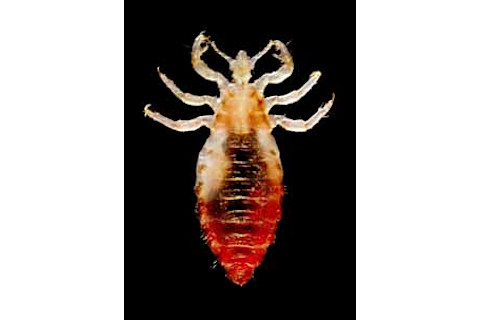
Most experts agree that lice need a human scalp to survive. Off the scalp, lice typically live less than 24 hours. Without a blood meal, their survival chances drop quickly.
This means lice found on clothes or hats usually can’t live long enough to cause a new infestation. However, their eggs, called nits, are more resilient and can stick to fabric fibers longer.
Do Lice Lay Eggs On Clothes?
Specialists clarify that lice lay eggs only on hair strands close to the scalp. Clothes don’t provide the right environment for egg-laying. Nits require warmth and moisture that hair naturally provides.
If you find lice eggs on clothing, it’s likely they were transferred there accidentally rather than laid there. This reduces the risk of clothes being a primary source of infestation.
Effective Clothing Cleaning Tips From Experts
Experts recommend washing clothes, hats, and bedding in hot water above 130°F (54°C) to kill lice and nits. Drying on high heat also increases effectiveness. If washing isn’t possible, sealing items in plastic bags for two weeks can starve lice.
- Use hot water wash cycles
- Dry on high heat for at least 20 minutes
- Seal non-washable items in airtight bags
These practical steps help prevent lice from spreading through clothing without causing unnecessary stress.
Why You Should Focus More On Head-to-head Contact
Many experts emphasize that direct head-to-head contact is the main way lice spread. While contaminated clothing can play a minor role, it is not the primary source. This insight can change how you prioritize your prevention efforts.
Have you noticed how lice outbreaks often happen in close social settings like schools? This supports the idea that personal contact is the main culprit, not shared clothing.
Credit: www.discovermagazine.com
Frequently Asked Questions
Can Lice Live On Clothes Or Only On Hair?
Lice primarily live on hair and scalp. They cannot survive long on clothes. Lice need blood to survive, which they get from the scalp. Clothes can carry lice temporarily but do not support their life cycle.
How Long Can Lice Survive On Clothing?
Lice can survive on clothing for about 1-2 days without a host. They need human blood to live. After this period, they usually die due to lack of food and warmth.
Can Lice Eggs Hatch On Clothes?
Lice eggs, or nits, do not hatch on clothes. They require the warmth and environment of the scalp to develop. Eggs on clothing usually dry out and die quickly.
What Is The Best Way To Kill Lice On Clothes?
The best way to kill lice on clothes is washing them in hot water above 130°F (54°C). Dry clothes on high heat to ensure all lice and eggs are killed. Avoid cold washing as lice can survive it.
Conclusion
Lice need close contact to survive and spread. They rarely live long on clothes alone. Washing clothes in hot water helps kill lice and eggs. Drying on high heat also removes any lice present. Regular cleaning and avoiding sharing clothes reduce the risk.
Stay calm and follow simple steps to protect your family. Understanding lice helps prevent their return effectively.


