Have you ever wondered how long Covid can stay alive on your clothes or fabric surfaces around you? Knowing this can help you protect yourself and your loved ones better.
Imagine touching a jacket or a curtain and worrying if the virus is still there. Understanding how Covid survives on cloth can change the way you handle your daily routines. You’ll discover clear answers and simple tips to keep your home and belongings safe.
Keep reading to find out what really happens to Covid on fabric and what you can do about it.
Credit: www.consumerreports.org
Factors Affecting Virus Longevity
The time Covid survives on cloth depends on many factors. These factors change how long the virus stays active. Understanding these helps reduce infection risks. It also guides safe handling of fabrics.
Temperature, humidity, and fabric type play key roles. Each affects virus survival differently. Let’s explore how these factors influence virus longevity on cloth surfaces.
Temperature Influence
Higher temperatures usually reduce virus survival time. Heat damages the virus structure, making it inactive faster. At lower temperatures, the virus can live longer. Cold environments protect the virus from breaking down.
Humidity Levels
Humidity affects virus stability on cloth. Low humidity dries the virus quickly, limiting survival. High humidity keeps the virus moist, helping it last longer. Moderate humidity creates mixed effects depending on other conditions.
Type Of Fabric
Different fabrics hold the virus differently. Porous fabrics like cotton absorb moisture and virus particles. This can reduce virus survival time. Non-porous or synthetic fabrics keep the virus on the surface. This allows it to survive longer than on porous materials.
Scientific Studies And Findings
Scientific studies have focused extensively on how long Covid-19 can survive on different surfaces, including cloth. Understanding these findings helps you take practical steps to reduce the risk of virus transmission through fabrics you come into contact with daily. Let’s examine how researchers approached this topic, what they discovered, and how cloth compares to other materials.
Research Methodologies
Scientists use controlled lab settings to test virus survival on cloth. They apply droplets containing the virus onto fabric samples and measure how long the virus remains active over time. Some studies simulate real-life conditions, such as varying humidity and temperature, to reflect everyday environments.
Tests often involve PCR assays or cell cultures to detect active virus particles. This approach helps determine not just the presence of viral RNA, but whether the virus can still infect cells. Have you ever wondered how closely these lab conditions mimic the surfaces you touch daily?
Key Study Results
Results show Covid-19 can survive on cloth surfaces from a few hours up to two days, depending on fabric type and environmental conditions. For example, porous fabrics like cotton tend to inactivate the virus faster than synthetic materials. Higher temperatures and sunlight also reduce virus survival time significantly.
One study found that after 24 hours on cotton, the virus was no longer infectious, while on polyester, traces could last up to 48 hours. This means your choice of fabric and how often you clean or air out your clothing can impact virus risk. How often do you wash your reusable masks or clothes after potential exposure?
Comparative Analysis
| Surface Type | Virus Survival Time | Notes |
|---|---|---|
| Cloth (Cotton) | Up to 24 hours | Virus inactivation faster due to fabric porosity |
| Cloth (Polyester) | Up to 48 hours | Synthetic fibers retain virus longer |
| Plastic | Up to 72 hours | Non-porous surface holds virus longer |
| Metal | Up to 48 hours | Similar to plastic but varies by metal type |
This comparison highlights that cloth surfaces generally pose a lower risk than hard, non-porous ones. You might think that soft fabrics are safer, but certain synthetics could hold the virus longer. Does this change how you handle your clothes or masks after being in public spaces?
Real-world Implications
Understanding how long Covid survives on cloth surfaces matters a lot. It shapes how people act in daily life and helps keep everyone safe. The virus does not stay alive forever on fabric. Its survival time affects cleaning habits and safety rules.
Here are some real-world effects of the virus’s life on cloth surfaces.
Household Safety
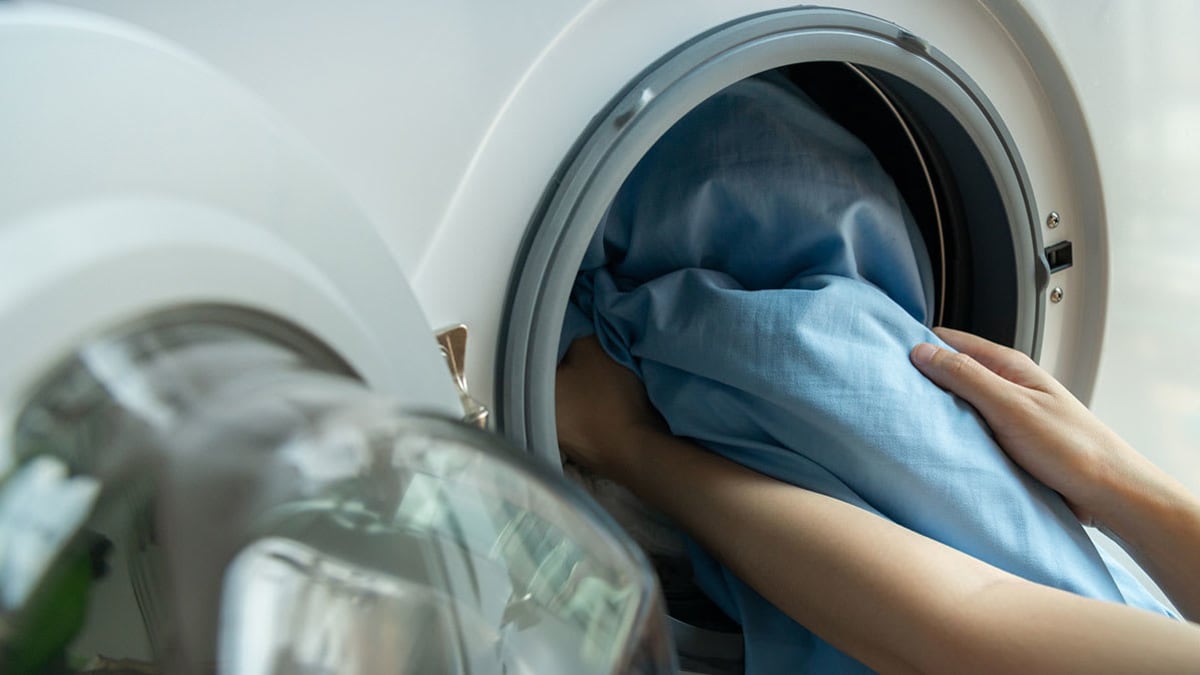
Cloth items like clothes, towels, and upholstery can hold the virus for hours. Washing fabric regularly lowers the risk of spreading Covid at home. Using hot water and soap kills the virus effectively.
Keep separate laundry bags for potentially contaminated clothes. Avoid shaking dirty clothes to stop virus particles from spreading in the air. Clean fabric surfaces often, especially in shared spaces.
Public Spaces Concerns
In public places, cloth surfaces include seats, cushions, and curtains. The virus can stay on these fabrics for a shorter time than on hard surfaces. Still, touching these surfaces and then your face can spread infection.
Frequent cleaning of cloth in public areas helps reduce risks. Wearing masks and washing hands remain key actions to limit virus spread. People should be aware of high-touch fabric items and avoid unnecessary contact.
Textile Industry Impact
The textile industry faces new challenges due to virus survival on cloth. Factories and stores must follow strict hygiene rules. Workers need regular health checks and clean uniforms daily.
Products may require extra disinfection before reaching customers. This adds cost and time to manufacturing and delivery. The industry adapts by using antiviral fabrics and improved cleaning methods.

Credit: famurgentcare.com
Effective Cleaning And Sanitization
Keeping cloth surfaces free from Covid requires more than just a quick wipe. Effective cleaning and sanitization play a crucial role in reducing the virus’s survival time on fabrics. Understanding the right agents, techniques, and cleaning frequency helps you protect yourself and your loved ones more confidently.
Recommended Cleaning Agents
Not all cleaning products work equally well against viruses on cloth. Look for detergents containing disinfecting properties or add a small amount of bleach to your laundry for extra protection.
Alcohol-based sanitizers with at least 70% alcohol can also be effective for spot cleaning. However, avoid using harsh chemicals that can damage the fabric or irritate your skin.
Proper Washing Techniques
Washing cloth items in warm water helps break down the virus particles faster. Ideally, use water temperatures above 60°C (140°F) when the fabric allows it.
Using a good quality detergent and ensuring the fabric is fully submerged will increase the cleaning effectiveness. Avoid overloading your washing machine so every piece gets cleaned thoroughly.
Frequency Of Cleaning
How often should you clean cloth surfaces, especially those frequently touched? If you use reusable masks or cloth upholstery, washing them after each use or at least daily is wise.
For items like curtains or cushions, cleaning them weekly or biweekly can help reduce the chance of virus buildup. Ask yourself—how often do you touch these surfaces without thinking? That’s your cue to increase cleaning frequency.
Future Research Directions
Understanding how long Covid survives on cloth surfaces is crucial, but there’s still much to uncover. Future research can shed light on many unanswered questions and help improve public safety. Let’s look at some promising directions that could change how we manage fabric hygiene in everyday life.
Gaps In Current Knowledge
We know Covid’s survival varies based on fabric type, temperature, and humidity. However, precise timelines for different cloth materials remain unclear. What if some fabrics trap the virus longer without showing visible signs?
Also, the impact of repeated washing on virus persistence needs clearer data. Could certain detergents or washing methods be more effective than others? You might want to rethink how you clean your masks or clothes based on future findings.
New Technologies In Detection
Detecting live virus particles on cloth is tricky with current methods, often relying on lab-based tests. Emerging technologies like portable biosensors could allow quick, on-the-spot virus detection on fabrics. Imagine being able to check your jacket or reusable mask before heading out.
Advances in molecular imaging and AI-driven analysis may also help track virus survival more accurately. These tools could provide real-time data on contamination levels, helping you make safer choices about fabric use and care.
Potential Innovations In Fabric Design
Fabrics embedded with antiviral coatings or materials might reduce virus survival times drastically. Researchers are experimenting with silver nanoparticles and copper-infused fibers that actively kill viruses. Would you prefer clothes that protect you actively instead of just passively?
Future fabrics could also be designed to repel respiratory droplets more effectively. This innovation could lower infection risks in public spaces, turning everyday clothing into a frontline defense. Staying updated on these developments might influence your next fabric purchase.
Credit: health.clevelandclinic.org
Frequently Asked Questions
How Long Does Covid Survive On Cloth Surfaces?
Covid can survive on cloth surfaces for up to 1-2 days. The virus’s lifespan depends on fabric type, humidity, and temperature. Porous fabrics usually reduce virus survival time compared to non-porous surfaces.
Does Washing Cloth Remove Covid Virus Effectively?
Yes, washing cloth with detergent and warm water removes the Covid virus effectively. Proper washing kills the virus and reduces the risk of transmission. Use regular laundry cycles and dry thoroughly for best results.
Can Covid Virus Spread Through Contaminated Clothes?
Covid virus spread through clothes is possible but unlikely. The virus mainly spreads through respiratory droplets, not fabric contact. However, contaminated clothes should be handled with care and washed promptly.
What Fabric Types Reduce Covid Survival Time?
Natural fibers like cotton reduce Covid survival time faster than synthetic fabrics. Porous surfaces absorb and trap the virus, leading to quicker inactivation. Synthetic fabrics may allow the virus to survive longer.
Conclusion
Covid can survive on cloth for a few hours to days. This depends on the fabric type and environmental conditions. Washing clothes regularly reduces the risk of infection. Drying in sunlight also helps kill the virus. Always practice good hygiene and clean surfaces often.
Staying informed helps you protect yourself and others. Small actions make a big difference in safety. Keep your environment clean and stay cautious. This helps limit the spread of Covid effectively.


