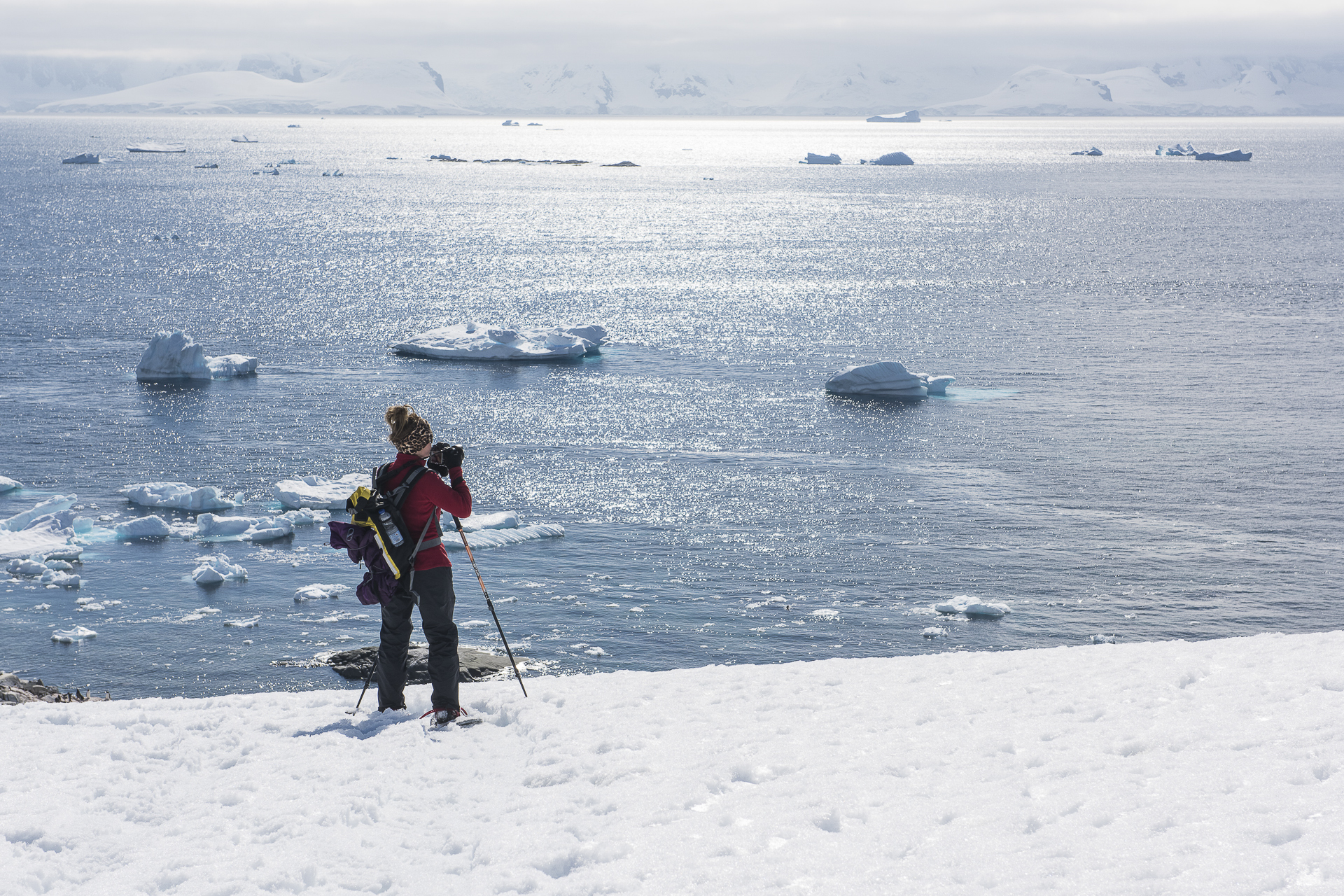
Imagine standing in one of the coldest places on Earth, where the temperature can drop far below freezing. What you wear could be the difference between staying safe and facing serious danger.
You might think any warm jacket will do, but surviving in Antarctica takes much more than that. You need the right clothes to keep your body protected from extreme cold, biting winds, and icy conditions. You’ll discover exactly what clothing you need to survive in Antarctica—and why each piece matters.
Keep reading to find out how to stay warm, safe, and comfortable in the harshest environment on the planet.
Layering Basics
Surviving in Antarctica means mastering the art of layering your clothes. Each layer has a specific role that keeps you warm, dry, and protected against extreme cold and wind. Understanding these layers helps you make smart choices about what to wear and how to adjust your clothing as conditions change.
Base Layers
Your base layer sits directly against your skin and controls moisture. Choose materials like merino wool or synthetic fabrics that wick sweat away quickly. Avoid cotton—it traps moisture and chills you down fast.
I once underestimated the power of a good base layer on a cold morning. After switching to a merino wool top, I noticed how much longer I stayed warm and dry during long outdoor treks.
Insulating Layers
Insulation keeps the heat your body produces trapped close to your skin. Fleece, down, or synthetic fill work well here. The key is to pick something lightweight but warm, so you don’t get bulky or restrict your movement.
Think about layering multiple thin insulating pieces instead of one thick jacket. This way, you can add or remove layers easily when the temperature fluctuates.
Outer Shells
The outer shell protects you from wind, snow, and moisture. Look for waterproof and windproof fabrics with breathable membranes to keep you dry without overheating. A good shell also blocks the icy Antarctic wind that can cut through your layers.
During a blizzard, I learned that a shell with adjustable vents lets you control airflow without exposing your skin. This feature can prevent sweat buildup and keep you comfortable during intense activity.

Credit: www.expeditions.com
Protective Outerwear
Protective outerwear is your frontline defense against Antarctica’s brutal cold and unforgiving wind. Without the right gear, even the shortest outdoor activity can become dangerous. Your outer layer must block harsh weather while keeping you warm and dry, allowing you to focus on the adventure rather than the chill.
Parkas And Jackets
Choosing the right parka or jacket is crucial. Look for one insulated with down or synthetic materials designed to retain heat even when wet. A well-made parka will have a windproof and waterproof shell that shields you from icy gusts and snowfall.
Features like adjustable hoods, cuffs, and sealed seams add extra protection. I once underestimated the importance of a hood during a sudden Antarctic storm, and it made all the difference. Ask yourself: does your jacket protect your face and neck as well as your torso?
Waterproof Pants
Your legs need just as much protection as your upper body. Waterproof pants with breathable fabrics keep moisture out while letting sweat escape, preventing chills from damp clothing. Look for reinforced knees and adjustable waistbands to ensure comfort and durability during long treks.
Many explorers layer thermal leggings under their waterproof pants for added warmth. Have you considered how layering can improve your mobility and insulation simultaneously? Proper pants prevent snow from seeping in, which can quickly lower your body temperature.
Head And Face Protection
Protecting your head and face in Antarctica is crucial for survival. The extreme cold and fierce winds can cause frostbite quickly. Proper gear keeps your skin safe and helps maintain your body heat.
The right equipment shields you from biting cold and bright glare. Choose items designed for polar conditions. They must fit well and cover all exposed areas.
Hats And Balaclavas
A warm hat is essential to prevent heat loss from your head. Wool or synthetic materials work best as they retain heat even when damp. Look for hats with ear coverage to protect from wind chill.
Balaclavas offer full face and neck coverage. They block cold air and reduce frostbite risk. Use balaclavas made of breathable fabric to avoid sweating. Layer them under your helmet or hood for extra warmth.
Goggles And Sunglasses
Sunlight reflects off snow and ice, causing intense glare. Protect your eyes with high-quality goggles or sunglasses. Choose lenses that block 100% of UV rays and reduce glare.
Polarized lenses improve visibility in bright conditions. Goggles also shield eyes from wind and snow. Make sure they fit snugly without gaps for maximum protection.
Handwear Essentials
Your hands face some of the toughest challenges in Antarctica. Freezing temperatures and biting winds can quickly cause frostbite if you’re not properly protected. Choosing the right handwear is essential to keep your fingers warm and functional throughout your expedition.
Inner Gloves
Inner gloves act as your first line of defense against the cold. They should be made of moisture-wicking materials like merino wool or synthetic fabrics to keep your hands dry. Dryness is key because dampness makes your hands feel colder faster.
Look for gloves that fit snugly but allow finger movement. Too tight restricts circulation, while too loose lets cold air in. A personal tip: I always carry a couple of pairs and change them if they get damp from sweat or snow.
Outer Mittens
Outer mittens provide the main insulation and wind protection. Mittens keep fingers together, which conserves heat better than gloves with separated fingers. Choose mittens with waterproof and windproof shells to block harsh Antarctic elements.
Many explorers prefer mittens with removable liners for flexibility. This lets you adjust insulation without sacrificing dexterity. Have you considered how quickly changing conditions might force you to swap layers? Being prepared with versatile mittens can make all the difference.
Footwear Requirements
Footwear is a vital part of your clothing gear in Antarctica. The extreme cold and icy conditions demand shoes that protect and insulate your feet. Proper footwear keeps frostbite away and helps you move safely on slippery surfaces.
Insulated Boots
Insulated boots are essential for Antarctic survival. They have thick layers to trap heat and keep your feet warm. Look for boots with waterproof materials to prevent moisture from entering. The soles should offer good grip for walking on ice and snow. Boots with high ankle support help avoid injuries during long treks.
Socks And Liners
Socks and liners work together to keep feet dry and warm. Use moisture-wicking liners made from synthetic fabrics. These prevent sweat from chilling your feet. Over liners, wear thick wool or thermal socks for extra insulation. Change socks regularly to avoid dampness and cold. Layering socks helps maintain comfort in freezing temperatures.
Credit: www.theguardian.com
Additional Accessories
Additional accessories play a vital role in staying warm and comfortable in Antarctica. These small but important items protect exposed skin and keep body heat locked in. Choosing the right accessories can prevent frostbite and windburn. They add an extra layer of defense against the harsh cold and icy winds.
Scarves And Neck Gaiters
Scarves and neck gaiters shield the neck and lower face from biting winds. They stop cold air from entering through jacket openings. Soft, insulated fabrics like fleece or wool work best. Neck gaiters are easy to pull up over the nose and mouth. They help keep breathing warm and prevent moisture build-up. Scarves can be wrapped multiple times for extra warmth. Both options are lightweight and easy to carry.
Thermal Underwear
Thermal underwear forms the base layer of your clothing system. It traps heat close to the skin while wicking away sweat. Materials like merino wool or synthetic fibers dry quickly and stay warm even when damp. Wearing thermal tops and bottoms helps maintain core body temperature. Thin and stretchy fabrics allow easy movement. Thermal underwear is essential for long days outside in freezing conditions.
Materials And Fabrics
Choosing the right materials and fabrics is crucial to surviving Antarctica’s brutal cold. Your clothing must keep you warm without causing sweat buildup, which can freeze and chill you later. Understanding how different fabrics work together can make the difference between comfort and danger in extreme conditions.
Wool And Synthetics
Wool is a natural insulator that stays warm even when wet. Merino wool, in particular, is soft, breathable, and less itchy than traditional wool. It’s ideal for base layers that keep your skin dry and warm.
Synthetic fabrics like polyester and nylon dry quickly and wick moisture away from your body. They are lightweight and durable, perfect for mid-layers or outerwear. Have you ever felt clammy in cold weather? Synthetics help prevent that by moving sweat away from your skin.
Combining wool and synthetics allows you to balance warmth and moisture control. Think about how you layer your clothes: wool next to your skin, synthetics above to keep dry, and insulation on top.
Gore-tex And Other Technologies
Gore-Tex is a popular waterproof and breathable fabric that protects against wind and snow while letting sweat escape. This keeps you dry on the outside and comfortable on the inside. But Gore-Tex isn’t the only option; fabrics like eVent and Polartec NeoShell offer similar performance.
These technologies rely on tiny pores that block water droplets but allow vapor to pass through. Choosing the right outer layer can save you from wet, freezing clothes that threaten your survival. Have you checked if your jacket’s fabric truly breathes, or is it just waterproof?
Look for outerwear that combines these materials with good insulation and a sturdy design. The coldest parts of Antarctica demand more than just warmth—they require smart fabric choices that work with your body’s needs.
Packing Tips
Packing for Antarctica requires careful thought and smart choices. The extreme cold and harsh winds demand specific clothing and gear. Packing well ensures safety and comfort throughout the trip. Organize your items to access them easily and keep them protected from moisture and dirt.
Organizing Gear
Use separate bags for different types of clothing. Keep thermal layers in one bag and outerwear in another. Store gloves, hats, and socks in small pouches to avoid loss. Label each bag clearly for quick identification. Place fragile items inside padded containers. Pack gear inside waterproof bags to stay dry. Lay out everything before packing to avoid forgetting essentials. Roll clothes to save space and reduce wrinkles.
Weight Considerations
Packing light improves mobility and reduces fatigue. Choose lightweight but warm clothing materials like down and fleece. Avoid bringing duplicate items unless necessary. Check airline weight limits and pack accordingly. Use compression bags to reduce bulk and weight. Prioritize essential gear over extras. Balance your pack to distribute weight evenly. Remember, every extra pound matters in cold weather travel.

Credit: www.expeditions.com
Frequently Asked Questions
What Essential Clothing Is Needed For Antarctica Survival?
To survive in Antarctica, wear insulated base layers, waterproof outer shells, and thermal mid-layers. Include gloves, hats, and insulated boots to protect extremities from frostbite. Layering is crucial for adapting to changing temperatures and harsh winds.
How Do Layering Clothes Help In Antarctica?
Layering traps heat while allowing moisture to escape. The base layer wicks sweat, the mid-layer insulates, and the outer layer shields from wind and water. This system maintains warmth and dryness in extreme cold and windy conditions.
What Type Of Boots Are Best For Antarctica?
Insulated, waterproof boots with good traction are essential. They protect feet from freezing temperatures and slippery ice. Boots should have thick soles and be roomy enough to wear thermal socks comfortably.
Why Are Gloves And Hats Important In Antarctica?
Gloves and hats prevent heat loss from hands and head, which cool quickly. Insulated gloves protect from frostbite, and hats trap warmth. Covering extremities is vital to maintain overall body temperature in freezing weather.
Conclusion
Staying warm and safe in Antarctica needs the right clothes. Layering helps keep heat and blocks cold wind. Thick jackets, insulated pants, and waterproof boots are must-haves. Don’t forget gloves, hats, and face protection for extreme cold. Quality gear can make your stay comfortable and safe.
Dress smart, stay dry, and keep moving to avoid frostbite. Prepare well to enjoy the unique beauty of Antarctica. Your clothes can help you survive and explore this icy world.


