
Have you ever wondered if ducks can handle freezing temperatures? When winter arrives and cold weather sets in, you might worry about how these feathered friends survive the chill.
Understanding how ducks stay warm and healthy in cold conditions can change the way you care for them or watch them in nature. Keep reading, and you’ll discover surprising facts about their natural defenses and what you can do to help them thrive when the temperature drops.
Ducks’ Natural Adaptations
Ducks have special traits that help them live through cold weather. Their bodies are built to keep warm and stay active even in freezing temperatures. These natural adaptations protect them from harsh conditions and help them survive when many other animals struggle.
Insulating Feathers
Ducks have layers of feathers that trap heat close to their bodies. The outer feathers repel water, keeping the inner feathers dry. Down feathers underneath act like a warm blanket. This combination stops cold air and water from reaching their skin.
Unique Body Fat
Ducks store a thick layer of fat under their skin. This fat works as an extra shield against cold weather. It helps keep their body heat from escaping. The fat also provides energy during winter when food is scarce.
Circulatory System Efficiency
Ducks have a smart circulatory system that controls blood flow to their feet and legs. It reduces heat loss by warming the blood before it reaches the extremities. This system helps prevent frostbite and keeps their feet functional on icy surfaces.

Credit: www.amanchourasia.in
Behavioral Strategies
Ducks use smart behaviors to survive cold weather. Their actions help keep them warm and find food. These behaviors increase their chances of thriving in harsh winter conditions. Understanding these strategies shows how ducks adapt to cold.
Huddling Together
Ducks stay close to share body heat. Huddling reduces heat loss and keeps them warm. They often gather in groups on land or water. This simple action helps them survive freezing temperatures. Group warmth beats cold winds and frost.
Migration Patterns
Some ducks fly south to warmer places. Migration helps them avoid extreme cold and lack of food. They travel long distances to find better habitats. Not all ducks migrate; some stay and use other strategies. Migration is a key survival tactic for many species.
Feeding Habits In Winter
Ducks change what and when they eat in winter. They look for food that is easy to find and digest. Some eat aquatic plants under ice or dig for seeds. Feeding more helps them build fat for warmth. Their diet shift supports energy needs in cold months.
Environmental Factors
Understanding how ducks survive cold weather means looking closely at the environmental factors around them. These factors directly affect their ability to stay warm, find food, and remain safe. Let’s break down some key elements that shape their winter survival.
Role Of Water Bodies
Ducks rely heavily on water to regulate their body temperature during cold months. Open water provides a refuge where they can swim and keep their feathers coated with oil, which repels freezing water and maintains insulation.
If the water freezes over completely, ducks lose this vital resource and may struggle to stay warm. Have you noticed how ducks often gather around small, unfrozen ponds or streams during winter? These spots are critical for their survival.
Impact Of Snow And Ice
Snow and ice can be both a challenge and a benefit to ducks. Thick snow cover can make it hard for ducks to access food hidden beneath it. At the same time, ice can limit their movement and access to open water.
However, snow also acts as insulation on land, protecting duck nests and resting areas from harsh winds. This delicate balance makes you wonder—how do ducks decide where to settle during the coldest days?
Availability Of Food Sources
Food availability is a crucial environmental factor that influences how well ducks survive winter. Natural food sources like aquatic plants, insects, and small fish become scarce as temperatures drop and water bodies freeze.
Ducks often adapt by shifting their diet or moving to areas where food remains accessible, such as urban parks or unfrozen lakes. If you feed ducks during winter, it’s important to offer healthy options like oats or birdseed instead of bread, which harms their health.

Credit: www.tyrantfarms.com
Human Assistance
Human assistance plays a crucial role in helping ducks survive harsh winter conditions. While ducks have natural adaptations to cold weather, your support can make a significant difference during extreme cold spells. Providing shelter, food, and safe environments can help ducks maintain their strength and health.
Providing Safe Habitats
Creating safe habitats is essential for ducks during cold weather. You can help by ensuring ponds and lakes remain free of harmful ice buildup. Ducks need open water to stay active and avoid freezing.
Removing debris and pollutants from water sources also keeps their environment healthy. Have you ever noticed how ducks flock to areas where the water stays unfrozen? This shows how important your role is in maintaining their habitats.
Supplying Food During Scarcity
Cold weather often reduces the availability of natural food for ducks. You can support them by offering appropriate food like cracked corn, oats, or birdseed. Avoid bread—it lacks nutrients and can harm their health.
Feeding ducks regularly during winter helps them conserve energy. Have you tried feeding ducks in winter? You might be surprised at how quickly they respond and gather around.
Creating Artificial Shelters
Artificial shelters can protect ducks from wind and freezing rain. You can build simple shelters using wood or sturdy materials near their resting spots. These shelters offer ducks a warm, dry place to rest and conserve energy.
Even small actions like placing straw or hay in these shelters improve insulation. Have you ever thought about how a simple shelter can change a duck’s chance of survival in freezing weather?
Challenges And Threats
Ducks face a variety of challenges and threats that test their ability to survive cold weather. The harsh conditions not only affect their physical health but also expose them to increased risks from predators and diseases. Understanding these dangers can help you better protect ducks in your care or appreciate their resilience in the wild.
Predators In Winter
Winter can make ducks more vulnerable to predators. Snow cover and frozen water reduce their usual hiding spots and escape routes. Predators like foxes, owls, and raccoons often become more active as food sources thin out.
If you’ve ever watched a duck struggle to find open water, you know how limited their options become. This makes them easier targets. You might want to provide safe, sheltered areas or fresh water to help ducks evade these dangers.
Diseases In Cold Conditions
Cold weather doesn’t just bring frostbite risks; it also increases the chance of diseases. Ducks crowded in small, unfrozen water patches can spread infections like avian flu or botulism more quickly. Wet and cold conditions weaken their immune systems, making them less able to fight off illness.
Keeping water clean and ensuring ducks have dry, warm shelter can reduce these risks. Have you noticed ducks huddling together when it’s freezing? That behavior is a natural response to stay warm but can also increase disease transmission.
Impact Of Climate Change
Changing weather patterns add new threats to ducks during winter. Unpredictable freezes and thaws disrupt their natural behaviors. For example, sudden cold snaps after warm spells can catch ducks off guard, reducing their chances of finding food and shelter.
As you observe these changes, consider how your local environment is shifting. Are you seeing fewer ducks or changes in their migration patterns? These signs could point to larger climate issues that impact their survival.
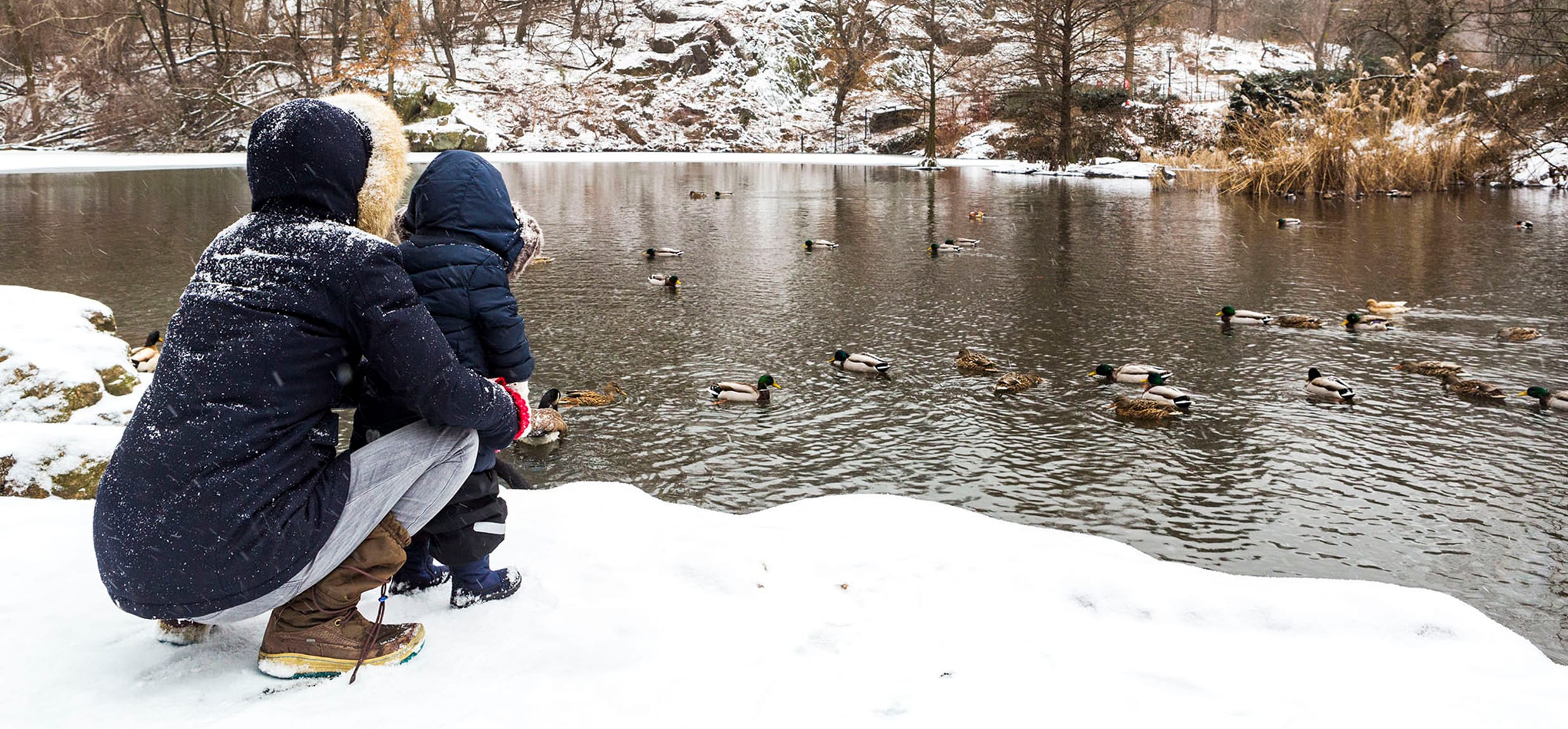
Credit: www.centralparknyc.org
Frequently Asked Questions
Can Ducks Survive Freezing Temperatures Outdoors?
Yes, ducks can survive freezing temperatures. Their feathers provide excellent insulation. They also produce body heat to stay warm. However, access to unfrozen water is crucial for drinking and feeding.
How Do Ducks Stay Warm In Cold Weather?
Ducks fluff their feathers to trap warm air. They also huddle together for shared body heat. Their legs have special blood vessels that reduce heat loss. These adaptations help them endure cold conditions.
Do Ducks Need Special Care In Winter?
In winter, ducks need shelter from wind and wet conditions. Providing fresh water and high-energy food helps maintain their health. Extra bedding and protection from predators are also important during cold weather.
Can All Duck Species Handle Cold Climates?
Not all duck species tolerate cold equally. Some species are adapted to cold environments. Others prefer milder climates and may struggle in freezing weather. Knowing your duck’s natural habitat is key for care.
Conclusion
Ducks can handle cold weather better than many animals. Their feathers keep them warm and dry. They also have a special blood flow system to stay comfortable. Ducks need some water and shelter to stay safe. Watching ducks in winter shows their strong survival skills.
Cold weather does not stop them from living well. They adapt and thrive even in chilly times. Caring for ducks means giving them space and warmth. Nature made ducks ready for cold, and they prove it daily.


