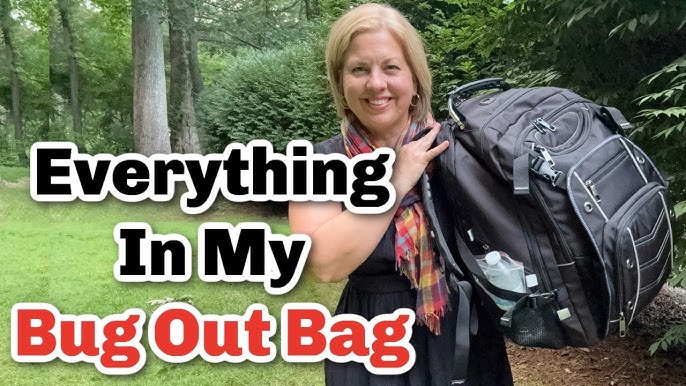
Imagine a situation where you need to leave your home quickly and survive on your own for days. Would you be ready?
Having a well-packed survival bug out bag can make all the difference between staying safe and facing chaos. In this guide, you’ll learn exactly what to include in your bag and how to prepare it smartly. By the end, you’ll feel confident that your survival kit is ready for any emergency.
Keep reading to discover how to build your perfect bug out bag step by step.
Choosing The Right Bag
Choosing the right bag is crucial for a survival bug out bag. It must be strong, comfortable, and practical. A well-chosen bag can make carrying supplies easier and more efficient. Size and durability matter. The bag should hold all essentials without feeling too heavy. Comfort features help during long walks or tough conditions. Let’s explore what to look for in a bug out bag.
Material And Durability
Pick a bag made from tough materials like nylon or polyester. These resist tears and water damage. Look for bags with reinforced stitching and strong zippers. Waterproof coatings or rain covers add extra protection. A durable bag lasts longer and protects your gear better.
Size And Capacity
Choose a bag that fits your needs but is not too large. A 30 to 50-liter bag suits most survival kits. It should hold food, water, tools, and clothes comfortably. Avoid bags that are too small or too bulky. The right size balances capacity and ease of carrying.
Comfort And Fit
Find bags with padded shoulder straps and back support. Adjustable straps help fit the bag to your body. Look for bags with waist and chest straps to spread the weight. Good ventilation reduces sweat and discomfort. Comfortable bags reduce fatigue during long use.
Compartments And Organization
Choose bags with multiple compartments and pockets. Separate areas keep gear organized and easy to find. External pockets allow quick access to essentials. Internal compartments protect delicate items. Good organization saves time and stress during emergencies.
Additional Features
- MOLLE webbing for attaching extra gear
- Hydration bladder compatibility
- Reflective strips for visibility
- Compression straps to reduce bulk
These features add functionality without extra weight. They help customize the bag to your survival needs.
Water And Hydration Supplies
Water is the cornerstone of survival. Without it, your body starts to fail within days. Keeping enough clean water and reliable ways to hydrate yourself is crucial in any bug out situation.
Think about the last time you felt really thirsty outdoors. That discomfort is a warning sign your body needs water fast. Your bug out bag should prepare you to handle those moments with ease.
Choosing The Right Water Containers
Water containers need to be both durable and lightweight. Look for BPA-free plastic bottles or collapsible water bladders. These options save space and won’t leak when packed tightly.
Metal bottles can also work well but may add unnecessary weight. Remember, your water container should be easy to carry and refill. A good tip is to have multiple smaller bottles instead of one large container, so you can ration water effectively.
Water Filtration And Purification Tools
Carrying water won’t help if it’s contaminated. You need filtration or purification tools to make water safe to drink. Portable filters like the Sawyer Mini or LifeStraw remove bacteria and protozoa efficiently.
For added safety, carry purification tablets or drops. These kill viruses and other pathogens that filters might miss. Combining both methods ensures your water stays clean no matter the source.
Hydration Accessories To Consider
Hydration is more than just having water. You need ways to drink easily on the move. A hydration bladder with a hose lets you sip without stopping. Plus, insulated sleeves help keep your water cool in hot weather.
Adding a small funnel can speed up refilling from streams or lakes. Also, pack a lightweight cup or collapsible mug for boiling water or mixing electrolyte powders. These little extras make staying hydrated simpler and more comfortable.
Food And Nutrition Essentials
Food and nutrition are vital parts of any survival bug out bag. Proper nourishment keeps your energy strong and mind sharp. Packing the right foods ensures you can last through tough times.
Choosing food for a bug out bag means focusing on items that last long, provide calories, and are easy to prepare. It is best to pick foods that do not need refrigeration.
Choosing Non-perishable Foods
Non-perishable foods have a long shelf life and can survive tough conditions. Examples include canned goods, dried fruits, nuts, and energy bars.
- Canned beans and meats
- Dehydrated vegetables and fruits
- Nut butters in small packets
- Instant oatmeal or rice
- Trail mix and granola bars
Balancing Calories And Nutrients
Your bug out bag food must fuel your body well. Look for foods rich in protein, fats, and carbohydrates. Protein helps build and repair muscles.
- Jerky or dried meats for protein
- Nuts and seeds for healthy fats
- Whole grain crackers or rice cakes for carbs
Include some vitamins and minerals by packing dried fruits or vitamin supplements.
Easy Preparation And Consumption
Food should be easy to eat without cooking gear. Look for ready-to-eat options or those needing only water.
- Freeze-dried meals requiring hot water
- Ready-to-eat canned meals
- Instant soups or noodles
- Snack bars and jerky for quick energy
Hydration Considerations
Water is as important as food. Pack water purification tablets or filters. Include lightweight water bottles or collapsible containers.
- Water purification tablets or drops
- Portable water filters
- Collapsible water pouches
Plan for at least one gallon of water per person each day.
Shelter And Warmth Gear
Shelter and warmth gear is crucial for any survival bug out bag. It protects you from harsh weather and keeps your body temperature stable. Without proper shelter and warmth, the risk of hypothermia rises. This section covers essential items for staying dry, warm, and safe in the wild.
Choosing A Lightweight Tent Or Tarp
A lightweight tent or tarp offers quick shelter from rain and wind. Look for compact designs that fit easily in your bag. Waterproof materials and strong poles improve durability. Tarps are versatile and can be set up in many ways.
Insulating Sleeping Bags And Blankets
Select a sleeping bag rated for low temperatures. Synthetic insulation dries faster than down and still keeps warmth. Emergency mylar blankets take up little space and reflect body heat. Layer these for added protection during cold nights.
Portable Sleeping Pads
Sleeping pads provide a barrier between you and cold ground. Foam pads are lightweight and do not deflate. Inflatable pads offer more comfort but need careful handling. Insulated pads add extra warmth by blocking ground chill.
Fire Starting Tools For Warmth
Fire is key for warmth and cooking. Carry waterproof matches or a reliable lighter. Fire starters like magnesium blocks help in damp conditions. Always practice fire safety and choose safe locations to build fires.
Weather-appropriate Clothing Layers
Layered clothing traps heat and allows temperature control. Start with moisture-wicking base layers to stay dry. Add insulating layers like fleece or wool. Finish with a waterproof and windproof outer layer. Pack extra socks and gloves for cold nights.
First Aid And Medical Kit
A well-stocked first aid and medical kit is essential for any survival bug out bag. It helps treat injuries and illnesses quickly. This kit can prevent infections and ease pain until professional help arrives.
Choose items that cover common emergencies like cuts, burns, and sprains. Include supplies for personal medical needs, such as medications or allergy treatments. Organize everything in a waterproof, durable case to keep it safe and accessible.
Basic First Aid Supplies
- Adhesive bandages in various sizes
- Sterile gauze pads and adhesive tape
- Antiseptic wipes and antibiotic ointment
- Scissors and tweezers
- Elastic bandages for sprains
- Disposable gloves
Medications And Pain Relief
- Painkillers like ibuprofen or acetaminophen
- Antihistamines for allergic reactions
- Anti-diarrheal medication
- Oral rehydration salts
- Personal prescription medicines
Additional Emergency Items
- CPR face shield
- Instant cold packs
- Burn cream or aloe vera gel
- Thermometer
- Medical tape and safety pins
Tools And Multi-use Items
Tools and multi-use items are key for a survival bug out bag. They save space and weight. Each item should serve more than one purpose. This way, you carry less but stay prepared for many situations.
Choose tools that are strong, reliable, and easy to use. Think about what tasks you might face. Cutting, building shelter, and starting fire are common needs. Multi-use items help you handle these tasks with fewer tools.
Essential Knives And Cutting Tools
A good knife is vital. It cuts rope, prepares food, and helps build shelter. Pick a fixed blade knife for strength and durability. Folding knives are lighter and safer but less strong. Carry a small sharpening stone to keep your blades sharp.
Multi-tools For Versatility
Multi-tools combine pliers, screwdrivers, blades, and more. They fit small spaces and reduce the need for many separate tools. Choose one with tools you use most. Quality matters for tools that last and work well.
Fire Starters With Backup Options
Fire is crucial for warmth and cooking. Carry a reliable fire starter like a ferro rod. Include waterproof matches or a lighter as backup. Multi-use fire starters often include a scraper that doubles as a knife edge or whistle.
Compact Shovels And Survival Axes
Shovels help dig fire pits, latrines, and shelters. Some compact shovels fold for easy carrying. Survival axes chop wood, clear brush, and can be a weapon. Look for lightweight tools with multiple uses.
Paracord And Cordage
Paracord is strong and lightweight. Use it for shelter building, repairs, or traps. It can even serve as shoelaces or fishing line. A multi-use item that every bug out bag needs.
Navigation And Communication Devices
Navigation and communication devices are essential components of any survival bug out bag. They help you find your way and stay connected when everything else fails. Without reliable tools, you could easily get lost or miss critical updates during emergencies.
Choosing The Right Navigation Tools
A basic compass is a must-have. It doesn’t rely on batteries and works in all weather conditions. Pair it with a detailed topographic map of your area for the best results.
GPS devices offer precise location tracking but can run out of power. Consider a handheld GPS with rechargeable batteries or one that can be solar charged. Have backup navigation methods in case technology fails.
Think about your route and environment. Dense forests or urban ruins may limit GPS signals, making traditional tools more reliable. How confident are you in reading a map and using a compass under pressure?
Effective Communication Devices To Include
Two-way radios are invaluable for staying in touch with your group. Choose models with long battery life and a decent range. Remember to carry extra batteries or a portable charger.
A whistle is a simple, lightweight device that can signal for help without draining power. Don’t underestimate its effectiveness in alerting nearby rescuers.
Consider a satellite messenger if you expect to be out of cell phone range. These devices allow you to send SOS signals and short messages anywhere on Earth. They can be a lifesaver but come with ongoing subscription costs.
Maintaining And Testing Your Devices
Regularly check your navigation and communication gear to ensure they function properly. Test your compass and radios periodically, especially before heading out.
Keep batteries fresh and store devices in waterproof cases. Exposure to moisture and extreme temperatures can damage electronics quickly.
Have you practiced using your devices in a controlled setting? Real skill with your tools can make the difference between safety and danger.

Credit: www.amazon.ca
Lighting And Fire Starting Tools
Lighting and fire starting tools are essential for any survival bug out bag. They provide warmth, allow you to cook food, and help signal for rescue. Without reliable fire sources, you risk exposure to cold and other dangers.
Choosing Reliable Fire Starters
Pick tools that work well in wet and windy conditions. Waterproof matches, magnesium fire starters, and flint and steel are excellent choices. I once tried only waterproof matches during a rainstorm, and they failed—after adding a magnesium striker, I never had issues.
Think about weight and ease of use. A small ferrocerium rod can last hundreds of strikes and fits easily in your pack. Carry at least two types of fire starters for backup.
Portable Lighting Options
Flashlights and headlamps are crucial for nighttime tasks. LED models offer long battery life and bright light. I prefer headlamps because they free up your hands for cooking or setting up shelter.
Don’t forget spare batteries or rechargeable options. Solar-powered or crank flashlights can save you when batteries run out. Always test your lights before packing them to avoid surprises.
Emergency Light Sources
Include items like glow sticks or small candles for backup light. These are lightweight and simple but can last several hours. Glow sticks also don’t require flame, which can be safer in certain situations.
Consider the environment where you might use them. Candles can help keep bugs away, but they need a stable surface and wind protection. Glow sticks are waterproof and less affected by weather.
Clothing And Personal Items
Choosing the right clothing and personal items for a survival bug out bag is crucial. These items protect your body and help maintain hygiene in tough situations. Pack clothes that suit different weather conditions and personal essentials that keep you healthy and comfortable.
Essential Clothing For Protection And Comfort
- Durable pants that resist tears and dirt
- Quick-dry shirts to stay dry and cool
- Waterproof jacket to shield from rain
- Warm layers like fleece or thermal shirts
- Sturdy boots with good grip for rough terrain
- Extra socks to prevent blisters and cold feet
- Hat for sun protection and warmth
Personal Hygiene Items To Stay Healthy
- Travel-size soap or body wipes
- Toothbrush and small toothpaste
- Compact towel for drying off
- Hand sanitizer to kill germs
- Feminine hygiene products, if needed
- Small first aid kit with bandages and antiseptic
Additional Personal Items For Daily Needs
- Glasses or contact lenses with solution
- Multi-use knife for grooming and repairs
- Notebook and pen for notes or signals
- Small flashlight with extra batteries
- Comfort items like lip balm or sunscreen

Credit: medium.com
Financial And Identification Documents
Financial and identification documents are vital in any survival bug out bag. These papers prove your identity and help access money or services. Keeping them safe and accessible is crucial during emergencies.
These documents can open doors to help, shelter, or transportation. Losing them can create delays and stress in critical situations. Carrying copies protects the originals from damage or loss.
Essential Financial Documents To Carry
- Cash in small bills for quick use
- Credit and debit cards in a waterproof pouch
- Bank account information and contact numbers
- Emergency prepaid cards or travel money cards
Important Identification Documents
- Driver’s license or state ID card
- Passport for international travel or ID
- Social security card or national ID
- Medical insurance cards
- Emergency contact list with phone numbers
Tips For Storing Documents Safely
- Use waterproof and tear-resistant folders
- Keep digital copies on a secure USB drive
- Store documents in a hidden, easy-to-reach spot
- Update documents regularly to avoid expired papers
Packing And Organization Tips
Packing and organizing your survival bug out bag can make a huge difference in how quickly and efficiently you access your gear during an emergency. A well-organized bag saves time and reduces stress when every second counts. Your goal is to create a system where everything has a place and you can find it without digging through layers of items.
Packing By Priority And Frequency Of Use
Put the most important and frequently used items in the easiest-to-reach spots. Think about what you will need immediately after leaving your home—like water, a first aid kit, and a flashlight. These should go in external pockets or at the top of the main compartment.
Less urgent items, like extra clothing or cooking gear, can go deeper inside. This way, you don’t waste time moving things around to reach essentials.
Using Clear And Labeled Bags Or Pouches
Separate your supplies into smaller, clear bags or pouches labeled by category. For example, one pouch for medical supplies, another for fire-starting tools, and one for food and snacks. This keeps everything neat and easy to grab quickly.
Labels help even if you’re under pressure or it’s dark. I once scrambled in the dark to find my water purification tablets because I didn’t label my pouches—don’t make the same mistake.
Maximizing Space With Compression And Folding Techniques
Clothes and soft items take up a lot of space if packed loosely. Rolling clothes tightly or using compression sacks can save room. This also helps keep your bag balanced and less bulky.
Try folding items flat and stacking them neatly to create layers. This technique prevents your bag from becoming a jumble and makes it easier to spot what you need.
Weight Distribution For Comfort And Mobility
Place heavier items close to your back and near the center of the bag. This keeps your center of gravity stable and reduces strain on your shoulders. Lighter items can go toward the outer parts of the bag.
Think about how your bag feels when you walk or run. If it pulls awkwardly or feels unbalanced, rearrange until it feels right. Comfort directly affects how long you can carry your bag in an emergency.
Maintenance And Regular Updates
Keeping your survival bug out bag ready at all times means regular maintenance and updates. It’s easy to pack a bag and then forget about it, but over time, supplies can expire, equipment can fail, and your needs may change. Staying proactive ensures your bag will serve you well when you need it most.
Checking Expiration Dates And Replacing Supplies
Food, water, and medical supplies have shelf lives. You might not notice a can of food going bad until it’s too late. Regularly check expiration dates every few months and swap out expired items.
Don’t forget batteries and medications. These can lose effectiveness or stop working entirely. Replace them promptly to avoid surprises during an emergency.
Testing And Maintaining Gear Functionality
Does your flashlight still work? Can your water filter still purify effectively? Tools and gadgets need testing to confirm they’re in good shape.
Run through a quick gear check quarterly. Clean and oil mechanical parts, tighten loose screws, and ensure everything fits neatly back in the bag. This saves you from discovering broken gear when you’re stressed.
Updating Your Bag Based On Seasonal And Personal Changes
Your survival needs shift with the seasons and your lifestyle. Winter requires warmer clothes and different supplies than summer.
Also, consider changes like new allergies, health conditions, or family members joining your plan. Tailor your bag accordingly to keep it practical and effective year-round.
Keeping An Inventory List And Review Schedule
Create a simple checklist of your bag’s contents. This helps spot missing or outdated items quickly.
Set reminders on your calendar for review sessions. Treat this like a routine task, just like changing smoke detector batteries. Consistency is key to readiness.

Credit: trueprepper.com
Frequently Asked Questions
What Essential Items Should A Survival Bug Out Bag Include?
A survival bug out bag should include water, food, first aid, shelter, fire starters, and a multi-tool. These essentials cover basic needs for survival and emergency situations.
How Much Water Is Needed In A Bug Out Bag?
You should carry at least one gallon of water per person per day. Water is vital for hydration and basic survival needs during emergencies.
How Often Should I Update My Bug Out Bag Supplies?
Update your bug out bag every six months. Check expiration dates, replace old food, and refresh batteries for optimal readiness.
What Type Of Food Is Best For A Survival Bug Out Bag?
Choose lightweight, non-perishable, high-energy foods like nuts, dried fruits, and energy bars. These provide nutrition and have a long shelf life.
Conclusion
A survival bug out bag saves time and keeps you ready. Choose items that fit your needs and environment. Pack light but include essentials like water, food, and first aid. Check your bag often and update supplies. Practice using your gear to feel confident.
A well-prepared bag helps you stay safe in emergencies. Start building your bag today for peace of mind tomorrow.