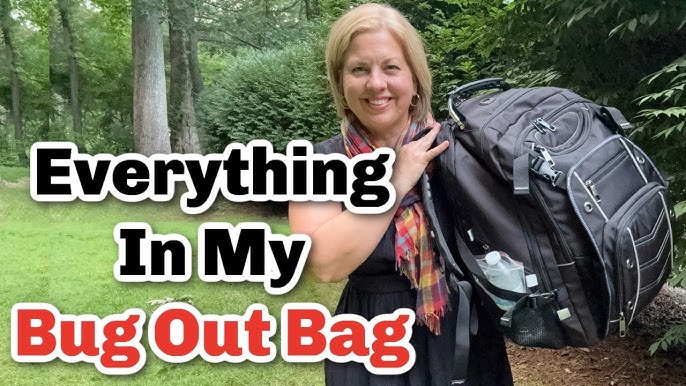
Imagine facing an unexpected emergency in the city—power outages, natural disasters, or sudden evacuations. Do you have what you need to stay safe and take care of yourself?
Building your own urban survival bug-out bag puts you in control. This isn’t about panic; it’s about being prepared, confident, and ready for whatever comes your way. In this guide, you’ll discover exactly what to pack, why each item matters, and how to customize your bag to fit your lifestyle.
Keep reading to learn how to create your ultimate urban survival kit—your peace of mind depends on it.

Credit: www.youtube.com
Choosing The Right Bag
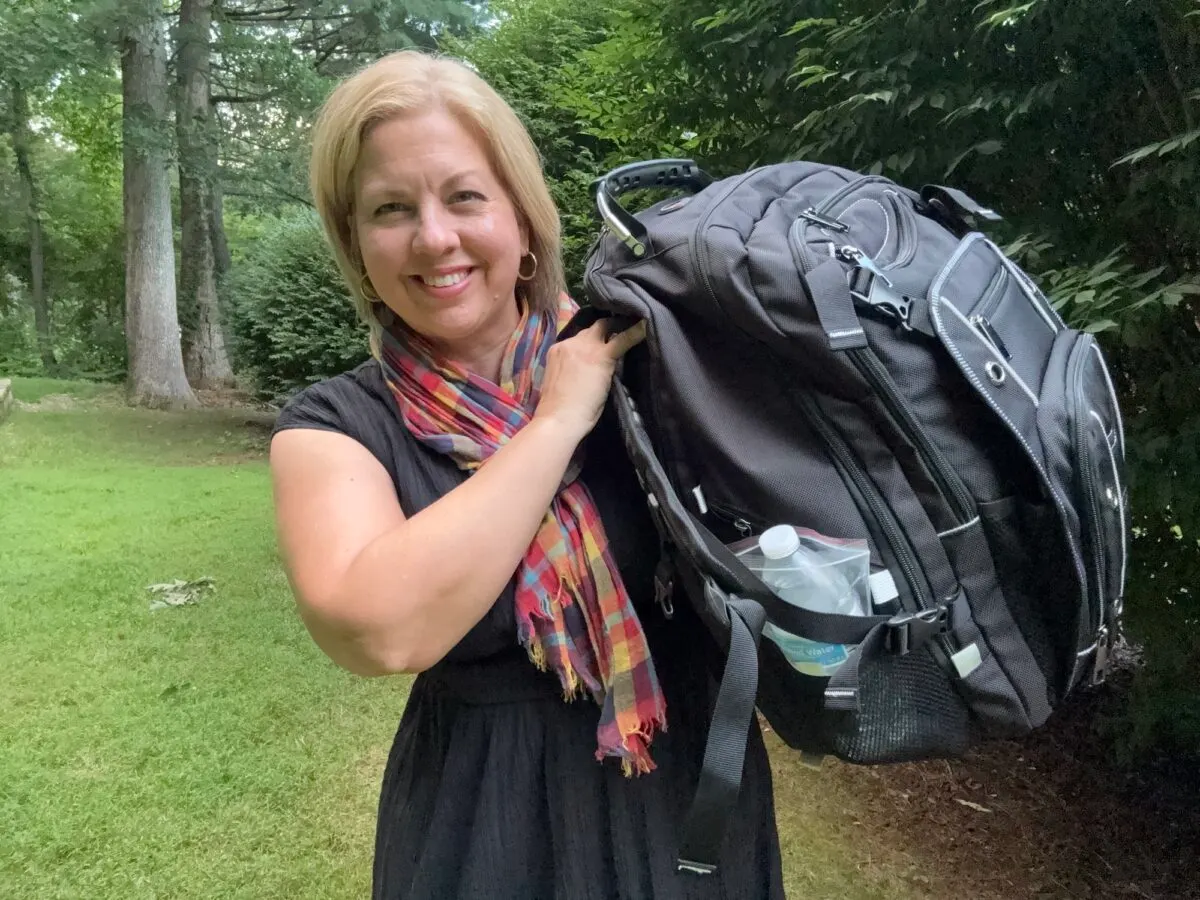
Choosing the right bag is key for building an urban survival bug-out bag. The bag holds all your essentials. It must balance size, durability, and comfort. A poor choice can slow you down or cause discomfort. Think about where you will go and what you must carry. The bag should fit your daily needs and emergency situations.
Size And Capacity
Select a bag size that fits your survival gear without being bulky. The bag should hold enough supplies for at least 72 hours. Avoid bags that are too large; they can weigh you down. A compact bag is easier to move quickly in urban settings. Consider compartments and pockets for organized storage. This helps find items fast during emergencies.
Durability And Material
Choose a bag made from strong, tear-resistant materials. Nylon or polyester are good options for urban survival bags. Water-resistant or waterproof fabric protects your gear from rain and spills. Check the quality of zippers and stitching for long-lasting use. Reinforced seams improve the bag’s strength. A tough bag withstands rough handling and harsh conditions.
Comfort And Fit
Comfort matters when carrying a loaded bug-out bag. Look for padded shoulder straps and a breathable back panel. Adjustable straps help fit the bag snugly to your body. A chest strap or waist belt can distribute weight evenly. This reduces strain on your shoulders and back. Try the bag with weight inside before buying to ensure comfort.
Water And Hydration
Water is the most important item in any urban survival bug-out bag. Staying hydrated keeps your body working well. It helps you think clearly and stay strong. Planning how to carry and clean water is critical. Carry enough water and tools to make more safe to drink.
Water Storage Options
Choose containers that are light and durable. Bottles with screw tops work well. Collapsible water pouches save space when empty. Metal flasks last long but add weight. Store at least one liter per person per day. Consider multiple small containers instead of one big one.
- Plastic water bottles (BPA-free)
- Collapsible water bladders
- Stainless steel bottles or flasks
- Water storage bags with secure caps
Purification Methods
Water from urban sources may contain germs and chemicals. Purify water before drinking to avoid sickness. Carry small, easy-to-use purification tools in your bag. Tablets kill bacteria quickly. Portable filters remove dirt and germs. Boiling water is very effective but uses time and fuel.
- Water purification tablets (iodine or chlorine)
- Portable water filters with small pores
- UV light purifiers for quick disinfection
- Boiling water on a portable stove or fire
Food And Nutrition
Food and nutrition are crucial when you’re building an urban survival bug-out bag. You need items that sustain energy, are easy to store, and require minimal preparation. Think about how your food choices will keep you going without weighing you down or needing complex cooking methods.
Non-perishable Food Choices
Choose foods that last long without refrigeration. Canned beans, nuts, and dried fruits are excellent options. These provide essential proteins, fats, and carbohydrates to fuel your body.
- Energy bars:Compact and calorie-dense, they fit easily in your bag.
- Instant oatmeal packets:Lightweight and easy to prepare with just hot water.
- Jerky:High in protein and shelf-stable, jerky keeps hunger at bay.
- Freeze-dried meals:They weigh little and can last for years if kept sealed.
- Peanut butter:Offers fats and protein, but choose single-serve packets for convenience.
Have you tested how long your chosen foods stay fresh in your actual bag conditions? This simple check can prevent surprises when you need them most.
Cooking And Preparation Tools
Your food choices impact the kind of cooking tools you carry. Opt for compact, multi-functional items to save space and weight. A small, lightweight stove or even a portable fuel burner can make a big difference.
- Collapsible cookware:These save space and are easy to clean.
- Lightweight utensils:A spork or foldable cutlery is perfect.
- Portable stove or solid fuel tablets:Choose one that matches your food needs and bag size.
- Water purification tablets or filters:Safe water is as vital as food.
What’s the fastest way you can prepare a meal with your tools? Testing this helps you avoid frustration during a real emergency. Remember, simplicity can save time and energy when it matters most.
Clothing And Shelter
Clothing and shelter are your first lines of defense in any urban survival situation. They protect you from harsh weather, help maintain your body temperature, and provide a sense of security. Choosing the right items for your bug-out bag can make a huge difference in your comfort and safety during an emergency.
Layering For Weather
Layering your clothing lets you adjust to changing weather quickly. Start with a moisture-wicking base layer to keep sweat away from your skin. Add an insulating layer like a fleece or lightweight down jacket to trap heat.
Finish with a waterproof and windproof outer shell to shield you from rain and wind. Think about packing versatile items like zip-off pants or a packable rain poncho to save space. Have you tried layering in unexpected weather? It often surprises how much control you gain over your comfort.
- Base layer: synthetic or wool for moisture control
- Insulating layer: fleece or down for warmth
- Outer layer: waterproof and breathable shell
Portable Shelter Solutions
Your shelter needs to be compact, lightweight, and easy to set up. A small tent or a tarp with paracord can provide quick protection from the elements. I once used a simple tarp setup in a sudden downpour—it kept me dry and calm when the situation got tough.
Consider emergency bivvy sacks or compact sleeping bags for added warmth and protection. Don’t forget a ground pad to insulate you from cold or damp surfaces. How much space can you realistically dedicate to shelter without overloading your bag?
- Tarp and paracord: lightweight and versatile
- Emergency bivvy: compact and heat-reflective
- Compact tent: more protection, slightly heavier
- Sleeping pad: insulation from cold ground
First Aid And Health
Keeping your health in check and being ready for minor injuries can make a huge difference in an urban survival situation. Your bug-out bag should have essentials that help you manage cuts, burns, or sudden illnesses until professional help is available. Think of it as your personal safety net, designed to keep you going when life throws curveballs.
Basic First Aid Kit
Start by packing a compact first aid kit that covers common injuries. Include:
- Adhesive bandages in various sizes
- Sterile gauze pads and medical tape
- Antiseptic wipes or solution to clean wounds
- Antibiotic ointment to prevent infection
- Disposable gloves to keep things hygienic
- Scissors and tweezers for removing splinters or cutting tape
- Pain relievers like ibuprofen or acetaminophen
I once treated a friend’s scraped knee with just a small kit like this, and it stopped the bleeding quickly while preventing infection. Would you be able to handle a minor injury calmly if you didn’t have these items ready?
Personal Medications
Never forget your personal medications. If you rely on prescriptions, add at least a week’s supply to your bag.
Consider packing:
- Daily medications such as inhalers or blood pressure pills
- Over-the-counter allergy medicine, especially if you have known allergies
- Any vitamins or supplements you regularly take
Think about your health needs realistically. Could missing a dose of your medication cause serious problems? If yes, make your bug-out bag a priority storage place to avoid last-minute scrambling.
Tools And Equipment
Having the right tools and equipment in your urban survival bug-out bag can make all the difference when unexpected situations arise. These items should be compact, reliable, and versatile enough to handle various challenges. Choosing the right tools means thinking about what you might realistically face in an urban environment and preparing accordingly.
Multi-tools And Knives
A good multi-tool is like having a toolbox in your pocket. It combines pliers, screwdrivers, scissors, and more into one compact device. I once had to quickly fix a broken zipper on my backpack during a city evacuation drill, and my multi-tool saved the day.
When selecting a knife, prioritize durability and ease of use. A folding knife with a locking blade is safer and more practical than a fixed blade for urban use. Look for blades made from stainless steel; they resist rust and stay sharp longer.
- Choose multi-tools with essential functions such as wire cutters and bottle openers.
- Test the knife’s grip to ensure it feels secure in your hand under stressful conditions.
- Consider a knife with a partially serrated blade for cutting tougher materials like rope or fabric.
Navigation Aids
In an urban survival scenario, knowing where you are and where to go is crucial. GPS devices are helpful but can fail due to battery drain or signal loss. Always have a reliable backup like a physical map of your city and a compass.
Mark key locations on your map, such as safe houses, hospitals, and transportation hubs. This will help you navigate quickly if your usual routes are blocked. I once got lost in a crowded city after a blackout, but having a map and compass helped me find a safe exit.
- Carry a waterproof map to protect it from rain or spills.
- Learn basic compass skills; it’s simpler than many people think.
- Use a small, lightweight compass that fits easily in your bag or pocket.
Communication And Signaling
Communication and signaling are vital when you’re in an urban survival situation. They help you stay connected with others and alert rescuers or allies to your location. Without reliable ways to communicate, you risk isolation and missed opportunities for help.
Portable Communication Devices
Carrying portable communication devices in your bug-out bag can make a huge difference. A compact two-way radio, like a handheld walkie-talkie, lets you stay in touch with nearby team members without relying on cell towers.
Consider adding a small, solar-powered charger to keep your devices running when power is out. Even a basic feature phone with extra batteries can be a lifesaver if smartphones fail.
Have you thought about how you’ll communicate if the cell network goes down? Radios and satellite messengers don’t depend on typical infrastructure, so they keep you connected when it matters most.
Signal Mirrors And Whistles
Signal mirrors are lightweight and easy to pack, but their ability to catch sunlight and send a bright flash can draw attention from miles away. Carry one in a protective case to avoid scratches, and practice aiming it before you need it.
A whistle is another simple yet powerful signaling tool. Its sharp sound can carry through city noise and alert nearby people to your presence.
Quick tips for whistles:
- Choose a loud, durable model that won’t get clogged or damaged.
- Use short, repeated bursts to signal distress.
- Practice using it with your team so everyone recognizes the signals.
Have you ever tried signaling with a mirror or whistle in a noisy urban area? These tools often get overlooked but can be your best chance to be noticed when you need help fast.

Credit: trueprepper.com
Self-defense Items
Self-defense items are vital for any urban survival bug-out bag. They help protect you in risky situations. Carrying the right tools can boost your confidence and safety. Choose items that are legal and easy to use. Focus on lightweight and compact gear for quick access.
Pepper Spray
Pepper spray is a popular self-defense tool. It causes temporary blindness and discomfort to attackers. Small and easy to carry in a bag or pocket. Aim for a spray with a safety lock to avoid accidental discharge.
Look for sprays with a strong spray range. This keeps attackers at a safe distance. Remember to check local laws before carrying pepper spray. Practice using it to stay calm in emergencies.
Personal Alarms
Personal alarms make loud noises to scare off threats. They attract attention and alert nearby people. Small devices fit easily in your bug-out bag or on a keychain. Press a button to activate the alarm quickly.
Choose alarms with a sound of at least 120 decibels. This ensures the noise is loud enough to deter attackers. Some models have flashing lights to increase visibility. Test your alarm often to ensure it works properly.
Miscellaneous Essentials
Miscellaneous essentials cover small but vital items for your bug-out bag. These items may seem minor but can make a big difference during an emergency. They help keep you organized, safe, and ready for unexpected situations.
Important Documents
Keep copies of key documents safe and dry inside a waterproof pouch. Include:
- Identification cards (ID, driver’s license, passport)
- Medical records and prescriptions
- Emergency contacts list
- Insurance papers
- Copies of property ownership or lease agreements
Having these documents handy speeds up recovery and helps prove your identity.
Cash And Coins
Electronic payments might not work during an emergency. Keep small amounts of cash and coins in your bag.
- Small bills for easy transactions
- Coins for vending machines or parking meters
- Store cash in a hidden pouch or wallet
This ensures you can buy food, water, or other supplies without problems.
Maintenance And Rotation
Keeping your urban survival bug-out bag ready means regular care. Maintenance and rotation keep the bag reliable in emergencies. Items can expire or break if left unchecked. A well-maintained bag saves time and stress during urgent moments. Follow these simple steps to ensure your bag stays effective.
Regular Inspection
Check your bag every three to six months. Look for damaged or expired items. Test equipment like flashlights and radios. Replace batteries that are weak or dead. Inspect food and water for spoilage. Make sure the bag itself has no tears or broken zippers. Regular checks help catch problems early.
Updating Contents
Swap out expired or used items immediately. Update clothes for changing seasons. Add new medications or personal care products as needed. Refresh food and water supplies with fresh stock. Consider adding new tools based on your evolving needs. Keep a list of all bag contents for easy tracking. This keeps your bag ready for any situation.
Credit: singlegirlsdiy.com
Frequently Asked Questions
What Essentials Should An Urban Survival Bug-out Bag Include?
An urban bug-out bag needs water, food, first aid, and shelter items. Add multi-tools, flashlight, and communication devices. Prioritize compact, lightweight, and versatile gear for city environments. Customize based on your specific location and potential emergencies.
How Often Should I Update My Bug-out Bag Supplies?
Update your bug-out bag every six months to maintain freshness. Check expiration dates on food, water, and medications. Replace worn-out or damaged gear. Regularly review your bag to ensure it fits evolving urban survival needs.
Can I Build A Bug-out Bag On A Budget?
Yes, building a bug-out bag on a budget is possible. Focus on essential items and buy quality gear gradually. Look for sales, discounts, or second-hand options. Prioritize durability and multipurpose tools to maximize value.
How Do I Choose The Right Backpack For Urban Survival?
Choose a backpack with durable materials and comfortable straps. Look for multiple compartments to organize supplies efficiently. Select a size that balances capacity with portability. Consider water resistance and urban tactical features.
Conclusion
Building your own urban survival bug-out bag takes time and care. Choose items that suit your daily needs and emergency plans. Keep the bag light but full of essentials. Practice using your gear so you feel ready. Check and update your bag regularly.
Being prepared helps you stay calm in tough times. Start small, add what matters most to you. Your safety depends on smart choices and readiness. A well-packed bag is peace of mind on the go.


