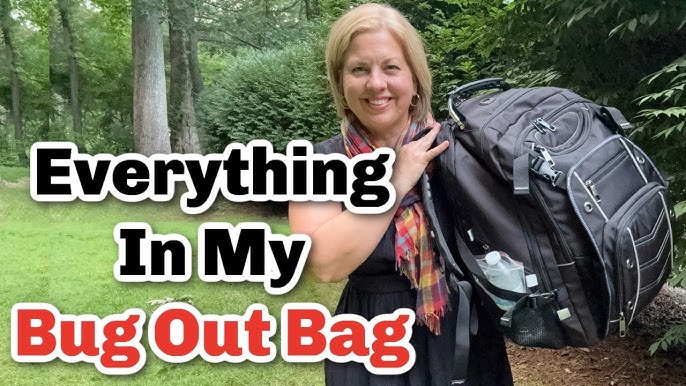
Imagine facing an emergency where you need to leave your home quickly. Do you know what essentials you should grab?
Your survival bug out bag could be the key to staying safe and comfortable when everything else is uncertain. Packing the right items isn’t just about having gear—it’s about preparing your mind and body to handle tough situations. You’ll discover exactly what to put in your bug out bag to make sure you’re ready for anything.
Keep reading, and take the first step towards peace of mind.

Credit: trueprepper.com
Choosing The Right Bag
Choosing the right bag for your survival bug out kit is more than just picking a stylish backpack. It’s about selecting a reliable companion that holds your essentials securely and lets you carry everything comfortably. Your bag will face tough conditions, so making the right choice can make a big difference in an emergency.
Size And Capacity
Your bag needs enough space to fit all survival essentials without being bulky. Think about what you realistically need to carry for 72 hours or more. A 30 to 50-liter pack often strikes the perfect balance—big enough for gear, but small enough to stay manageable.
Ask yourself: will you be walking long distances? If yes, a smaller, lighter bag might be better. If you need to carry extra supplies, consider compartments that help organize gear efficiently.
Material And Durability
Durability is key for any survival bag. Look for high-denier nylon or polyester materials—they resist tears and abrasions well. Waterproof or water-resistant fabrics help protect your gear from rain and wet conditions.
Check the quality of zippers and stitching too; weak points can fail when you need them most. If you’ve ever experienced a backpack strap snapping at a critical moment, you know why this matters.
Comfort And Accessibility
Comfort can change how far and how long you can carry your bug out bag. Padded shoulder straps, a breathable back panel, and adjustable waist belts distribute weight and reduce fatigue. Don’t forget to test the bag with some weight before buying.
Accessibility means you can quickly grab what you need without unpacking the whole bag. Multiple compartments, external pockets, and easy-to-open zippers help you stay organized and efficient. Have you ever fumbled through your bag when every second counted?
Water And Hydration
Water is essential for survival, especially during emergencies. Staying hydrated keeps your body working well. Carrying enough clean water is a top priority in any bug out bag. Planning for safe water access can save your life.
Water Filtration Systems
Water filtration systems remove dirt, bacteria, and parasites from water. They make unsafe water drinkable. Compact filters are easy to carry and use. Some models include straws or pump designs. Choose filters that are lightweight and reliable. Replace filter parts as needed to keep them effective.
Portable Water Containers
Portable water containers store and carry water securely. Look for containers made of durable, BPA-free materials. Collapsible containers save space when empty. Choose containers with wide mouths for easy filling and cleaning. Having multiple containers helps carry extra water for longer trips. Label containers to avoid confusion during emergencies.
Hydration Packs
Hydration packs are backpacks with built-in water reservoirs. They allow hands-free drinking through a tube. These packs are convenient for active movement. Choose packs with insulated tubes to keep water cool. Make sure the pack fits comfortably and has enough capacity. Clean hydration reservoirs regularly to prevent mold and bacteria buildup.
Food And Nutrition
Food and nutrition are at the heart of your survival bug out bag. Without proper sustenance, your energy, focus, and decision-making abilities will quickly decline. Packing the right foods and tools ensures you stay fueled and ready for whatever challenges come your way.
Non-perishable Foods
Choose foods that last long without refrigeration and require minimal preparation. Think of canned beans, dried fruits, nuts, and energy bars. These items keep you energized and take up little space.
- Jerky and dehydrated meats for protein
- Instant oatmeal and powdered milk for quick meals
- Trail mix packed with seeds, nuts, and dried berries
- Ready-to-eat canned soups or stews
Have you tested how long these foods stay fresh in your bag? Rotate them regularly to avoid surprises when you need them most.
Cooking Equipment
Minimal but effective cooking gear can make a big difference. A lightweight portable stove or a small camping pot allows you to heat food and boil water safely.
- Compact camping stove with fuel canisters
- Collapsible cookware to save space
- Multi-use utensils like sporks and folding knives
- Fire-starting tools such as waterproof matches or a lighter
Can you cook your meals without heavy equipment? Practice preparing your bug out meals with the gear you pack to ensure efficiency.
Nutritional Supplements
Supplements are a smart addition to fill any dietary gaps. Vitamins, electrolyte tablets, and protein powders help maintain your health when fresh food is scarce.
- Multivitamins tailored to your needs
- Electrolyte powders to prevent dehydration
- Protein or meal replacement powders for quick nutrition
Think about your daily nutritional needs—can you sustain them with just stored food? Supplements can be the difference between fatigue and resilience in survival situations.

Credit: medium.com
Clothing And Shelter
Clothing and shelter are the foundation of your survival bug out bag. They protect you from harsh weather and help maintain your body temperature. Without proper gear, even a short time outdoors can become dangerous.
Weather-appropriate Clothing
Choose clothing that fits the climate you expect to face. Layering is key: start with a moisture-wicking base layer to keep sweat away from your skin.
Add an insulating middle layer like fleece for warmth, and top it off with a waterproof, windproof outer layer. Don’t forget extra socks and a hat—small details can make a big difference.
Have you tested your gear in real conditions? Wearing your chosen clothes on a hike can reveal what’s comfortable and what’s not before you need them in an emergency.
Portable Shelters
A lightweight, compact shelter can be a lifesaver. Options include tents, tarps, and bivvy sacks, each with pros and cons depending on your situation.
Tarps are versatile and light but offer less protection. Tents provide solid defense against elements but weigh more and take longer to set up.
Consider your bug out location and how quickly you might need to deploy your shelter. Can you set it up alone? Quick assembly can be crucial when time is limited.
Sleeping Bags And Mats
Your sleep system impacts how well you recover and stay warm. Select a sleeping bag rated for temperatures below what you expect to encounter.
Mats add insulation from cold, hard ground and improve comfort. Inflatable mats pack small but carry a risk of puncture; foam mats are bulkier but more durable.
Have you ever woken up shivering outdoors? The right sleeping bag and mat can prevent that and keep your energy up for the next day’s challenges.
First Aid And Health
Keeping your health in check during an emergency is not just important—it can be life-saving. Your bug out bag must have the right first aid and health supplies to handle injuries, manage chronic conditions, and maintain hygiene. Think about the kinds of situations you might face and prepare accordingly.
Basic First Aid Kit
A solid first aid kit is your first line of defense. Make sure it includes bandages, antiseptic wipes, adhesive tape, gauze pads, and scissors. Don’t forget items like tweezers and a digital thermometer to handle unexpected issues.
Adding a CPR mask and instant cold packs can make a big difference in emergencies. You want to be ready for cuts, burns, sprains, and even minor infections. Imagine being able to stop bleeding or clean a wound properly when help is far away—how much peace of mind would that give you?
Medications And Prescriptions
Have a supply of over-the-counter pain relievers, antihistamines, and anti-diarrheal medicine. If you take prescription drugs, pack enough to last several days beyond your expected trip length. Keep them in waterproof containers to avoid damage.
Consider your family’s unique health needs. For example, if someone has asthma, inhalers are a must. How would you manage if you suddenly run out of critical medication? Planning ahead can save you from that risk.
Hygiene Essentials
Staying clean helps prevent infections and keeps your spirits up. Include travel-sized soap, hand sanitizer, toothbrush, toothpaste, and feminine hygiene products. Don’t overlook items like wet wipes and a small towel—they’re invaluable when water is scarce.
Think about how much easier it is to stay positive when you feel fresh and healthy. What small hygiene item could make the biggest difference for you in a survival scenario? Adding those little comforts can boost your resilience in tough times.
Tools And Equipment
Your survival bug out bag isn’t complete without the right tools and equipment. These items are the backbone of your ability to handle unexpected situations efficiently. Think about what you would reach for first if you had to leave your home quickly—those essentials should be in your bag.
Multi-tools
A good multi-tool combines several functions into one compact device. You might find yourself needing a knife, screwdriver, or pliers in a sudden emergency. Having all of these in one tool saves space and weight, which is critical when you’re on the move.
Look for multi-tools with sturdy construction and reliable locking mechanisms. Some models include scissors, can openers, and even small saw blades. I once used a multi-tool to fix a broken zipper on my backpack during a hike—small fixes like that keep you going.
Fire Starters
Starting a fire can mean the difference between warmth, cooking food, and signaling for help. Carry multiple fire starters like waterproof matches, a lighter, and a ferrocerium rod. Each method offers a backup if one fails.
Practice using your fire starters before you pack them. You don’t want to learn how to create sparks for the first time under pressure. Have you tested your gear recently? Reliable fire-starting tools boost your confidence and survival chances.
Navigation Aids
Even if you think you know the area, getting lost is easier than you expect. Include a compass and a detailed map of your region in your bag. Digital GPS devices are helpful but should never replace traditional navigation tools due to battery dependency.
Make sure you know how to read your map and use the compass properly. I once got off track during a forest trek because I relied solely on my phone’s GPS, which died quickly. Can you navigate if your electronic devices fail?
Communication And Signaling
Communication and signaling tools are essential in a survival bug out bag. They help you stay connected and alert rescuers to your location. Without clear communication, chances of being found or receiving help drop sharply.
Choose lightweight, reliable, and easy-to-use devices. Each tool serves a different purpose in emergencies. Combining them increases your chances of survival and rescue.
Two-way Radios
Two-way radios let you talk with others over short distances. They do not rely on cell towers or internet. This makes them perfect in remote or disaster-hit areas.
- Look for radios with long battery life.
- Choose models that are waterproof and durable.
- Test them regularly to ensure they work well.
Whistles And Mirrors
Whistles and mirrors are simple but effective signaling tools. A whistle can be heard from far away, even through dense woods. Mirrors reflect sunlight to catch attention from miles.
- Carry a loud, high-pitched whistle for better range.
- Use a small signal mirror that fits in your bag.
- Practice using them to send distress signals.
Emergency Beacons
Emergency beacons send your location to rescuers quickly. They use GPS and satellite signals. This technology works anywhere in the world.
- Choose a Personal Locator Beacon (PLB) or satellite messenger.
- Register your device with relevant rescue services.
- Keep it accessible and ensure it is fully charged.
Self-defense And Security
Self-defense and security are crucial parts of any survival bug out bag. Staying safe protects your life and your resources. Preparing for threats helps keep you calm and ready. A well-stocked bag includes items and knowledge to protect yourself in tough situations.
Personal Defense Items
Choose compact and easy-to-use defense tools. They should be legal and safe for your area. Examples include:
- Whistle for attracting attention
- Pepper spray for non-lethal protection
- Multi-tool with a sturdy blade
- Small flashlight to disorient an attacker
- Personal alarm to scare off threats
Always practice using your tools. Confidence improves your safety during an emergency.
Situational Awareness
Awareness helps you avoid danger before it starts. Stay alert to your surroundings at all times. Notice unusual sounds, smells, or movements. Trust your instincts if something feels wrong. Plan escape routes in every location you visit. Avoid distractions like loud music or phones. Being aware reduces risks and prepares you to act quickly.
Emergency Plans
Having clear plans boosts your security during crises. Decide on safe meeting points with family or friends. Share your plans with trusted people. Know how to communicate without phone signals. Keep maps and important contacts in your bag. Practice your plans regularly to improve response time. Preparedness gives you control over uncertain situations.
Miscellaneous Essentials
Miscellaneous essentials in a bug out bag fill the gaps. They support survival beyond food, water, and shelter. These items solve unexpected problems and keep you flexible. Small tools and supplies often prove the most useful in tough situations.
Duct Tape And Paracord
Duct tape fixes almost anything fast. Use it to patch gear, hold wounds, or build shelters. Paracord is strong and light. It can tie things, make traps, or carry heavy loads. Both take little space but offer many uses.
Notepad And Pencil
Write important notes, directions, or messages. A notepad and pencil help track time and tasks. Pencil works even when wet. Paper is light and easy to carry. Communication and planning improve with these simple tools.
Cash And Important Documents
Carry small amounts of cash for emergencies. Not all places accept cards or digital payments. Keep copies of IDs, insurance, and medical papers. Store documents in a waterproof bag. Access to money and papers can save time and stress.

Credit: www.amazon.com
Frequently Asked Questions
What Are The Essential Items For A Survival Bug Out Bag?
A survival bug out bag should include water, food, shelter, first aid, and tools. Prioritize lightweight, multipurpose items for efficiency and ease of carrying.
How Much Water Should I Pack In A Bug Out Bag?
Pack at least one gallon of water per person per day. Include water purification tablets or a portable filter for longer survival situations.
What Food Is Best For A Survival Bug Out Bag?
Choose non-perishable, high-calorie foods like energy bars, dried fruits, nuts, and freeze-dried meals. Focus on lightweight and nutrient-dense options for energy.
Should I Include A First Aid Kit In My Bug Out Bag?
Yes, a first aid kit is vital. Include bandages, antiseptics, pain relievers, and any personal medications. It helps treat injuries and prevent infections.
Conclusion
A good bug out bag keeps you ready for emergencies. Pack items that help you eat, stay warm, and find water. Keep your bag light but full of essentials. Check it often to replace old or used supplies. Practice using your gear so you know it well.
Being prepared can make tough situations easier to handle. Start building your bag today to stay safe tomorrow.