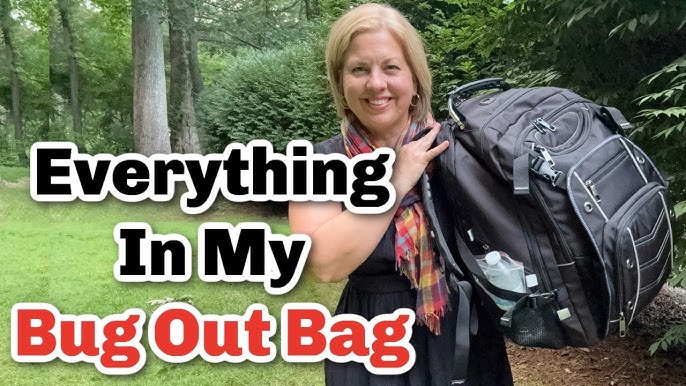
Have you ever wondered what you would do if you had to leave your home quickly, with only minutes to grab essentials? That’s where a Bug Out Survival Bag becomes your best friend.
It’s not just a backpack filled with random stuff—it’s a carefully packed kit designed to keep you safe, fed, and prepared when everything else falls apart. You’ll discover exactly what a Bug Out Survival Bag is, why it’s crucial for your safety, and how having one can give you peace of mind in uncertain situations.
Keep reading, because your preparedness could make all the difference.
Bug Out Bag Basics
A bug out survival bag is a small pack with essential items for emergencies. It helps you survive if you must leave home quickly. Knowing the basics of a bug out bag is key to being prepared. It should be lightweight, durable, and easy to carry.
The bag contains tools and supplies for food, water, shelter, and safety. Each item should serve a clear purpose. You want to be ready for different situations, from natural disasters to power outages.
What Is A Bug Out Bag?
A bug out bag is a portable kit for survival in urgent situations. It holds everything you need to live for at least 72 hours. The goal is to have what you need to stay safe, find food, and protect yourself.
Essential Items To Include
- Water and water purification tools
- Non-perishable food and snacks
- First aid supplies
- Clothing and shelter materials
- Tools like a flashlight, knife, and fire starter
- Personal hygiene products
- Important documents and cash
Select a bag that fits your body and has enough space. Look for strong materials and secure zippers. Comfort matters because you may carry it for hours. Multiple compartments help keep things organized and accessible.
Maintaining Your Bug Out Bag
Check your bag regularly to replace expired items. Update it to suit changing seasons or personal needs. Practice carrying the bag to get used to its weight. Being familiar with your kit boosts confidence in an emergency.
Choosing The Right Bag
Choosing the right bug out survival bag matters a lot. It affects how easily you can carry essential items. Your bag should suit your needs and environment. Comfort and practicality go hand in hand for quick escape situations. Making the right choice means better preparedness and less hassle during emergencies.
Size And Weight Considerations
The size of the bag depends on what you plan to carry. A bag too large may slow you down. A small bag might not hold all important gear. Balance size with what you really need. Weight matters too. A heavy bag can tire you quickly. Choose a bag light enough to carry for long periods. Think about how long you may need to survive with your bag alone.
Material And Durability
Strong material protects your supplies from damage. Look for bags made of nylon or polyester. These materials resist tears and water. The bag should handle rough use and weather. Check for reinforced stitching and sturdy zippers. Durability ensures your bag lasts through tough conditions. A durable bag keeps your items safe and dry.
Essential Food And Water Supplies
Having the right food and water supplies in your bug out survival bag can make the difference between staying safe and facing serious hardship. These essentials keep your energy up and prevent dehydration during emergencies. You want to pack smart—lightweight, long-lasting, and easy to prepare items that won’t weigh you down.
Non-perishable Food Items
Choose foods that won’t spoil quickly and require minimal cooking. Think about high-calorie, nutrient-dense options that fuel your body effectively. Items like:
- Granola bars and trail mix
- Canned beans, tuna, or chicken
- Dehydrated fruits and vegetables
- Instant oatmeal packets
- Freeze-dried meals designed for camping
Have you considered how easy it is to get tired of the same snacks? Rotating your stash every six months keeps your food fresh and your morale high.
Water Purification Solutions
Water is heavier than food but even more vital. Carrying enough water for several days isn’t practical, so you need a way to purify natural sources. Popular options include:
- Portable water filters that remove bacteria and protozoa
- Water purification tablets or drops for quick treatment
- UV light purifiers that neutralize pathogens with a small device
Think about the last time you trusted a water source outdoors. Do you have a reliable way to make it safe now? Your survival bag should give you confidence that clean water is always within reach.

Credit: medium.com
Clothing And Shelter Essentials
Clothing and shelter are the backbone of any bug out survival bag. Without proper protection from the elements, your chances of staying safe and comfortable drop significantly. You need gear that adapts to changing weather and provides reliable cover wherever you land.
Appropriate Clothing Layers
Choosing the right clothing layers can make all the difference. Start with a moisture-wicking base layer to keep sweat off your skin. Next, add an insulating layer like fleece or wool to trap heat.
Top it off with a waterproof and windproof outer shell. This combination lets you adjust your outfit based on temperature and activity. Think about the seasons you’ll face—summer heat, winter cold, or wet conditions—and pack accordingly.
Don’t forget extras like hats, gloves, and durable socks. I once had to trek through unexpected rain, and my layered clothes kept me dry and warm, proving their worth. What’s your go-to layer when the weather turns?
Portable Shelter Options
Your shelter doesn’t have to be bulky to be effective. Lightweight tents, tarps, and bivvy sacks all fit nicely in a bug out bag and offer quick protection. Choose something easy to set up, as you might need to pitch it in low-light or stressful conditions.
Consider a tarp paired with a sturdy rope—it’s versatile and weighs less than traditional tents. A compact tent with a rainfly can provide more security and privacy but weighs more. Reflect on your environment and how much space you have for shelter when deciding what to carry.
Remember, shelter isn’t just about staying dry; it’s about creating a safe zone to rest and recover. Have you tested your shelter gear in different weather? How quickly can you set it up when time is limited?
First Aid And Health Supplies
Keeping a well-stocked first aid and health supplies section in your bug out survival bag can make a huge difference during emergencies. Injuries can happen anytime, and having the right tools ready helps you act fast and stay safe. Think about how uncomfortable it would be to face a cut or sprain without any supplies on hand.
Basic First Aid Kit
Your basic first aid kit should cover common injuries like cuts, burns, and scrapes. Include items such as:
- Adhesive bandages in various sizes
- Sterile gauze pads and adhesive tape
- Antiseptic wipes and antibiotic ointment
- Elastic bandages for sprains
- Disposable gloves to keep things clean
- Scissors and tweezers for precision
These essentials allow you to quickly stop bleeding, prevent infection, and manage minor wounds until professional help is available. Have you ever tried treating a burn without proper supplies? It’s painful and risky. Carrying these basics ensures you won’t have to face that.
Personal Medications
Everyone’s health needs are different, so your bug out bag must include personal medications. This means packing any prescription drugs you take regularly, like insulin or heart medication. Don’t forget pain relievers, allergy medicine, or antacids that you might need.
Also, consider adding extras like a thermometer and any medical devices you use daily. What if you get sick or injured far from help? Having your medications close can keep you stable and reduce stress during tough times.
Tools And Equipment
Having the right tools and equipment in your bug out survival bag can make a huge difference when you face unexpected situations. These items aren’t just extras; they’re essential for your safety and ability to adapt. Let’s look at two key categories that often determine how well you can handle emergencies.
Multi-tools And Knives
A good multi-tool or knife is a cornerstone of any survival setup. They combine several functions in one compact device, saving space and weight in your bag.
- Multi-toolsusually include pliers, screwdrivers, can openers, and scissors. This versatility lets you fix gear, prepare food, or perform first aid tasks.
- Knivesprovide precision cutting, which is crucial for everything from making shelter to preparing kindling for fire.
I once relied on a simple fixed-blade knife to build a shelter after my multi-tool’s blade broke. That experience taught me the value of having both a sturdy knife and a multi-tool—don’t settle for just one.
Fire Starting Tools
Fire is more than warmth; it’s a lifesaver. You need reliable tools that work in all conditions, including wet or windy weather.
- Waterproof matchesand lighters are easy to use but can fail if soaked or damaged.
- Ferro rodsproduce sparks even when wet, making them a dependable backup.
- Fire starterslike cotton balls soaked in petroleum jelly or commercial tinder can help ignite fire quickly.
Have you ever struggled to start a fire in damp conditions? Keeping multiple fire-starting methods in your bag ensures you’re not left out in the cold when it matters most.
Navigation And Communication
Navigation and communication are key to survival in emergency situations. A bug out survival bag must include reliable tools to find your way and stay connected. Without these, getting lost or isolated becomes a real danger. Preparing for clear navigation and effective communication boosts your safety greatly.
Maps And Compasses
Maps and compasses are essential for navigation without technology. Paper maps show terrain, roads, and landmarks. A compass helps you find direction even without GPS signals. Both are lightweight and last indefinitely. Learning to read maps and use a compass is a vital skill. Keep maps updated and waterproof. Always pack them where they are easy to reach.
Two-way Radios
Two-way radios allow direct communication with others nearby. They do not depend on cell towers or internet. Radios are useful for coordinating with family or rescue teams. Choose models with long battery life and clear sound. Carry extra batteries or a solar charger. Practice using radios to understand channels and signals. Radios increase your chances to call for help or share information instantly.
Personal And Hygiene Items
Personal and hygiene items are often overlooked when packing a bug out survival bag. Yet, these essentials play a critical role in maintaining your health and morale during an emergency. Keeping clean and feeling secure can make a tough situation more manageable and less stressful.
Hygiene Essentials
Cleanliness helps prevent illness, especially when access to medical care is limited. You should pack basic items like:
- Travel-sized soap and hand sanitizer
- Toothbrush and toothpaste
- Wet wipes and a small towel
- Feminine hygiene products
- Compact nail clippers and a small comb
I once underestimated the power of wet wipes during a long outdoor trip. They not only refreshed me but also kept germs at bay. Ask yourself: How will you maintain hygiene if water is scarce?
Personal Security Tools
Your safety depends on more than just awareness; having personal security tools adds a vital layer of protection. Consider carrying:
- A whistle or personal alarm for signaling
- A small flashlight or headlamp
- A sturdy multi-tool with a knife
- Self-defense items allowed in your area, such as pepper spray
During a hiking trip, I found a whistle invaluable to alert my group when separated. What personal security items will help you feel safer in uncertain situations?
Packing And Organizing Tips
Packing and organizing a bug out survival bag can save time and reduce stress during emergencies. A well-packed bag ensures quick access to essential items. Organization helps keep everything in place and easy to find. Thoughtful packing makes your bag lighter and balanced. This section shares tips on efficient packing and labeling for your survival bag.
Efficient Packing Techniques
Start by grouping similar items together. Use small pouches or zip bags for each group. Roll clothes to save space and prevent wrinkles. Place heavy items at the bottom of the bag. Keep frequently used items near the top or outside pockets. Use compression sacks to reduce bulk for sleeping bags or clothes. Fill empty spaces with small items to avoid shifting. Pack multi-use tools to save room and weight.
Labeling And Inventory Check
Label each pouch or container clearly. Use waterproof tags or permanent markers. Create a simple inventory list for your bag’s contents. Check the list regularly to update or replace items. Store the list inside a clear plastic sleeve in the bag. This helps track supplies and prevents forgetting essentials. Labeling also speeds up finding items in a hurry. Keep the inventory list short and easy to read.

Credit: www.amazon.com

Credit: trueprepper.com
Frequently Asked Questions
What Is A Bug Out Survival Bag?
A Bug Out Survival Bag is a portable kit containing essential items for emergency evacuation. It helps you survive for 72 hours or more during disasters.
What Should I Pack In A Bug Out Bag?
Include water, food, first aid, shelter, tools, and clothing. These essentials ensure your safety and comfort in emergencies.
How Long Can A Bug Out Bag Sustain You?
Typically, a well-prepared bag sustains you for 72 hours. This timeframe covers initial emergency situations until help arrives.
Who Needs A Bug Out Survival Bag?
Anyone in disaster-prone areas or outdoor enthusiasts should have one. It provides safety during unexpected evacuations or survival scenarios.
Conclusion
A bug out survival bag keeps you ready for emergencies. It holds tools and supplies you need fast. Packing one helps you stay safe and calm. Choose items that fit your needs and space. Check and update your bag often.
Being prepared means you can act quickly. Stay confident knowing you have what matters most. A simple bag can make a big difference. Start building your bug out bag today.