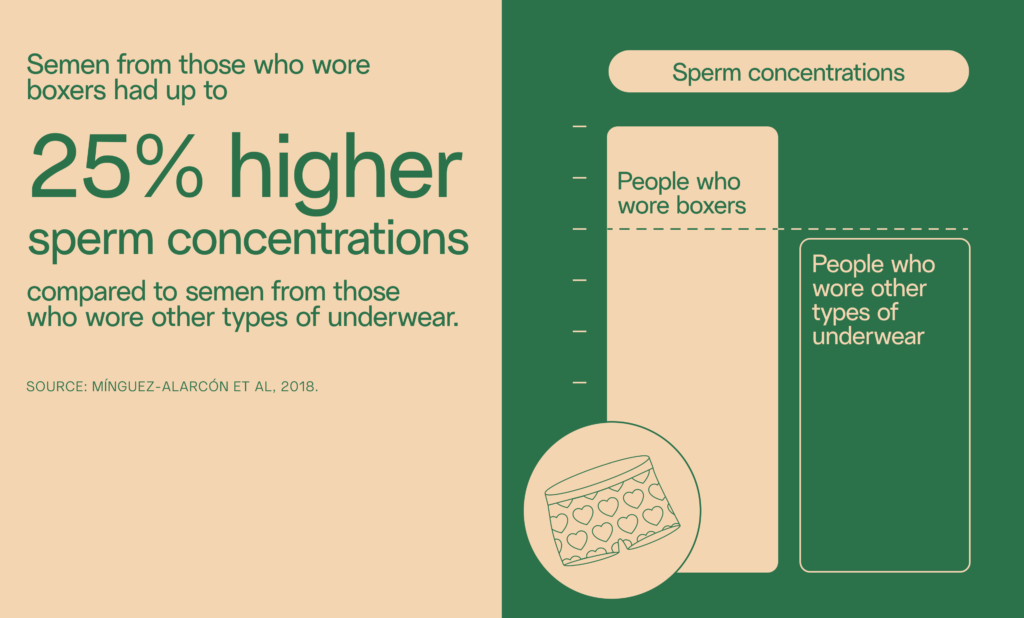
Have you ever wondered how long sperm can survive in your clothes? Whether you’re concerned about hygiene, pregnancy risks, or just curious, understanding this topic is important.
Knowing the facts can help you make smarter choices about handling clothes after intimate moments. You’ll discover exactly how long sperm lives on fabric and what factors affect its survival. Keep reading to clear up common myths and get answers that matter to you.
Sperm Lifespan Overview
Sperm cells are delicate and need specific conditions to survive. Their lifespan varies depending on the environment they are in. Understanding how long sperm live in clothes helps clarify many concerns about fertility and hygiene.
Clothes do not provide a supportive environment for sperm. The cells dry out quickly once exposed to air and fabric. This causes most sperm to die within minutes or hours.
Sperm Survival Time On Fabric
Sperm usually survive only a short time on clothes. Dry fabric draws moisture away, which is crucial for sperm survival. Without moisture, sperm lose mobility and die fast.
Factors Affecting Sperm Lifespan In Clothes
- Moisture level: Wet clothes may keep sperm alive longer.
- Temperature: Warmth can extend sperm life slightly.
- Exposure to air: Air dries sperm quickly, reducing lifespan.
- Fabric type: Some fabrics absorb moisture more than others.
Typical Sperm Lifespan In Clothes
| Condition | Estimated Lifespan |
|---|---|
| Dry clothing | Minutes to 1 hour |
| Wet or damp clothing | Up to several hours |
| Warm environment | Possibly a few hours |
Factors Influencing Sperm Survival
Understanding how long sperm can survive in clothes depends largely on a few key factors. These factors create an environment that either supports sperm survival or leads to its rapid decline. Knowing what affects sperm lifespan outside the body can help you make better decisions, whether it’s for health, hygiene, or curiosity.
Temperature Effects
Sperm cells are sensitive to temperature changes. They survive longer in cooler conditions because heat speeds up their deterioration. For example, leaving a stained piece of clothing in a warm room can reduce sperm survival time drastically compared to storing it in a cooler place.
Have you ever noticed how quickly stains seem to dry or fade in different environments? Temperature plays a big role in this process, impacting how long sperm remains viable on fabric.
Fabric Type
The kind of fabric sperm lands on affects its survival. Natural fibers like cotton absorb moisture quickly, which can help sperm dry out faster and die sooner. Synthetic fabrics, like polyester, tend to hold moisture on the surface, potentially allowing sperm to survive a bit longer.
Think about your own experience with clothing stains—some fabrics seem to hold onto them stubbornly, while others release them easily. This difference in absorption and texture influences sperm lifespan as well.
Moisture Presence
Moisture is crucial for sperm survival outside the body. Sperm needs a wet environment to stay alive; dryness causes it to die quickly. If clothes are damp or recently soiled, sperm can survive longer than on completely dry fabric.
Have you noticed how some stains stay wet for a while, while others dry almost instantly? That moisture level can be the deciding factor in how long sperm lasts on your clothes.
Sperm Lifespan On Different Surfaces
Sperm survival outside the body depends greatly on the surface they land on. Different materials affect how long sperm can stay alive and potentially remain active. Understanding these differences can help you make informed decisions about hygiene and handling after intimate moments.
Clothing Materials
Clothing fabrics vary widely in how they affect sperm lifespan. Smooth, synthetic materials like polyester tend to dry quickly, reducing sperm survival to just a few minutes. On the other hand, natural fibers such as cotton can hold moisture longer, allowing sperm to survive up to several hours.
If you ever wonder whether sperm can remain active on your clothes, think about how damp the fabric feels. Moisture is key—without it, sperm dry out and die fast. So, if your clothes are dry, the chance of sperm surviving is very low.
Bedding And Towels
Bedding and towels are usually made from absorbent materials like cotton or microfiber. These surfaces can retain moisture, creating a more hospitable environment for sperm. As a result, sperm may survive longer—sometimes up to a few hours—on damp bedding or towels.
Have you noticed how a wet towel stays damp for hours? This same moisture can keep sperm alive longer than you might expect. Washing towels and sheets regularly and drying them thoroughly helps minimize any risk.
Credit: oasisindia.in
Common Myths Debunked
Many myths surround how long sperm can survive on clothes. These myths often cause confusion and worry. It is important to know the facts to avoid misunderstandings. Let’s clear up some common wrong ideas about sperm survival on fabric.
Sperm Reanimation
Some people believe sperm can come back to life after drying on clothes. This is not true. Once sperm dries, it dies quickly. Dried sperm cannot fertilize an egg or move again. Survival only lasts a few minutes on dry surfaces like fabric.
Impact Of Detergents
Detergents and washing soaps kill sperm instantly. Cleaning clothes with detergent removes any sperm present. Detergents break down sperm cells and wash them away. Regular washing ensures no sperm remains on fabric.
Practical Implications
Understanding how long sperm survives in clothes is more than just a curiosity—it has real consequences for your daily hygiene and laundry routines. Knowing the practical side of this can help you avoid unwanted surprises and maintain cleanliness effectively. Let’s look at how this knowledge translates into everyday actions you can take.
Hygiene Practices
After any sexual activity, changing your clothes promptly matters. Sperm can survive on fabric for a short period, but it doesn’t last long once exposed to air and dry conditions.
Think about how often you leave clothes lying around after intimacy. Could this increase the risk of staining or bacterial growth? Washing your clothes soon after use reduces these risks.
Also, consider the fabric type. Natural fibers like cotton dry faster and may reduce sperm survival time compared to synthetic fabrics that retain moisture longer. Keeping this in mind can help you choose the right clothes for comfort and hygiene.
Laundry Tips
Proper laundry methods go a long way in ensuring no traces remain on your clothes. Use warm water and a good detergent to break down bodily fluids effectively.
Adding a pre-soak step with a bit of detergent can help loosen any stubborn stains or residues. Have you ever noticed how some stains disappear after soaking but not with a quick wash?
Drying clothes thoroughly is just as important. Damp environments can prolong the survival of sperm and bacteria, so make sure your laundry is completely dry before storing it away.
- Separate intimate wear from other laundry to avoid cross-contamination.
- Use a gentle bleach if the fabric allows—it kills sperm and bacteria quickly.
- Regularly clean your washing machine to prevent buildup of residues.
Have you ever thought about how your laundry habits impact not just cleanliness but also your peace of mind? Small changes in your hygiene and laundry routine can make a big difference.
Credit: oasisindia.in
Research And Expert Opinions
Understanding how long sperm can survive on clothes is important for many reasons. Research and expert opinions provide valuable insights into this topic. These studies help separate myths from facts. They explain conditions that affect sperm survival outside the body.
Experts agree that sperm survival depends on several factors. These include moisture, temperature, and fabric type. Dry and warm environments usually kill sperm faster. Clothes that are damp or wet may allow sperm to live longer. The type of fabric also matters. Smooth fabrics may hold sperm differently than rough ones.
Scientific Studies On Sperm Survival Outside The Body
Research shows sperm live only a short time outside the body. One study found sperm survive up to a few minutes on dry surfaces. On wet or moist surfaces, survival can extend to several hours. This means sperm on dry clothes die quickly. Moisture increases the chance of sperm survival.
Expert Opinions On Sperm Viability In Clothing
Doctors and scientists say sperm do not live long on clothes. They highlight that clothes usually dry quickly. Drying kills sperm cells by removing moisture. Experts stress that sperm need a wet environment to survive. Without moisture, sperm lose their ability to swim and fertilize.
Factors Influencing Sperm Survival On Fabrics
- Moisture:Wetness helps sperm live longer on clothes.
- Temperature:Warmth speeds up sperm death; cold may preserve them briefly.
- Fabric Type:Natural fibers absorb moisture; synthetic fibers may dry faster.
- Exposure to Air:Air exposure dries sperm quickly, reducing survival time.
Implications Of Research For Everyday Situations
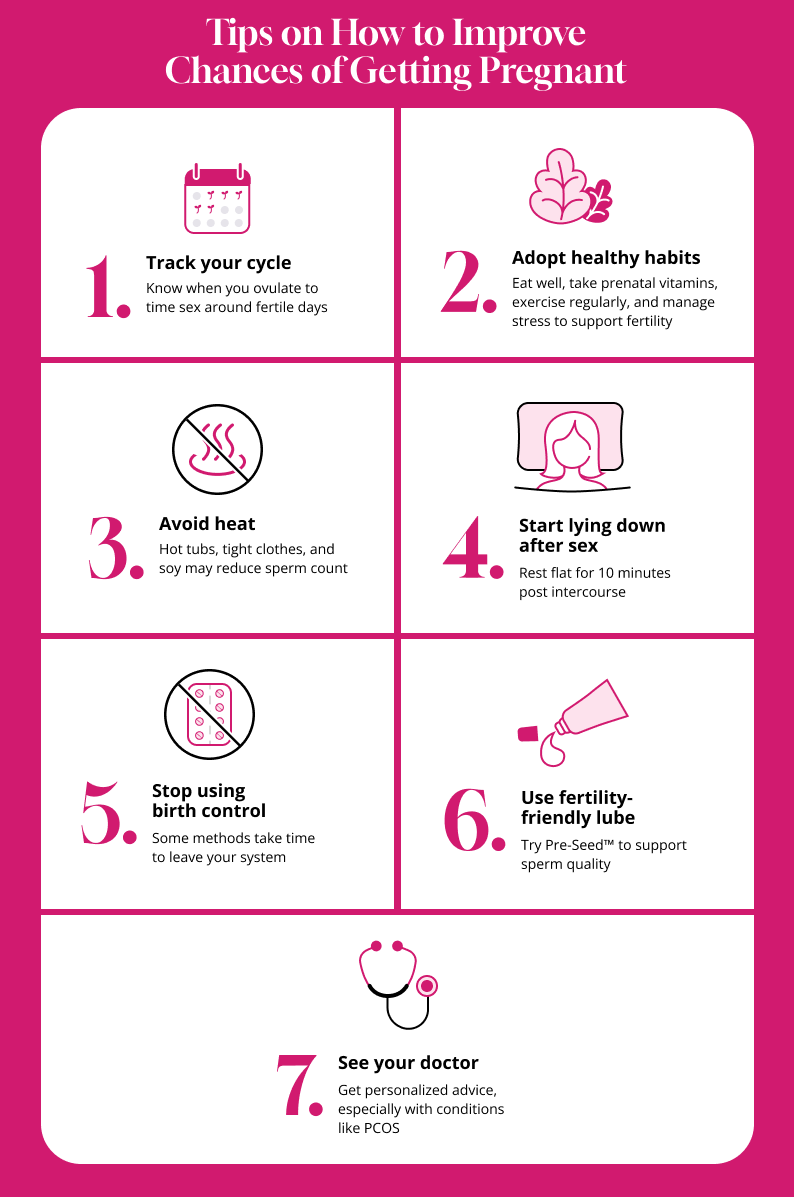
Research and expert views suggest minimal risk of sperm surviving on clothes. This lowers chances of unintended pregnancy through contact with clothing. Proper washing and drying of clothes remove sperm effectively. Experts recommend hygiene practices to avoid any concerns.
Credit: www.firstresponse.com
Frequently Asked Questions
How Long Can Sperm Survive On Clothes?
Sperm can survive on clothes for a few minutes to an hour. Dryness and temperature reduce their lifespan rapidly. They die quickly once semen dries on fabric.
Does Washing Clothes Kill Sperm Effectively?
Yes, washing clothes with detergent and warm water kills sperm. The agitation and cleaning agents break down sperm cells. Proper washing ensures no sperm remain viable on clothing.
Can Sperm Cause Pregnancy From Clothes?
Pregnancy from sperm on clothes is highly unlikely. Sperm need a moist environment and direct contact with the vagina. Dried sperm on clothes lose fertility almost immediately.
What Factors Affect Sperm Survival On Fabric?
Moisture, temperature, and fabric type affect sperm survival. Warm, damp conditions extend sperm life, while dryness and cold reduce it. Porous fabrics absorb moisture, speeding sperm death.
Conclusion
Sperm does not survive long on clothes. Dry fabric and air reduce its life quickly. Usually, sperm dies within minutes to a few hours outside the body. Warmth and moisture may help it last a bit longer. Still, chances of sperm staying active on clothes are very low.
Proper washing removes any sperm traces easily. Understanding this helps clear up common questions. It also reduces unnecessary worries about sperm survival on clothing. Keep clothes clean and dry to avoid concerns. Simple facts can ease your mind about this topic.


