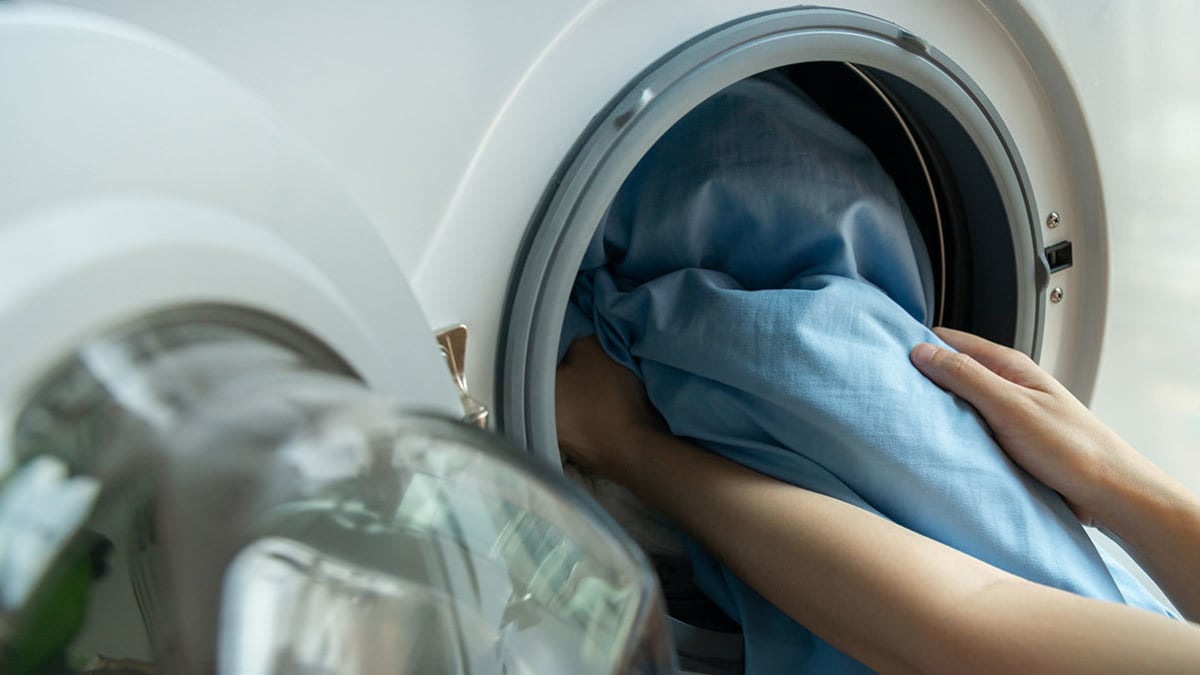
Have you ever wondered if the virus can stick around on your clothes? You touch your jacket, your shirt, or even your mask throughout the day.
But how long could germs actually survive there? Knowing this can help you protect yourself and your loved ones better. You’ll discover the surprising truth about viruses on fabric and simple steps you can take to stay safe. Keep reading—what you learn might change how you think about your everyday clothes.

Credit: resources.hygienehub.info
Virus Survival On Fabrics
Understanding how long viruses can live on fabrics can help you make better decisions about laundry and handling clothes safely. Different materials affect virus survival in unique ways. Knowing these details can reduce your risk of catching or spreading infections.
How Long Can Viruses Live On Clothes?
Viruses can survive on fabrics from a few hours to several days depending on the type of virus and the fabric material. For example, flu viruses may last up to 24 hours on cotton, while coronaviruses can survive up to 2 days on some synthetic fabrics.
Think about the last time you wore a jacket outside and later wondered if it could carry germs. That’s a real concern, especially if you touched surfaces or were around sick people.
Impact Of Fabric Type On Virus Survival
Natural fibers like cotton tend to absorb moisture, which can shorten virus survival time. Synthetic fibers like polyester usually hold viruses longer because they don’t absorb moisture as well.
This means your workout clothes, often made of synthetic blends, might hold viruses longer than your everyday cotton shirts. Are you washing those workout clothes frequently enough?
Temperature And Humidity Effects On Fabrics
Higher temperatures and humidity levels usually reduce virus survival on fabrics. Washing clothes in warm or hot water and drying them thoroughly can help kill most viruses.
But viruses can hang around longer in cool, dry conditions. Have you noticed how your winter clothes seem less fresh even after a day? It could be because viruses stick around more in those environments.
Practical Tips For Handling Clothes Safely
- Wash clothes promptly after exposure to public places or sick individuals.
- Use the warmest water safe for the fabric to help kill viruses.
- Dry clothes completely, preferably in a dryer rather than air drying.
- Handle dirty laundry carefully—avoid shaking clothes to prevent spreading virus particles into the air.
By treating your clothes with care, you can reduce the chance of viruses lingering and protect yourself and those around you.
Factors Affecting Virus Longevity
Viruses do not survive equally on all types of clothing. Their lifespan depends on various factors. These factors influence how long a virus can remain active on fabric surfaces. Understanding these helps reduce the risk of virus transmission through clothes.
Fabric Type And Texture
Different fabrics affect virus survival in unique ways. Smooth fabrics like polyester offer less grip for viruses. Rough or porous fabrics, such as cotton, can trap viruses in fibers. This may protect the virus from drying out, extending its life. Natural fibers tend to hold moisture longer, which can help viruses survive.
Environmental Conditions
Temperature and humidity play a big role in virus longevity. Warm temperatures usually shorten a virus’s lifespan. Cold and damp conditions help viruses survive longer. Sunlight, especially UV rays, can quickly inactivate viruses on clothes. Poor air circulation may also increase virus survival time.
Duration On Different Materials
Viruses last for different times depending on fabric type. On synthetic fabrics, viruses may survive from a few hours up to two days. On cotton and other natural fabrics, viruses can stay active longer, sometimes up to three days. High-touch areas like collars and cuffs may hold viruses longer due to frequent contact.
Common Viruses And Their Behavior
Viruses behave differently when they land on clothes, depending on their type and environmental conditions. Understanding how common viruses act on fabric can help you decide how to handle your laundry safely. Let’s look at some well-known viruses and what happens when they cling to your clothes.
Flu Viruses
Flu viruses can survive on clothes for several hours, sometimes up to 24 hours, especially on synthetic fibers. They don’t multiply outside the body, but they remain infectious during this time. Washing clothes with detergent and warm water usually kills these viruses effectively.
Have you ever wondered why the flu spreads so fast during winter? Part of the reason is that the virus sticks to scarves, jackets, and gloves, waiting to jump to the next person. Keeping your clothes clean is a simple step to cut this chain.
Covid-19
COVID-19 virus particles can stay on fabrics for up to 2 days under certain conditions. However, the risk of catching COVID-19 from clothes is low compared to direct contact or airborne droplets. Still, washing clothes after exposure to public spaces or sick individuals is a smart precaution.
Remember, the virus is fragile on porous surfaces like fabric. Regular laundry with detergent disrupts its protective layer, making it inactive. This means your daily washing routine plays a big role in keeping your family safe.
Other Contagious Viruses
Viruses like norovirus and rhinovirus also survive on clothes but for different lengths of time. Norovirus, which causes stomach flu, can last on fabric for several days, making contaminated clothes a hidden risk. Rhinoviruses, common cold viruses, survive shorter periods but still pose a transmission threat.
Think about how often you wear the same outfit multiple days or share clothes with others. This small habit might increase your chance of catching or spreading these viruses. Washing clothes regularly and avoiding sharing personal items can reduce this risk significantly.
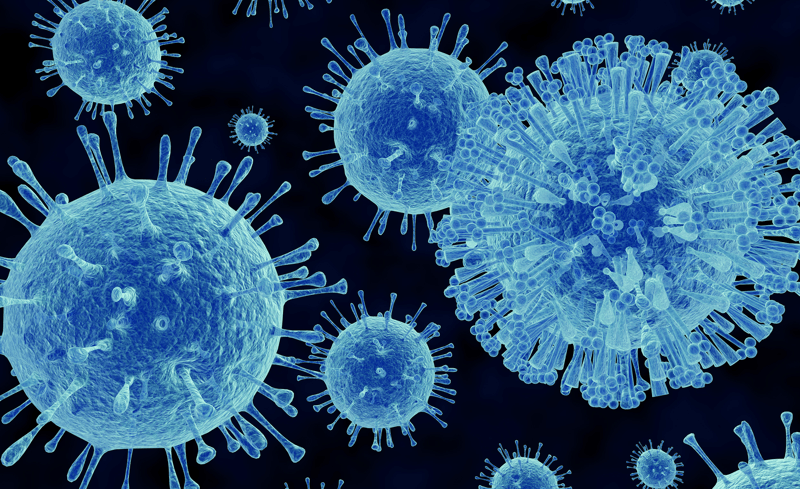
Credit: health.clevelandclinic.org
Scientific Studies And Findings
Scientific studies help us understand how long viruses live on clothes. Researchers test different viruses on various fabrics. They check how virus particles behave over time. These findings guide safety tips for handling laundry.
Recent Research
Studies show some viruses can survive on clothes for hours to days. Survival depends on virus type and fabric kind. Smooth materials like polyester may hold viruses longer. Natural fibers like cotton tend to reduce virus survival faster.
One study found flu viruses remain active on clothes up to 24 hours. Another research on coronavirus showed it can last up to 2 days on certain fabrics. Temperature and humidity also affect virus life on textiles.
Expert Opinions
Health experts agree viruses do not thrive well on clothes. They say virus particles on fabric usually lose strength quickly. Experts recommend washing clothes regularly to reduce risk. Hot water and detergent help remove viruses effectively.
Some experts emphasize avoiding touching your face after handling dirty clothes. They suggest drying clothes completely before use. Overall, experts stress that proper hygiene lowers virus spread through clothing.
Protection Measures And Tips
Understanding how to protect yourself and others from viruses on clothes is essential, especially during flu seasons or outbreaks. Simple habits and mindful actions can significantly reduce the risk of virus transmission through your garments. Let’s look at practical tips to keep your clothes safe and virus-free.
Proper Clothing Hygiene
Wearing clean clothes every day is more important than you might think. Viruses can stick to fabric, so changing clothes after being in crowded places or contact with others lowers your risk.
Try to avoid wearing the same clothes multiple days in a row without washing. Also, consider using separate outfits for indoor and outdoor activities to minimize contamination.
Effective Cleaning Techniques
Washing clothes in warm water with detergent helps kill most viruses. Adding a bit of bleach to white fabrics can boost the cleaning power, but be careful with colors.
Drying clothes on high heat further reduces virus survival. If you don’t have a dryer, sunlight is a natural disinfectant—hang your clothes outside whenever possible.
Guidelines For Handling Clothes
When dealing with potentially contaminated clothes, try not to shake them as this can release viral particles into the air. Instead, fold or roll clothes gently.
Wash your hands immediately after handling dirty laundry. If you’re caring for someone who is sick, consider wearing gloves while handling their clothes to protect yourself.

Credit: www.youtube.com
Myths And Misconceptions
Many people worry about viruses clinging to their clothes and causing infections. This fear has led to several myths and misconceptions about how viruses survive on fabric. Understanding the truth can help you make smarter choices about hygiene and reduce unnecessary anxiety.
Popular Beliefs
One common belief is that viruses can live on your clothes for days, making your wardrobe a constant source of infection. Some think that simply touching or wearing contaminated clothes can easily transmit viruses. Others believe that washing clothes once in a while is not enough to keep them safe.
These ideas often spread through social media or casual conversations. I remember hearing from a friend who avoided wearing any jacket outside, convinced it would carry germs home. But is this fear backed by science?
Fact Vs. Fiction
Viruses do not thrive on clothes the same way they do on hard surfaces. Most viruses need specific conditions to survive, and fabric is usually not ideal. The virus particles on clothes tend to dry out and lose their ability to infect quickly.
Research shows that while some viruses can remain on fabric for a few hours, the risk of infection from touching clothes is very low. Regular washing with detergent effectively removes or kills viruses. You don’t need to wash your clothes multiple times a day unless you have been directly exposed to a contagious environment.
Ask yourself: Are you touching your clothes and then your face without washing hands? That behavior poses a higher risk than the clothes themselves. Focus on hand hygiene and regular laundering instead of stressing over every garment.
Frequently Asked Questions
Can Viruses Live On Clothes For Long?
Viruses can survive on clothes for a few hours to days. Survival depends on virus type, fabric, and environment. Porous materials usually reduce virus longevity compared to smooth surfaces. Regular washing with detergent effectively removes viruses from clothing.
How Can I Disinfect Clothes From Viruses?
Washing clothes in hot water with detergent kills most viruses. Use the highest temperature safe for the fabric. Adding bleach can improve disinfection. Drying clothes completely in a dryer also helps eliminate viruses effectively.
Does Fabric Type Affect Virus Survival?
Yes, fabric type impacts virus survival. Porous fabrics like cotton absorb moisture, reducing virus lifespan. Non-porous fabrics like polyester may allow longer virus survival. Proper washing and drying remain key to removing viruses regardless of fabric.
Can Viruses Transfer From Clothes To Skin?
Viruses can transfer from contaminated clothes to skin if touched. However, the risk is lower than from direct contact with infected surfaces. Hand hygiene after handling clothes reduces this risk significantly.
Conclusion
Viruses can survive on clothes for some time, but not forever. Washing clothes regularly helps remove viruses effectively. Drying clothes in sunlight or using a dryer also reduces virus presence. Avoid touching your face after handling dirty clothes. Keep good hygiene to protect yourself and others.
Clean clothes and hands lower the chance of getting sick. Small habits make a big difference in staying healthy. Stay safe by following simple steps every day.


