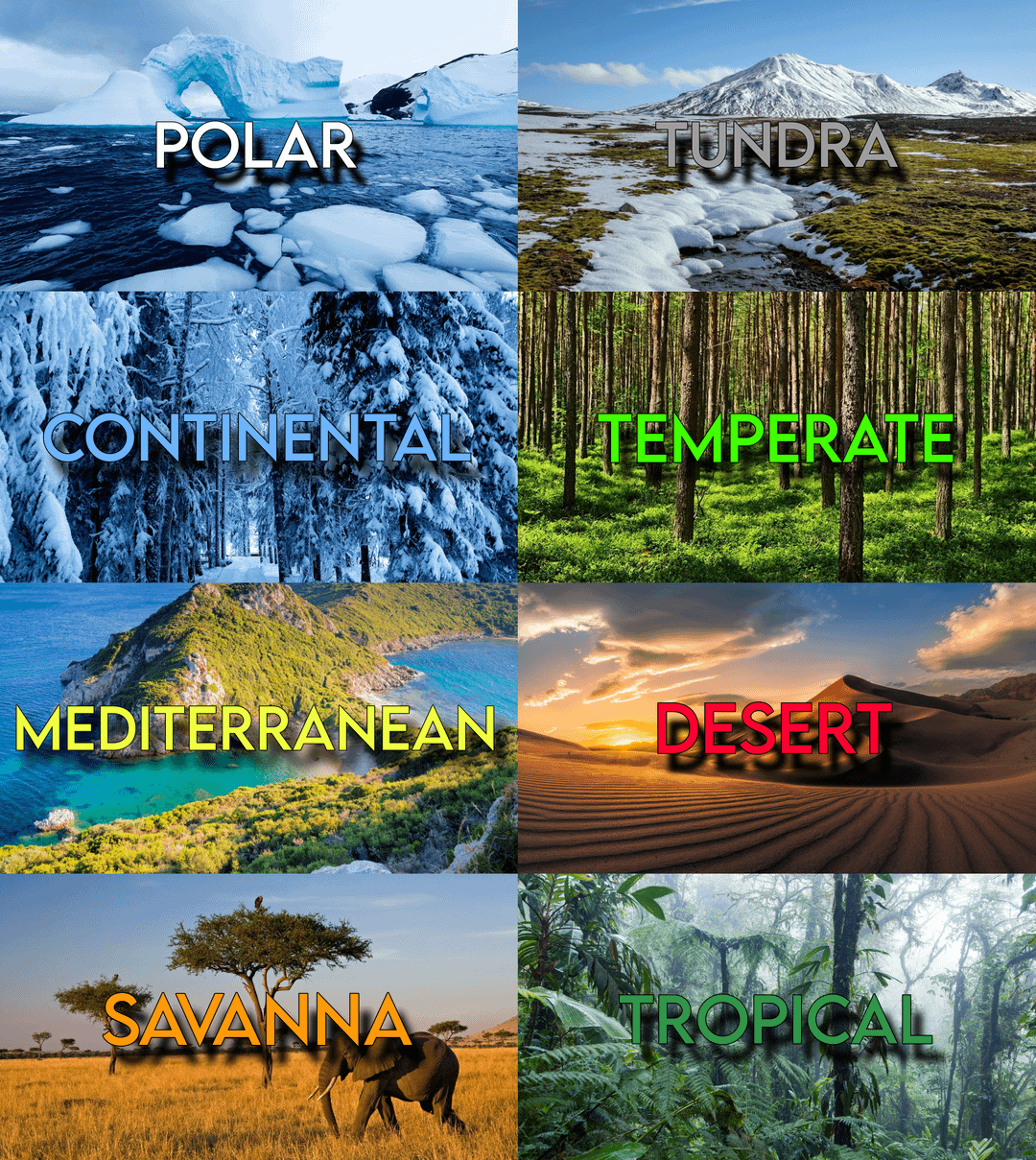
Have you ever wondered where you could survive comfortably without any clothes? It’s a question that makes you think about your body, the environment, and how they work together.
Imagine stepping outside and feeling completely at ease without worrying about the cold or heat. You’ll discover the places on Earth where your skin can breathe freely, and your survival doesn’t depend on fabric. Keep reading to find out if your hometown makes the list or if you need to travel somewhere new to experience this unique freedom.
Tropical Rainforests
Tropical rainforests are warm and wet places near the equator. They have thick trees and many plants. The weather is hot and humid most of the year. This climate can help humans survive without clothes for some time. The dense forest gives shade and keeps the temperature cooler.
Rainforests get a lot of rain, which keeps the air moist. This moisture helps the skin stay hydrated. The thick leaves block strong sunlight, preventing sunburn. Still, insects and small animals live here, so protection is important.
Warm Temperatures And High Humidity
The air in tropical rainforests stays warm, usually between 70°F and 90°F. Humidity levels often reach 80% or more. This keeps the skin from drying out quickly. Clothes are less needed to keep warm.
Natural Shelter From Sun And Rain
The tall trees form a canopy overhead. It blocks much of the sun’s heat. Large leaves catch rain and reduce its impact on the ground. This natural cover offers some comfort without clothes.
Challenges Of Insects And Wildlife
Many insects live in rainforests. Mosquitoes and ants can bite exposed skin. Some animals may pose danger too. Humans need to be careful and find safe spots.
Survival Tips Without Clothes
- Use mud or plant sap to protect skin.
- Stay in shaded areas during midday heat.
- Build simple shelters from leaves and branches.
- Keep moving to avoid insect swarms.
Desert Oases
Desert oases are rare spots of life in vast, dry deserts. They offer water, shade, and some shelter from harsh desert conditions. These small areas can support plants, animals, and humans without clothes, but only under certain conditions.
Oases have water that keeps the air cooler and the ground moist. This helps reduce the extreme heat of the desert sun. People can survive here by using the natural resources around them.
Access To Water
Water is the most important resource in a desert oasis. It helps humans stay hydrated and cool. Without water, survival in the desert is impossible.
- Oases usually have springs or wells.
- Water supports plant life, providing shade.
- It allows people to clean and cool their bodies.
Natural Shade And Shelter
Shade protects humans from direct sunlight. Trees and tall plants in oases offer cool places to rest.
- Shade lowers the risk of heatstroke.
- It helps preserve body moisture.
- Shelter can block strong desert winds.
Temperature Moderation
The presence of water and vegetation changes the local climate. Oases have cooler nights and less extreme heat during the day.
- Water absorbs heat, reducing daytime temperature.
- Plants release moisture, cooling the air.
- This makes it easier to survive without clothing.
Risks And Challenges
Surviving without clothes in a desert oasis is still risky. Sunburn and insect bites are common problems.
- Exposure to UV rays can cause skin damage.
- Insects may carry diseases or cause irritation.
- Cold nights require careful preparation to avoid hypothermia.
Coastal Beaches
Coastal beaches offer a natural setting where humans can survive without clothes. The sun warms the skin, and the sea provides hydration and food sources. These areas have mild climates, making exposure to the elements easier to handle. Sandy shores and gentle waves create a comfortable environment for bare skin.
People living near coastal beaches often rely on the ocean for survival. Fishing and gathering shellfish provide essential nutrients. The beach environment also allows easy access to fresh air and sunlight, which are vital for health. Nature’s resources at the coast support a simple, unclothed lifestyle.
Warm Climate And Sun Exposure
Coastal beaches usually have warm temperatures. The sun helps keep the body warm throughout the day. This reduces the need for clothing to protect against cold. Sunlight also boosts vitamin D production, which is important for bones and immunity.
Access To Fresh Water And Food
Nearby rivers or rain catchments provide fresh water for drinking. The ocean offers fish, crabs, and other seafood for nutrition. These food sources help maintain energy and health without modern tools. Coastal plants may also supply edible fruits and herbs.
Natural Shelter And Protection
Coastal beaches often have dunes, rocks, or trees for shelter. These natural features shield from wind and sun during extreme weather. People can use driftwood or leaves to build temporary cover. This protection supports survival without clothing.
Challenges Of Coastal Living Without Clothes
- Sunburn from strong UV rays
- Insect bites and stings
- Exposure to cold nights
- Risk of cuts and scrapes from rough surfaces
Despite these challenges, many coastal communities thrive with minimal clothing. Adaptation and knowledge of the environment are key to survival. The beach lifestyle connects humans directly to nature’s cycles and resources.

Credit: m.youtube.com
Remote Islands
Remote islands offer unique environments where humans can survive without clothes. These islands often have warm climates and abundant natural resources. People living on such islands have adapted to the conditions over many generations.
The temperature on these islands usually stays comfortable throughout the year. The surrounding ocean provides a steady source of food and water. Natural shelters like caves and trees offer protection from the elements.
Understanding how humans survive on remote islands reveals a lot about human adaptability and resilience. It shows how nature supports life even with minimal clothing.
Warm Climate And Natural Shelter
Most remote islands have tropical or subtropical climates. Warm air and gentle breezes keep the body temperature stable. Trees provide shade to avoid direct sunlight. Caves and rocks protect from wind and rain. These natural shelters help people stay comfortable without clothes.
Access To Fresh Water And Food
Freshwater sources like springs or rain catchments are vital. Islanders collect rainwater or use natural springs. The ocean offers fish, shellfish, and seaweed as food. Fruits and nuts grow on trees and bushes. This steady food supply supports survival without clothing.
Adaptation To The Environment
Island inhabitants often have tougher skin from sun exposure. They learn to avoid sunburn by staying in shaded areas. Their daily activities adjust to the heat and humidity. Over time, their bodies and habits evolve to fit island life. This adaptation makes living without clothes possible.
Natural Hot Springs
Natural hot springs offer a unique environment where humans can comfortably survive without clothes. These springs are warm water sources heated by the earth’s natural geothermal activity. The water temperature remains steady, providing gentle warmth even in cold weather. This natural heat allows the body to stay warm without needing additional clothing.
Hot springs often contain minerals that benefit the skin and health. Many people visit these springs for relaxation and healing. The warmth helps muscles relax and improves blood flow. It also creates a soothing atmosphere that supports physical and mental well-being.
Warmth And Comfort
Hot springs keep the body warm naturally. The water temperature usually ranges from 98°F to 104°F (37°C to 40°C). This warmth helps maintain body heat without clothes. It reduces the risk of cold-related health problems. People can stay in the water for long periods comfortably.
Natural Protection
Minerals in hot springs water offer skin protection. Elements like sulfur, calcium, and magnesium help cleanse and heal the skin. These minerals can reduce irritation and improve skin health. The water also helps fight bacteria and other germs.
Locations Ideal For Naked Survival
- Yellowstone National Park, USA
- Blue Lagoon, Iceland
- Beppu Onsen, Japan
- Banff Upper Hot Springs, Canada
- Rotorua, New Zealand
Social And Cultural Acceptance
Many cultures accept naked bathing in hot springs. It is often seen as a natural and healthy activity. Social norms in these places support clothing-free enjoyment. Visitors feel comfortable and free in these natural settings.
Credit: medium.com
Cave Dwellings
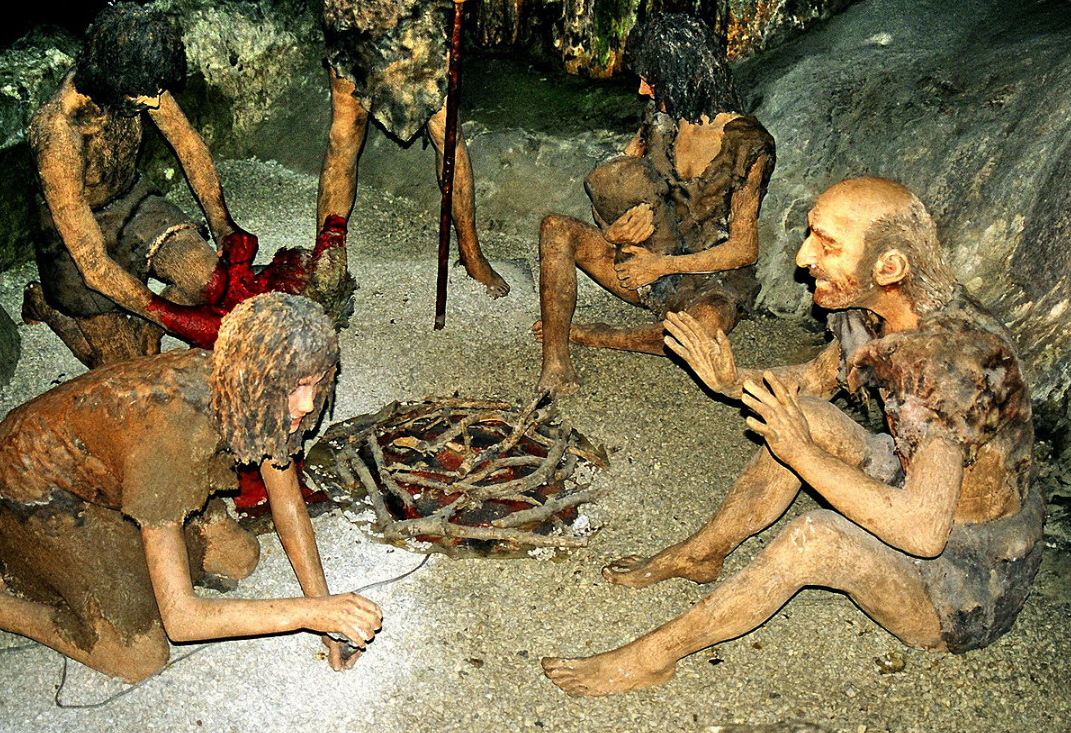
Cave dwellings offer natural shelter that protects humans without clothes. These natural formations provide shade, block wind, and keep people warm in cold weather. Their thick walls maintain a stable temperature inside, making survival easier.
Many ancient humans lived in caves. They used the natural space to stay safe from predators and harsh weather. Caves also offer protection from rain and snow, which helps people survive without fabric coverings.
Natural Temperature Control
Caves stay cool in summer and warm in winter. The earth around caves acts like insulation. This keeps the inside temperature steady, helping the body maintain warmth without clothes.
Protection From Weather
Caves block strong winds and heavy rain. The roof shields from sunburn and frostbite. This shelter reduces the risk of weather-related injuries.
Safety From Predators
Caves have narrow entrances, which make it hard for large animals to enter. This natural barrier keeps humans safe. Staying inside reduces the need for extra protection like clothes.
Access To Water And Food
Many caves are near rivers or lakes. Water sources are essential for survival. Nearby forests or plains provide food, making caves practical living spaces.
Limitations Of Cave Living
- Some caves can be damp, causing cold and illness.
- Insects and small animals may be a problem.
- Not all caves are easy to find or reach.
Urban Naturist Communities
Urban naturist communities offer a unique space where humans can comfortably exist without clothes, even in city environments. These communities challenge typical social norms by creating safe, accepting areas that support nudity as a natural state. Living among others who share your views on body freedom can transform your experience of survival beyond basic needs—it becomes about connection, acceptance, and confidence.
What Defines An Urban Naturist Community?
Urban naturist communities are groups or spaces within cities where nudity is accepted and often encouraged. These can be private clubs, co-living spaces, or organized meetups that provide a judgment-free environment. The focus is on respect, body positivity, and natural living without the constraints of clothing.
Imagine a neighborhood or apartment complex where you can walk freely without clothes and not feel out of place. This setup helps you survive socially and emotionally without clothes, which many overlook when considering where humans can live naked.
How Do These Communities Handle Practical Needs?
Surviving without clothes in an urban setting means addressing hygiene, weather, and social interactions carefully. Members often share practical tips like using breathable fabrics for short trips outside or carrying towels for sitting in public spaces. Many communities organize events indoors or in private outdoor areas to avoid exposure to harsh weather or judgmental eyes.
Have you thought about how you’d protect your skin on cold days or in the rain without clothes? Urban naturist groups often have protocols to keep everyone comfortable and healthy, showing that survival isn’t just about being outdoors—it’s about adapting to your environment thoughtfully.
Where Can You Find These Communities?
They exist worldwide, especially in cities known for progressive attitudes toward body freedom. Places like San Francisco, Berlin, and Sydney have well-established urban naturist groups. Many of these communities use social media or dedicated websites to connect members and plan gatherings.
Joining one might surprise you with the welcoming atmosphere and practical advice from experienced naturists. Are you curious how living without clothes in the city might change your daily routine and mindset?
Cultural Festivals
Cultural festivals around the world show how humans can live without clothes in certain settings. These events celebrate tradition, freedom, and connection with nature. People gather to express themselves without the need for clothing. This practice often has deep cultural or spiritual roots.
Such festivals happen in warm climates where the weather supports minimal clothing. They highlight human resilience and adaptation. Participants enjoy a sense of community and acceptance during these times.
Traditional Naked Festivals
Many cultures hold annual naked festivals. These events often symbolize purification or rebirth. One famous example is the Hadaka Matsuri in Japan.
- Held in winter to test endurance against cold.
- Participants wear minimal clothing, like loincloths.
- They believe it brings good luck for the year.
Modern Naturist Gatherings
Modern naturist festivals promote body positivity and freedom. They take place in safe, warm environments. These gatherings attract people who enjoy social nudity without judgment.
- Events include music, art, and workshops.
- They encourage respect for nature and others.
- Locations often feature beaches or private resorts.
Spiritual And Religious Ceremonies
Some cultures use nudity in spiritual rituals. It symbolizes purity and connection to the earth. These ceremonies happen in controlled environments.
- Shamanistic rituals in South America.
- Tribal ceremonies in Africa and Australia.
- Focus on harmony with nature and ancestors.
Historical Societies
Humans have lived without clothes in various historical societies, adapting to their environments in unique ways. These communities thrived by understanding nature’s rhythms and relying on their physical resilience. Their experiences can teach you how survival without clothes isn’t just about exposure—it’s about harmony with your surroundings.
Indigenous Tribes In Tropical Climates
Many indigenous tribes in tropical areas lived comfortably without clothing. The warmth and humidity reduced the need for covering the body. Instead, they used natural body paint and ornaments for protection and social signals.
Take the example of the Amazonian tribes. They survived for centuries without clothes by using leaves, mud, and ash to shield their skin from insects and sunburn. This shows how natural materials can serve practical purposes beyond clothing.
Arctic And Cold-region Societies
It might surprise you, but some Arctic peoples initially spent time without heavy clothing when conditions allowed. They relied on body fat, physical activity, and shelter to regulate heat.
Yet, when temperatures dropped, they created insulating layers from animal skins. Their experience highlights the importance of understanding when to adapt and when the body alone can cope with cold.
Ancient Mediterranean Cultures
In ancient Mediterranean societies, such as early Greeks and Romans, people often went unclothed during certain activities. Athletic events and religious ceremonies sometimes required nudity.
This practice wasn’t just cultural—it emphasized physical fitness and a connection to nature. Could embracing moments without clothes enhance your awareness of your body and environment?
Lessons From Historical Societies
- Use natural elements to protect your skin instead of clothes.
- Adapt your activity level to control body temperature.
- Understand your environment to decide when clothes are necessary.
What if you challenged yourself to spend short periods without clothes in safe, natural settings? You might discover new ways your body adapts and feels freedom. Historical societies didn’t survive by chance; they mastered balance between exposure and protection. You can learn from their wisdom.

Credit: uk.news.yahoo.com
Scientific Expeditions
Scientific expeditions have tested the limits of human survival without clothes in some of the most extreme environments. Researchers and explorers often rely on detailed observations and controlled experiments to understand how the human body adapts to different climates. These expeditions provide valuable insights into where humans can endure the elements naturally, without relying on modern clothing.
Surviving In Tropical Rainforests
In tropical rainforests, the climate is hot and humid, which reduces the need for protective clothing. Indigenous tribes have lived naked or with minimal coverings for centuries, showing that the human body can manage well here. However, you must consider protection from insects and plants, which can be a serious challenge.
Scientists studying these communities often note how thick skin and learned behaviors help avoid injuries and insect bites. If you were to try this, you would need to rely heavily on knowledge of your environment rather than just physical adaptation.
Endurance In Cold Environments
Survival without clothes in cold areas seems impossible at first, but some expeditions have proven otherwise. The famous case of Wim Hof, known as “The Iceman,” shows how controlled breathing and gradual exposure can increase cold tolerance significantly.
Still, most people will not survive long without clothing in freezing temperatures. The key takeaway is that mental preparation and physiological training matter as much as, if not more than, physical protection.
Desert Conditions And Minimal Clothing
Desert expeditions show a different survival challenge—extreme heat and intense sun exposure. Some native groups wear very little clothing to stay cool, but they use head coverings and apply natural substances to protect their skin.
If you consider going without clothes in a desert, think about how you would shield yourself from sunburn and dehydration. The body’s natural cooling through sweating helps, but you must manage your exposure times carefully.
Lessons From Historical Expeditions
Early explorers often had to adapt to harsh climates with minimal clothing resources. Their journals reveal trial and error in managing body temperature and skin protection. These stories highlight the importance of preparation and respect for the environment.
What can you learn from these accounts? Survival isn’t just about toughness; it’s about understanding your limits and the environment’s demands.
Frequently Asked Questions
Where Can Humans Survive Without Clothes Comfortably?
Humans can survive without clothes in warm, tropical climates. These areas have stable, high temperatures and low risk of hypothermia. Examples include rainforests and some desert regions during the day. However, shelter and hydration remain essential for survival even in these environments.
What Natural Environments Support Naked Human Survival?
Natural environments like tropical islands, some coastal areas, and equatorial rainforests support naked human survival. These places provide warmth, food, and water sources. The consistent heat prevents cold-related health risks, making clothing less necessary for basic survival.
How Do Humans Protect Themselves Without Clothes?
Humans protect themselves without clothes by using natural materials like leaves or mud. They also seek shade to avoid sunburn and stay near water to cool down. Survival instincts and environmental adaptations help maintain body temperature and prevent injury.
Can Humans Survive Naked In Cold Climates?
Humans cannot survive naked in cold climates for long. Low temperatures cause rapid heat loss and increase the risk of hypothermia. Clothing or shelter is essential to maintain body warmth and protect against harsh weather conditions.
Conclusion
Humans can survive without clothes only in warm, safe places. Warm climates with little danger make it easier to stay healthy. Nature provides shelter and resources for survival in these areas. Cold or harsh environments need protection to avoid harm.
Understanding where clothes are not needed helps us appreciate nature’s balance. Simple living in the right place can support life without clothes. Always consider safety, weather, and comfort before deciding to go without clothes. Survival depends on more than just clothing—it needs good planning too.


