Imagine facing an unexpected situation where help is far away, and every second counts. Would you know what to do?
Having a survival kit could be the difference between staying safe and facing danger. You might think it’s something only adventurers need, but the truth is, your everyday life can throw surprises at any moment. This article will show you why a survival kit is not just important—it’s essential for your safety and peace of mind.
Keep reading to discover how being prepared can protect you and your loved ones when it matters most.
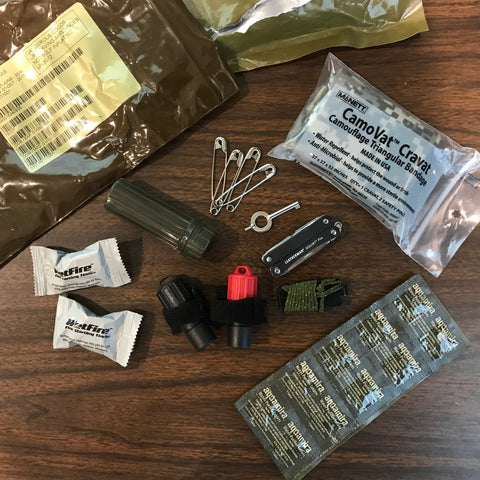
Credit: hamradio.my
Significance Of A Survival Kit
Having a survival kit is not just about being prepared for extreme situations; it’s about peace of mind. When you carry a well-stocked kit, you empower yourself to handle unexpected challenges confidently. This readiness can make all the difference between stress and control in critical moments.
Essential Tools For Unexpected Situations
A survival kit equips you with basic necessities like water, food, and first aid supplies. These items help you stay alive and healthy when help isn’t immediately available. Imagine being stranded with no access to clean water—your kit could be your lifeline.
Boosting Your Confidence And Safety
Knowing you have the right tools reduces panic and boosts your confidence. When you feel prepared, you make better decisions under pressure. This calm mindset can improve your chances of overcoming emergencies safely.
Adaptability In Different Environments
Your survival kit can be tailored to fit various situations—whether you’re hiking, driving, or facing natural disasters. This flexibility ensures you’re ready no matter where you are. Have you thought about what your kit might need if you were caught in a sudden storm or power outage?
Saving Time And Resources
In emergencies, every second counts. A survival kit helps you avoid scrambling for supplies or relying on others. It can save valuable time and prevent unnecessary stress when resources are scarce.

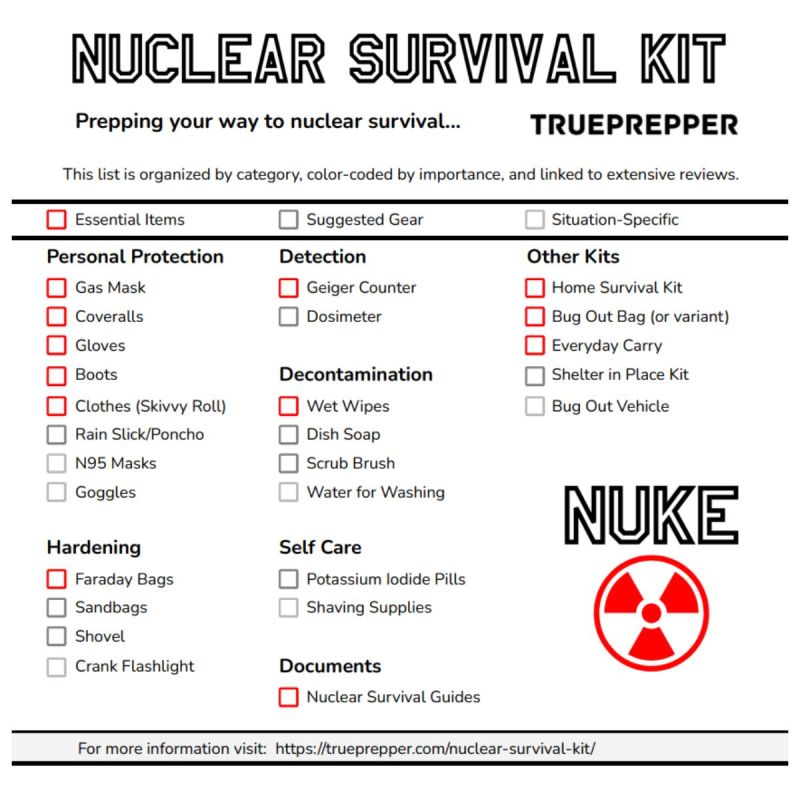
Credit: trueprepper.com
Key Components Of A Survival Kit
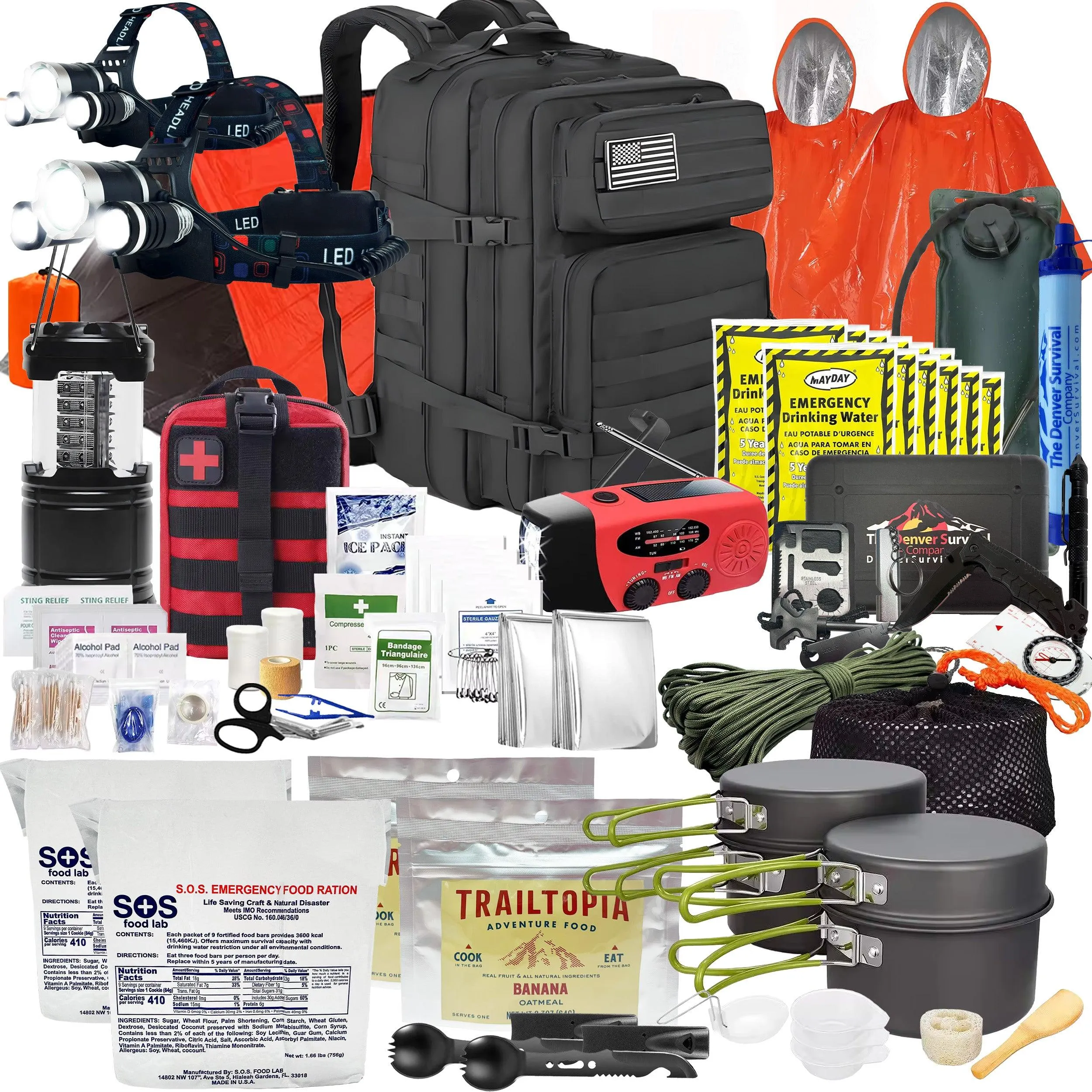
A survival kit helps you stay safe in emergencies. It contains basic items that meet your essential needs. A well-prepared kit boosts your chances of survival and comfort.
Knowing what to pack is crucial. Each item serves a specific purpose. The right components cover shelter, water, food, and safety. Here are the key parts of a survival kit.
Water And Hydration Supplies
- Water bottles or containers for storage
- Water purification tablets or filters
- Collapsible water pouches for easy carrying
Food And Nutrition
- Non-perishable food items like energy bars
- Lightweight, high-calorie snacks
- Ready-to-eat meals or freeze-dried options
Shelter And Warmth
- Emergency blankets or sleeping bags
- Compact tents or tarps
- Fire-starting tools like matches or lighters
First Aid And Health
- Basic first aid kit with bandages and antiseptics
- Medications for pain relief and allergies
- Personal hygiene items such as wipes and hand sanitizer
- Multi-tool or knife for various tasks
- Flashlight with extra batteries
- Whistle for signaling help
Non-perishable Food And Water
Non-perishable food and water form the backbone of any survival kit. These essentials provide the energy and hydration needed to stay alive during emergencies. Unlike fresh food, non-perishable items last long without refrigeration. Water, a critical element, must be clean and stored safely to prevent illness.
Having a reliable supply of these basics ensures you can maintain strength and focus. They support your body’s functions and help avoid dehydration. Proper storage and selection can keep your kit ready for months or years.
Why Non-perishable Food Matters
Non-perishable foods do not spoil quickly. They include canned goods, dried fruits, nuts, and energy bars. These foods retain nutrients and taste over time. They are easy to pack and carry in small spaces. Their long shelf life makes them perfect for emergencies.
Choosing a variety of foods ensures balanced nutrition. This helps keep your energy steady. Foods with a high calorie count are especially useful. They provide fuel for physical activities during survival situations.
The Importance Of Water Storage
Water is vital for survival. The human body can only last days without it. Storing enough water is critical for drinking, cooking, and hygiene. Each person needs at least one gallon per day.
Use clean, airtight containers to store water. Replace stored water every six months to keep it fresh. Water purification tablets or filters are good backups. They help make unsafe water drinkable in emergencies.
Tips For Packing Non-perishable Food And Water
- Choose lightweight and compact food items.
- Include high-energy and nutrient-rich options.
- Store water in BPA-free, durable containers.
- Label items with purchase or expiry dates.
- Rotate supplies regularly to ensure freshness.
First Aid Supplies
First aid supplies are the backbone of any survival kit. They give you the power to handle injuries and health issues immediately, often before professional help arrives. Having the right items ready can mean the difference between a minor injury and a serious complication.
Imagine hiking alone and suddenly twisting your ankle. Without basic first aid supplies, what would you do? But with a kit nearby, you can clean the wound, reduce swelling, and stabilize the injury quickly. This hands-on ability is exactly why first aid supplies are essential.
Basic Items You Should Include
- Adhesive bandages:Different sizes for cuts and scrapes.
- Gauze pads and rolls:To cover larger wounds and stop bleeding.
- Antiseptic wipes or solution:To clean wounds and prevent infection.
- Medical tape:To secure bandages and gauze.
- Scissors and tweezers:For cutting tape and removing debris.
- Pain relievers:Such as ibuprofen or acetaminophen for managing pain.
- Disposable gloves:To keep things sanitary and protect you.
Why Quality Matters
Cheap or expired supplies can fail you when you need them most. For instance, adhesive bandages that don’t stick well won’t protect a wound properly. You want products that stay in place and materials that don’t break down over time.
Think about your last experience with a cut or scrape. Would you trust a flimsy bandage or a reliable one? Quality first aid supplies ensure you can confidently treat injuries without second-guessing your kit.
Regularly Checking And Updating Your Kit
First aid supplies don’t last forever. Antiseptics dry out, bandages lose their stickiness, and medications expire. Set a reminder to check your kit every few months.
Replace anything that’s used or past its expiration date. This simple habit guarantees your kit is always ready to perform. How often do you take time to refresh your emergency gear?
Tools And Equipment
Tools and equipment are the heart of any survival kit. They help you handle emergencies with confidence. Having the right tools can make a huge difference in staying safe and comfortable.
Survival tools serve many purposes. They help you build shelter, start fires, find food, and signal for help. Choosing practical and reliable equipment is key.
Essential Cutting Tools
A sharp knife is a must-have. It can cut rope, prepare food, and assist in making shelter. Multi-tools also add versatility with pliers, screwdrivers, and scissors.
Fire Starting Equipment
Fire is crucial for warmth, cooking, and signaling. Carry waterproof matches, lighters, or fire starters. These tools ensure you can create fire in different conditions.
Water Purification Devices
Clean water is vital. Water filters or purification tablets remove harmful bacteria. These tools keep you hydrated and prevent illness.
Navigation Instruments
Getting lost is dangerous. A compass and a map help you find your way. GPS devices offer extra security but need batteries.
Minor injuries happen often. Bandages, antiseptics, and pain relievers treat wounds quickly. Proper first aid tools reduce infection risk.
Clothing And Shelter
Clothing and shelter are fundamental elements in any survival kit. They protect you from harsh weather and help maintain your body temperature. Without proper gear, even a short exposure to cold, heat, or rain can turn dangerous quickly.
Choosing The Right Clothing
Your clothing must do more than just cover your skin. It should keep you warm, dry, and comfortable in changing conditions.
- Layering:Add layers that you can remove or add depending on the weather. A moisture-wicking base layer, an insulating middle layer, and a waterproof outer layer work best.
- Material:Avoid cotton because it holds moisture and chills your body. Opt for wool, synthetic fibers, or specialized outdoor fabrics that dry quickly and retain heat.
- Durability:Your clothes should withstand rough terrain and frequent use. Durable fabrics reduce the risk of tears and injuries.
Have you ever felt cold simply because your clothes trapped sweat? That’s why breathable fabric matters as much as insulation.
Essentials Of Shelter
Shelter shields you from wind, rain, sun, and insects. It is a barrier between you and the environment, which makes surviving easier and safer.
- Portability:Look for lightweight and compact options like tents, tarps, or emergency blankets.
- Setup Speed:Choose shelters that you can set up quickly without tools or much effort. This saves energy and time.
- Protection Level:Consider the climate and potential threats. A simple tarp might suffice in mild weather, but a sturdy tent is better for cold or rainy conditions.
Imagine being caught in a storm with no shelter—your survival chances drop fast. What kind of shelter would you trust to protect you in unexpected weather?
Communication Devices
Communication devices are vital in any survival kit. They help you stay connected in emergencies. These tools can save lives by sending signals for help. Without communication, getting rescued becomes much harder.
Survival situations often mean being far from help. Communication devices bridge that gap. They allow you to alert others about your location. This quick contact can speed up rescue efforts.
Types Of Communication Devices For Survival Kits
- Two-way radios – easy to use and reliable nearby
- Satellite phones – work in remote areas without cell service
- Emergency beacons – send distress signals with GPS location
- Whistles – simple, no batteries needed for short-range alerts
Why Battery Life Matters In Communication Devices
Long battery life means your device works longer in emergencies. Some devices have rechargeable batteries. Others use replaceable ones. Carry extra batteries for safety.
Choosing The Right Communication Device
- Consider the area you will be in
- Check the device range and signal type
- Pick devices that are easy to operate
- Look for durable and weather-resistant models
Personal Documents And Money
Your survival kit isn’t complete without personal documents and money. These essentials can make a huge difference when disaster strikes or you face unexpected situations. Having easy access to your vital papers and cash ensures you stay in control and avoid unnecessary stress.
Why Keep Personal Documents In Your Survival Kit?
Imagine losing your ID, insurance papers, or medical records during an emergency. It can delay your access to help or make proving your identity nearly impossible. Keeping these documents in your survival kit means you have quick proof of who you are and what you need.
Include copies of:
- Identification cards (passport, driver’s license)
- Health insurance cards and medical history
- Legal documents like birth certificates and property deeds
Store them in a waterproof bag to protect against damage. Think about how much smoother things would go if you had these ready, instead of scrambling to find them when time is tight.
How Much Money Should You Carry?
Cash is king during emergencies, especially if electronic payment systems fail. But how much is enough? Experts suggest carrying small bills totaling around $100 to $200.
Keep it in various denominations to make transactions easier. This small amount can cover essentials like food, transportation, or temporary shelter. It’s not about having a fortune, but enough to get you through the first critical hours.
Practical Tips For Managing Your Money And Documents
- Rotate cash regularly to keep bills in good condition.
- Make digital copies of all documents and store them securely online.
- Use a small, durable pouch to keep everything organized and protected.
Have you ever faced a situation where lack of documents or money made things harder? Preparing your survival kit with these items can save you from that frustration. What’s stopping you from adding these simple yet powerful tools to your kit today?
Regular Maintenance And Updates
Keeping your survival kit in top shape means more than just putting it together once. Regular maintenance and updates are essential to ensure it works when you need it most.
Think about the last time you checked your kit. Did you find expired food or batteries that no longer hold a charge? This happens to many, and it can turn a well-packed kit into a useless one in an emergency.
Check Expiration Dates And Replace Supplies
Food, water, and medical supplies have expiration dates for a reason. Using expired items can be dangerous or ineffective.
Set a reminder every six months to review these items. Replace anything that is outdated or close to expiring.
Test Equipment Regularly
Batteries lose power, tools can rust, and electronics might fail if left unused for long periods.
Take out flashlights, radios, and other gadgets from your kit and test them. Replace batteries or repair items that don’t work properly.
Adjust Contents Based On Seasonal Changes And Personal Needs
Your survival kit should evolve with your lifestyle and environment.
- In winter, add warm clothing or hand warmers.
- In summer, include sunscreen or insect repellent.
- If your family size changes, update food and medical supplies accordingly.
Why Skip Maintenance When It Could Save Your Life?
Imagine needing your survival kit during a power outage only to find dead batteries and spoiled food. How would you handle that?
Regular updates keep your kit ready, reliable, and tailored to your current situation. Don’t let neglect turn your safety net into a liability.
Tips For Customizing Your Kit
Customizing your survival kit makes it more useful and practical. A kit tailored to your needs helps you stay prepared for different situations. Think about your environment, health, and daily activities. Small changes can make a big difference in emergencies.
Assess Your Environment
Consider the climate and geography where you live or travel. Pack items suitable for cold, heat, rain, or snow. Include water purification tablets for outdoor areas. Add insect repellent if you live in a buggy place. Choose gear that matches the risks around you.
Include Personal Health Items
Add medications you take daily. Think about allergies and special health needs. Pack extra glasses or contact lenses if needed. Include a first aid kit with bandages, antiseptics, and pain relievers. These items keep you safe and comfortable.
Focus On Food And Water
Choose non-perishable foods with high energy. Include snacks like nuts, dried fruits, and energy bars. Pack a reliable water container and filter. Make sure the kit has enough water for at least three days. Proper hydration and nutrition are essential.
Use Multi-use Tools
Pick tools that serve several purposes. A multi-tool with a knife, screwdriver, and scissors saves space. A flashlight with extra batteries is important. Consider a whistle for signaling help. These tools increase your chances of survival.
Keep It Lightweight And Compact
Choose small and light items to avoid heavy loads. Use a sturdy but lightweight bag or container. Organize items for easy access in emergencies. Avoid packing unnecessary things. A well-packed kit is easy to carry and use.
Training And Practice
Training and practice are key to making your survival kit truly effective. Having the right tools is just the start; knowing how to use them can make all the difference in an emergency.
Imagine you find yourself lost in the woods. You have a survival kit, but without practice, you might struggle to start a fire or purify water. Regular training helps you build confidence and muscle memory for these critical skills.
Understanding Your Survival Kit Contents
Do you know what each item in your kit is for? Spend time learning the purpose of every tool. This knowledge ensures you can quickly identify what you need in a stressful situation.
- Practice setting up a shelter with the materials included
- Learn how to use fire starters or water filters properly
- Familiarize yourself with first aid supplies and their uses
Simulating Real-life Scenarios
Training isn’t just about knowing your kit—it’s about practicing under conditions similar to actual emergencies. Try spending a day outdoors using only your survival kit items. This experience reveals gaps in your preparation and helps you adapt.
Have you ever wondered how you’d react under pressure? Simulations can prepare your mind to stay calm and focused.
Building Routine And Muscle Memory
Repetition is essential. The more you practice, the faster and more instinctive your actions become. This can save precious time when seconds count.
Try setting a schedule to review your kit and practice skills monthly. Even a short session can boost your readiness significantly.
Common Mistakes To Avoid
Building a survival kit is vital, but many make common mistakes. These errors can reduce the kit’s usefulness in an emergency. Avoiding these pitfalls ensures the kit truly supports survival needs.
Overpacking Or Underpacking Essentials
Too many items make the kit heavy and hard to carry. Too few items leave you unprepared for basic needs. Balance is key. Include only necessary tools and supplies.
Ignoring Regular Maintenance
Items expire or break over time. Food and medicine need replacing regularly. Batteries lose charge. Check your kit often to keep it ready.
Choosing Inappropriate Tools
Select tools that match your environment and skills. Avoid complex gadgets that require special knowledge. Stick to simple, reliable items.
Neglecting Personal Needs
People have different needs based on age, health, and lifestyle. Include medications, glasses, and comfort items. Personalize the kit for each user.
Forgetting Important Documents
Important papers can be crucial in emergencies. Include copies of IDs, insurance, and emergency contacts. Keep them in a waterproof bag.

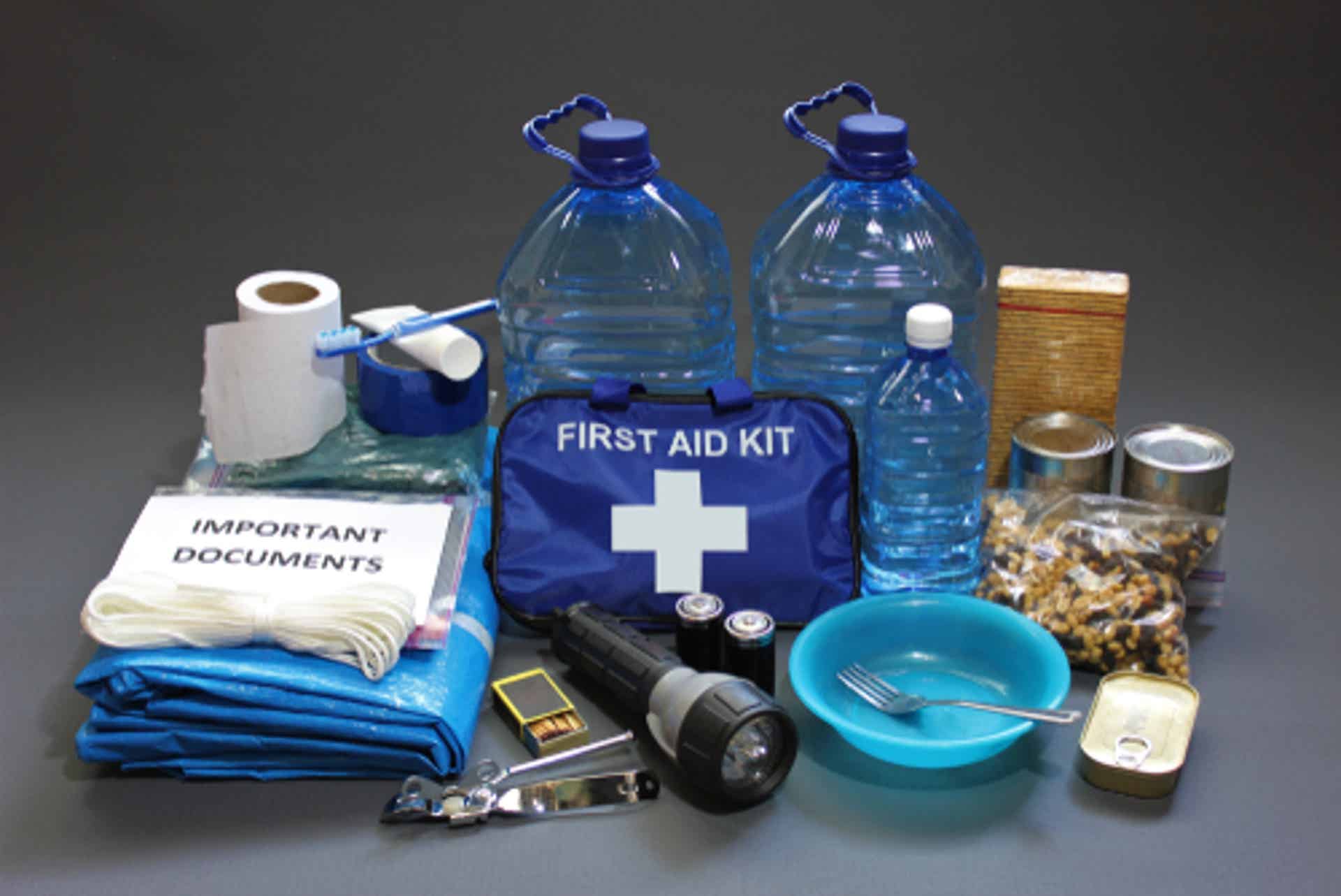
Credit: premierbodyarmor.com
Frequently Asked Questions
What Is The Purpose Of A Survival Kit?
A survival kit provides essential tools and supplies to sustain life in emergencies. It helps with food, water, shelter, and first aid, ensuring safety during unexpected situations like natural disasters or accidents.
How Does A Survival Kit Increase Safety?
A survival kit equips you with necessary items to handle emergencies calmly. It reduces panic, supports basic needs, and improves your chances of survival until help arrives.
What Items Are Essential In A Survival Kit?
Essential items include water, non-perishable food, first aid supplies, a flashlight, a multi-tool, and emergency blankets. These basics help address common survival needs efficiently.
Why Should Everyone Have A Survival Kit?
Everyone should have a survival kit to prepare for unforeseen emergencies. It ensures quick access to critical supplies, increasing your resilience and self-reliance during crises.
Conclusion
A survival kit keeps you ready for emergencies. It holds tools and supplies you may need fast. Being prepared can protect your life and health. You never know when help might take time. A small kit can make a big difference.
Everyone should have one at home or in the car. Stay safe by keeping your survival kit updated. Peace of mind comes from being ready for the unexpected. Simple steps today can save trouble tomorrow.