Imagine facing an unexpected emergency—power outage, natural disaster, or being stranded somewhere. Would you know what to do?
Having an emergency survival kit can make all the difference between staying safe and feeling helpless. This kit holds the essential items you need to protect yourself and your loved ones when things go wrong. You’ll discover exactly what an emergency survival kit is, why you need one, and how to build your own.
Keep reading to take control of your safety before an emergency catches you off guard.
Credit: www.nbcnews.com
Basics Of An Emergency Survival Kit
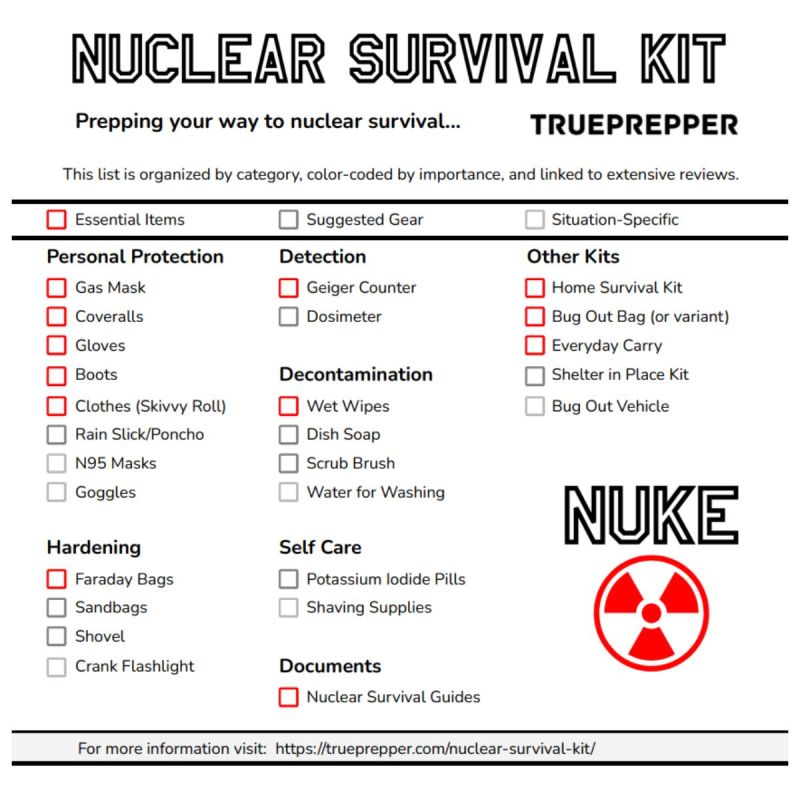
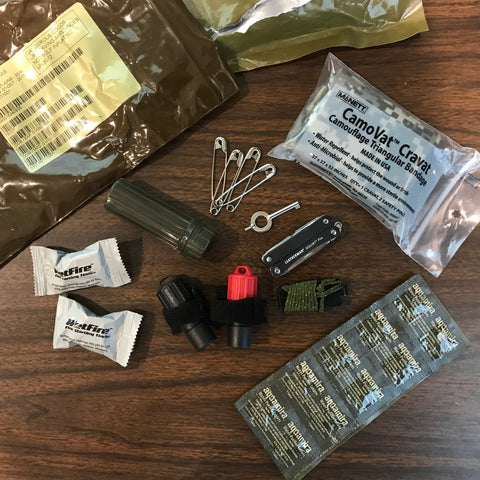
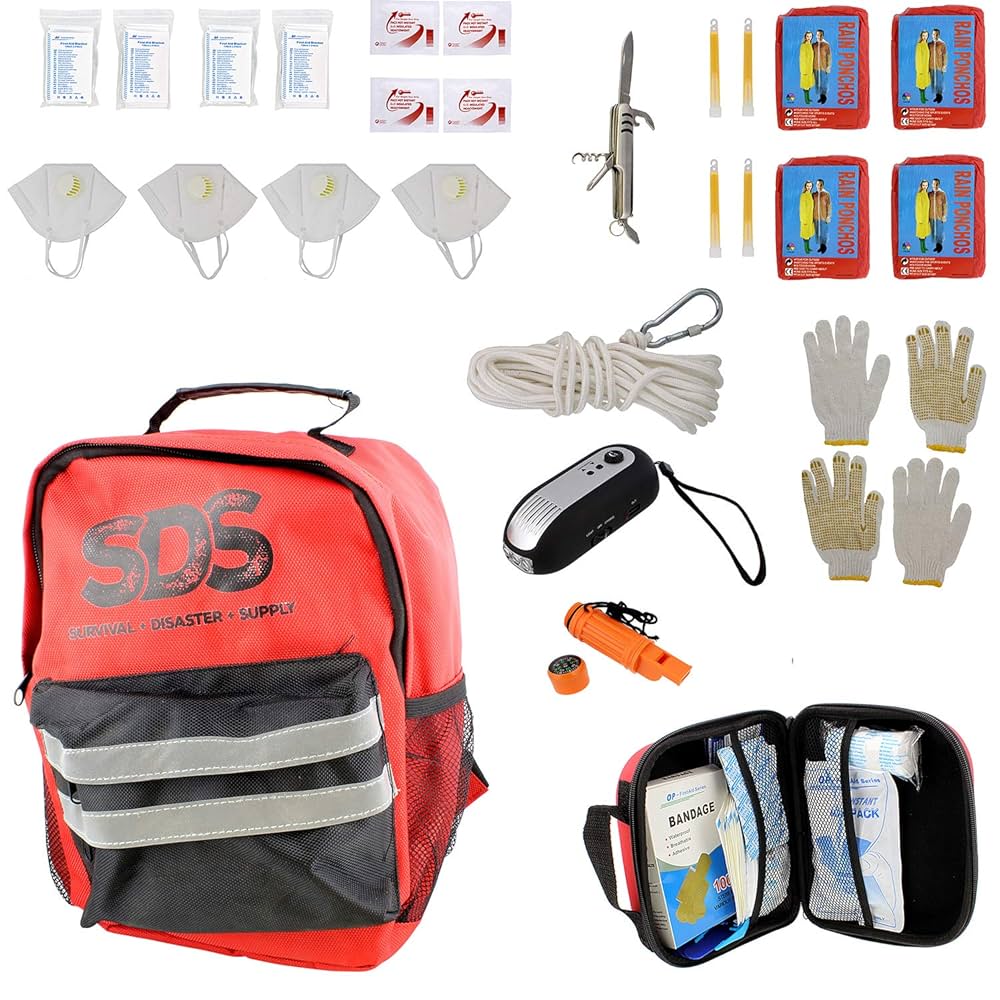
An emergency survival kit contains essential items needed during a crisis. It helps people stay safe, healthy, and comfortable. Preparing a kit means thinking about basic needs and possible dangers. The kit should be easy to carry and use at any time.
The basics include items for water, food, shelter, and first aid. Each item plays a key role in survival. Understanding these basics ensures you are ready for common emergencies.
Water And Hydration Supplies
Water is the most important survival item. You need at least one gallon per person per day. Water bottles, purification tablets, and portable filters help keep water safe to drink. Store water in durable containers to avoid leaks and contamination.
Non-perishable Food Items
Food must last long without refrigeration. Choose canned goods, energy bars, and dried fruits. These foods provide energy and nutrients. Pack a manual can opener for canned items. Include extra food for unexpected delays.
Basic First Aid Kit
A first aid kit treats minor injuries and prevents infections. Include bandages, antiseptic wipes, pain relievers, and tweezers. Add allergy medicine and any personal prescriptions. Keep the kit organized and easy to find.
Clothing protects against weather changes. Pack extra socks, gloves, and a hat. Include a rain poncho or tarp for shelter. A lightweight emergency blanket helps keep warm. Choose clothing that fits the climate and seasons.
Tools And Communication Devices
Basic tools help with repairs and safety. Include a multi-tool, flashlight, and batteries. A whistle can signal for help. A battery-powered or hand-crank radio provides weather updates. Keep a list of emergency contacts written on paper.
Choosing The Right Bag
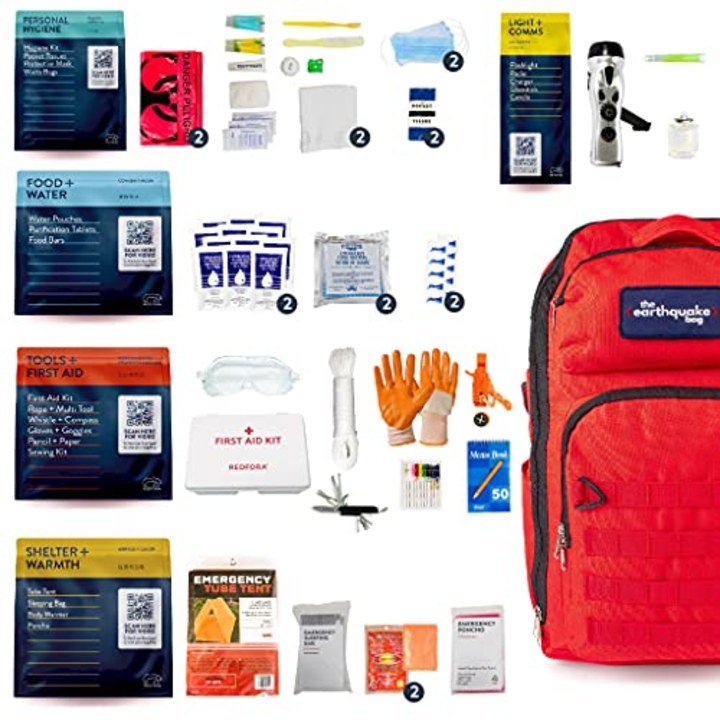
Choosing the right bag for your emergency survival kit is more than just picking any backpack. The bag will carry your essentials and keep them safe, so it needs to be tough, practical, and easy to carry. Think about where you’ll be using it and how quickly you might need to grab it.
Size And Capacity
The size of your bag should match the amount of gear you plan to carry. A bag too small won’t hold all your essentials, while a bag too large can be heavy and cumbersome.
Consider a bag with multiple compartments to organize your supplies. This makes finding items quicker when time is critical.
Durability And Material
Your bag should withstand rough conditions. Look for materials like nylon or polyester with water-resistant coatings.
Reinforced stitching and strong zippers add to the bag’s durability. Think about the environment you’ll face—will it rain, or will you be trekking through rugged terrain?
Comfort And Carrying Features
You’ll likely carry your kit for extended periods, so comfort is key. Padded shoulder straps and a breathable back panel help reduce strain.
Adjustable straps let you customize the fit, which prevents discomfort during long walks or sudden movements.
Accessibility And Security
Can you reach your essentials quickly? Bags with easy-access pockets or quick-release buckles can save precious seconds.
At the same time, secure closures prevent items from falling out or being stolen during emergencies.
Extra Features To Consider
- MOLLE webbing:Useful for attaching additional pouches or gear.
- Hydration bladder compatibility:Handy if you need to carry water hands-free.
- Reflective strips:Improve visibility if you’re out at night.
Choosing the right bag means balancing what you need to carry with how you carry it. What features matter most to you when you think about your survival situation?
Water And Purification Tools
Water is essential for survival in any emergency. Carrying clean water or having ways to purify water is critical. Without safe water, dehydration and illness can quickly become serious problems. Emergency survival kits must include reliable water and purification tools to keep you hydrated and healthy.
These tools help remove harmful bacteria, viruses, and chemicals from water sources. They make water safe to drink, even from rivers, lakes, or questionable taps. Knowing how to use these tools can save lives in emergencies.
Types Of Water Containers
- Durable bottles for storing clean water
- Collapsible containers for saving space
- Containers with built-in filtration
Water Purification Tablets
Small, lightweight, and easy to carry. These tablets kill most germs in water quickly. They work well for short-term needs. Follow instructions carefully for safe use.
Portable Water Filters
Filters remove dirt and many harmful microbes. They let you drink directly from natural water sources. Some filters are compact and easy to use. They are a must-have in survival kits.
Uv Water Purifiers
Use ultraviolet light to kill bacteria and viruses. They require batteries or power. Effective for treating clear water fast. Great for longer emergencies or frequent use.
Boiling Water
Simple and effective method to purify water. Boil for at least one minute. Kills most germs and parasites. Requires a heat source and container.
Food Supplies For Survival
Food supplies are a key part of any emergency survival kit. They provide energy and help maintain health during tough times. Choosing the right food ensures you stay nourished and strong when help is not nearby.
Emergency food should be easy to store, last long, and be simple to prepare. It must also give enough calories to keep your body working well. Proper planning helps avoid hunger and fatigue in emergencies.
Types Of Food To Include
- Canned goods like beans, vegetables, and meats
- Dry staples such as rice, pasta, and oats
- Freeze-dried meals for lightweight and long shelf life
- High-energy snacks like nuts, seeds, and granola bars
- Powdered milk or protein powders for extra nutrition
Storage Tips For Food Supplies
- Keep food in airtight containers to avoid moisture
- Store in a cool, dark, and dry place
- Label items with purchase and expiration dates
- Rotate food supplies every six months for freshness
- Use vacuum-sealed bags to extend shelf life
Preparing Food During Emergencies
Choose foods that need little or no cooking. Ready-to-eat meals save time and fuel. Carry a portable stove or a small camping burner. Have basic utensils and water for cooking. Practice simple recipes before an emergency happens.
Clothing And Shelter Essentials
Having the right clothing and shelter essentials in your emergency survival kit can make a huge difference in comfort and safety during unexpected situations. These items protect you from harsh weather, help regulate your body temperature, and provide a secure place to rest. Think about the last time you were caught in sudden cold or rain—how much easier would it have been if you had the right gear ready?
Essential Clothing Items For Protection And Warmth
Your clothing choices should focus on layering, durability, and weather resistance. Pack items like:
- Thermal underwearto keep your core warm without bulk.
- Waterproof jacket or ponchoto stay dry during rain or snow.
- Extra socks and glovesto prevent cold-related injuries.
- Hat or beanieto reduce heat loss from your head.
Opt for materials like wool or synthetic fabrics that dry quickly and maintain warmth even when damp. Avoid cotton, as it traps moisture and can chill your body.
Compact Shelter Options To Keep You Safe
Your shelter should be easy to carry yet effective in providing protection. Consider these essentials:
- Lightweight tent or tarpfor quick setup and reliable cover.
- Emergency blanket or bivvy sackthat reflects body heat.
- Paracordto secure your shelter or create makeshift support.
In a pinch, a simple tarp combined with paracord can create a versatile shelter that fits different environments. Have you tried setting up a tarp shelter before? Practicing this can save you time and stress during a real emergency.
Why Prioritize Durability And Versatility?
Durable clothing and shelter gear last longer and withstand harsh conditions better. Versatility means fewer items to carry but more ways to use them. For instance, a poncho can double as a raincoat and a ground cover.
Ask yourself: Can each item serve multiple purposes? This mindset helps you build a kit that’s both compact and highly functional.

Credit: www.emergencyzone.com
First Aid And Medical Supplies
First aid and medical supplies are vital in any emergency survival kit. They help treat injuries and manage health issues until professional help arrives. Having the right items can prevent infections, reduce pain, and save lives.
Keep supplies organized and easy to access. Check expiration dates regularly. Replace used or expired items to maintain readiness.
Basic First Aid Items
- Adhesive bandages of various sizes
- Sterile gauze pads and adhesive tape
- Antiseptic wipes and antibiotic ointment
- Elastic bandages for sprains
- Disposable gloves to prevent infection
- Scissors and tweezers
Medications To Include
- Pain relievers like ibuprofen or acetaminophen
- Antihistamines for allergic reactions
- Anti-diarrhea medicine and antacids
- Cough and cold remedies
- Any personal prescription medications
Emergency Tools And Extras
- CPR face shield or mask
- Thermometer to check for fever
- Instant cold packs for swelling
- Burn cream and hydrocortisone ointment
- Medical information card with allergies and conditions
Tools And Equipment
Having the right tools and equipment in your emergency survival kit can make a huge difference when unexpected situations arise. These items help you solve problems quickly, stay safe, and maintain some comfort. Let’s break down some essential tools that you should never overlook.
Multi-tools
A quality multi-tool is like having a toolbox in your pocket. It combines several tools such as a knife, pliers, screwdriver, and scissors into one compact device. You can use it to fix gear, open cans, cut rope, or even perform first aid tasks.
Think about a time when you needed to tighten a loose screw or cut something quickly—wouldn’t a multi-tool have saved you time and frustration? Choose one that is durable, lightweight, and easy to handle under stress.
Fire Starters
Fire is crucial for warmth, cooking, and signaling for help. Including reliable fire starters in your kit ensures you can create a flame even in damp or windy conditions. Popular options include waterproof matches, ferrocerium rods, and magnesium blocks.
Imagine being stranded with wet wood around you. A simple matchbox might fail, but a ferrocerium rod can spark fire consistently. Do you have a backup fire starter ready if your first choice fails?
Lighting Solutions
Light helps you navigate safely when darkness falls and keeps your morale up. Flashlights, headlamps, and glow sticks are practical options to consider. Headlamps free your hands, which is a huge advantage in emergencies.
Don’t forget extra batteries or solar-powered lights to avoid being left in the dark. Have you tested your lighting gear recently to ensure it’s ready when you need it the most?
Communication Devices
Communication devices are essential in any emergency survival kit. They keep you connected when other means fail. Without them, reaching help or informing loved ones becomes nearly impossible.
Imagine being stuck in a remote area with no signal on your phone. Having the right communication tool could be your lifeline. What devices should you consider packing to ensure you stay in touch?
Two-way Radios
Two-way radios are reliable for short to medium distances. They work without cellular networks, which often go down during disasters. Keep a pair in your kit to communicate with family or team members nearby.
Look for models with multiple channels and long battery life. Some radios allow you to use rechargeable batteries, reducing the need for constant replacements. Have you tested your radios in real conditions?
Satellite Phones
Satellite phones connect directly to satellites orbiting the Earth. They work anywhere, even where cell towers don’t exist. This makes them invaluable if you travel to remote or disaster-prone areas.
These phones can be pricey but offer unmatched coverage. Think about investing in one if you often find yourself off the grid. How would you contact emergency services if your regular phone is useless?
Emergency Weather Radios
Emergency weather radios keep you updated on severe weather alerts and emergency broadcasts. Many models run on batteries or solar power, ensuring they work during power outages.
Some radios include NOAA channels and alert tones that wake you during critical updates. Including one in your kit can help you prepare or evacuate in time. Do you have a way to receive weather alerts when the power is out?
Personal Locator Beacons (plbs)
Personal Locator Beacons send a distress signal with your GPS location to rescue teams. They are compact and easy to carry. If you get lost or injured, activating a PLB can save your life.
PLBs don’t rely on cell towers or networks, so they work almost anywhere. Make sure you understand how to activate yours quickly. Would you feel safer knowing rescuers can find you with just a button press?
Navigation Aids
Navigation aids are essential tools in any emergency survival kit. They help you find your way when you have no access to digital devices or when GPS signals fail. Having reliable navigation options can be the difference between getting lost and reaching safety.
Compass
A compass is a simple yet powerful navigation aid. It points to magnetic north, giving you a fixed reference to orient yourself. Even if you’re unfamiliar with maps, a compass helps you maintain a steady direction.
During a camping trip, I once relied on my compass after my phone died. Without it, I might have wandered off the trail. This experience taught me to never underestimate the value of this small tool.
Topographic Map
A topographic map shows the terrain, including hills, rivers, and trails. It gives you visual clues about the landscape you are navigating. Carry a waterproof version to keep it usable in wet conditions.
You don’t need to be an expert cartographer to read a topographic map. Basic skills like identifying contour lines and landmarks can guide you safely through unfamiliar areas.
Whistle With Directional Signals
A whistle isn’t just for signaling help; it can aid navigation by letting you communicate your position to rescuers or companions. Certain whistle blasts can be recognized as directional signals.
Imagine you’re separated from your group in dense forest. Using a whistle with a known signal pattern can guide them towards your location without shouting or wasting energy.
Glow Sticks Or Signal Mirrors
Glow sticks and signal mirrors help you mark your trail or attract attention. Glow sticks work well at night, while mirrors reflect sunlight to send visible flashes over long distances.
These aids increase your chances of being found, especially in open or remote areas. Carrying both adds versatility to your navigation toolkit.
Personal Safety Items
Personal safety items are essential in any emergency survival kit. They help protect you from harm and keep you secure during crises. These items give peace of mind and improve your chances of staying safe. Always include them in your kit for quick access when needed.
Basic First Aid Supplies
First aid supplies treat minor injuries fast. Include bandages, antiseptic wipes, and adhesive tape. Add pain relievers, scissors, and tweezers. These items help stop bleeding and prevent infections.
Personal Protection Gear
Protection gear shields you from dangers. Pack gloves, face masks, and safety goggles. These reduce risk from dust, chemicals, or sharp objects. They keep you safe in many situations.
Emergency Whistle
An emergency whistle signals for help loud and clear. It uses less energy than shouting. Keep one in your kit to attract attention if lost or trapped.
Multi-tool Knife
A multi-tool knife is handy for many tasks. It can cut rope, open cans, or fix gear. Choose one that fits comfortably in your hand and has several functions.
Flashlight And Extra Batteries
A flashlight lights your path in darkness. Always include extra batteries to avoid being left in the dark. Bright light helps you see hazards and signals rescuers.
Maintaining And Updating Your Kit
Keeping your emergency survival kit ready means regular care and updates. A kit left untouched can lose its value when you need it most. You want to make sure every item works and suits your current needs.
Checking Expiry Dates And Replacing Items
Food, water, and medicine in your kit have expiration dates. Check these dates every six months to avoid surprises. Replace anything that is expired or close to expiring.
Don’t forget batteries and first aid supplies; they can degrade over time too. Keeping a checklist helps you track what needs replacement easily.
Adapting Your Kit To Changing Needs
Your family size or health conditions might change. You may have new medications or dietary restrictions. Update your kit accordingly to fit these changes.
Think about the seasons too. Extra blankets might be needed in winter, while sunscreen and insect repellent become essentials in summer.
Storing Your Kit Properly
Where you keep your kit affects its readiness. Store it in a cool, dry place to prevent damage. Avoid areas with extreme temperatures or moisture.
Make sure everyone in your household knows where it is. If you need to grab it quickly, you don’t want to waste time searching.
Testing Your Equipment
Have you ever tried using the tools in your kit? Flashlights, radios, and water filters should work perfectly when you need them. Test them regularly to avoid surprises.
Running quick drills with your family can also reveal gaps in your kit or your plan. This simple step can save valuable time during an actual emergency.

Credit: www.amazon.com
Customizing For Specific Needs
Customizing your emergency survival kit is essential to ensure it meets your unique circumstances. Everyone’s needs vary based on health, location, and lifestyle, so a one-size-fits-all kit won’t always work. Taking time to tailor your kit makes it more effective and reliable when you need it most.
Assessing Personal Health Requirements
Start by listing any medical conditions you or your family members have. Include medications, allergy treatments, and medical devices like inhalers or glucose monitors.
Don’t forget to add extra prescriptions for at least a week. If you have infants, pack formula, diapers, and baby wipes.
Considering Your Environment
Think about the climate and natural risks in your area. If you live in a cold region, add thermal blankets and hand warmers. Hot climates may require extra water and sun protection.
Also, evaluate if you might face flooding, earthquakes, or power outages, and choose supplies accordingly.
Addressing Dietary Needs And Preferences
Your kit should include foods that match your diet and taste preferences to ensure you’ll actually eat them during an emergency.
If you’re vegan, gluten-free, or have other dietary restrictions, pack snacks and meals that fit those needs. Add portable cooking tools if necessary.
Including Tools For Communication And Navigation
Depending on your location, you might need specific communication devices like a two-way radio or extra phone chargers. Consider solar-powered or hand-crank options for power.
Maps and a compass can help if GPS signals are weak or unavailable.
Adapting For Family And Pets
Don’t forget to include items for every family member, including pets. Pet food, leashes, and carriers can be lifesavers.
Think about entertainment or comfort items for children, such as small toys or books, to help reduce stress during tough times.
Frequently Asked Questions
What Is An Emergency Survival Kit?
An emergency survival kit contains essential items to help you survive during disasters. It includes food, water, first aid, and tools for safety and communication.
Why Is An Emergency Survival Kit Important?
It ensures you have basic supplies during emergencies. This kit helps you stay safe, healthy, and prepared when help is delayed.
What Should Be Included In A Survival Kit?
Include water, non-perishable food, first aid supplies, flashlight, batteries, multi-tool, and emergency blankets. Customize items based on personal needs and environment.
How Often Should I Update My Survival Kit?
Check and update your kit every six months. Replace expired food, batteries, and medical supplies to keep it ready for emergencies.
Conclusion
An emergency survival kit helps you stay safe in tough times. It holds tools and supplies you need fast. Being ready means less worry during unexpected events. Everyone should keep one at home or in the car. Check your kit often to keep items fresh and useful.
Small steps today can protect your tomorrow. Stay prepared, stay calm, and face emergencies with confidence.