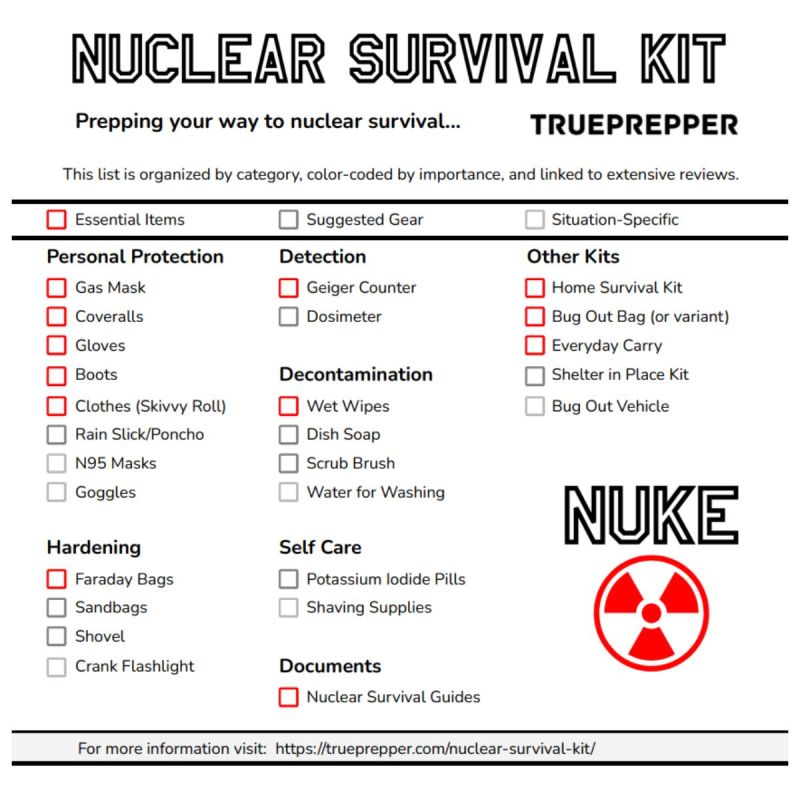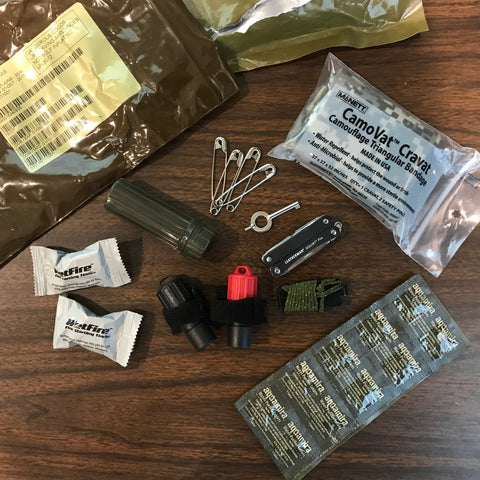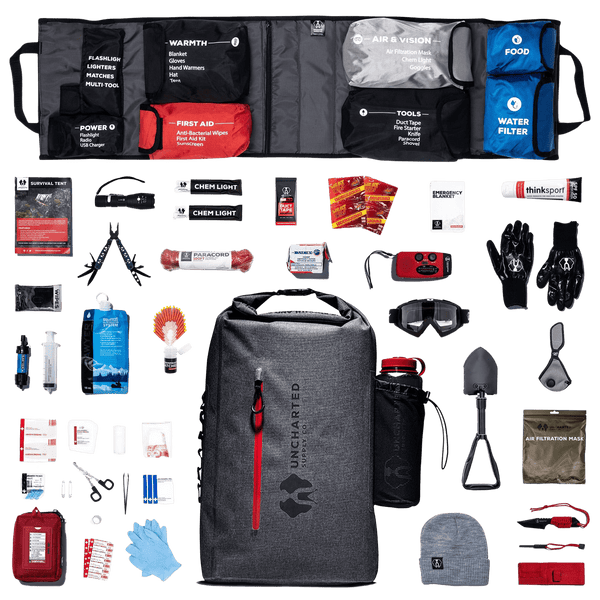
Are you truly prepared for the unexpected? When emergencies strike, having the right survival kit can make all the difference between stress and safety.
Imagine facing a sudden power outage, natural disaster, or getting lost outdoors—would you know exactly what to do? Your survival kit isn’t just a box of supplies; it’s your lifeline. You’ll discover what essentials you need, how to build a kit that fits your lifestyle, and why being ready now can save you from panic later.
Ready to take control of your safety? Let’s dive in.
Importance Of Survival Kits
Survival kits are essential tools for emergencies. They provide basic supplies to help you stay safe and healthy. Many disasters happen without warning. Having a kit ready can make a big difference in your safety and comfort.
Survival kits can support you in many situations. They help with food, water, first aid, and shelter. Being prepared reduces panic and confusion. It gives peace of mind to know you have what you need.
Essential Items For Immediate Needs
A well-stocked survival kit includes items like water, food, and a first aid kit. These basics help you survive the first hours or days after a disaster. Without them, chances of harm increase greatly.
Helps You Stay Calm And Focused
Having a kit helps you stay calm during emergencies. It reduces stress and helps you think clearly. Calmness allows you to make better decisions and avoid mistakes.
Supports Long-term Survival
Some survival kits include tools for shelter and fire. These tools help you survive longer if help takes time to arrive. Long-term survival requires more than food and water.
Easy To Carry And Store
Survival kits are designed to be compact and portable. You can keep them in your car, home, or workplace. Easy access means you are ready anytime, anywhere.
Increases Chances Of Rescue
Many kits contain signaling devices like whistles or mirrors. These help rescuers find you faster. Quick rescue can save your life in critical situations.
Essential Items In A Survival Kit
A well-prepared survival kit can make a big difference in an emergency. It holds items that keep you safe, healthy, and comfortable. Knowing what to include helps you stay ready for any situation.
Water And Hydration
Water is the most important item in any survival kit. Carry enough clean water or water purification tools. Portable water filters, purification tablets, and collapsible bottles work well. Staying hydrated keeps your energy and focus strong.
Food Supplies
Food gives your body energy to survive tough times. Pack non-perishable, lightweight, and high-calorie items. Examples include energy bars, dried fruits, nuts, and freeze-dried meals. Choose foods that do not need cooking or refrigeration.
First Aid Essentials
Basic first aid supplies treat injuries and prevent infection. Include bandages, antiseptic wipes, pain relievers, and adhesive tape. Add scissors, tweezers, and gloves to handle wounds safely. A first aid manual can guide you during emergencies.
Tools And Equipment
Tools help you solve problems and perform tasks. A sturdy knife, multi-tool, and flashlight are must-haves. Pack extra batteries, fire starters, and a whistle for signaling. These tools increase your chances of survival and rescue.
Shelter And Warmth
Protection from weather keeps you safe and healthy. Include a lightweight tarp, emergency blanket, or sleeping bag. Pack warm clothing like hats and gloves. Staying dry and warm prevents hypothermia and fatigue during cold conditions.
Choosing The Right Backpack
Choosing the right backpack for your Are You Ready survival kit can make all the difference in an emergency. It’s not just about carrying your gear; it’s about comfort, durability, and accessibility when you need it most. Your backpack should support you without weighing you down or complicating your situation.
Capacity That Matches Your Needs
Think about how much gear you really need to carry. A backpack that’s too small will leave you scrambling to fit essentials, while one that’s too large might encourage overpacking and add unnecessary weight.
For a basic survival kit, aim for a backpack between 20 to 35 liters. This size balances enough space for food, water, and tools without becoming bulky. Have you ever struggled with a heavy pack that slowed you down? Choosing the right size avoids that problem.
Durability And Weather Resistance
Your backpack must withstand harsh conditions. Look for materials like nylon or polyester with a high denier count, which resist tears and abrasions. Water resistance is just as important—rain can ruin your supplies fast.
Check for features like waterproof zippers or built-in rain covers. These small details ensure your gear stays dry and functional. Ask yourself if your current backpack would survive a sudden downpour or rough terrain.
Comfort And Fit
Comfort is critical when you carry your survival kit for hours. Adjustable padded shoulder straps, a padded back panel, and a waist belt help distribute weight evenly. This reduces strain on your shoulders and back.
Try the backpack loaded with gear before you commit. Does it feel balanced? Does it rub or pinch anywhere? If it doesn’t feel right, you’ll likely avoid carrying it when it matters most.
Organizational Features And Accessibility
Quick access to your gear can save valuable time. Look for multiple compartments and pockets to separate items like first aid, food, and tools. External attachment points let you add gear like water bottles or flashlights.
Think about how you will use your kit in an emergency. Can you reach your water without taking off the backpack? Does the layout help you find your compass or knife quickly? Choosing a backpack with smart organization helps you stay ready.

Credit: www.safetykitsplus.com
Specialized Kits For Different Scenarios
Survival kits come in many forms, each designed for specific emergencies. Specialized kits offer tools and supplies tailored to different situations. Choosing the right kit increases your chances of staying safe and comfortable.
Natural Disasters
Natural disaster kits focus on quick response and basic needs. They include items like water purification tablets, emergency blankets, and first aid supplies. These kits often contain flashlights and batteries for power outages. Compact radios help stay informed during storms or earthquakes. The goal is to survive until help arrives or conditions improve.
Urban Emergencies
Urban emergency kits prepare for situations like fires, blackouts, or civil unrest. They include masks to protect from smoke or dust. Multi-tools and gloves help with minor repairs or clearing debris. Portable chargers keep phones working for communication. The kit usually fits in a small bag for easy carry on short notice.
Wilderness Survival
Wilderness kits focus on long-term survival away from cities. They contain fire starters, knives, and fishing gear. Water filters and compact food supplies support hydration and nutrition. Shelter materials like lightweight tarps protect from harsh weather. Navigation tools such as compasses guide you back to safety. These kits prepare you for days in the wild.
Maintaining And Updating Your Kit
Maintaining and updating your Are You Ready survival kit keeps it effective and reliable. A kit that is well cared for stands ready when emergencies strike. Regular checks prevent surprises and ensure safety. Stay prepared by dedicating time to upkeep your kit.
Regular Inspections
Inspect your kit every few months. Look for damaged or missing items. Check the packaging for tears or moisture. Make sure all tools work properly. Keep the kit clean and dry to avoid mold or rust. Note any changes in your needs or environment. Update contents based on seasons or family size changes.
Replacing Expired Items
Expired food and medical supplies lose their effectiveness. Check expiration dates carefully. Replace expired or soon-to-expire items immediately. Stock fresh water and non-perishable food regularly. Keep a list of replacement dates to stay organized. Use older items first to avoid waste. This practice keeps your kit ready and safe.

Credit: www.walmart.com
Additional Tips For Preparedness
Being prepared goes beyond just having a survival kit packed and ready. To truly face emergencies with confidence, you need to build skills and stay updated on relevant information. These extra steps can make all the difference when every second counts.
Training And Skills
Having the right gear is crucial, but knowing how to use it is even more important. Basic first aid, fire-starting, and navigation skills can save your life and others’.
Consider attending local workshops or online courses to practice these skills. Even simple drills at home with your family can help everyone act calmly and effectively.
Ask yourself: Do you know how to purify water or signal for help? If not, adding these to your skill set can boost your survival chances dramatically.
Staying Informed
Disasters often come with little warning. Having a reliable way to receive updates can keep you ahead of dangers.
- Use a battery-powered or hand-crank radio to catch emergency broadcasts.
- Sign up for local alert systems on your phone.
- Follow trusted sources on social media for real-time news.
Staying informed means you can adjust your plans quickly. Think about how much easier it is to make decisions when you have accurate information at your fingertips.

Credit: www.walmart.com
Frequently Asked Questions
What Is Included In A Ready Survival Kit?
A ready survival kit typically includes water, non-perishable food, first-aid supplies, a flashlight, batteries, and a multi-tool. It also contains emergency blankets, matches, and a whistle to ensure safety during disasters or unexpected situations.
How Long Can A Ready Survival Kit Sustain You?
Most ready survival kits are designed to sustain you for 72 hours. This period covers immediate emergency needs until help arrives or you reach safety. However, larger kits can support longer durations depending on their supplies.
Why Should Everyone Have A Ready Survival Kit?
Having a ready survival kit ensures preparedness for emergencies. It provides essential tools and supplies to survive natural disasters, power outages, or accidents. Being prepared reduces panic and increases your chances of staying safe.
How Often Should I Update My Survival Kit?
You should update your survival kit every six months. Check for expired food, batteries, and medical supplies. Regular updates ensure your kit remains effective and ready for any emergency situation.
Conclusion
Being prepared can make a big difference in tough times. A survival kit keeps essential items close and ready. It helps you stay safe, fed, and warm. Taking time to build your kit shows care for your loved ones. Start small, then add what you need most.
Remember, readiness brings peace of mind and confidence. Don’t wait for an emergency to act. Prepare now and face challenges with calm and strength.