Imagine being caught in an emergency without the right supplies. You wouldn’t want to feel unprepared or helpless when every second counts.
That’s why knowing exactly what to pack in a survival kit is crucial. Your safety and comfort depend on having the essentials ready and within reach. You’ll discover the must-have items that can make all the difference when disaster strikes.
Keep reading to make sure you’re fully equipped to face any unexpected situation with confidence.
Basic Emergency Items
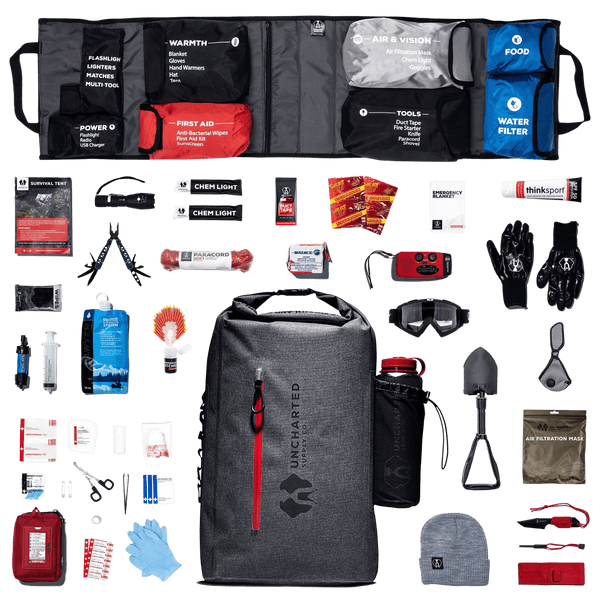
Basic emergency items form the heart of any survival kit. These essentials help you stay safe, healthy, and nourished during unexpected situations. Preparing these items carefully increases your chances of overcoming challenges with confidence.
First Aid Supplies
A well-stocked first aid kit is vital. It treats minor injuries and prevents infections. Include:
- Adhesive bandages of different sizes
- Antiseptic wipes and ointments
- Gauze pads and medical tape
- Scissors and tweezers
- Pain relievers like ibuprofen or acetaminophen
- Allergy medication and any personal prescriptions
Water And Purification
Water is critical for survival. Carry enough clean water for at least three days. Pack water purification tools to make unsafe water drinkable:
- Water bottles or collapsible containers
- Water purification tablets
- Portable water filters
- Small pot for boiling water
Non-perishable Food
Food must last without refrigeration. Choose lightweight, nutrient-rich options to keep energy up:
- Energy bars and trail mix
- Canned meats and vegetables
- Dried fruits and nuts
- Instant oatmeal or soup packets

Credit: www.amazon.com
Tools And Equipment
Having the right tools and equipment in your survival kit can make a huge difference when you face unexpected situations. These items help you handle basic tasks, solve problems quickly, and stay safe. Let’s look at some essential tools that every survival kit should include.
Multi-tools And Knives
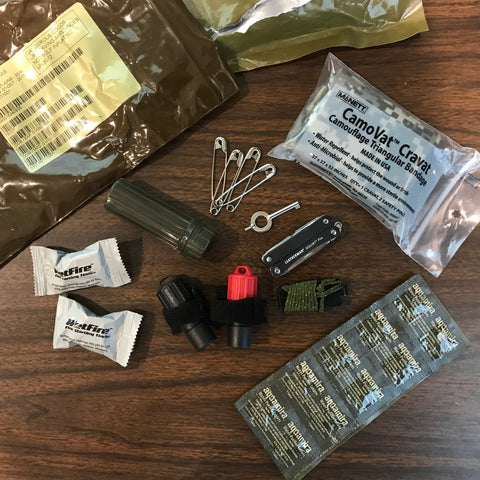
A good multi-tool is like having a toolbox in your pocket. It usually combines pliers, screwdrivers, scissors, and more, saving space and weight in your kit.
Choose a knife with a sturdy blade and a comfortable handle. It’s not just for cutting—think shelter building, food prep, and even self-defense.
Ask yourself: Can your knife handle tough jobs without breaking? Investing in a quality blade means you won’t be left stranded when you need it most.
Fire Starting Tools
Fire is crucial for warmth, cooking, and signaling for help. Carry multiple fire starters like waterproof matches, a lighter, and a ferrocerium rod.
In wet or windy conditions, having a reliable spark source can save your life. I once struggled to start a fire with just matches during a rainstorm; adding a ferro rod changed the game.
Think about how you’ll keep your fire tools dry and accessible. Small waterproof containers or sealed bags work well.
Light And Illumination
When darkness falls, reliable lighting keeps you safe and oriented. Pack a compact flashlight with extra batteries, or better yet, a rechargeable one.
Headlamps free your hands for tasks and are perfect for nighttime activities. Don’t forget glow sticks as a backup—they’re lightweight and don’t rely on batteries.
Consider how long your light source lasts. Will it guide you through a whole night or just a few minutes? Choose tools that match your expected needs.
Shelter And Warmth
Keeping yourself protected from the elements is crucial in any survival situation. Shelter and warmth are not just about comfort—they can be lifesaving. Without proper gear, you risk hypothermia, heatstroke, or exposure. Let’s break down what you should pack to maintain shelter and warmth effectively.
Emergency Blankets
Emergency blankets are lightweight, compact, and incredibly effective at retaining body heat. They reflect up to 90% of your body heat back to you, making them essential for cold nights or unexpected weather changes.
Carry at least one per person in your kit. Don’t underestimate their versatility—beyond warmth, they can serve as a ground cover, rain shield, or even a signaling device due to their reflective surface. Have you ever tried using one during a chilly night outdoors? They can make a surprising difference.
Tents And Tarps
A reliable shelter protects you from wind, rain, and insects. A lightweight tent offers privacy and sturdiness but can be bulky. Tarps are an excellent alternative—they’re compact, easy to set up, and adaptable to different environments.
Consider packing a tarp with paracord and stakes so you can create a quick shelter. It’s a skill worth practicing before you need it. Would you be ready to build a shelter with just a tarp and some rope?
Clothing And Footwear
Your clothes play a vital role in regulating body temperature and protecting you from injury. Pack moisture-wicking layers to stay dry, insulating layers to trap heat, and a waterproof outer layer to block rain and wind.
Footwear should be sturdy and comfortable, suitable for various terrains. Never underestimate dry, warm feet—wet feet can quickly become a dangerous problem. Think about the last time you were caught in bad weather; did your clothing keep you warm and dry?
Navigation And Communication
Navigation and communication tools are crucial in any survival kit. They help you find your way and signal for help if needed. Without reliable equipment, you could easily get lost or miss rescue opportunities.
Maps And Compasses
A detailed map of your area and a sturdy compass are essential. GPS devices are useful but can fail due to battery loss or signal issues. Knowing how to read a map and use a compass can keep you on track even in tough conditions.
Choose waterproof maps and a compass with a clear base plate for easy use. Practicing basic navigation skills before you head out boosts your confidence and safety. Have you ever found yourself disoriented in the wilderness?
Whistles And Signal Mirrors
Whistles are lightweight, loud, and save your voice when calling for help. Signal mirrors can reflect sunlight over long distances, catching the attention of rescuers. Both tools are simple but can make a huge difference in emergencies.
- Carry a whistle with a piercing tone that can be heard from far away.
- Keep a small signal mirror in your kit, and learn how to angle it toward the sun.
- Practice using both so you’re ready when the moment comes.
Radios And Communication Devices
Two-way radios or emergency communication devices let you stay in touch even where cell service is weak. Devices like satellite messengers offer GPS tracking and SOS features that alert rescue teams instantly.
Ensure your devices are fully charged and have extra batteries or solar chargers. Test them regularly to avoid surprises. Would you feel safer knowing you could send a distress signal anytime?
Personal Safety And Protection
Personal safety and protection are crucial components of any survival kit. You never know when a situation might demand quick self-defense or protection from environmental hazards. Preparing yourself with the right tools can make a significant difference in staying safe and confident during emergencies.
Pepper Spray And Defense Tools
Carrying pepper spray provides a non-lethal way to defend yourself against attackers or aggressive animals. It’s compact, easy to use, and highly effective at creating a safe distance quickly.
Beyond pepper spray, small defense tools like a tactical flashlight or a sturdy whistle can alert others or temporarily disorient threats. Have you thought about what you’d reach for if you needed to protect yourself right now?
Masks And Respirators
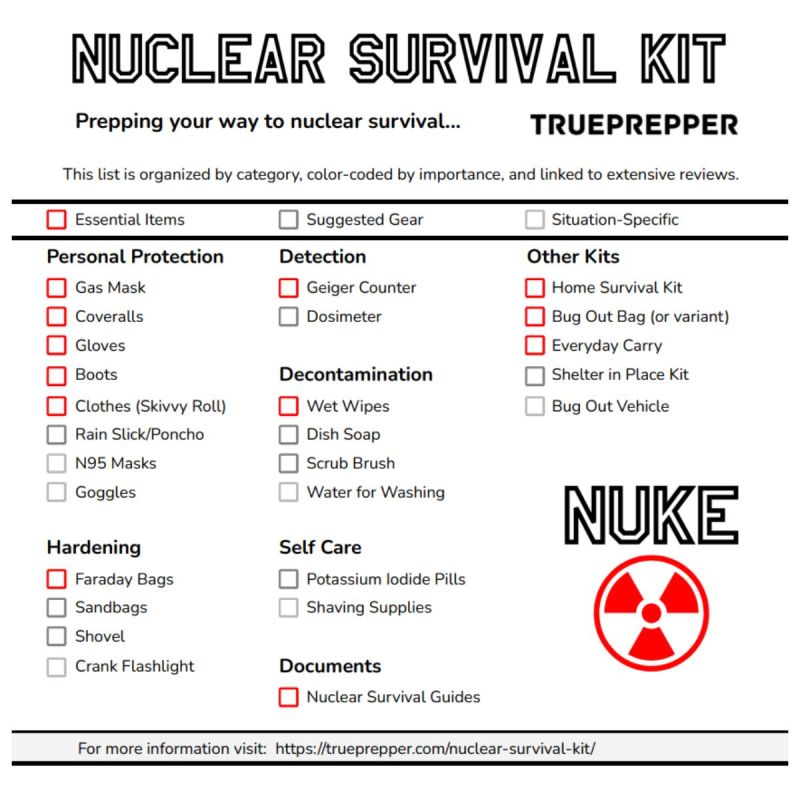
Masks and respirators protect your lungs from dust, smoke, and airborne pathogens. A simple N95 mask can filter harmful particles during wildfires or pandemics, while a respirator offers higher protection in toxic environments.
Think about your environment—are you more likely to face dust storms, chemical spills, or infectious outbreaks? Packing the right mask helps you breathe safely no matter the challenge.
Gloves And Eye Protection
Durable gloves shield your hands from cuts, infections, and harsh chemicals. They’re essential when handling debris, hot objects, or unknown substances during survival situations.
Eye protection, such as safety goggles, keeps your vision clear and guards against dust, splashes, or flying debris. Have you ever experienced the frustration of impaired vision during a critical moment? Proper eye gear prevents that risk.

Credit: www.amazon.com
Important Documents And Cash
Having important documents and cash in your survival kit can make a huge difference during an emergency. These items help you prove your identity, get medical help, and access funds when electronic systems might be down. Think about how often you rely on your ID or health records in daily life—now imagine needing them in a crisis.
Identification And Medical Records
Keep copies of your ID cards, passports, and any other identification in a waterproof bag. Include medical records like allergy information, prescriptions, and vaccination history. This can speed up treatment and avoid dangerous mistakes if you can’t explain your medical needs yourself.
Have you considered how quickly first responders can help if they know your health history right away? This small step can save you from serious complications.
Emergency Contacts
Write down phone numbers and addresses of family members, close friends, and doctors. Store this list both digitally on a USB drive and on paper. Phones might lose power or signal, but a simple paper list stays reliable.
Would you be able to reach your loved ones if your phone battery died? A physical list ensures you always have access to critical contacts.
Cash And Credit Cards
Keep a small amount of cash in different denominations, so you can pay for essentials when card machines don’t work. Add at least one credit or debit card for larger purchases or emergencies. Store these in a secure, easily accessible place within your kit.
Have you ever found yourself in a situation where electronic payments failed? Cash is king during those moments, making it a must-have in your survival kit.
Hygiene And Sanitation
Hygiene and sanitation are vital in any survival situation. Keeping clean helps prevent illness and infection. It also boosts morale and comfort. A well-packed survival kit includes essentials to maintain personal hygiene and proper waste disposal. These items make staying clean easier in tough conditions.
Toiletries And Wet Wipes
Basic toiletries keep your body clean and fresh. Include items like:
- Toothbrush and toothpaste
- Soap or body wash
- Small towel or washcloth
- Wet wipes for quick cleaning
Wet wipes are useful when water is limited. They clean hands, face, and other body parts quickly. Choose biodegradable wipes to protect the environment.
Sanitation Bags
Sanitation bags help manage human waste safely. Use heavy-duty, leak-proof bags for waste disposal. They prevent contamination and odors. Carry enough bags for multiple uses. Seal bags tightly after use and store them away from living areas.
Portable Toilets
Portable toilets offer a cleaner, more comfortable option. They contain waste securely and reduce exposure to germs. Choose lightweight, easy-to-clean models for survival kits. Portable toilets work well in remote or camping situations. Always pack toilet paper and hand sanitizer alongside.
Special Considerations
Survival kits need special care for unique needs. These needs help keep everyone safe and healthy. Some items are essential for health, age, and pets. Including these helps avoid trouble during emergencies.
Medications And Prescriptions
Always pack enough prescription medicines. Keep a list of all medications and dosages. Include extra supplies of important pills and inhalers. Store medicines in waterproof containers to keep them dry. Check expiration dates regularly and replace as needed.
Infants And Children Needs
Babies and kids need special items in survival kits. Pack baby formula, bottles, and pacifiers. Include diapers, wipes, and changing pads. Add child-friendly snacks and medicines for fever or pain. Bring comfort items like a favorite toy or blanket.
Pet Supplies
Pets also need care during emergencies. Include enough pet food and water for several days. Pack a leash, collar, and a carrier or crate. Add any medicines or special care items your pet requires. Don’t forget waste bags and a familiar toy for comfort.

Credit: www.amazon.com
Frequently Asked Questions
What Are Essential Items For A Survival Kit?
Essential survival kit items include water, non-perishable food, a first aid kit, a flashlight, and a multi-tool. These basics help ensure safety and meet immediate survival needs during emergencies or outdoor adventures.
How Much Water Should I Pack In A Survival Kit?
Pack at least one gallon of water per person per day. This amount covers drinking and basic hygiene for short-term survival. Always consider packing extra for longer trips or hotter climates.
Should I Include A First Aid Kit In My Survival Kit?
Yes, a first aid kit is crucial. It helps treat minor injuries and prevents infections. Include bandages, antiseptics, pain relievers, and any personal medications for comprehensive care.
What Type Of Food Is Best For Survival Kits?
Choose non-perishable, high-energy foods like granola bars, nuts, dried fruits, and canned goods. These foods have long shelf lives and provide essential nutrients during emergencies.
Conclusion
A well-packed survival kit saves lives in emergencies. Essentials like water, food, and first aid are key. Keep tools like a flashlight and knife ready. Don’t forget important items like matches and a whistle. Regularly check and update your kit.
Being prepared helps you stay calm and safe. Start packing today to face any challenge. Safety depends on what you carry with you. Simple steps can make a big difference. Stay ready, stay safe.