Imagine being in a critical situation where your survival kit is your lifeline. Now, what if your flashlight or radio suddenly dies because the batteries run out?
That’s why having extra batteries in your survival kit isn’t just a good idea—it’s essential. You rely on these devices to stay safe, informed, and connected. Without spare power, you could be left in the dark—literally and figuratively. Keep reading to discover why those extra batteries could make all the difference when it matters most.
Importance Of Power Backup
Power backup is essential in any survival situation. It keeps your devices running when you need them most. Without extra batteries, your tools could fail at critical moments. Having reliable power means staying connected, informed, and safe.
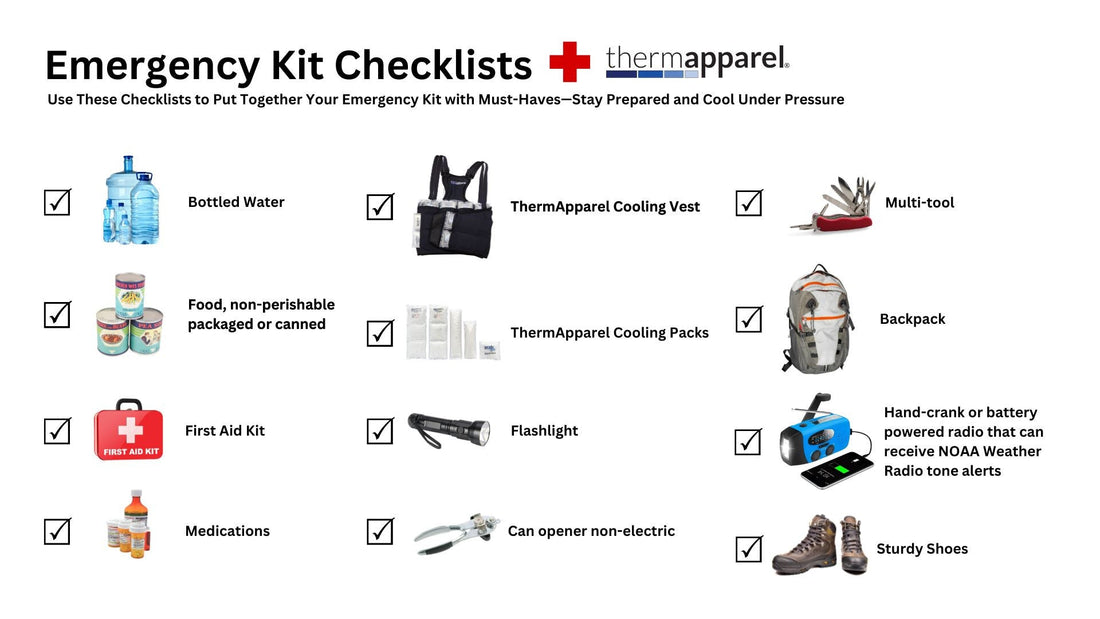
Survival kits often include flashlights, radios, and GPS devices. These tools rely on batteries to function. Once the batteries die, the devices become useless. Extra batteries ensure continuous operation during emergencies.
Power backup also supports communication. Radios and phones need power to work. In a crisis, staying in touch can save lives. Backup batteries keep your communication devices active.
Ensuring Continuous Light Source
Light is vital in dark or low-visibility conditions. Flashlights and headlamps depend on batteries. Extra batteries prevent losing light when it matters most. They allow you to navigate safely at night or in enclosed spaces.
Maintaining Communication Devices
Communication tools need constant power to function. Radios and mobile phones help you call for help. Backup batteries keep these devices operational. They increase chances of rescue or aid during emergencies.
Powering Navigation Tools
GPS devices guide you through unfamiliar terrain. They require batteries to provide accurate location data. Extra batteries ensure your navigation tools keep working. This reduces the risk of getting lost.
Supporting Medical And Safety Equipment
Some medical devices in survival kits run on batteries. This includes portable oxygen or electronic thermometers. Backup batteries keep these devices ready to use. They help maintain health and safety in critical times.
Ready For Extended Emergencies
Emergencies can last hours or days. Batteries in devices will eventually run out. Extra batteries provide power for longer periods. They help you stay prepared for any situation.
Types Of Batteries For Survival Kits
Choosing the right batteries for your survival kit is crucial. Different batteries offer different benefits depending on your needs and the devices you plan to power. Knowing the types available helps you prepare better and stay powered longer in emergencies.
Alkaline Batteries
Alkaline batteries are the most common and widely available option. They are affordable and work well for low to moderate power devices like flashlights and radios. However, they can leak if left unused for a long time, so check them regularly.
Have you ever found dead batteries in your kit right when you needed them? Alkalines can lose charge over time, so rotate them out every few years to keep your gear ready.
Lithium Batteries
Lithium batteries last much longer than alkalines and perform better in extreme temperatures. They are lighter, making them ideal if you need to keep your kit portable. These batteries are perfect for high-drain devices such as GPS units or advanced flashlights.
One time, during a cold-weather hike, my lithium batteries kept my headlamp running flawlessly when others failed. Think about the conditions you might face and choose accordingly.
Rechargeable Options
Rechargeable batteries, like NiMH, can be reused hundreds of times, saving money and reducing waste. They work well if you have a way to recharge them, such as solar chargers or power banks. Keep in mind they may hold less charge compared to lithium and can self-discharge if stored improperly.
Do you have reliable access to electricity or solar power? If yes, adding rechargeable batteries to your kit can be a smart, eco-friendly choice.
Situations Requiring Extra Batteries
Extra batteries are vital in many situations. They ensure your devices keep working when power sources are scarce. Having backups means you stay connected, safe, and informed. Below are key scenarios where extra batteries prove essential.
Natural Disasters
Natural disasters cause power cuts and communication failures. Flashlights, radios, and medical devices need power to operate. Extra batteries keep these tools ready and reliable. They provide light in dark places and help you hear emergency alerts.
Extended Outdoor Adventures
Camping, hiking, and long trips often last days without access to power. GPS devices, headlamps, and portable stoves require batteries. Carrying extras prevents being stranded without light or navigation. It helps you stay safe far from civilization.
Unexpected Power Outages
Power outages can happen anytime and last for hours or days. Backup batteries allow phones, radios, and flashlights to keep working. They offer comfort and security during uncertain times. Being prepared avoids panic and confusion in the dark.
Credit: www.nbcnews.com
Choosing The Right Battery
Choosing the right battery for your survival kit is more important than you might think. It’s not just about grabbing any battery off the shelf; the battery you pick can determine how reliable your gear is during critical moments. Let’s break down what you need to consider to make sure your survival kit stays powered when you need it most.
Capacity Considerations
Battery capacity tells you how long a battery will last before it needs to be replaced or recharged. Higher capacity means longer use, which is crucial if you’re relying on devices like flashlights or radios for extended periods.
Think about how often you’ll use your devices and how critical they are. For example, a GPS device used occasionally may not need the highest capacity, but a radio for communication definitely does.
Shelf Life And Storage
Not all batteries hold their charge well over time. Some lose power even when stored, leaving you with dead batteries in an emergency. This is why shelf life matters—long shelf life means your batteries will be ready when you need them.
Store your batteries in a cool, dry place to extend their life. Have you ever opened your survival kit only to find dead batteries? Avoid this by choosing batteries known for their long shelf life.
Compatibility With Devices
Using the wrong battery can damage your device or cause it to fail at the worst time. Check what type of batteries your equipment requires—AA, AAA, lithium, or rechargeable—and stick to those specifications.
Sometimes, devices perform better with specific brands or battery types. Test your gear with different batteries beforehand to see which ones deliver the best performance and reliability.
Storing Batteries Safely
Storing batteries safely is crucial for any survival kit. Proper storage keeps batteries working longer and ready when needed. Batteries can lose power or leak if stored incorrectly. Careful handling prevents damage and ensures safety. Understanding the best storage practices helps maintain battery life and reliability.
Temperature And Humidity
Extreme temperatures can harm batteries. Heat speeds up battery discharge and reduces lifespan. Cold can make batteries lose power quickly. Store batteries in a cool, dry place. Avoid areas with direct sunlight or heat sources. Humidity causes moisture buildup, which damages batteries. Keep batteries away from damp or wet environments. Use airtight containers or sealed plastic bags to protect from humidity.
Avoiding Leakage And Corrosion
Batteries can leak acid if old or damaged. Leakage can ruin your survival gear and cause harm. Check batteries regularly for signs of swelling or corrosion. Remove leaking batteries immediately and clean the area. Store batteries separately to avoid contact and damage. Use battery cases or covers to prevent short circuits. Replace old batteries to reduce the risk of leaks. Proper storage stops corrosion and keeps batteries safe for emergencies.
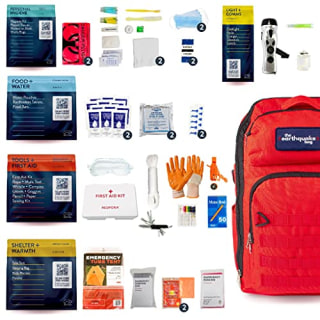
Credit: www.nbcnews.com
Maintaining Battery Performance
Batteries lose power over time, even without use. Maintaining battery performance ensures your survival kit stays ready. Good battery care means reliable power for your essential devices during emergencies.
Regular checks keep your batteries fresh and effective. Old or weak batteries can fail when you need them most. Checking batteries helps you spot problems early and replace them in time.
Regular Checks And Replacements
Check battery levels every few months. Remove batteries that show leaks or corrosion. Test batteries using a simple multimeter for voltage. Replace batteries that read below recommended power levels.
Store spare batteries in a cool, dry place. Keep them in original packaging to prevent damage. Rotate batteries by using older ones first and replacing with new ones. This habit keeps your kit ready for use at all times.
Proper Disposal Of Used Batteries
Used batteries can harm the environment if thrown in trash. Dispose of batteries at designated recycling centers. Many stores and community centers accept used batteries for safe disposal.
Do not burn or crush old batteries. Hazardous chemicals can leak and cause injury. Follow local rules for battery disposal to protect nature and people.
Additional Power Sources
Extra batteries alone might not always keep your devices powered during emergencies. That’s why having additional power sources in your survival kit is essential. These alternatives can provide reliable energy when traditional batteries run out or are unavailable.
Solar Chargers
Solar chargers tap into the sun’s energy to power your devices. They are lightweight and easy to carry, making them perfect for outdoor survival situations. Imagine being stuck without electricity—solar chargers let you recharge your phone or flashlight simply by placing the panel under sunlight.
Some models even come with built-in batteries, storing energy for use during the night or cloudy days. This means you won’t have to worry about finding a power outlet or carrying bulky batteries all the time. Have you ever considered how much sunlight you get daily? That can directly affect how useful a solar charger will be for you.
Hand-crank Generators
Hand-crank generators offer power at your fingertips—literally. By manually turning a crank, you generate electricity to charge small devices. This method doesn’t rely on weather conditions, making it a dependable backup when solar power isn’t an option.
They are compact and require no fuel or batteries, so they’re always ready when you need them. A quick few minutes of cranking can give you enough juice to send an emergency message or power a radio. Would you be willing to put in a little effort to keep your essential gear running?
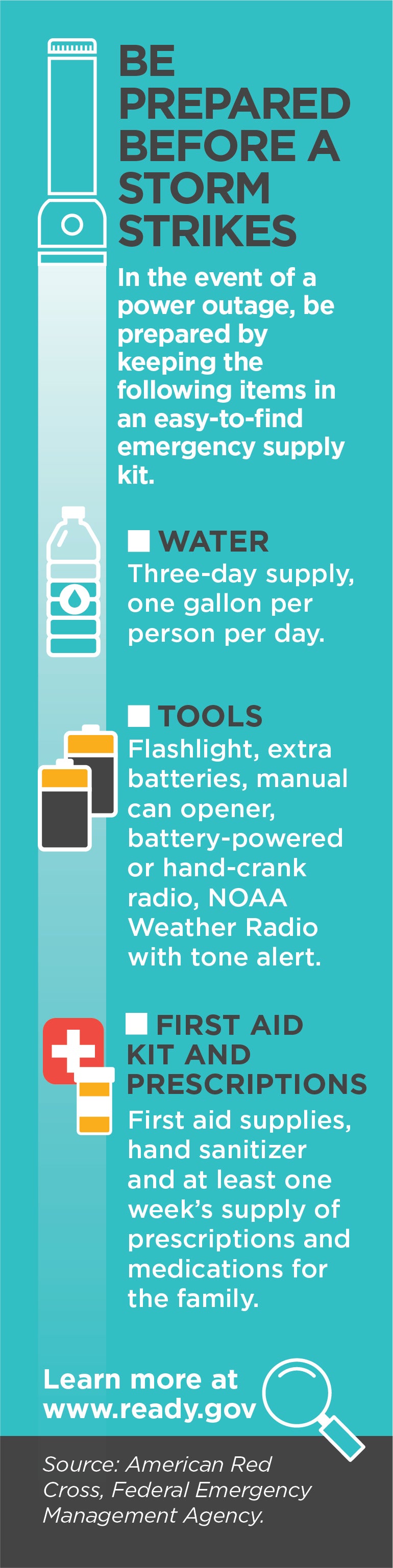
Credit: www.lumbeeriver.com
Frequently Asked Questions
Why Are Extra Batteries Essential In A Survival Kit?
Extra batteries ensure your devices stay powered during emergencies. They help maintain communication, lighting, and navigation when other power sources fail.
How Do Extra Batteries Improve Survival Chances?
They keep critical tools operational longer. This boosts your ability to signal for help and manage tasks without losing power.
What Types Of Batteries Are Best For Survival Kits?
Choose versatile, long-lasting batteries like AA, AAA, or lithium. These options provide reliable power for multiple emergency devices.
Can Extra Batteries Prevent Device Failure In Emergencies?
Yes, having spares prevents device shutdowns. It ensures continuous operation of flashlights, radios, and other vital survival gear.
Conclusion
Extra batteries keep your survival gear ready to use anytime. Devices like flashlights, radios, and GPS need power to work well. Without spare batteries, you risk losing important tools during emergencies. Carrying extras means you stay prepared and safe. It helps avoid stress when power runs out fast.
Always check battery types and pack enough for your needs. Being ready makes a big difference in survival situations. Never leave home without extra batteries in your kit. Simple, smart, and lifesaving.