Imagine being caught in an emergency without the right tools. What would you do?
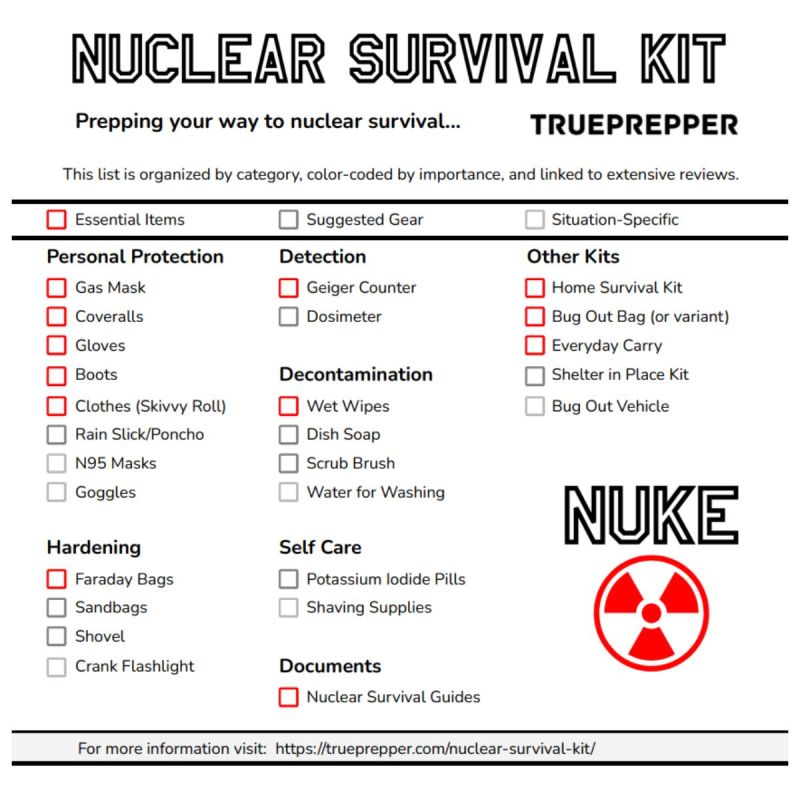
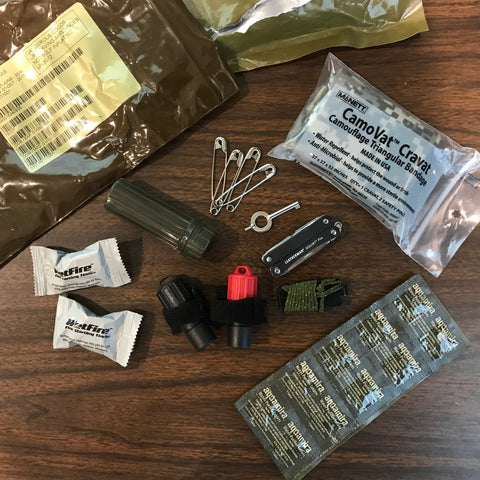
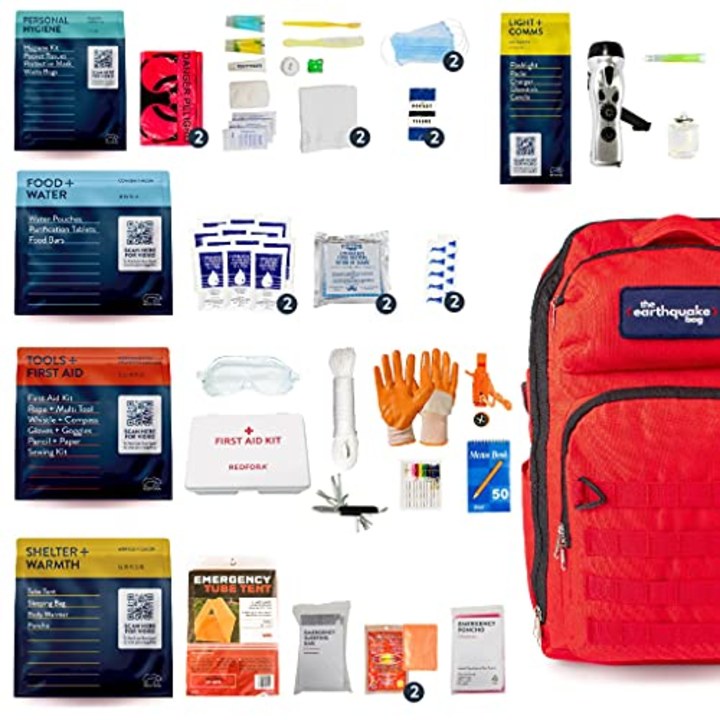
Your survival kit can be the difference between staying safe and facing serious trouble. But what exactly should you include to be fully prepared? You’ll discover the essential items that belong in your survival kit. Knowing these can give you peace of mind and confidence when unexpected situations arise.
Keep reading—your safety might depend on it.
Basic Supplies
Basic supplies form the foundation of any survival kit. These are the essentials you rely on first when disaster strikes. Without them, your chances of staying safe and comfortable drop dramatically.
Water And Filtration
Water is your most critical need. You should always have at least one gallon of water per person per day stored in your kit. But what if you run out or need more?
That’s why including a reliable water filtration system is smart. Portable filters, purification tablets, or even a small stove for boiling water can save your life. I once trusted only bottled water during a camping trip until my supply ran low — having a filter then made all the difference.
- Store bottled water in sealed containers
- Add a compact water filter or purification tablets
- Consider a lightweight pot for boiling water
Ask yourself: How long could you survive without fresh water? Preparing for that scenario is non-negotiable.
Non-perishable Food
Food keeps your energy up, especially when you’re under stress. Pack items that last long without refrigeration and don’t require cooking.
Think canned beans, dried fruits, nuts, and energy bars. These foods are easy to store and quick to eat. During a power outage, I found that having a few cans of tuna and some trail mix kept me going without any hassle.
- Choose high-calorie, nutrient-rich foods
- Opt for packaging that’s easy to open
- Rotate stock regularly to keep food fresh
How much food do you really need if you had to stay in one place for days? Planning your portions can prevent shortages and waste.
First Aid Essentials
A well-stocked survival kit must include essential first aid items. These supplies help treat injuries and prevent infections. Being prepared can save lives in emergencies. Focus on items that stop bleeding, reduce pain, and protect wounds.
Bandages And Dressings
Bandages and dressings protect wounds from dirt and germs. They help control bleeding and speed up healing. Include various sizes for different injuries.
- Adhesive bandages (small cuts and scrapes)
- Gauze pads (larger wounds)
- Roller gauze (to secure dressings)
- Elastic bandages (sprains and strains)
- Antiseptic wipes (clean wounds before dressing)
- Medical tape (hold dressings in place)
Medications And Treatments
Medications ease pain, reduce swelling, and prevent infection. Choose basic drugs safe for most people.
- Pain relievers like ibuprofen or acetaminophen
- Antihistamines for allergic reactions
- Antibiotic ointments to prevent wound infections
- Burn cream for minor burns
- Hydrocortisone cream to reduce itching and irritation
- Oral rehydration salts for dehydration
Tools And Equipment
Having the right tools and equipment in your survival kit can make all the difference when you face unexpected situations. These items help you handle various challenges, from building shelter to preparing food. Choosing compact, durable, and versatile gear ensures you’re ready for anything without carrying unnecessary weight.
Multi-tool And Knife
A multi-tool is one of the most valuable items you can add to your kit. It combines several functions like pliers, screwdrivers, and scissors in a small package. This means you can fix gear, cut ropes, or open cans without carrying multiple tools.
Equally important is a good knife. A sturdy, sharp blade can help with food prep, self-defense, and even first aid. I once found myself using a knife to carve notches in wood to mark my path—simple tools can solve complex problems.
Fire Starting Gear
Fire is essential for warmth, cooking, and signaling for help. Including reliable fire-starting gear in your kit is a smart move. Waterproof matches, a flint striker, or a magnesium fire starter can work even in wet conditions.
Think about what you have on hand and how easy it is to use under stress. A simple ferro rod might require practice but offers countless strikes, while waterproof matches are easy but can run out fast. What’s your best bet for starting a fire quickly?
Lighting And Illumination
Light is crucial when darkness falls unexpectedly. A compact flashlight or headlamp keeps your hands free and guides your way at night. Opt for LED models with adjustable brightness to save battery life.
Don’t forget extra batteries or a solar-powered charger. I once had to navigate a dark trail with only the dim glow of a headlamp, realizing how critical good lighting is. What’s your plan if night comes sooner than expected?

Credit: www.servpro.com
Shelter And Warmth
Shelter and warmth are essential for survival in any emergency. Protecting your body from cold and harsh weather keeps you alive and strong. Your survival kit must include items that help you create a safe, warm space quickly. This section highlights two key items to include for shelter and warmth.
Emergency Blanket
An emergency blanket is lightweight and compact. It reflects body heat back to you, preventing heat loss. These blankets are made from durable, heat-reflective material. They also shield against wind and rain. Carry one in your survival kit to stay warm in cold conditions. Easy to use and effective, it fits in any backpack or pocket.
Tent Or Tarp
A tent or tarp provides a reliable shelter from rain, wind, and sun. Choose a lightweight tent that is easy to set up. A tarp is more versatile and can be arranged in many ways. Both options create a barrier from the elements. They protect your body and gear from moisture and cold. Including a tent or tarp ensures a dry and warm place to rest.
Communication Devices
Communication devices are vital in any survival kit. They help you send and receive signals during emergencies. These tools increase your chances of rescue and staying informed. Compact, reliable, and easy to use devices should be included. Choose items that do not depend heavily on batteries or cellular networks.
Hand-crank Radio
A hand-crank radio is essential for receiving weather updates and emergency broadcasts. It does not require batteries, as you generate power by turning a crank. Many models also include a flashlight and USB charger. This device keeps you informed about changing conditions without relying on electricity.
Whistle And Signal Mirror
A whistle is a simple, loud tool to attract attention over long distances. It uses less energy than shouting and can be heard from far away. A signal mirror reflects sunlight to create a bright flash. This flash can alert rescuers or nearby people. Both are lightweight and easy to carry in your kit.

Credit: trueprepper.com
Personal Hygiene
Maintaining personal hygiene during survival situations helps prevent sickness and boosts morale. Cleanliness keeps germs away and protects your skin. It also supports mental health by providing a sense of normalcy and comfort. Packing the right hygiene items ensures you stay healthy and confident in tough times.
Sanitation Supplies
Sanitation supplies are essential for safe and clean living. They help manage waste and reduce infection risks. Include items that are lightweight and easy to use.
- Hand sanitizer with at least 60% alcohol
- Antibacterial wipes for quick cleaning
- Portable toilet bags or waste disposal bags
- Small trowel for digging latrines
- Disposable gloves for handling waste
- Waterproof bags to store used items
Toiletries
Toiletries keep your body fresh and clean. Choose compact and multipurpose products to save space.
- Travel-size soap or body wash
- Toothbrush and fluoride toothpaste
- Small towel or washcloth
- Comb or hairbrush
- Feminine hygiene products
- Lip balm to prevent chapping
- Moisturizer to protect dry skin
Important Documents
Having important documents in your survival kit can make a huge difference during emergencies. These papers serve as proof of identity, help you access resources, and connect you with loved ones. Without them, you might face delays or complications when you need help the most.
Identification Copies
Always include copies of your key identification documents. This means your driver’s license, passport, and any national ID cards. Keep these in a waterproof and fireproof pouch to protect them from damage.
Think about times when you had to prove who you are quickly. Without ID, you could be stuck in lines or denied services. A simple photocopy or a scanned version saved on a USB drive can also be helpful if physical copies get lost.
Emergency Contact List
Write down a list of emergency contacts and keep it with your documents. Include phone numbers of close family, friends, doctors, and local emergency services. Make sure the list is easy to read and up-to-date.
Imagine losing your phone or it running out of battery—having a written list becomes your lifeline. Also, add notes about any important medical conditions or allergies for quick reference. Would you be able to contact the right people if technology failed you?
Credit: www.nbcnews.com
Clothing And Footwear
Clothing and footwear are vital components of any survival kit. They protect you from harsh weather, rough terrain, and unexpected conditions. Choosing the right items can make a significant difference in your comfort and safety during emergencies.
Weather-appropriate Garments
Your clothing must match the environment where you expect to survive. In cold climates, pack insulated layers like thermal underwear, fleece jackets, and waterproof outerwear. Breathable fabrics that wick moisture away from your skin help prevent chills.
In hot weather, lightweight, light-colored clothes that cover your skin protect against sunburn and dehydration. Consider quick-drying materials if you might encounter wet conditions. Don’t forget a hat and gloves—they aren’t just for style but essential for temperature regulation.
Think about versatility. A packable rain jacket or windbreaker can save you from sudden weather changes without taking up much space. Ask yourself: will you stay dry and warm with what you have, or could you do better?
Sturdy Footwear
Your feet are your foundation in survival scenarios. Durable, well-fitting boots with good ankle support reduce the risk of injury on uneven ground. Waterproof boots are a smart choice if you expect wet or muddy environments.
Break in your boots before you need them. Blisters and sore feet can slow you down and drain your energy fast. Consider packing extra socks—preferably moisture-wicking and quick-drying—to keep your feet comfortable and prevent infections.
Think about the terrain you’ll face. Will you trek through rocky paths, dense forests, or open fields? The right footwear can prevent many common survival problems. What kind of footwear do you trust when every step counts?
Cash And Coins
Including cash and coins in your survival kit is essential. Electronic payments might not work during emergencies. Paper money and coins provide a reliable way to buy necessities.
Small bills are better than large ones. They allow you to make exact payments and get change. Carry a mix of denominations for flexibility.
Why Cash Matters In Emergencies
Power outages can disable card readers and ATMs. Cash ensures you can buy food, water, and fuel. It also helps in places where digital payments are rare.
Choosing The Right Bills And Coins
Keep mostly small bills like $1, $5, and $10. These are easier to use for small purchases. Include some coins for vending machines or parking meters.
How Much Cash To Carry
Carry enough for at least three days. This might range from $100 to $300. Adjust amount based on your location and situation.
Storing Cash Safely In Your Kit
Use a waterproof pouch to protect money from damage. Keep cash hidden but easy to access. Avoid folding bills tightly to prevent wear.
Miscellaneous Items
Miscellaneous items in a survival kit often make a big difference. These small tools and supplies help solve unexpected problems. They improve comfort, safety, and communication in tough situations. Choosing the right miscellaneous items can boost your chances of staying safe and organized.
Duct Tape And Rope
Duct tape is a must-have for quick fixes. It can seal tears in tents, patch gear, or secure splints. Rope offers many uses, from building shelters to making traps. Both items are lightweight and take up little space. Carry a small roll of duct tape and a length of strong rope.
Notebook And Pen
A notebook helps record important information. Write down directions, emergency contacts, or survival notes. A pen is useful for leaving messages or marking trails. Choose a small, waterproof notebook and a reliable pen. These tools keep your thoughts and plans clear under pressure.
Frequently Asked Questions
What Essential Items Should A Survival Kit Always Have?
A survival kit should always include water, non-perishable food, a first aid kit, a flashlight, and a multi-tool. These essentials help you stay hydrated, nourished, and safe during emergencies. Including a whistle and fire-starting tools also improves your chances of rescue.
How Much Water Is Needed In A Survival Kit?
Carry at least one gallon of water per person per day. Water is crucial for hydration and cooking. For longer trips, pack water purification tablets or filters to ensure safe drinking water. This helps prevent dehydration in survival situations.
Why Include A First Aid Kit In A Survival Kit?
A first aid kit treats injuries and prevents infections. It should contain bandages, antiseptics, pain relievers, and any personal medications. Quick access to medical supplies reduces risks and stabilizes wounds until professional help arrives.
Should I Include Tools In My Survival Kit?
Yes, tools like a multi-tool, knife, and fire starter are vital. They assist in building shelter, preparing food, and starting fires. These tools enhance your ability to adapt and survive in unpredictable environments.
Conclusion
A well-prepared survival kit can keep you safe in emergencies. Include food, water, first aid, and tools for shelter. Remember to update your kit regularly. Think about your needs and environment. Stay ready and stay calm. Being prepared helps you face challenges with confidence.
A simple kit can make a big difference. Don’t wait—start building your survival kit today.