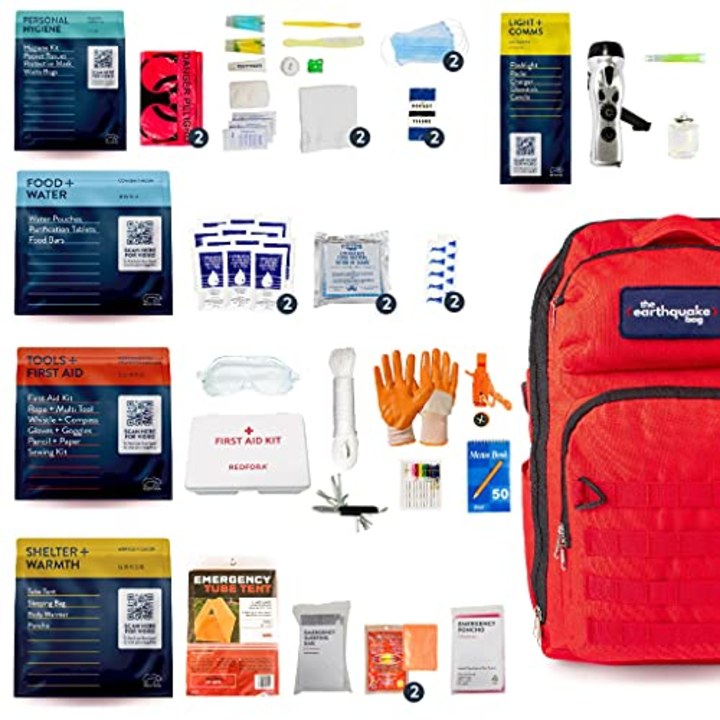
When an earthquake strikes, every second counts. Do you know what you need to have ready to stay safe and secure?
Having the right earthquake survival kit can make all the difference between panic and calm, confusion and control. You’ll discover exactly what to pack in your kit—items that could protect you and your loved ones when the ground starts shaking.
Keep reading to find out how to prepare yourself for the unexpected and take charge of your safety.
Basic Necessities
Preparing your earthquake survival kit means focusing on basic necessities that keep you alive and functional when help is not immediately available. These essentials cover your most urgent needs: hydration and nutrition. Without these, your chances of staying safe and healthy drop quickly.
Water And Purification Tools
Water is the most critical item in your survival kit. You should pack at least one gallon per person per day for drinking and sanitation. Think about how quickly you get thirsty during a crisis—having enough water is non-negotiable.
Include water purification tools like tablets or a portable filter to make uncertain water sources safe. Bottled water can run out or get contaminated, so having a way to purify water is a smart backup. Have you ever tried filtering water from a questionable source? It’s a simple skill that can save your life.
Non-perishable Food Items
Food in your survival kit must last without refrigeration. Stock up on canned goods, energy bars, nuts, and dried fruits. These foods provide the calories and nutrients your body needs when regular meals aren’t available.
Choose items that you actually like eating to avoid wasting energy on unpleasant meals. Remember, comfort matters in stressful situations. Have you thought about testing your survival food now, so you know what works for you?
First Aid Supplies
First aid supplies are the heart of any earthquake survival kit. They prepare you to handle injuries quickly and effectively when medical help may not be immediately available. Having the right materials can make a real difference in managing wounds, preventing infections, and relieving pain.
Bandages And Dressings
Bandages and dressings stop bleeding and protect wounds from dirt and germs. Your kit should include different sizes of adhesive bandages for small cuts and larger sterile dressings for serious injuries.
- Adhesive bandages (various sizes)
- Sterile gauze pads
- Roller bandages
- Elastic bandages for sprains
- Adhesive tape
Imagine you’re dealing with a deep cut during an earthquake aftermath. Having a sterile dressing and tape ready can prevent infection and control bleeding until you get professional care. Would you want to rely on improvised materials in that moment?
Medications And Pain Relievers
Medications ease pain and reduce fever, helping you stay alert and comfortable. Include pain relievers like ibuprofen or acetaminophen, along with any prescription medicines your family needs.
- Pain relievers (ibuprofen, acetaminophen)
- Antihistamines for allergic reactions
- Antiseptic wipes or solution
- Antibiotic ointment
- Any personal prescription medications
Have you ever experienced a headache or muscle pain during a stressful situation? Pain relievers can help maintain your strength and focus when every second counts. Don’t forget to rotate medications to keep them effective and check expiration dates regularly.
Tools And Equipment
Tools and equipment are vital in an earthquake survival kit. They help with many tasks after an earthquake. Having the right tools can make a big difference in safety and comfort. These items assist in repairs, first aid, and finding your way in the dark.
Multi-tools And Knives
Multi-tools combine several functions in one compact device. They often include pliers, screwdrivers, and scissors. A sharp knife is essential for cutting ropes or opening packages. These tools help with small repairs and preparing food. Choose sturdy, easy-to-use multi-tools for quick access.
Flashlights And Batteries
Flashlights provide light when power is out. Choose LED flashlights for long battery life. Always carry extra batteries to keep lights working. Headlamps free your hands for tasks in the dark. Bright, reliable light is crucial for safety and moving around safely.
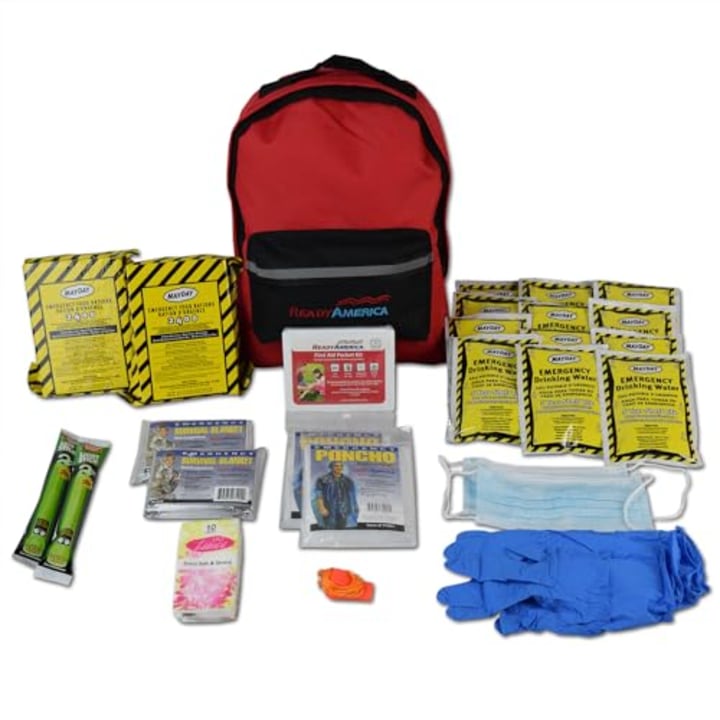
Credit: www.nbcnews.com
Safety And Protection
Safety and protection are vital in any earthquake survival kit. They help reduce injuries and keep you secure during and after the quake. Basic gear can shield you from dust, debris, and other hazards.
Having the right tools helps you stay calm and alert. It also lets rescuers find you faster if you are trapped. Here are some essential items for safety and protection.
Dust Masks And Gloves
Dust masks protect your lungs from harmful dust and particles. Earthquakes often stir up dirt and debris that can cause breathing problems. Wearing a mask helps you breathe cleaner air.
Gloves shield your hands from sharp objects and rough surfaces. They prevent cuts and scrapes while you move through rubble or handle broken items. Durable gloves are a must-have for safety.
Emergency Whistles And Signals
Emergency whistles help you call for help without shouting. They are loud and can be heard from far away. Carry a whistle to attract attention if you are trapped or lost.
Signal mirrors or small lights can also help rescuers spot you. These tools work well during the day or night. They increase your chances of being found quickly.
Communication Devices
Communication devices are vital in any earthquake survival kit. They keep you connected to emergency services, family, and the latest updates. Without reliable communication, you could feel isolated and miss critical information.
Battery-powered Radios
A battery-powered radio is a must-have. It works even when the power is out, allowing you to receive news and weather alerts. Some radios include NOAA weather channels, which provide real-time emergency updates.
Choose a radio with long battery life and easy-to-find controls. Hand-crank options are great because they don’t rely solely on batteries. Think about how you’d access important updates if your phone dies or the internet is down.
Cell Phone Chargers
Your cell phone is a lifeline, but it’s useless without power. Including portable chargers or power banks ensures your device stays charged during an emergency. Look for chargers with multiple USB ports so you can power several devices at once.
Solar-powered chargers add another layer of reliability, especially if you’re stuck outdoors. Have you tested your charger recently? Keeping it ready can make a big difference when you need to call for help or check in with loved ones.

Credit: 72hours.ca
Shelter And Warmth
Shelter and warmth play a crucial role in surviving an earthquake. They protect from harsh weather and cold temperatures. Without proper shelter, risks like hypothermia increase. A well-prepared kit includes items that provide insulation and cover quickly. These tools keep you safe and comfortable during uncertain times.
Thermal Blankets
Thermal blankets are lightweight and compact. They reflect body heat to keep you warm. These blankets are water-resistant and windproof. They fit easily in any survival kit. Use thermal blankets to retain heat in cold conditions. Their bright colors also help rescuers find you faster.
Tents And Tarps
Tents offer immediate protection from rain and wind. Choose tents that are easy to set up. Look for durable materials that withstand rough weather. Tarps are versatile for building temporary shelters. They can cover damaged roofs or create shade. Both tents and tarps provide essential cover outdoors.
Personal Hygiene Items
Personal hygiene items are often overlooked when packing an earthquake survival kit, but they play a crucial role in keeping you healthy and comfortable during an emergency. Cleanliness helps prevent illness, boosts morale, and maintains a sense of normalcy amid chaos. Including the right supplies ensures you can manage day-to-day hygiene even without access to running water or electricity.
Sanitation Supplies
Sanitation supplies are essential to avoid infections and maintain a safe environment. Pack items like hand sanitizer, wet wipes, and disposable gloves to help you clean your hands and surfaces quickly.
- Biodegradable soap for washing hands and dishes
- Toilet paper and moist towelettes for personal cleanliness
- Plastic bags for waste disposal to keep your area clean
- Portable toilet or bucket with a lid if water isn’t available
Imagine being stuck without a clean way to dispose of waste — it can quickly turn a difficult situation into a dangerous one. Don’t underestimate the power of these simple items to keep illness at bay.
Personal Care Products
Personal care products help you maintain your daily routine, which can reduce stress and improve your mental state during an emergency. Items like toothbrushes, toothpaste, and deodorant are small but impactful additions.
- Toothbrush and toothpaste for oral hygiene
- Feminine hygiene products tailored to your needs
- Comb or brush to keep hair manageable
- Lip balm and moisturizer to protect your skin
Have you ever noticed how a fresh toothbrush or a quick clean-up can lift your spirits? Keeping these essentials handy makes a real difference when everything else feels uncertain.
Important Documents
Having important documents ready in your earthquake survival kit can save you a lot of trouble when disaster strikes. These papers prove who you are, where you belong, and who to contact in an emergency. Without them, you might face delays in getting help or accessing services.
Identification Papers
Keep copies of your ID cards, passports, and driver’s licenses in a waterproof pouch. These documents are crucial for proving your identity, especially if you need to evacuate or access emergency shelters. You might also want to include health insurance cards and any medical records that could be important in an emergency.
Think about how confusing it would be to lose your ID during a crisis. Having these papers on hand makes recovery smoother and faster.
Emergency Contact Information
Create a list of phone numbers and addresses for close family, friends, doctors, and local emergency services. Store this list both digitally (on your phone or USB) and as a physical copy in your kit. It’s easy to forget important numbers when you’re stressed, so having them ready can help you get the support you need quickly.
Ask yourself: if your phone dies or gets lost, how will you reach out for help? This list acts as your lifeline in chaotic moments.

Credit: www.amazon.ca
Frequently Asked Questions
What Essential Items Belong In An Earthquake Survival Kit?
An earthquake survival kit should include water, non-perishable food, flashlight, batteries, first aid supplies, whistle, and a multi-tool. These items ensure safety, communication, and basic needs during emergencies. Preparing this kit helps you stay self-sufficient until help arrives.
How Much Water Is Needed In An Earthquake Kit?
You should store at least one gallon of water per person daily. Keep a three-day supply minimum for drinking and sanitation. Water is vital for hydration and hygiene during earthquake emergencies when supply systems may be disrupted.
Why Include A Whistle In An Earthquake Survival Kit?
A whistle helps signal for help if trapped under debris or in hard-to-reach places. It’s louder and requires less energy than shouting. Including a whistle improves your chances of being found quickly after an earthquake.
How Often Should I Update My Earthquake Survival Kit?
Update your kit every six months to replace expired food, batteries, and medications. Regular checks ensure all items function properly and remain effective. Staying prepared means maintaining an up-to-date survival kit at all times.
Conclusion
An earthquake survival kit saves lives during emergencies. It should include water, food, and first aid supplies. A flashlight and batteries help when power goes out. Keep important documents and cash in the kit too. Regularly check and update your kit’s items.
Being prepared reduces fear and confusion after a quake. Everyone can build a kit with simple things. Start today to protect yourself and your family. Safety begins with small, smart steps. Don’t wait—prepare for the unexpected now.