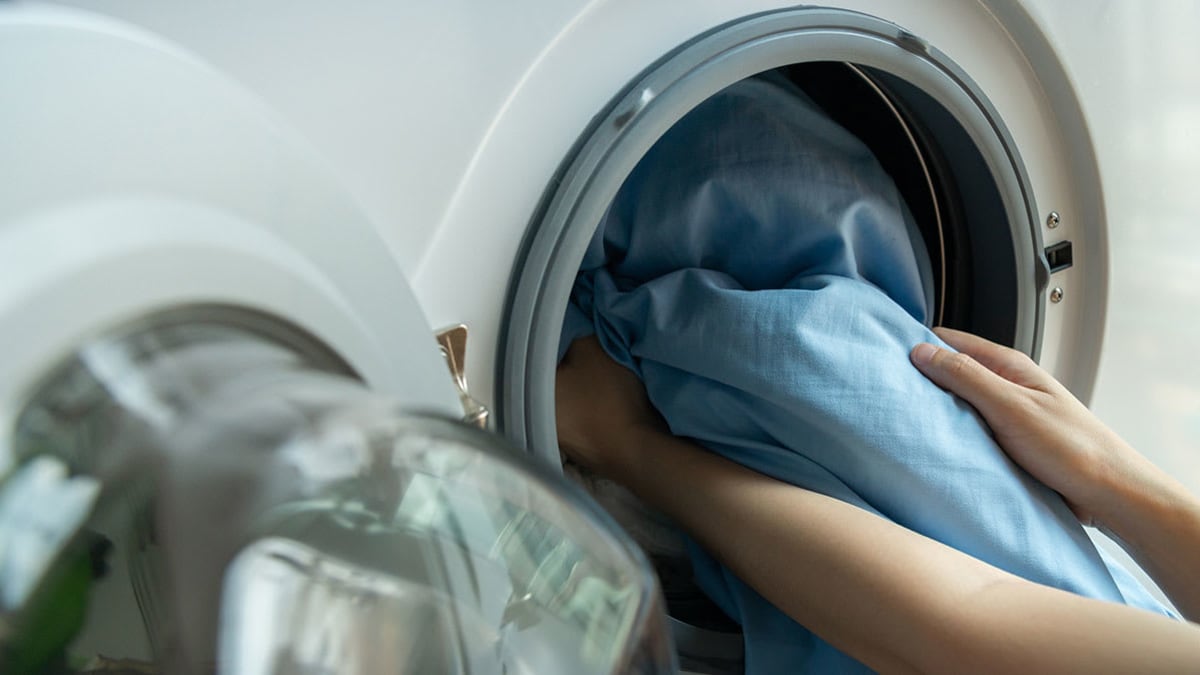
Have you ever wondered how long a virus can live on your clothes? It’s a question that matters more than ever when you step outside or return home.
Knowing this can help you protect yourself and your loved ones better. Imagine if you could easily reduce the risk of infection just by handling your laundry the right way. Keep reading, because understanding how viruses survive on fabrics could change the way you think about your daily routine—and keep you safer every day.
Virus Survival Factors
Understanding what affects how long a virus can survive on clothes helps you take smarter precautions. Several factors play a role in virus survival, including the environment and the fabric itself. Knowing these can guide you on how to handle and wash your clothes safely.
Temperature Influence
Viruses generally struggle to survive at higher temperatures. Warm water during laundry, for instance, can significantly reduce the virus’s lifespan on your clothes. Have you noticed how washing with hot water often feels more effective? That’s because heat disrupts the virus’s structure, making it inactive faster.
On the other hand, cooler temperatures can allow the virus to linger longer. So, if you often wash clothes in cold water to save energy, consider adding other disinfection methods. Drying clothes thoroughly under heat also helps kill viruses.
Humidity Effects
Humidity levels impact virus survival in surprising ways. High humidity tends to shorten the time a virus remains active on fabric, while dry conditions might allow it to live longer. This means your clothes in a dry, air-conditioned room could hold onto viruses more than those in a moist environment.
Think about how your clothes feel on a dry winter day versus a humid summer afternoon. This difference doesn’t just affect comfort but also virus survival. Adjusting humidity or drying clothes in sunlight can reduce risks.
Material Type Impact
The type of fabric matters a lot. Smooth and non-porous materials, like polyester, often allow viruses to survive longer compared to porous fabrics like cotton. Cotton’s texture absorbs moisture and dries faster, which can help reduce virus survival time.
Next time you pick clothes or bedding, consider the material’s ability to trap or repel viruses. This insight can influence how you wash and store your items. Would you rather wear something that naturally lowers virus risks?
Research Findings
Understanding how long a virus can survive on clothes helps us reduce infection risks. Scientists study this in labs and observe real-life cases. Their findings show how virus survival changes by fabric type, environment, and time. This knowledge guides safe handling and washing of clothes.
Laboratory Studies
Lab tests use controlled settings to measure virus survival on fabrics. Researchers place virus samples on different cloth types like cotton and polyester. They check virus activity over hours or days under set temperatures and humidity.
- Viruses may stay active from a few hours to several days on clothes.
- Natural fibers like cotton often reduce virus survival faster than synthetic ones.
- Higher temperatures and sunlight lower the virus’s lifespan on fabric.
These studies provide clear data but may not fully match everyday conditions.
Real-world Observations
Real-life cases show virus survival can differ from lab results. Clothes face changing weather, dirt, and movement. These factors can shorten how long viruses remain infectious.
- Viruses rarely survive more than 24 hours on worn clothes outdoors.
- Touching contaminated clothes can spread viruses, but risk lowers over time.
- Regular washing with detergent effectively removes or kills viruses on fabrics.
Observations highlight the importance of hygiene and timely cleaning of clothes.
Comparative Analysis
Understanding how long the virus survives on different materials helps in reducing infection risks. This section compares virus survival on clothes with other surfaces and examines natural versus synthetic fibers.
Clothing Vs. Other Surfaces
Viruses tend to survive differently on clothes compared to hard surfaces like metal or plastic. On smooth surfaces, the virus can remain active for several days. Clothes usually absorb moisture, which reduces virus survival time.
Fabric’s porous nature traps virus particles, making them less able to spread. Hard surfaces allow viruses to stay on top, increasing contamination risk. Temperature and humidity also affect survival on both types.
Natural Fibers Vs. Synthetics
Natural fibers like cotton tend to hold moisture, which lowers virus survival time. Synthetic fibers such as polyester repel water, allowing viruses to last longer. The structure of the fabric influences virus persistence.
Studies show viruses remain active shorter on cotton than on synthetic fabrics. Washing and drying clothes thoroughly helps remove or kill viruses on any fabric type.

Credit: www.universityhealth.com
Preventive Measures
Taking preventive measures is crucial to reduce the risk of virus survival on your clothes. Small habits can make a big difference in keeping you and your loved ones safe. Understanding how to handle and wash your clothes properly empowers you to act confidently.
Proper Washing Techniques
Washing clothes with hot water helps to kill viruses effectively. Aim for a temperature of at least 60°C (140°F) if the fabric allows it. Adding detergent breaks down the virus’s protective layer, making it easier to remove.
Using a longer wash cycle also increases the chances of eliminating any virus particles. If you’re dealing with potentially contaminated clothes, consider adding a disinfectant safe for fabrics. Always check care labels before adding any chemicals.
Safe Handling Practices
Handle dirty clothes carefully to avoid spreading the virus to other surfaces. Keep the laundry basket in a designated area away from clean clothes. Avoid shaking out clothes to prevent airborne particles.
Wear disposable gloves if you suspect contamination and wash your hands immediately after handling laundry. Dry clothes completely before wearing or storing them, as viruses survive longer on damp fabrics. Have you thought about how often you touch your face after handling laundry? That small action can increase risk.
Public Health Guidelines
Understanding public health guidelines is essential when you want to reduce the risk of virus transmission through clothes. These guidelines offer clear instructions on how to handle, wash, and care for your clothing to keep you and others safe. Knowing what experts recommend can help you make smart choices every day.
Recommendations From Health Organizations
Health organizations like the CDC and WHO provide detailed advice on clothing hygiene during viral outbreaks. They suggest washing clothes regularly with detergent in warm or hot water to kill viruses effectively.
Drying clothes completely in a dryer or under direct sunlight is also emphasized because it helps eliminate any remaining virus particles. Avoid shaking dirty laundry to reduce airborne contamination, and always wash your hands immediately after handling used clothing.
- Use the warmest water safe for the fabric.
- Wash clothes separately if someone is sick.
- Disinfect laundry baskets and hampers regularly.
Government Advisory
Government health departments often echo the advice from global organizations but add specific rules for your region. They may recommend quarantining clothes for a certain time if washing immediately isn’t possible.
Some governments also issue guidelines about masks and uniforms for frontline workers, highlighting how long viruses can survive on these fabrics. Following these advisories can help you avoid unknowingly spreading the virus through your clothing.
Have you ever wondered if your daily laundry routine is enough to keep your family safe? Checking official guidelines can give you confidence and peace of mind.

Credit: concordma.gov
Myths And Misconceptions
There’s a lot of talk about how long viruses can survive on clothes, but much of it is mixed with myths and misinformation. These myths can cause unnecessary worry or careless habits. Understanding what’s true and what’s not helps you protect yourself effectively without overreacting.
Common Misbeliefs
Some people believe viruses can live on clothes for days or even weeks, making every piece of laundry a potential danger. Others think that simply touching your clothing can easily infect you without any other contact. There’s also the idea that washing clothes at a normal temperature won’t get rid of the virus.
- Myth: Viruses survive on clothes for several days in infectious amounts.
- Myth: Touching clothes contaminated with viruses always leads to infection.
- Myth: Regular washing doesn’t kill viruses on clothing.
Clarifying Facts
Viruses generally don’t last long on porous surfaces like fabric because they dry out faster. Research shows most viruses survive only a few hours on clothes under normal conditions. You’re less likely to get infected from your clothes than from direct close contact with an infected person.
Washing clothes with regular detergent and warm water is very effective. The mechanical action and soap break down the virus, making it inactive. Using a dryer on high heat further reduces any remaining risk.
Think about the last time you felt worried about your clothes after being in a crowded place. Did you actually get sick from it, or was it more about touching your face or not washing your hands? This reflection helps you focus on actions that truly lower your risk.
Future Research Directions
The question of how long viruses can survive on clothes remains partly unanswered. Future research holds the key to filling these gaps, offering clearer guidelines for everyday safety. By focusing on specific areas and new fabric technologies, science can help reduce the risks associated with contaminated clothing.
Areas Needing Further Study
We still need detailed information on how different types of fabric affect virus survival. Does cotton hold onto viruses longer than synthetic materials? And how do factors like humidity and temperature change this timeline?
Another important area is understanding the role of washing methods. How effective are various detergents and water temperatures in killing viruses on clothes? Your laundry routine could make a bigger difference than you think.
Researchers also need to study the impact of everyday activities. For example, does wearing a jacket outside and then indoors increase risk? These insights will help you make smarter choices about your clothing habits.
Potential Innovations In Fabric Technology
New fabrics designed to fight viruses are already in development. Some materials include antiviral coatings that can neutralize viruses on contact. Imagine clothes that clean themselves and protect you at the same time.
There are also fabrics that release safe disinfectants slowly over time. This technology could reduce the need for frequent washing and lower your exposure risk. Would you wear a shirt that actively fights germs throughout the day?
In addition, smart textiles with sensors to detect contamination could soon alert you if your clothes carry harmful viruses. This could change how you handle and clean your wardrobe completely.
As these innovations grow, your safety gear could become smarter and more effective. What new fabric features would make you feel safest in your daily life?
Credit: health.clevelandclinic.org
Frequently Asked Questions
How Long Does The Virus Survive On Clothes?
The virus can survive on clothes from a few hours up to two days. Factors like fabric type and temperature affect its lifespan. Porous materials usually reduce virus survival time compared to smooth surfaces.
Can Washing Clothes Kill The Virus Effectively?
Yes, washing clothes with detergent and hot water kills the virus efficiently. Use temperatures above 60°C (140°F) for best results. Proper drying also helps reduce any remaining viral particles.
Is It Safe To Touch Clothes Worn Outside?
Touching clothes worn outside is generally safe if you wash hands afterward. Avoid touching your face before washing hands. Regular laundry removes most viruses from clothing surfaces.
Does Fabric Type Affect Virus Survival On Clothes?
Yes, fabric type affects virus survival. Synthetic fabrics may retain the virus longer than natural fibers. Porous fabrics absorb moisture and can reduce virus lifespan on clothes.
Conclusion
Viruses can survive on clothes for different times, depending on conditions. Washing clothes regularly with soap helps remove viruses effectively. Drying clothes in sunlight or a dryer reduces virus chances further. Avoid touching your face after handling worn clothes. Clean hands often to stay safe.
Staying aware of how viruses live on fabrics helps protect you and others. Simple habits can keep your clothes and home safer every day. Stay careful, stay healthy.


