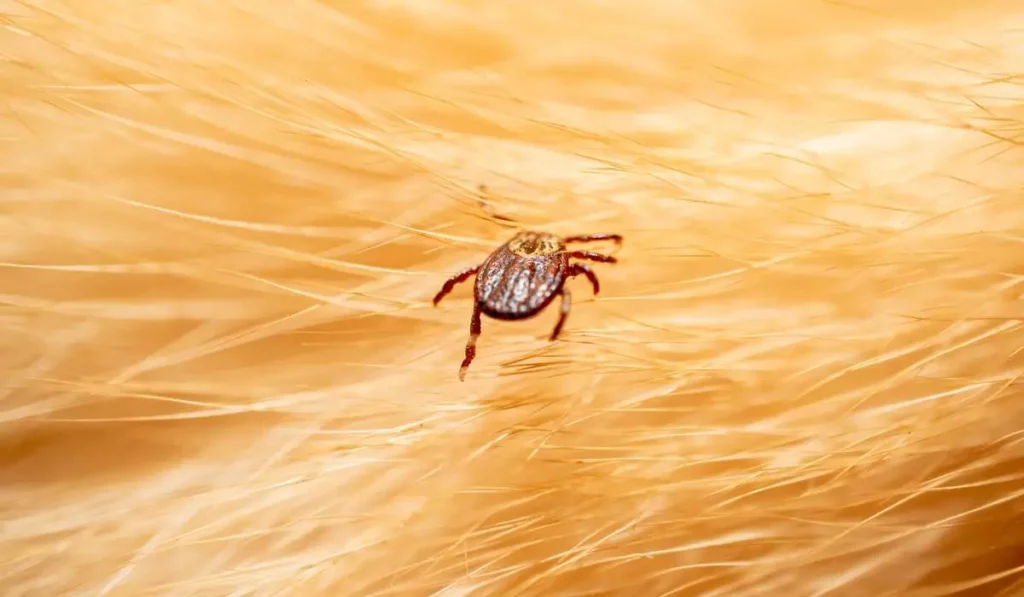
Have you ever wondered how long ticks can survive on your clothes after a day outdoors? You might think that once you step inside, the risk is gone, but ticks are sneaky and can cling on much longer than you expect.
Knowing how long they can survive on your clothing is key to protecting yourself and your loved ones from tick bites and the serious illnesses they can carry. Keep reading to discover surprising facts about ticks on clothes and simple steps you can take to stay safe every time you head outside.

Credit: www.everydayhealth.com
Tick Lifespan On Fabrics
Ticks can cling to clothes for some time after outdoor activities. Understanding how long ticks survive on fabrics helps in preventing bites. Their lifespan on fabric depends on many factors like fabric type and environment.
Ticks need blood to survive and grow. Without a host, they may stay on clothes but only for a limited period. They wait for a chance to attach to skin or hair.
How Long Ticks Can Live On Fabrics
Ticks can survive on clothes from a few hours up to several days. This depends on the tick species and the conditions around them. Cooler and humid places can help ticks live longer on fabric.
Factors Affecting Tick Survival On Clothing
- Fabric type:Rough or wool fabrics hold ticks longer than smooth fabrics.
- Humidity:Moisture helps ticks survive. Dry clothes reduce their lifespan.
- Temperature:Warm temperatures may shorten tick survival outside the host.
- Movement:Shaking or washing clothes can remove or kill ticks.
How To Reduce Tick Risks On Clothes
- Wear light-colored clothes to spot ticks easily.
- Use tick repellents on clothes before outdoor activities.
- Wash and dry clothes at high heat after being outside.
- Inspect clothes and skin carefully after outdoor exposure.
Factors Affecting Tick Survival
Ticks are tough little creatures, but their survival on clothes depends on several key factors. Understanding these can help you protect yourself better after spending time outdoors. Let’s break down what really influences how long ticks can hang on to your clothing.
Temperature And Humidity
Ticks thrive in warm and humid conditions. If your clothes are damp or stored in a humid place, ticks can survive longer—sometimes for days.
Cold or dry environments make it harder for ticks to stay alive. Have you noticed ticks dropping off more quickly when your clothes dry out fast in the sun or cold air?
Fabric Type And Texture
Ticks prefer fabrics that give them a good grip. Rougher materials like wool or fleece allow ticks to latch on more securely compared to smooth fabrics like silk or nylon.
Think about your hiking gear: thick, textured clothing might hold ticks longer. Choosing smooth, tightly woven fabrics can reduce the chance ticks stay attached.
Exposure To Sunlight
Sunlight is a natural enemy of ticks on clothes. Direct exposure to sun and heat can quickly dehydrate and kill them.
If you hang your clothes outside after hiking, you might be surprised how fast ticks perish. Have you tried drying your clothes in the sun instead of just tossing them in a pile?
Common Myths About Tick Survival
Ticks have a reputation for being tough little creatures, leading to many myths about how long they can survive on clothes. These myths often cause unnecessary worry or, worse, careless behavior after outdoor activities. Understanding the truth behind tick survival can help you take the right precautions and protect yourself effectively.
Ticks Can Survive For Weeks On Clothes
Many believe ticks can live on your clothes for weeks, waiting patiently to latch onto you. In reality, ticks need a blood meal to survive and won’t stay on clothes indefinitely. Most ticks will only cling to fabric for a few hours or days before dying if they don’t find a host.
Washing Clothes Kills All Ticks Instantly
It’s a common thought that just tossing your clothes in the washing machine is enough to kill ticks immediately. While washing in hot water and drying on high heat does kill ticks, cold water or air drying might not be effective. You need to pay attention to water temperature and drying time to be sure.
Ticks Jump Or Fly Onto Clothes
You might have heard ticks jump or fly onto your clothes like mosquitoes. Ticks actually cannot jump or fly—they crawl. They wait on grass or leaves and latch on when you brush past, so where you’ve been matters more than how you move.
Ticks Can Survive Without A Host For Months Indoors
Some think ticks dropped inside the house can survive for months without feeding. While some tick species can survive for weeks, indoor conditions and lack of humidity usually reduce their lifespan. Regular cleaning and vacuuming help minimize any tick survival indoors.
Have you ever found a tick on your clothes and wondered if it could still bite you hours later? Knowing the facts helps you act quickly and avoid unnecessary panic. What steps will you take next time you come inside after spending time outdoors?
Effective Methods To Remove Ticks
Ticks can cling to your clothes longer than you might expect, making it crucial to act fast and remove them effectively. Knowing how to handle your clothing after potential exposure can prevent ticks from hitching a ride into your home. Here are practical ways to make sure ticks don’t survive on your clothes.
Proper Washing Techniques
Washing your clothes properly is one of the simplest yet most effective ways to get rid of ticks. Use hot water—ideally above 130°F (54°C)—to ensure ticks are killed during the wash cycle.
Adding a good detergent helps break down the ticks’ outer layer, making it easier for the hot water to penetrate. Avoid just rinsing or cold washing, as ticks can survive these milder methods and stay alive on your clothes.
After washing, inspect your clothes carefully before placing them in the dryer to catch any ticks that might have survived the wash. Have you ever thought about how many ticks might still be hiding in your laundry if you skip this step?
Using Heat To Kill Ticks
Heat is a powerful tool against ticks. Drying clothes on high heat for at least 10 minutes can kill ticks that survived washing or were missed during the wash.
If you’re camping or don’t have immediate access to laundry facilities, simply placing your clothes in a sealed plastic bag under the sun can also raise the temperature enough to kill ticks after a few hours. This method isn’t as fast or reliable as a dryer but can be a handy alternative.
Remember, ticks are sensitive to heat but resilient to cold, so skipping the dryer or sun exposure means you might be giving ticks a chance to survive. What other heat-based tricks could you use when dealing with outdoor gear?
Preventing Ticks On Clothes
Preventing ticks from attaching to your clothes is key to avoiding tick bites and tick-borne diseases. Ticks can cling to fabric and survive for days, waiting for a chance to reach your skin. Taking simple steps can reduce the risk and keep ticks off your clothing during outdoor activities.
Choosing The Right Clothing
Wear light-colored clothes to spot ticks easily. Choose long sleeves and long pants to cover your skin well. Tuck pants into socks or boots to block ticks from crawling inside. Use tightly woven fabrics that ticks find hard to penetrate. Avoid loose clothing where ticks can hide and move freely.
Using Repellents
Apply insect repellents containing permethrin or DEET on your clothes. Permethrin bonds to fabric and kills ticks on contact. Spray repellents evenly and let clothes dry before wearing. Reapply repellents after washing clothes or heavy sweating. Repellents add an extra layer of protection against ticks.

Credit: reliantpest.com
Health Risks Of Ticks On Clothing
Ticks clinging to your clothes might seem harmless at first. Yet, these tiny creatures can pose serious health risks if not handled properly. Understanding the dangers of ticks on clothing helps you protect yourself and your family effectively.
Tick-borne Diseases Transmitted Through Clothing
Ticks can carry bacteria and viruses that cause diseases such as Lyme disease, Rocky Mountain spotted fever, and ehrlichiosis. When a tick latches onto your skin after dropping from your clothes, it can transmit these illnesses quickly.
Have you ever thought about how long a tick can survive on your jacket or pants? Some ticks live for days or even weeks on fabric, waiting for a chance to bite. This means your clothes can become a hidden source of infection long after outdoor activities.
How Ticks Attach And Bite Through Clothes
Ticks are skilled at finding exposed skin, but they can also crawl through loose clothing to reach you. Certain fabrics, especially those with loose weaves, make it easier for ticks to attach themselves.
Imagine returning home after a hike and leaving your clothes on the floor. Ticks may still be alive and ready to bite later. This shows why it’s crucial to inspect and wash your clothes immediately after exposure to tick-infested areas.
Preventing Tick-related Health Risks On Clothing
- Regularly check your clothesfor any ticks before entering your home.
- Wash and dry your clotheson high heat to kill ticks effectively.
- Use tick-repellent sprayson clothing to reduce the chance of ticks attaching.
- Store outdoor clothesseparately until they are cleaned.
Have you ever overlooked washing your outdoor gear immediately? That small delay can increase your risk. Taking quick action after outdoor activities can save you from serious health issues down the road.

Credit: www.hofferpest.com
Frequently Asked Questions
How Long Can Ticks Live On Clothes?
Ticks can survive on clothes for up to 48 hours. Their survival depends on temperature and humidity levels. They cling to fabric fibers while waiting to reach skin.
Can Ticks Spread Disease From Clothes?
Ticks cannot spread disease directly from clothes. They must bite human skin to transmit infections. Removing ticks promptly reduces disease risk.
How To Kill Ticks On Clothing Effectively?
Washing clothes in hot water above 130°F kills ticks. Drying on high heat for 10 minutes also eliminates them. Avoid low-temperature washing, as it may not kill ticks.
Do Ticks Fall Off Clothes Naturally?
Ticks usually stay attached until they find a host. They rarely fall off clothes on their own. Proper clothing removal and inspection prevent tick bites.
Conclusion
Ticks can live on clothes for several hours to days. Washing clothes in hot water helps remove them quickly. Drying clothes on high heat kills ticks effectively. Always check your clothes and skin after outdoor activities. Staying aware keeps you safe from tick bites.
Simple steps protect you from possible infections. Keep your clothes clean and dry after being outside. These small actions reduce the risk of tick problems. Stay cautious and enjoy outdoor time safely.


