Imagine being in a situation where every second counts, and you don’t have the right tools to help yourself or someone else. That’s exactly why having a first aid kit in your survival kit isn’t just a good idea—it’s essential.
You might think it’s just a box of bandages and ointments, but it’s much more than that. Your first aid kit can be the difference between a minor injury and a serious problem. You’ll discover why including a first aid kit in your survival gear is a smart move that could save your life or the lives of those around you.
Keep reading to find out what you absolutely need to have on hand and why it matters so much.
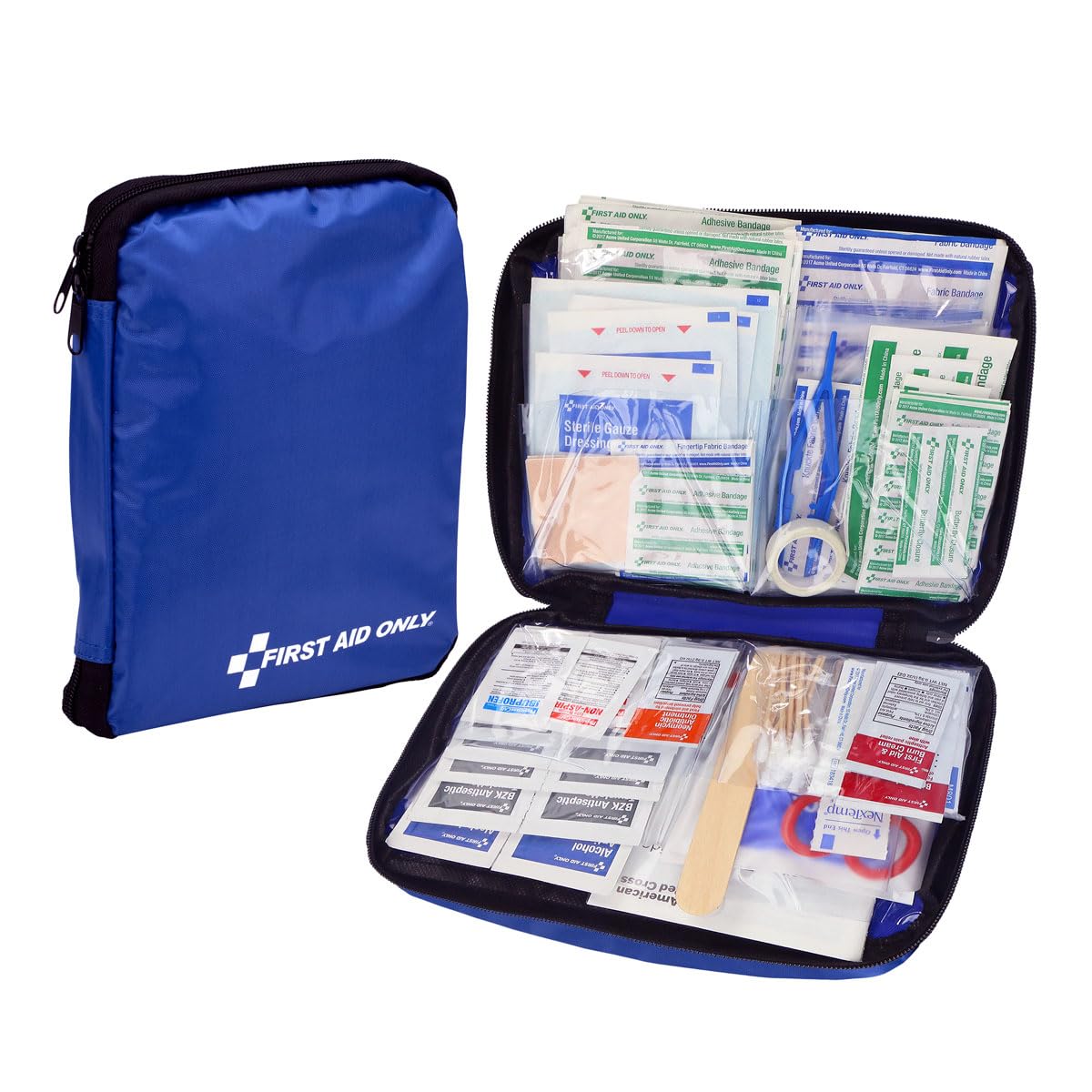
Credit: www.nbcnews.com
Importance Of First Aid Kits
A first aid kit is a vital part of any survival kit. It provides immediate care during emergencies, helping to prevent minor injuries from becoming serious. Having the right supplies on hand can make a huge difference in how you handle unexpected situations.
Imagine hiking alone and twisting your ankle. Without a first aid kit, you might struggle to manage pain or swelling, increasing the risk of further injury. But with basic first aid items, you can stabilize the injury and avoid worsening your condition until help arrives.
Essential Tools For Immediate Response
A first aid kit contains tools designed to address common injuries quickly. Items like bandages, antiseptic wipes, and adhesive tape help you clean wounds and stop bleeding right away. This quick response can reduce infection risks and speed up healing.
Reducing Panic And Improving Confidence
Having a first aid kit nearby can calm your nerves during an emergency. Knowing you have the right supplies gives you confidence to take action instead of freezing. This mindset often leads to better decision-making and faster recovery.
Supporting Long-term Survival
First aid kits do more than treat cuts—they help manage conditions that could worsen without care. For example, pain relievers and allergy medications in your kit can prevent complications that might force you to stop your survival plans. This support keeps you healthier and more prepared for challenges ahead.
Encouraging Preparedness And Awareness
Keeping a first aid kit encourages you to learn basic medical skills. This knowledge makes you more aware of potential dangers and how to handle them. Are you ready to take control of your safety instead of relying solely on others?
Key Components Of A First Aid Kit
A first aid kit is a vital part of any survival kit. It helps treat injuries and manage health issues before professional help arrives. Knowing what to include makes your kit effective and ready for emergencies.
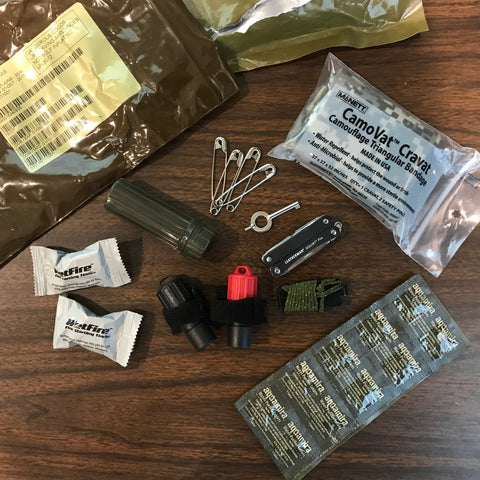
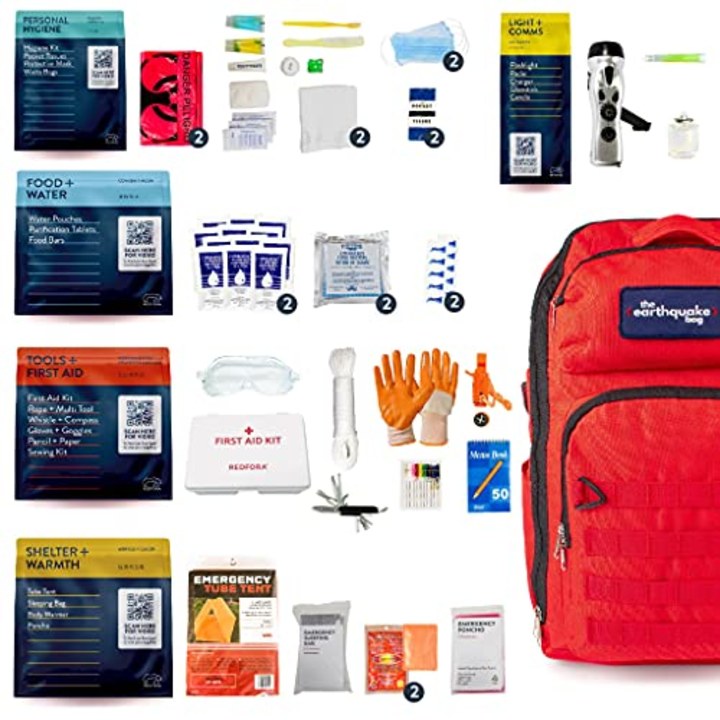
Key components in a first aid kit cover basic medical supplies, emergency tools, and personal medications. Each plays a role in handling different situations.
Basic Medical Supplies
- Bandages of various sizes for cuts and wounds
- Sterile gauze pads to stop bleeding
- Adhesive tape to secure dressings
- Antiseptic wipes to clean wounds
- Disposable gloves for hygiene and safety
- Scissors and tweezers for cutting and removing debris
- Pain relief tablets like ibuprofen or acetaminophen
Emergency Tools And Equipment
- CPR face shield or mask for safe resuscitation
- Thermometer to check body temperature
- Instant cold packs to reduce swelling
- Elastic bandages for sprains and strains
- Safety pins for securing bandages or slings
- Flashlight or headlamp for visibility in low light
Personal Medications
- Any prescription medicines you need daily
- Allergy relief such as antihistamines
- Inhalers for asthma if required
- Medicines for stomach issues like antacids
- Extra doses of essential medications for emergencies
Situations Requiring A First Aid Kit
Knowing when a first aid kit becomes essential can make a real difference in a survival situation. Emergencies rarely follow a pattern, and having the right supplies on hand prepares you to act quickly. Let’s look at the kinds of situations where a first aid kit is not just useful but necessary.
Injury Scenarios
Accidents happen unexpectedly, whether you’re hiking, camping, or simply working around the house. Cuts, scrapes, and burns are common injuries that need immediate attention to prevent infection. Imagine slipping on a trail and scraping your knee—without a first aid kit, you might have to continue with untreated wounds that could worsen.
Keeping bandages, antiseptic wipes, and burn cream in your kit means you can clean and cover injuries right away. This quick care can reduce pain and speed up healing, helping you stay focused on your survival tasks.
Medical Emergencies
Sometimes, emergencies involve more than just minor injuries. Allergic reactions, asthma attacks, or sudden illnesses can strike when you least expect them. Do you have the supplies to manage these conditions until professional help arrives?
A well-stocked first aid kit includes items like antihistamines, pain relievers, and emergency medications. These can stabilize your condition or someone else’s and buy critical time in a crisis.
Environmental Hazards
Survival situations often expose you to harsh environmental conditions. Insect bites, sunburns, and frostbite are examples of hazards that require immediate treatment. Ignoring these can lead to serious complications or slow your ability to move and respond.
Your first aid kit should contain insect repellent, sunscreen, and treatments for cold injuries. These help protect your body and maintain your strength, which is vital when you depend on your physical health to get through tough situations.

Credit: www.amazon.com
Tips For Effective First Aid Kit Use
Knowing how to use your first aid kit effectively is vital for survival. Proper use ensures quick, safe treatment and can prevent minor injuries from becoming serious. Follow these tips to keep your kit ready and useful in any situation.
Regularly Check And Restock
Inspect your first aid kit often. Look for expired items or supplies used up during emergencies. Replace everything promptly to keep the kit ready. Checking regularly avoids surprises when you need it most.
Customize For Personal Needs
Include items specific to your health conditions or family needs. Add allergy medicines, prescription drugs, or special tools. Tailor your kit to match your lifestyle and environment for better care during emergencies.
Training And Preparedness
Learn basic first aid skills to use your kit confidently. Practice simple techniques like bandaging wounds or CPR. Training helps you act fast and correctly, improving safety for yourself and others.
First Aid Kit Maintenance
Maintaining a first aid kit is essential to keep it ready for emergencies. Regular checks ensure the supplies are safe and effective. A well-maintained kit can save lives during survival situations. Neglecting maintenance might lead to expired or missing items when needed most.
Storage And Accessibility
Store the first aid kit in a dry, cool place. Avoid locations exposed to sunlight or moisture. Keep it within easy reach for quick access. Mark the storage spot clearly so everyone knows where to find it. Choose a container that protects contents from damage.
Expiration And Replacement
Check expiration dates on all items regularly. Replace expired or used supplies promptly. Medicines, ointments, and sterile products lose effectiveness over time. Keep a list of items with their expiration dates. Use fresh supplies to ensure safety and reliability.
Keeping Records
Maintain a record of the kit’s contents and updates. Note the date of each inspection and replacement. Track items used during emergencies to replenish them. This helps in organizing and managing the kit efficiently. Accurate records improve preparedness and response time.
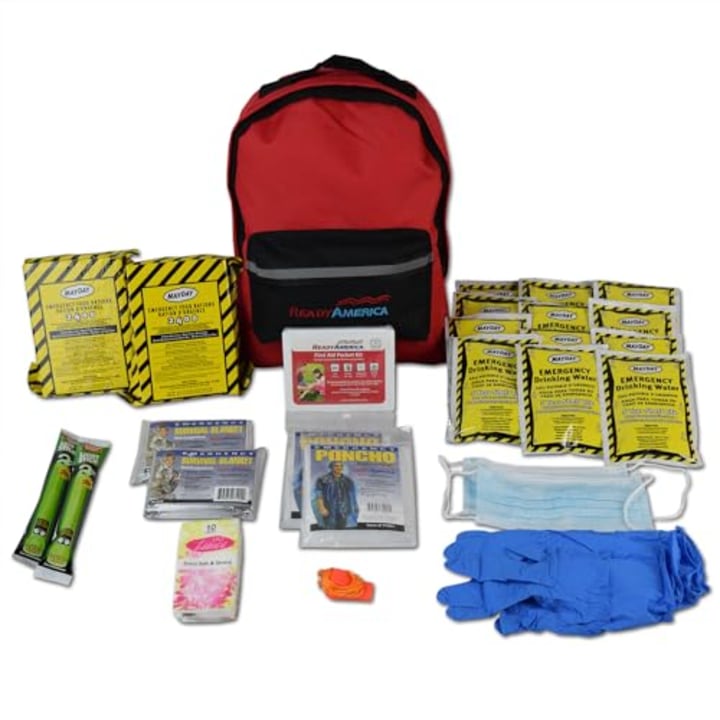
Credit: www.nbcnews.com
Choosing The Right First Aid Kit
Choosing the right first aid kit for your survival kit is crucial. It’s not just about having supplies; it’s about having the right supplies that fit your needs and situation. The right kit can make a big difference when every second counts.
Size And Portability
Your first aid kit needs to be easy to carry. A bulky kit might be perfect at home but useless if you can’t take it with you on a hike or emergency evacuation.
Think about where you’ll keep the kit and how often you’ll need to carry it. Compact kits can fit in a backpack or glove compartment without adding extra weight.
Ask yourself: Would you be willing to grab this kit quickly when needed? If the answer is no because it’s too large or heavy, it might be time to reconsider your choice.
Quality And Durability
A first aid kit is only as good as the quality of its components. Cheap materials or expired supplies can fail when you need them most.
Look for kits with waterproof cases and sturdy closures. These features protect your supplies from the elements and rough handling.
Think about your environment too—will your kit need to survive rain, dust, or extreme temperatures? Choose materials that stand up to those conditions.
Contents And Customization
Not all first aid kits are created equal. Some focus on basic cuts and scrapes, while others include tools for more serious injuries.
Check the contents carefully and ask yourself if they match your personal needs. Do you have allergies? Do you need supplies for children or pets?
Adding or removing items to customize your kit makes it more effective for your specific situation. A one-size-fits-all approach rarely works well in emergencies.
Frequently Asked Questions
Why Is A First Aid Kit Essential In A Survival Kit?
A first aid kit treats injuries quickly, preventing infections and complications. It ensures basic medical care when help is unavailable. This improves survival chances during emergencies or outdoor adventures.
What Items Should A Survival First Aid Kit Contain?
A survival first aid kit must include bandages, antiseptics, pain relievers, tweezers, and scissors. These essentials handle common injuries like cuts, burns, and insect bites efficiently.
How Does A First Aid Kit Improve Emergency Preparedness?
Having a first aid kit means immediate response to injuries, reducing risks. It boosts confidence and readiness, enabling better handling of unexpected accidents in survival situations.
Can A First Aid Kit Save Lives In Remote Areas?
Yes, a first aid kit can save lives by providing crucial care when medical help is distant. Timely treatment with the kit prevents worsening of injuries or illnesses.
Conclusion
A first aid kit is essential in any survival kit. It helps treat injuries quickly and prevents infections. Emergencies can happen anytime, so being ready is smart. A well-stocked kit gives peace of mind and safety. Simple tools and supplies save lives in tough situations.
Everyone should carry one when going outdoors or traveling. Small effort, big difference. Stay prepared, stay safe.