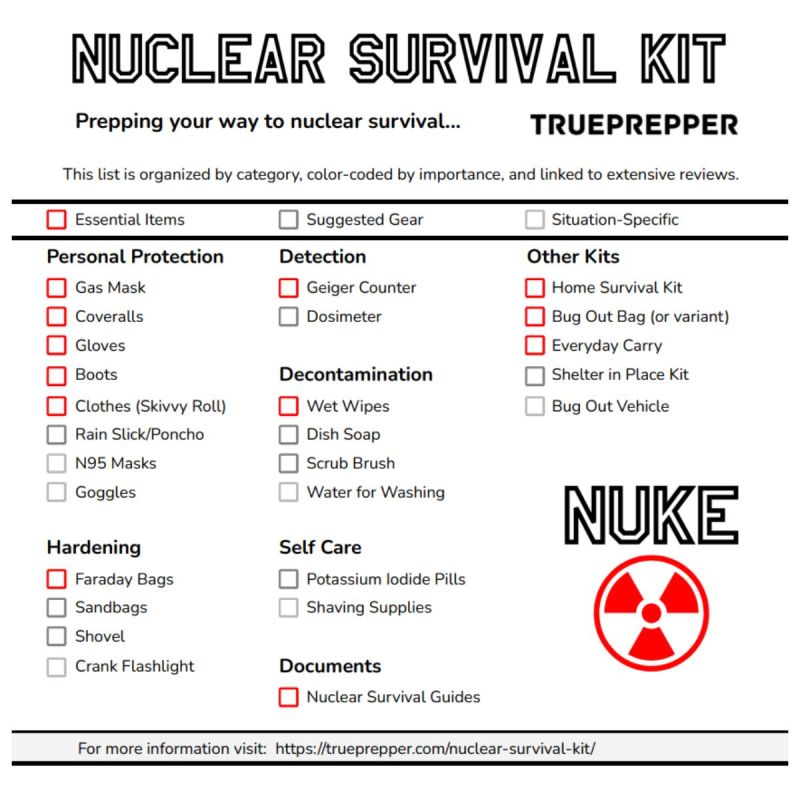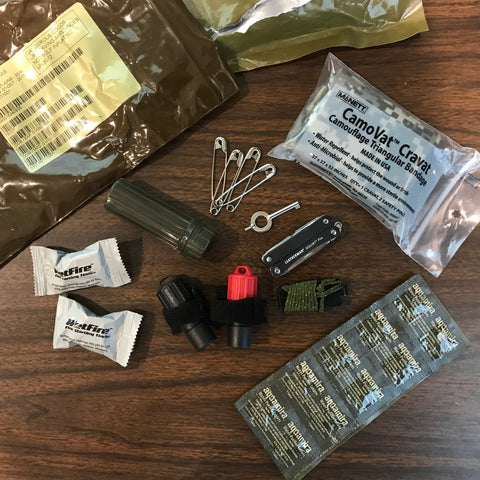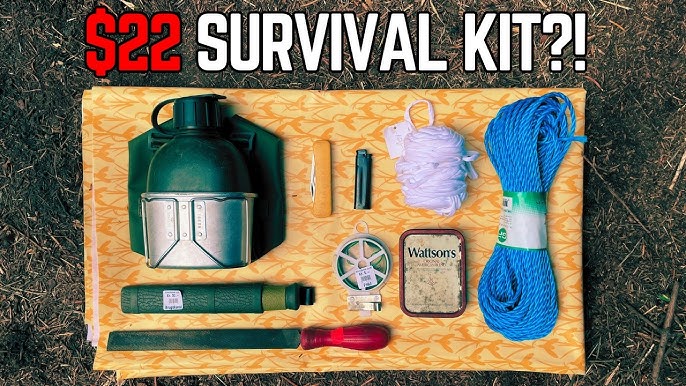
Imagine facing an emergency without the right tools. Scary, right?
That’s why knowing how to build a survival kit is not just smart—it could save your life. You might think it’s complicated or expensive, but it’s easier than you believe. With the right items and a little planning, you can be ready for almost anything.
Keep reading, and you’ll discover simple steps to create a survival kit tailored just for you. Your safety starts with what you pack today.
Credit: m.youtube.com
Choosing The Right Container
Choosing the right container for your survival kit is crucial. It protects your supplies and keeps them organized. Your choice can make a difference when you need quick access in an emergency.
Portable And Durable Options
Look for containers that are easy to carry but strong enough to handle rough conditions. A sturdy backpack or a compact hard case works well.
Consider the size carefully. Too big means extra weight and bulk; too small might not fit all essentials. Think about how you’ll carry it — on your back, in your car, or in a pocket.
I once used a simple plastic toolbox for my kit. It was tough and had compartments, making it easy to find items fast. What kind of container feels most comfortable for you to carry every day?
Waterproof And Weather-resistant Features
Keeping your supplies dry is vital. Choose containers with seals or lids that lock tightly to block out moisture and dust.
Materials like heavy-duty plastic or metal with rubber gaskets offer good protection against rain and humidity. If you’re in a wet climate, a waterproof bag inside your container adds an extra layer of security.
Have you ever had gear ruined by unexpected weather? Investing in a weather-resistant container prevents that frustration and keeps your survival kit ready for action.
Credit: www.nbcnews.com
Essential Food And Water Supplies
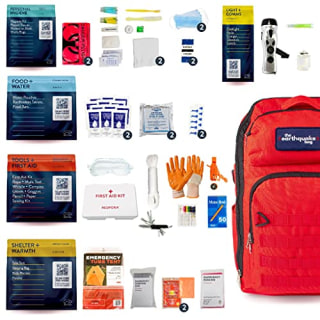
Essential food and water supplies form the backbone of any survival kit. These supplies provide energy and hydration, which are critical during emergencies. Choosing the right items ensures you stay nourished and healthy when access to fresh food and water is limited.
Focus on foods that last long without spoiling and water storage that keeps water clean and safe. Pack enough to support yourself for several days, factoring in your needs and environment.
Non-perishable Food Items
Non-perishable foods can last months or years without refrigeration. Choose items high in calories and nutrients to maintain energy levels.
- Canned beans and vegetables
- Dried fruits and nuts
- Peanut butter
- Instant oatmeal
- Energy bars and granola bars
- Dehydrated or freeze-dried meals
- Rice and pasta
- Powdered milk
Rotate these foods regularly to keep them fresh. Avoid foods requiring complex cooking or too much water.
Safe Water Storage Solutions
Clean water is vital. Store enough for drinking, cooking, and hygiene. Use containers that do not leak or break easily.
- Food-grade plastic water jugs
- Water purification tablets
- Portable water filters
- Collapsible water containers for saving space
Label each container with the fill date. Replace stored water every six months to prevent contamination. Always have a backup purification method.
First Aid And Medical Supplies
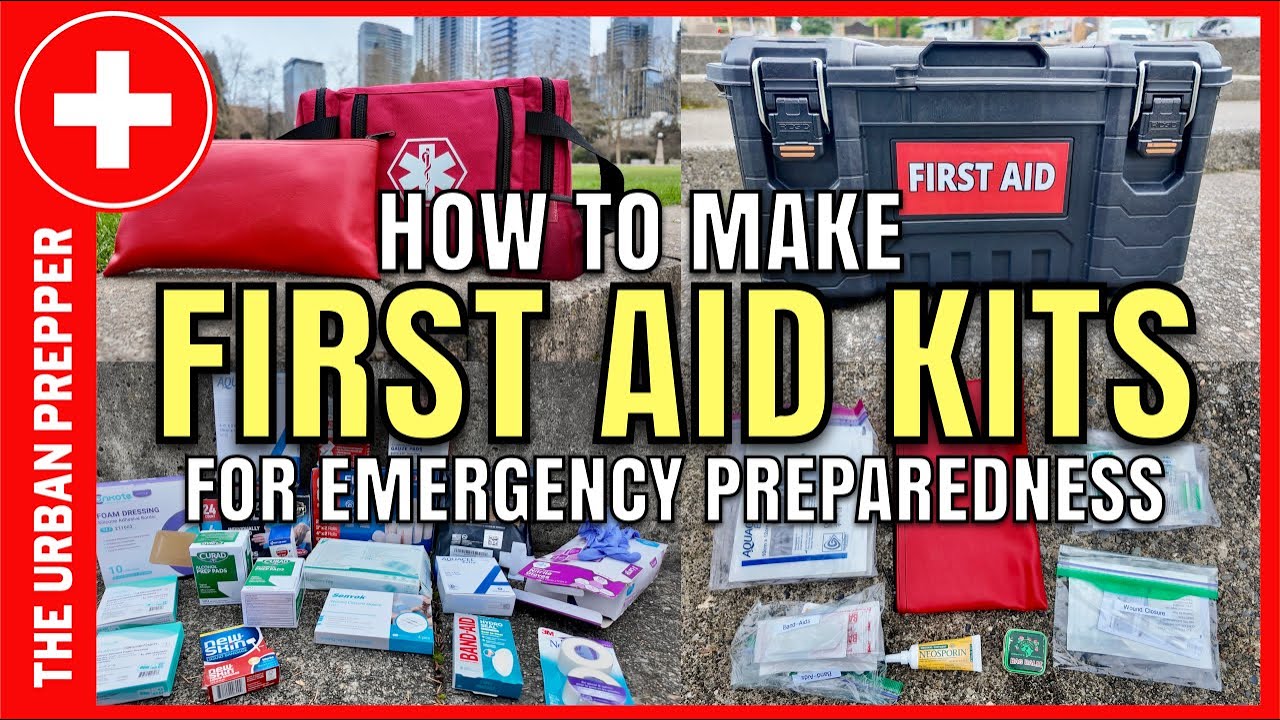
Having a well-stocked first aid and medical supplies section in your survival kit can make all the difference during emergencies. It’s not just about having bandages and antiseptics; it’s about being prepared for unexpected health issues that may arise when help is far away. Think about the last time you had a minor injury—did you have what you needed right at hand? This part of your kit should cover both immediate injuries and ongoing health needs.
Basic First Aid Essentials
Your first aid supplies should cover the common injuries and ailments that happen in everyday life. Include items like:
- Adhesive bandages in various sizes
- Sterile gauze pads and adhesive tape
- Antiseptic wipes or solution
- Scissors and tweezers
- Disposable gloves
- Pain relievers such as ibuprofen or acetaminophen
- Burn cream and antibiotic ointment
Keep everything organized in a waterproof container. This way, you won’t waste precious minutes searching for what you need. Have you ever tried to clean a wound with dirty hands or no gloves? It’s easy to overlook, but hygiene is critical to prevent infection.
Prescription Medications And Health Needs
Don’t forget about your personal health requirements. If you or your family members rely on prescription medications, these must be part of your survival kit. Think about:
- Essential prescription drugs (enough for several days or weeks)
- Extra inhalers or allergy medications
- Any special medical devices like glucose monitors or EpiPens
Store medications in their original containers with clear labels. Include instructions or a list of dosages to avoid confusion under stress. Have you checked your meds’ expiration dates recently? Regularly updating your kit ensures your supplies remain safe and effective.

Credit: www.youtube.com
Tools And Gear Necessities
A well-prepared survival kit needs the right tools and gear. These items help you handle many challenges outdoors or during emergencies. Choosing versatile and reliable equipment saves space and weight. It also ensures you are ready for different situations.
Multifunctional Tools
Multifunctional tools combine several useful devices into one compact unit. They save space and reduce the load you carry.
- Include a good-quality multitool with pliers, knife, and screwdrivers.
- Choose tools made of durable stainless steel for long-lasting use.
- Look for features like wire cutters, can openers, and scissors.
- A folding knife with a sharp blade is essential for many tasks.
- Keep your tools clean and lubricated to work smoothly.
Lighting And Fire Starting Equipment
Light and fire are vital for warmth, cooking, and signaling help. Pack reliable gear that works in all conditions.
- A compact flashlight with extra batteries is a must-have.
- Headlamps free your hands during nighttime activities.
- Waterproof matches and a windproof lighter help start fires easily.
- Carry fire starters like cotton balls soaked in petroleum jelly.
- Practice using your fire tools before you need them.
Clothing And Shelter
Clothing and shelter form the core of any survival kit. They protect the body from harsh weather and help maintain body heat. Proper choices in these areas can prevent hypothermia, heatstroke, and other health risks. Packing the right items ensures comfort and safety during emergencies.
Seasonal Clothing Considerations
Choose clothes based on the climate and season. Layering works best to adjust to changing temperatures. Include a moisture-wicking base layer to keep sweat off the skin. Add an insulating middle layer for warmth. Use a waterproof outer layer to block rain and wind.
- Winter: Thermal underwear, insulated jacket, warm hat, gloves
- Summer: Lightweight, breathable shirts, wide-brimmed hat, UV protection
- Rainy seasons: Waterproof jacket, quick-dry pants, waterproof boots
Always carry an extra set of dry clothes. Wet clothes increase the risk of cold and illness. Choose durable fabrics that resist tearing and drying quickly.
Compact Shelter Solutions
Compact shelters provide essential protection without adding bulk. A lightweight tent or tarp offers quick shelter from rain and wind. Emergency blankets and bivvy sacks are space-saving and effective for warmth.
| Type | Weight | Protection | Best For |
|---|---|---|---|
| Lightweight Tent | 1-3 lbs | Full coverage | Extended stays |
| Tarp | 0.5-1 lb | Rain and sun | Quick setup |
| Emergency Blanket | 0.1 lb | Heat retention | Emergency warmth |
| Bivvy Sack | 0.3 lb | Waterproof, heat retention | Lightweight protection |
Choose shelter materials that resist water and wind. Set up your shelter in a safe, flat area. Practice quick assembly to save time in emergencies.
Communication And Navigation
Communication and navigation are lifelines in any survival situation. Without reliable ways to send signals or find your way, even the best survival kit can fall short. Ensuring you have the right tools in your kit can make the difference between staying safe and getting lost or isolated.
Emergency Communication Devices
Carrying devices that help you communicate during emergencies is crucial. A basic whistle can alert nearby people to your location, while a two-way radio keeps you connected with your group or rescue teams when cell phones fail.
Consider adding a personal locator beacon (PLB) or satellite messenger to your kit. These devices send distress signals with your GPS coordinates, even in remote areas without cell service. Think about your environment—are you likely to have cellular coverage, or do you need satellite options?
Don’t forget extra batteries or a solar charger to keep these devices powered. Have you tested your communication devices in real conditions? Practicing with them ensures you know how to operate them under stress.
Maps And Compasses
Technology can fail, so traditional navigation tools are essential. A detailed topographic map of your area can guide you through unfamiliar terrain when GPS is unavailable.
Pair your map with a reliable compass. Knowing how to use a compass is a skill worth mastering—it helps you orient your map and maintain a steady direction.
Keep your maps in a waterproof case and mark key landmarks or escape routes beforehand. When was the last time you practiced map reading? Navigational skills improve with hands-on experience, so don’t just pack these tools; learn to use them confidently.
Personal Documents And Financial Essentials
Personal documents and financial essentials are the backbone of any survival kit. Without them, navigating emergencies becomes infinitely harder. You need quick access to proof of identity, important papers, and reliable payment options to keep things moving smoothly when everything else feels chaotic.
Identification And Important Papers
Start by gathering your most critical identification documents. These include your passport, driver’s license, birth certificate, and social security card. Store them in a waterproof, portable folder or a small fireproof safe to protect against damage.
Don’t forget copies of medical records, insurance policies, and any legal documents like power of attorney or wills. Having digital backups on a secure USB drive or encrypted cloud storage can save you time if physical copies are lost. Have you ever tried to replace lost ID in a hurry? It’s a stressful process that can be avoided with proper prep.
Cash And Payment Methods
Cash remains king during emergencies when card systems might fail. Keep a mix of small and larger bills to cover different needs. Avoid storing all your cash in one place; split it between your kit and a secure spot at home.
Alongside cash, include a couple of credit or debit cards. Opt for cards with no foreign transaction fees if you plan to travel or might need to access funds abroad. Prepaid cards loaded with emergency funds can be a smart addition, offering a backup without risking your main bank accounts.
Think about how you’ll pay for essentials if digital systems go offline. What’s your backup plan if ATMs and card readers stop working? Planning this now saves frustration later.
Maintenance And Regular Updates
Keeping your survival kit ready means more than just assembling it once. Regular maintenance and updates ensure that every item works when you need it most. Neglecting this can turn your carefully prepared kit into a collection of expired or broken gear.
Routine Kit Inspections
Set a schedule to check your survival kit every few months. During these inspections, look for expired food, worn-out clothing, and damaged tools. It’s easy to overlook small tears or rust until they become serious problems.
Think about the last time you tried to use a flashlight only to find the batteries dead. That’s a simple reminder why regular checks matter. Keep a checklist to track each item’s condition and replace anything that doesn’t meet your standards.
Updating Supplies And Equipment
Your survival needs might change over time. Maybe you’ve moved to a different climate or learned new skills that require different tools. Adjust your kit accordingly to stay prepared for the challenges you’re most likely to face.
Pay close attention to perishables like food, water, and medication. Expired items won’t just fail to help—they might harm you. Also, add new gear as you discover better options or technologies that can improve your chances in an emergency.
Ask yourself: When was the last time you updated your survival kit? Could a small change today make a big difference tomorrow?
Frequently Asked Questions
What Are The Essential Items For A Survival Kit?
Essential items include water, food, first aid, fire starters, a knife, and shelter materials. These basics ensure safety, hydration, and warmth in emergencies.
How Do I Choose The Right Container For My Survival Kit?
Pick a durable, waterproof, and compact container. It should be easy to carry and protect contents from damage and moisture.
How Often Should I Update My Survival Kit?
Update your kit every six months. Replace expired food, batteries, and check for damaged or missing items to stay prepared.
Can I Customize My Survival Kit For Specific Emergencies?
Yes, customize based on your location and needs. Include items for weather, medical conditions, and potential local hazards.
Conclusion
Building a survival kit takes time and care. Choose items that suit your needs and environment. Keep your kit simple but complete. Check and update it regularly to stay prepared. A good survival kit gives peace of mind. Stay safe and ready for any situation.
Small steps can make a big difference. Start today and be ready tomorrow.