Imagine facing a sudden emergency—power outage, natural disaster, or getting stranded somewhere remote. Would you have what you need to stay safe and calm?
Your emergency survival kit can make all the difference between panic and preparedness. But what exactly should you include to be truly ready? This guide will show you the essential items you need in your kit. By the end, you’ll feel confident that you can handle unexpected situations with ease.
Keep reading to build your perfect emergency survival kit today.

Credit: www.amazon.ca
Basic Survival Supplies
Basic survival supplies form the core of any emergency kit. These items help you stay alive and safe in tough situations. Focus on essentials that cover water, food, and health needs. Each must be reliable and easy to use. Proper preparation can make a big difference during emergencies.
Water And Purification
Water is vital for survival. Carry at least one gallon per person per day. Store it in clean, sealed containers. Having a water purification method is crucial. Use purification tablets, filters, or boiling to make water safe. Clean water prevents dehydration and illness.
Non-perishable Food
Choose foods that last long without refrigeration. Examples include canned goods, dried fruits, nuts, and energy bars. Pick items high in calories and nutrients. Avoid foods that need cooking or special preparation. Pack enough to last at least three days.
First Aid Kit
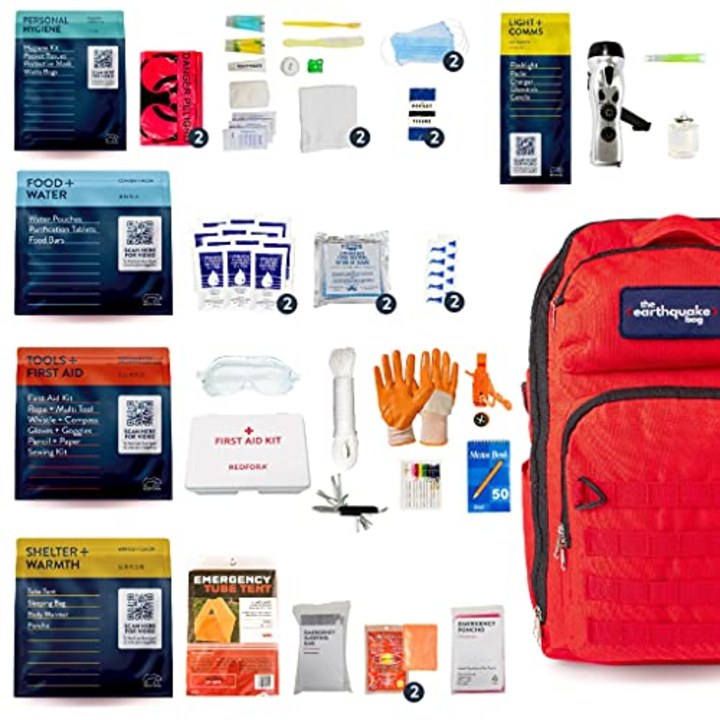
A first aid kit treats minor injuries and prevents infections. Include bandages, antiseptic wipes, adhesive tape, and scissors. Add pain relievers, allergy medicine, and any personal prescriptions. Keep the kit organized and easy to access. Check and restock regularly.
Shelter And Warmth
Keeping yourself protected from the elements is essential when survival depends on quick thinking and smart choices. Shelter and warmth are not just comforts—they can be lifesavers. You need tools that are compact, reliable, and easy to use, especially when time and resources are limited.
Emergency Blanket
An emergency blanket is a small, lightweight item that packs a powerful punch. It reflects your body heat back to you, helping to retain warmth in cold conditions. You can stuff it in your backpack without adding bulk, and it doubles as rain protection or ground cover.
Have you ever realized how a simple sheet of foil-like material can save you from hypothermia? Carrying one is a smart move, especially if you’re caught outdoors unexpectedly.
Tent Or Tarp
A tent provides reliable shelter but can be bulky. A tarp, on the other hand, is versatile and lightweight. You can set it up in various ways, creating a quick shield against wind, rain, or sun.
Think about your typical survival scenario—would you have the time and space to pitch a tent, or would a tarp be more practical? A tarp’s adaptability makes it indispensable for emergency kits.
Fire Starting Tools
Fire is crucial for warmth, cooking, and signaling for help. Packing reliable fire starters like waterproof matches, a lighter, or a ferro rod ensures you can get a flame going in adverse conditions. Don’t forget to keep them in a waterproof container.
Remember the last time you struggled to light a fire in damp weather? Having multiple fire starting options can be the difference between freezing and thriving. Your survival kit should prioritize tools that work even when wet or windy.
Navigation And Communication
Navigation and communication tools are essential in any emergency survival kit. They help you find your way and signal for help. Without them, you might get lost or stay stranded longer than needed.
These items are small but powerful. They can guide you through unknown areas and alert others to your location. Always include reliable navigation and communication tools in your kit.
Compass And Maps
A compass helps you find directions when technology fails. Pair it with detailed maps of your area and surroundings. This combo lets you navigate safely and avoid dangerous spots.
Choose waterproof maps and a sturdy compass. Practice reading them before an emergency occurs. Knowing how to use these tools improves your chances of survival.
Whistle And Signal Mirror
A whistle produces loud sounds that travel far. It can attract attention when you cannot shout. Signal mirrors reflect sunlight to send visual signals over long distances.
Both are lightweight and easy to carry. Use them to communicate your location to rescuers. They work well during the day and night.
Portable Radio
A portable radio keeps you informed about weather and news. It helps you receive emergency alerts and instructions. Choose a hand-crank or battery-powered model for reliability.
Some radios also include built-in flashlights and charging ports. This makes them versatile tools for survival situations. Staying updated can save your life.
Tools And Equipment
Tools and equipment are essential parts of any emergency survival kit. They help you solve problems and stay safe during unexpected situations. Choosing the right tools can make a big difference. Focus on items that are lightweight, durable, and multi-functional.
Multi-tool Or Knife
A multi-tool or knife is a must-have for survival. It can cut ropes, open cans, and fix gear. Look for one with several functions like pliers, scissors, and screwdrivers. A sharp, strong blade is vital for many tasks.
Duct Tape And Rope
Duct tape and rope serve many uses in emergencies. Duct tape can fix broken items, seal leaks, and even protect wounds. Rope helps in building shelters, climbing, or tying things together. Choose strong, reliable rope and a good roll of duct tape.
Flashlight And Batteries
A flashlight provides light during power outages or in the dark. It helps you move safely and find things. Always pack extra batteries to keep the flashlight working. LED flashlights last longer and use less power.
Personal Safety Items
Personal safety items are vital in any emergency survival kit. They protect your body from harm and keep you safe in dangerous situations. These items help reduce injury risks and exposure to harmful elements. Preparing with the right gear ensures you can stay safe and healthy.
Protective Clothing
Protective clothing shields your skin from cuts, scrapes, and extreme weather. Durable jackets, long pants, and sturdy boots are essential. Choose water-resistant and insulated materials for cold or wet conditions. Bright colors can increase visibility in low light. Layering clothes helps adjust to changing temperatures.
Dust Masks
Dust masks protect your lungs from dust, smoke, and harmful particles. They are crucial during fires, dust storms, or debris-filled air. N95 masks offer good filtration and fit snugly on the face. Keep several masks in your kit to replace used or damaged ones. Proper use prevents breathing problems and infections.
Gloves
Gloves protect your hands from cuts, burns, and germs. Choose heavy-duty gloves for handling rough objects or debris. Latex or nitrile gloves help prevent contamination and infection. Carry multiple pairs to change when wet or dirty. Gloves improve your grip and reduce injury risk during emergencies.
Important Documents And Cash
Important documents and cash are essential in an emergency survival kit. These items help you prove your identity and buy what you need. Emergencies can disrupt banks and digital services. Paper documents and physical money become lifelines.
Keep copies of vital papers in a waterproof bag. Store cash in small bills for easier use. These steps prepare you for quick evacuation or long-term survival. Organization and accessibility matter most.
Which Important Documents To Include
- Passport and driver’s license
- Birth certificates
- Medical records and prescriptions
- Insurance policies
- Property deeds and leases
- Emergency contact list
How To Store Documents Safely
Use a waterproof and fireproof pouch. Laminating paper copies adds extra protection. Keep digital backups on a USB drive stored separately. Label your documents clearly for fast access.
Why Carry Cash And How Much
Cash works when electronic systems fail. Carry small bills like $1, $5, and $10. Avoid large bills; they are harder to use. An amount between $100 and $300 is a good start.
Tips For Managing Cash During Emergencies
- Divide cash into multiple hidden spots
- Use a money belt or secure pouch
- Replenish cash regularly to avoid old bills
- Have coins for vending machines or phones
Additional Comfort Items
Surviving an emergency goes beyond basic needs. Comfort items can ease stress and maintain morale. These items help keep your mind calm and body clean. They support mental health during tough times.
Personal Hygiene Products
Staying clean prevents illness and boosts confidence. Pack travel-sized soap, toothpaste, and toothbrushes. Include wet wipes and hand sanitizer. A small towel and feminine hygiene products are essential. Don’t forget a razor and deodorant for freshness. These items keep you feeling better each day.
Entertainment Materials
Long waits can be boring and stressful. Books, puzzles, or playing cards help pass time. A notepad and pen allow journaling or drawing. Simple games keep your mind active. Choose lightweight, compact items that fit easily. Entertainment keeps spirits high and minds sharp.

Credit: www.amazon.ca
Regular Maintenance And Updates
Keeping your emergency survival kit ready means regular maintenance and updates. A kit left untouched can quickly become useless if items expire or if your needs change. Taking time to review and refresh your supplies ensures you can rely on your kit when every second counts.
Inspecting Expiry Dates
Check expiration dates on food, water, and medical supplies at least twice a year. Expired items can fail when you need them most, putting you at risk. I once found a first aid ointment that was two years past its date—useless in an emergency.
Make a habit of writing the date you added items to the kit. This helps track their shelf life easily. Replace anything nearing or past its expiry immediately.
Seasonal Adjustments
Your survival kit should match the season and environment. Winter calls for extra warm clothing and hand warmers, while summer requires sunblock and insect repellent. I learned this the hard way during a fall camping trip when my kit lacked sufficient layers for a cold night.
Review your kit every few months to add or remove items based on the season. This small effort keeps you prepared for changing weather conditions and unexpected challenges.

Credit: www.amazon.ca
Frequently Asked Questions
What Are Essential Items In An Emergency Survival Kit?
An emergency survival kit must include water, non-perishable food, a first aid kit, flashlight, batteries, and a multi-tool. These items ensure basic needs like hydration, nutrition, and safety during emergencies. Adding personal medications and important documents is also crucial for preparedness.
How Much Water Should Be Stored In A Survival Kit?
Store at least one gallon of water per person per day. Plan for a minimum of three days to cover most emergency situations. Water is vital for hydration, cooking, and hygiene, making it a top priority in any survival kit.
Why Include A First Aid Kit In A Survival Kit?
A first aid kit treats injuries and prevents infections during emergencies. It should contain bandages, antiseptics, pain relievers, and scissors. Immediate medical care can save lives and reduce complications when professional help is delayed.
What Food Types Are Best For Survival Kits?
Choose non-perishable, high-energy foods like canned goods, granola bars, and dried fruits. These foods have long shelf lives and require minimal preparation. They provide necessary calories and nutrients to sustain energy in emergencies.
Conclusion
A good emergency survival kit saves lives and reduces stress. Pack water, food, and first aid supplies. Include tools like a flashlight and a whistle. Don’t forget important documents and personal items. Keep your kit updated and check it often.
Being ready means staying safe in tough times. Start building your kit today for peace of mind. Small steps make a big difference in emergencies. Stay prepared and protect yourself and your family.