Have you ever wondered how long Covid can stick around on your clothes? You touch your jacket, your shirt, or even your favorite pair of pants every day.
But could these everyday fabrics be hiding the virus longer than you think? Understanding how long Covid survives on clothes can help you protect yourself and your loved ones better. Keep reading to discover simple but powerful facts that can change the way you handle your laundry and stay safe.

Credit: www.amazon.com
Covid Survival On Fabrics
The survival of Covid-19 on fabrics depends on several factors. These include the type of fabric, temperature, and humidity. Knowing how long the virus lives on clothes helps us reduce infection risk. It guides how we handle laundry and clothing safely.
Research shows the virus survives shorter on fabrics than on hard surfaces. Porous materials absorb moisture, which can reduce virus lifespan. Still, the virus can remain active on some fabrics for hours or even days.
How Long Does Covid Stay On Different Fabrics?
Studies reveal Covid-19 survival times vary by fabric type:
- Cotton:Virus may last up to 1-2 days.
- Polyester:Virus can survive up to 2-3 days.
- Silk:Virus usually survives less than 1 day.
- Denim:Virus can last about 1-2 days.
These times change with temperature and humidity. Warmer and drier conditions reduce virus survival.
Factors Affecting Virus Survival On Clothes
- Fabric Type:Porous fabrics trap moisture and reduce virus life.
- Temperature:Higher temperatures kill the virus faster.
- Humidity:Dry air shortens virus survival.
- Sunlight:UV rays help destroy the virus on fabrics.
Safe Practices For Handling Clothes
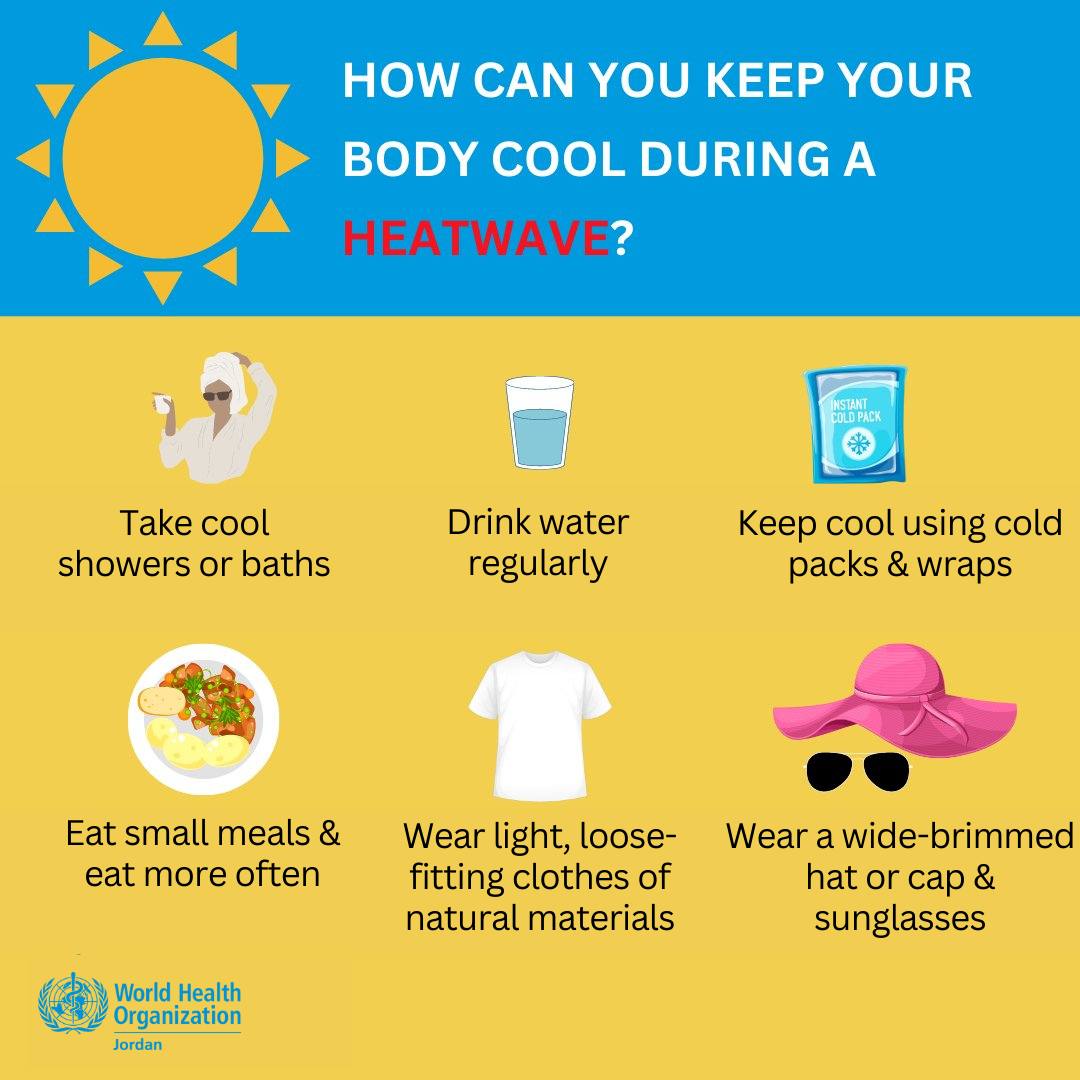
- Wash clothes regularly using hot water.
- Use detergent and dry clothes thoroughly.
- Avoid shaking dirty laundry to reduce virus spread.
- Wear gloves if handling clothes from sick individuals.
- Store clean clothes separately from dirty ones.
Credit: x.com
Factors Influencing Virus Longevity
The length of time COVID-19 can survive on clothes depends on several key factors. Understanding these can help you make smarter choices about handling and washing your garments. Let’s look closely at what affects the virus’s longevity on different fabrics.
Fabric Type And Texture
Different fabrics hold the virus differently. Smooth, non-porous materials like polyester may allow the virus to survive longer compared to rough, porous fabrics such as cotton. This happens because porous textures trap moisture and particles, which can reduce virus survival.
Think about your favorite jacket made of synthetic fibers versus your cotton T-shirt. The virus might last longer on the jacket’s surface. You might want to wash synthetic clothes more frequently or handle them with extra care.
Environmental Conditions
Temperature and humidity play a big role in virus survival on clothes. The virus tends to survive longer in cool, dry conditions. Warmth and higher humidity can help break down the virus faster.
Have you ever noticed how clothes left outside in the sun dry quickly? That same heat and sunlight can also reduce virus lifespan. If you’re worried about contamination, drying clothes in sunlight might be a simple, effective step.
Viral Load
The amount of virus initially deposited on the fabric matters a lot. A higher viral load means the virus can survive longer and poses a greater risk. In contrast, a small amount of virus might die off quickly.
Imagine touching your clothes after being in a crowded area versus a quick brush past someone. The risk and virus survival on your clothes will differ greatly. Always consider where you’ve been and how much contact your clothes had with others.
Comparing Surfaces: Clothes Vs. Hard Surfaces
Understanding how long Covid survives on different surfaces helps reduce infection risks. Clothes and hard surfaces show different virus survival times. This difference affects cleaning and safety habits.
Clothes are porous and absorbent. They trap droplets, which dry faster. Hard surfaces are smooth and non-porous. Viruses stay longer because droplets stay wet.
Virus Survival On Clothes
Studies show Covid lasts a few hours on fabrics. The virus loses strength quickly on soft materials. Washing clothes with detergent removes most virus particles. Drying also helps kill the virus.
Virus Survival On Hard Surfaces
Covid can survive up to several days on hard surfaces. Materials like plastic, metal, and glass hold the virus longer. Droplets stay moist, protecting the virus. Regular cleaning with disinfectants lowers risks.
Factors Affecting Virus Lifespan
- Temperature: Higher heat shortens virus life.
- Humidity: Dry air reduces virus survival time.
- Material type: Porous vs. non-porous surfaces matter.
- Cleaning: Soap and disinfectants kill the virus fast.
Practical Tips For Safety
- Wash clothes regularly after exposure.
- Use proper detergents and hot water.
- Disinfect hard surfaces often.
- Handle laundry with clean hands.
Scientific Studies And Findings
Scientific studies have investigated how long Covid-19 virus particles can survive on clothing. These findings help us understand the risks and how to reduce contamination. Research results vary due to different conditions and materials tested. This section reviews key insights and the methods used in these studies.
Key Research Insights
- Covid-19 virus can survive on fabric for a few hours to several days.
- Survival time depends on fabric type, temperature, and humidity.
- Porous materials like cotton tend to hold the virus for shorter times.
- Synthetic fabrics may allow longer virus survival under some conditions.
- Virus particles lose infectivity faster on clothes than on hard surfaces.
- Washing clothes with detergent effectively removes or kills the virus.
Methodologies Used
Scientists use lab experiments to test virus survival on fabrics. They apply a small amount of virus to the fabric surface. Then, samples are collected at set time intervals for testing.
Common methods include:
- Virus culture to detect live virus presence
- Polymerase chain reaction (PCR) to detect viral RNA
- Controlled temperature and humidity chambers to mimic real conditions
- Use of different fabric types like cotton, polyester, and blends
These controlled tests help measure how long the virus remains infectious on clothes. Results guide health advice on clothing hygiene during the pandemic.
Practical Measures For Clothing Safety
Clothing can carry the Covid virus for a short time. Taking simple steps helps keep clothes safe. These steps reduce the chance of spreading the virus through fabrics. Safe handling and cleaning protect you and others around you.
Effective Washing Techniques
Use warm water to wash clothes thoroughly. Temperatures above 60°C (140°F) kill most viruses. Add a good amount of detergent for best results. Detergents break down the virus’s protective layer.
Wash clothes separately if someone is sick. Dry them completely in a hot dryer. Sunlight and heat help remove viruses from fabrics. Avoid shaking dirty clothes to prevent spreading particles.
Handling And Storing Clothes
Handle dirty clothes gently to stop virus spread. Place used clothes in a separate basket. Avoid mixing them with clean laundry. Wash your hands right after touching dirty fabrics.
Store clean clothes in a dry, clean place. Keep them away from areas with dust or moisture. Use sealed containers or drawers to reduce contamination. Regularly clean storage spaces to keep clothes safe.
Guidelines For Public Places And Workspaces
Understanding how long Covid can survive on clothes is crucial, especially in public places and workspaces where many people interact daily. Your clothes can unknowingly carry viruses, making it important to follow practical guidelines that reduce risk. Let’s look at effective ways to keep your environment safer.
Keep Clothes Clean And Change Regularly
Wearing fresh clothes each day helps limit the chance of virus transmission. If you spend time in crowded or high-touch environments, changing clothes immediately after returning home can reduce contamination. Think about your own routine—do you wear the same outfit all day after visiting busy places?
Use Proper Washing Techniques
Washing clothes in hot water with detergent is effective at killing the virus. Aim for water temperatures above 60°C (140°F) when possible. Adding a disinfectant or using bleach on white fabrics can increase protection, especially for items like uniforms and masks.
Practice Social Distancing And Mask Wearing
Even with clean clothes, staying at least six feet away from others in public places cuts down the chance of droplets landing on your clothing. Wearing a mask adds a layer of defense by reducing the spread of respiratory particles. Have you noticed how these simple habits reduce your worry about contamination?
Minimize Contact With High-touch Surfaces
Surfaces like door handles and elevator buttons can transfer the virus to your clothes. Use tissues, gloves, or your elbow to avoid direct contact. Carrying hand sanitizer and using it after touching shared surfaces keeps your hands—and indirectly your clothes—clean.
Ventilate Workspaces Well
Good airflow lowers the concentration of airborne virus particles that might settle on your clothing. Open windows or use air purifiers to improve ventilation in offices and public areas. You might feel the difference in freshness and safety immediately.
Store Clothes Separately After Use
Keep work clothes or clothes worn outside separate from those you wear at home. Use designated laundry baskets or bags to avoid cross-contamination. This small step keeps your living space cleaner and your family safer.
Myths And Misconceptions
Many myths and misconceptions surround how long Covid can survive on clothes. This confusion causes unnecessary worry and wrong actions. Understanding the facts helps people make better decisions about hygiene and safety.
Common Misunderstandings
- Covid can live on fabric for days, causing infection.
- Touching clothes means a high chance of catching the virus.
- Washing clothes is not necessary if worn only briefly.
- Sunlight and air cannot reduce the virus on fabrics.
- All types of fabric hold the virus equally long.
Clarifying Facts
Studies show Covid survives on clothes for a few hours, not days. The virus weakens quickly on fabric surfaces. Touching contaminated clothes carries a very low infection risk. Washing clothes with regular detergent removes the virus effectively. Sunlight and fresh air help reduce virus presence on fabrics. Different fabrics affect virus survival time, but the difference is small. Simple hygiene steps keep clothes safe and reduce worry.

Credit: symptoms.webmd.com
Future Research Directions
Research on how long COVID-19 can survive on clothes is still growing. Scientists want to learn more about the virus’s behavior on different fabrics and in various conditions. This knowledge will help improve safety guidelines and reduce infection risks.
Future studies will explore how temperature, humidity, and fabric type affect the virus’s survival. More data will help create better cleaning and handling recommendations for clothing.
Understanding Virus Survival On Different Fabrics
Different materials may hold the virus for different times. Research will test common fabrics like cotton, polyester, and blends. This can show which clothes need more careful cleaning.
Impact Of Environmental Conditions
Temperature and humidity might change how long the virus stays active. Studies will measure virus survival in hot, cold, dry, and wet settings. This helps tailor advice for different climates and seasons.
Effectiveness Of Washing And Disinfecting Methods
Future work will compare washing techniques and detergents. Researchers will find the best ways to remove or kill the virus on clothes. This guides safer laundry habits.
Role Of Clothing In Virus Spread
Scientists will study if clothes can pass the virus to others. They will check how handling and touching fabrics contribute to infection. This will clarify risks and prevention steps.
Frequently Asked Questions
How Long Does Covid Survive On Fabric Surfaces?
Covid can survive on clothes for up to 1-2 days. The virus lasts longer on synthetic fabrics than natural ones. Proper washing with detergent effectively removes and inactivates the virus from clothing.
Can Washing Clothes Kill The Covid Virus?
Yes, washing clothes with detergent and warm water kills Covid. Detergents disrupt the virus’s lipid envelope, rendering it inactive. Use the highest water temperature safe for the fabric to ensure thorough cleaning.
Is Covid Transmission Through Clothes Common?
Transmission of Covid through clothes is rare. The virus mainly spreads via respiratory droplets and close contact. Contaminated clothes pose minimal risk if handled with basic hygiene and regular washing.
What Fabric Types Retain Covid Virus Longest?
Synthetic fabrics like polyester may retain Covid longer than cotton. Porous materials tend to dry faster, reducing virus survival time. Frequent washing and drying reduce any potential risk from fabric surfaces.
Conclusion
Covid can stay on clothes for hours or even days, depending on conditions. Washing clothes regularly helps remove the virus effectively. Drying clothes fully also lowers the risk of spread. Avoid touching your face after handling worn clothes. Always follow hygiene steps to keep yourself safe.
Staying careful with clothes is one way to stop Covid spread. Simple actions make a big difference in protecting your health. Keep these tips in mind every day.


