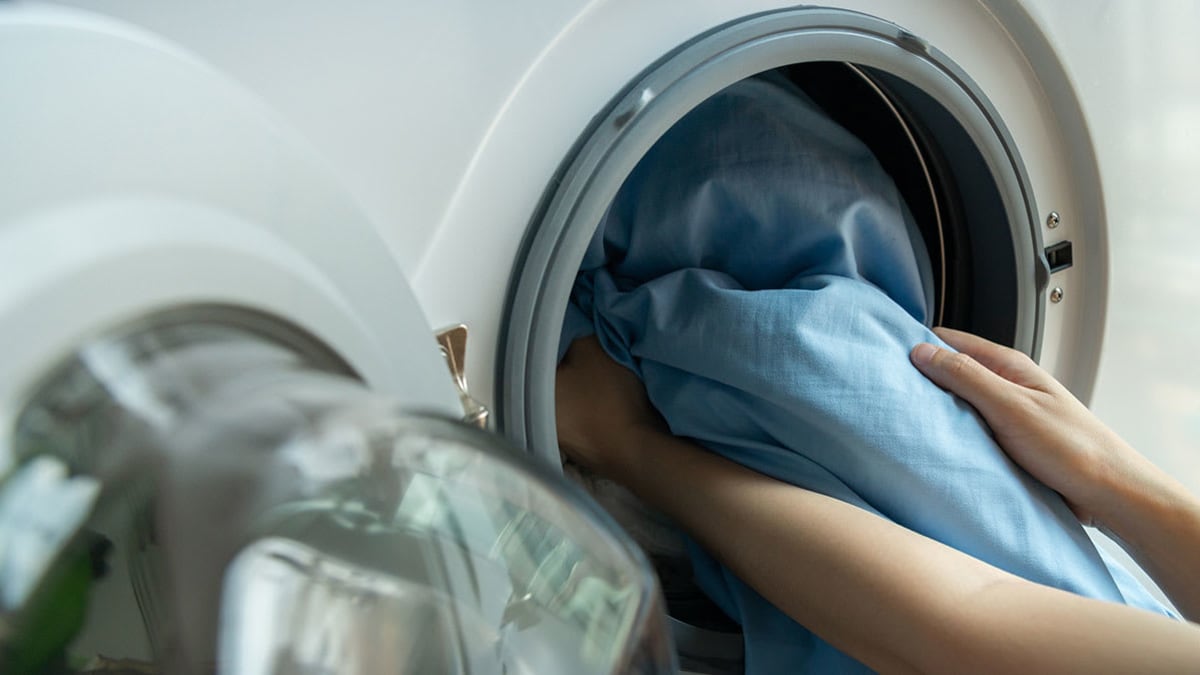
Have you ever wondered if the clothes you wear can carry the coronavirus? You might be touching your jacket, your favorite shirt, or even your shoes, and asking yourself, “Am I putting myself or my loved ones at risk?” Understanding whether the virus can survive on fabrics is key to keeping your home and family safe.
This article will clear up the confusion and give you practical tips to protect yourself. Keep reading to learn what you really need to know about coronavirus and your clothes.
Virus Transmission And Clothing
Understanding how the coronavirus interacts with clothing is important for staying safe. Clothes can potentially carry the virus, but how likely are they to spread it? Let’s look closely at how virus transmission happens through fabrics and what you can do to protect yourself.
How Long Does The Virus Stay On Clothes?
The virus doesn’t survive long on fabric compared to hard surfaces like metal or plastic. Studies show it can last from a few minutes up to a day, depending on the material and environmental conditions like humidity and temperature.
Natural fibers like cotton tend to absorb and trap the virus, making it less likely to spread. Synthetic fibers, on the other hand, may allow the virus to survive a bit longer on the surface.
Can You Catch Covid-19 From Your Clothes?
It’s possible but not very common. The main way COVID-19 spreads is through respiratory droplets, not from touching fabric. However, if someone coughs or sneezes directly on your clothes and you then touch that area and your face, there is a small risk.
Think about your daily routine: how often do you touch your clothing and then your face without washing your hands? Being mindful of this can reduce your risk significantly.
Best Practices To Keep Your Clothes Virus-free
- Wash clothes regularly using warm water and detergent.
- Dry clothes completely on high heat to help kill any lingering virus.
- Avoid shaking dirty laundry to prevent dispersing viral particles into the air.
- Wash your hands immediately after handling worn clothes, especially if they were exposed to public places.
When I started washing my gym clothes immediately after each use, I noticed feeling more confident about avoiding germs. Simple habits like this can make a big difference in your daily safety.
Survival Duration On Fabrics
The survival duration of the coronavirus on fabrics varies by material type and environmental conditions. Understanding how long the virus can live on clothes helps reduce the risk of transmission. Different fabrics offer different levels of virus retention. Factors like temperature, humidity, and fabric texture also affect survival time.
Research shows the virus does not survive as long on porous surfaces like cloth compared to hard surfaces. Virus particles dry out faster on fabrics, which decreases their ability to infect. Still, the virus can remain active for hours to days depending on the fabric type.
Virus Survival On Cotton And Natural Fibers
Cotton and other natural fibers absorb moisture quickly. This reduces the virus’s active survival time. Studies suggest the virus can survive up to 1 to 2 days on cotton under normal indoor conditions. Washing clothes frequently helps remove any virus particles.
Virus Survival On Synthetic Fabrics
Synthetic fabrics like polyester tend to hold moisture on the surface longer. This can allow the virus to survive slightly longer than on natural fibers. The virus may survive up to 3 days on some synthetic fabrics. Proper cleaning of these fabrics is important to reduce risk.
Impact Of Environmental Conditions
Higher temperatures and sunlight shorten the virus survival on fabrics. Dry and warm conditions cause the virus to lose infectivity faster. Cooler and more humid environments allow the virus to survive longer. Always dry clothes thoroughly in sunlight when possible.
Practical Tips For Handling Clothes Safely
- Wash clothes regularly with detergent and warm water.
- Avoid shaking dirty clothes to reduce airborne particles.
- Dry clothes fully under sunlight or in a dryer.
- Use gloves when handling clothes from public places or hospitals.
Types Of Fabrics And Their Impact
Different fabrics affect the coronavirus’s survival time on clothes. The type of fabric changes how long the virus can live on its surface. Some materials trap moisture and protect the virus longer. Others dry out quickly, making it harder for the virus to survive. Knowing fabric types helps in choosing safer clothing during the pandemic.
Cotton And Natural Fibers
Cotton and other natural fibers like wool and linen absorb moisture well. This makes the surface damp, which can reduce the virus’s life. The virus finds it harder to stay active on these fabrics. Cotton also breathes better, helping clothes dry fast. This limits the time the virus can survive on them.
Synthetic Materials
Synthetic fabrics such as polyester, nylon, and acrylic do not absorb water easily. They hold moisture on the surface, creating a better environment for the virus. The virus may survive longer on these materials. Synthetics also trap heat, which can protect the virus from drying out. These fabrics require careful cleaning to reduce infection risks.
Blends And Mixed Fabrics
Blended fabrics combine natural and synthetic fibers. Their virus survival rates depend on the mix ratio. A higher natural fiber content usually means quicker drying and less virus survival. More synthetic fibers can extend the virus’s life on the fabric. Understanding blends helps in choosing clothes that reduce virus risks.

Credit: www.universityhealth.com
Factors Influencing Virus Longevity
The survival of the coronavirus on clothes depends on several key factors. These factors affect how long the virus can stay active and infectious on fabric surfaces. Understanding these elements helps in reducing the risk of contamination through clothing.
Temperature And Humidity
Higher temperatures tend to reduce the virus’s lifespan on clothes. Heat can break down the virus’s structure quickly. Low humidity levels also shorten virus survival. Dry conditions make it harder for the virus to remain stable. Cooler and moist environments may allow the virus to last longer on fabric.
Exposure To Sunlight
Sunlight, especially ultraviolet (UV) rays, can destroy the virus on clothes. UV rays damage the virus’s genetic material. Direct sunlight exposure reduces the virus’s ability to infect. Clothes left in bright sunlight for some time are less likely to carry active virus particles.
Fabric Texture And Weave
Fabric type plays a role in virus survival. Tightly woven fabrics trap fewer particles and dry faster. Smooth and synthetic fabrics like polyester may hold the virus longer. Rough and porous fabrics like cotton absorb moisture, which can reduce virus lifespan. The way fabric breathes and retains moisture influences virus longevity.
Cleaning And Sanitizing Clothes
Cleaning and sanitizing clothes is key to reducing the risk of coronavirus on fabrics. The virus can survive on clothes for hours to days, depending on conditions. Proper washing, disinfecting, and drying help remove and kill the virus effectively. This section covers simple and practical steps to keep your clothes safe and clean.
Effective Washing Techniques
Use warm water for washing clothes to help kill viruses. Hot water above 60°C (140°F) is ideal. Use regular detergent as it helps remove dirt and germs. Wash clothes separately if contaminated or worn outside. Avoid overloading the washing machine to ensure thorough cleaning. Always follow care labels for fabric safety.
Use Of Disinfectants
Add disinfectants designed for laundry to boost virus removal. Common options include bleach or laundry sanitizers. Use the right amount as per product instructions to avoid fabric damage. Avoid mixing bleach with other cleaning products. Disinfectants work best in warm water and require proper rinsing.
Drying And Ironing
Dry clothes completely under direct sunlight or in a hot dryer. Heat from drying helps kill remaining viruses. Avoid leaving wet clothes inside for long to prevent bacteria growth. Ironing clothes on high heat further kills viruses on fabric surfaces. Use steam irons for better sanitization and fabric care.
Practical Tips For Daily Life
Managing clothes safely helps reduce the chance of coronavirus spread. Simple daily actions can protect you and your family. Focus on smart habits for handling, washing, and wearing clothes. These tips fit easily into everyday routines.
Handling And Storing Clothes
Keep worn clothes separate from clean ones. Use a dedicated basket or bag for used clothes. Avoid shaking dirty laundry to limit virus particles in the air. Wash hands right after handling worn clothes. Store clean clothes in dry, ventilated areas only.
Laundry Frequency
Wash clothes often, especially after public outings or exercise. Use the warmest water safe for the fabric. Add regular detergent to kill germs. Dry clothes completely, using a dryer or sunlight. This helps reduce virus survival on fabric.
Precautions In Public Spaces
Wear clean clothes daily when going out. Avoid touching your face or clothes unnecessarily. Carry a small bottle of hand sanitizer for quick use. Change clothes after returning home from crowded places. Wash hands before touching your clothes or face again.
Expert Opinions And Studies
Experts have closely examined how long the coronavirus can survive on various surfaces, including clothes. Their findings help you understand the real risks and the best ways to protect yourself. Let’s look at what scientific studies and health professionals say about this.
What Studies Reveal About Virus Survival On Fabrics
Research shows that the coronavirus can live on fabric, but its survival time is generally shorter than on hard surfaces like plastic or metal. A study published in the Journal of Hospital Infection found that the virus could remain detectable on clothing for a few hours to a couple of days, depending on the material and environmental conditions.
For example, smoother fabrics like polyester may hold the virus longer than rougher, more porous materials such as cotton. This means your choice of clothing material might affect the risk of transmission.
Expert Views On Transmission Risk Through Clothes
Many health experts agree that the risk of catching COVID-19 from clothes is low compared to airborne droplets and close contact. Dr. Maria Van Kerkhove from the World Health Organization explained that while virus particles can land on clothing, transmission usually requires touching the fabric and then touching your face.
This highlights the importance of washing your hands regularly and avoiding face touching, especially after handling potentially contaminated clothes.
Effective Precautions Based On Scientific Advice
- Wash clothes regularly:Use the warmest water safe for the fabric to reduce virus presence.
- Handle laundry carefully:Avoid shaking dirty clothes to prevent spreading virus particles in the air.
- Dry clothes thoroughly:Heat from dryers can help kill viruses more effectively than air drying.
These practical steps can keep your clothes safer and reduce any minimal risk of transmission.
Personal Experience Highlights The Importance Of Laundry Hygiene
I once worked in a healthcare setting where laundry protocols were strict. Wearing freshly cleaned scrubs gave me peace of mind, knowing that potential virus particles were minimized. This made me realize how small habits, like washing clothes properly, can add a strong layer of protection in your daily life.
What simple changes can you make today to improve your laundry routine and reduce risks? Are you paying enough attention to how you handle and clean your clothes?

Credit: famurgentcare.com
Common Myths And Misconceptions
There’s a lot of confusion around whether the coronavirus can survive on clothes. This confusion has led to some common myths that might influence how you handle your laundry or interact with your wardrobe. Understanding the facts helps you take the right precautions without unnecessary fear.
Myth: The Virus Can Live On Clothes For Days
Many believe the coronavirus can survive on fabric surfaces for several days. While the virus can persist longer on hard, non-porous surfaces like plastic or metal, it tends to die off much faster on porous materials like cotton or wool.
Research shows that viruses struggle to stay active on clothes because fabrics absorb moisture, which helps reduce the virus’s lifespan. So, your clothes are less likely to be a major source of infection compared to frequently touched surfaces.
Myth: You Must Wash Clothes Immediately After Returning Home
Some people rush to wash their clothes the moment they step inside. This panic is understandable but not always necessary. If you haven’t been in a high-risk environment, simply changing your clothes and washing your hands is usually enough.
Washing clothes right away is important only if you were exposed to someone infected or in a crowded, enclosed space for a long time. Otherwise, there’s no need to stress about instant laundry.
Myth: Drying Clothes In The Sun Kills The Virus Completely
Many think that sunlight alone will eliminate the virus on clothes. Sunlight does help reduce germs due to UV rays, but it’s not a guaranteed method to kill all viruses on fabric. You still need to wash clothes properly with detergent to ensure safety.
Relying solely on sun-drying might leave some virus particles behind. Combining washing with drying in the sun is a better practice to reduce any risk.
Myth: Only New Or Unwashed Clothes Can Carry The Virus
Some people assume that only clothes that haven’t been washed can hold the virus. In reality, any fabric exposed to contaminated droplets could carry the virus temporarily, regardless of how often it’s been washed before. However, regular washing with detergent effectively removes the virus.
Think about your daily routine: touching different surfaces, sitting on public transport, or visiting stores. Any of these moments can expose your clothes. Washing them regularly is a smart habit, not just for the coronavirus but for overall hygiene.
How Should You Really Handle Clothes During The Pandemic?
- Wash clothes with regular detergent at the recommended temperature.
- Avoid shaking dirty clothes to reduce the chance of spreading virus particles into the air.
- Wash your hands after handling dirty laundry.
- Use the dryer or sun-dry clothes thoroughly before wearing them again.
Does your current laundry routine cover these points? Small changes can make a big difference in keeping you and your family safe.

Credit: www.youtube.com
Frequently Asked Questions
Does Coronavirus Live Long On Clothes?
Coronavirus can survive on clothes for a few hours to days. Survival depends on fabric type, temperature, and humidity. Porous materials like cotton reduce virus lifespan. Regular washing with detergent effectively removes and kills the virus on clothing surfaces.
Can Washing Clothes Kill Coronavirus?
Yes, washing clothes with detergent and warm water effectively kills coronavirus. Detergents break down the virus’s lipid envelope, rendering it inactive. Use the highest safe temperature for your fabric. Drying clothes thoroughly also helps eliminate any remaining virus particles.
Is It Safe To Handle Used Clothes During Covid-19?
Handling used clothes is generally safe if you practice hygiene. Avoid touching your face and wash hands immediately after. Contaminated clothes should be washed promptly. Proper washing and drying eliminate the virus, reducing any transmission risk from fabric surfaces.
How To Disinfect Clothes Potentially Exposed To Coronavirus?
Wash clothes in warm or hot water with detergent. Use the highest temperature safe for the fabric. Add disinfectants like bleach if suitable. Dry clothes completely using a dryer or sunlight. This process effectively kills coronavirus on clothing fibers.
Conclusion
The coronavirus can stay on clothes for some time but not very long. Washing clothes with soap and water removes the virus well. Drying clothes completely also helps kill any germs. Touching clean clothes is safer than touching dirty ones.
Keep your clothes clean to lower any risk of infection. Simple habits like regular washing keep you and others safe. Clean clothes, clean hands, and good hygiene protect your health every day. Stay cautious but do not worry too much about clothes spreading the virus.


