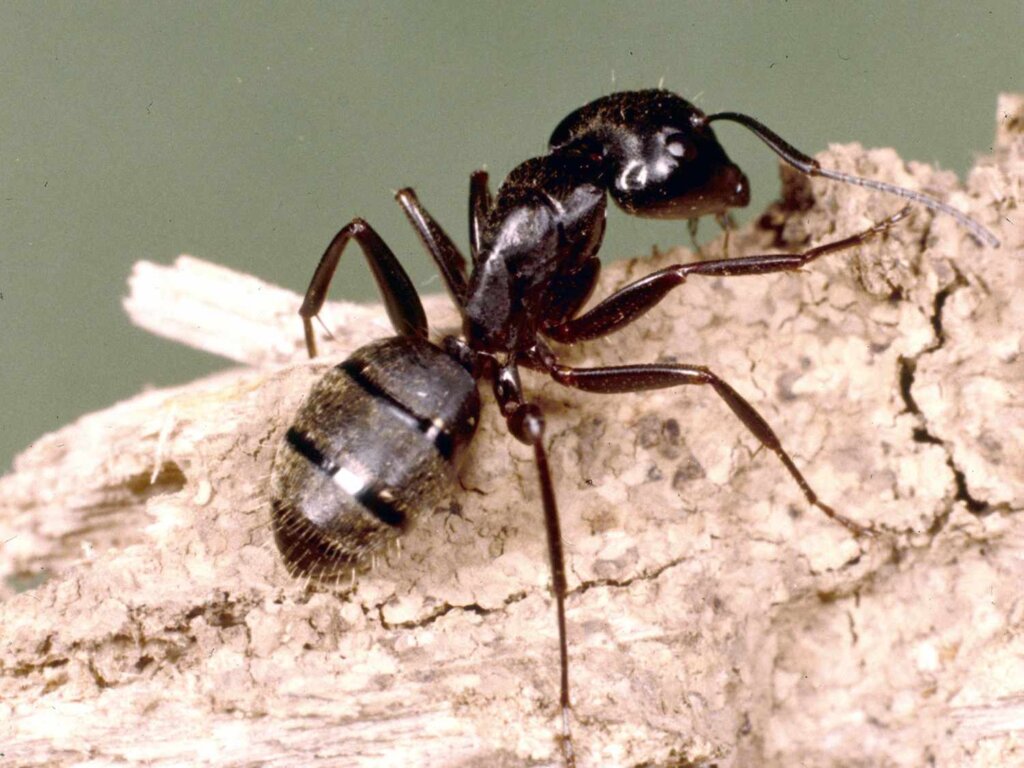
Have you ever wondered what happens to ants when the temperature drops? If you’ve seen ants disappear during winter, you might think they can’t survive the cold.
But the truth is more surprising. Understanding how ants cope with chilly weather can change the way you see these tiny creatures. Keep reading, and you’ll discover the clever tricks ants use to stay alive when the cold sets in—and why they might be tougher than you think.

Credit: bettertermite.com
Ant Behavior In Cold Climates
Ants display fascinating behavior when facing cold climates. Instead of simply freezing or dying off, many species adapt in clever ways to survive. Understanding their behavior can help you appreciate how resilient these tiny creatures really are.
How Ants Prepare For Winter
Before temperatures drop, ants start gathering extra food to store inside their nests. They also work on strengthening their colonies’ structure to protect against the cold. You might not notice this, but ants are busy creating cozy shelters underground where temperatures stay more stable.
Huddling And Clustering For Warmth
Ants often cluster together in large groups to conserve heat. This behavior helps maintain a warmer environment inside the nest. Have you ever seen ants packed tightly in a small space? That’s their way of sharing body heat to survive harsh conditions.
Slowing Down Activity During Cold Periods
During the coldest months, ants significantly reduce their activity. They enter a state similar to hibernation called diapause, where their metabolism slows. This means ants use less energy and can survive longer without needing food or movement.
Using Microclimates Within The Nest
Ants take advantage of different temperatures within their nests. They move to warmer or cooler spots depending on the weather outside. This microclimate management helps the colony stay balanced and healthy, even when it’s freezing outdoors.
Species Variation In Cold Weather Tolerance
Not all ants handle cold weather the same way. Some species live in regions with mild winters and don’t need extreme adaptations. Others, like the wood ants, are built to endure very low temperatures. What might your local ants be doing to survive the cold?

Credit: bettertermite.com
Adaptations For Survival
Ants face harsh cold weather with a range of clever adaptations that help them survive. These tiny creatures don’t just freeze or disappear; they actively prepare and adjust to keep their colonies safe and warm. Understanding these survival tactics can change how you see the resilience of ants during winter.
Ant Nest Construction
Ants build their nests with materials and designs that help protect them from freezing temperatures. Many species dig deep underground, where the earth stays warmer than the surface. Some create insulated chambers lined with leaves, soil, or resin to trap heat.
Have you ever noticed how some ant hills look like small mounds? These shapes help catch sunlight during the day, raising the nest’s internal temperature. The structure isn’t random; it’s a natural heater, reducing heat loss and shielding ants from icy winds.
Role Of Ant Colonies
Ants rely on their community to survive cold spells. They cluster tightly in their nests, sharing body heat to stay warm. This group behavior significantly increases their chances of making it through freezing nights.
Each ant has a role during winter. Some guard the nest entrance, while others focus on maintaining tunnels and chambers. This division of labor keeps the colony functioning smoothly when conditions outside are harsh.
Temperature Regulation Techniques
Ants actively regulate temperature inside their nests through smart ventilation. They open and close tunnels to control airflow, preventing the nest from getting too cold or too damp. This balance is critical for their survival.
Some species even produce antifreeze-like chemicals in their bodies. These substances lower the freezing point of their bodily fluids, helping ants avoid ice crystal damage. Can you imagine tiny creatures using natural antifreeze to survive winter?
Hibernation And Dormancy
Ants face harsh challenges when cold weather arrives. To survive, many enter a state of reduced activity that helps them conserve energy and protect their colonies. Understanding how ants use hibernation and dormancy reveals their fascinating adaptations to winter’s chill.
Difference Between Hibernation And Dormancy
Hibernation is a deep, long-term sleep where ants lower their metabolism significantly. This state helps them survive extreme cold by using very little energy. Dormancy, on the other hand, is a broader term that includes hibernation but also covers lighter forms of inactivity.
In dormancy, ants may slow down but remain somewhat responsive to their environment. You might think of dormancy as a pause button, while hibernation is more like shutting down most functions. This difference affects how ants prepare and react to cold weather.
Species-specific Strategies
Not all ants behave the same when cold hits. Some species burrow deep underground where temperatures stay stable. Others cluster together inside their nests, sharing warmth to survive the frost.
For example, carpenter ants often retreat into wood where temperatures don’t fluctuate as much. Fire ants, on the other hand, build large, insulated mounds and huddle in groups to maintain warmth. These strategies show how your backyard ants might be quietly adapting as the seasons change.
Have you ever wondered how ants in your area manage winter? Observing their behavior could reveal clues about their unique survival tactics.
Ants In Extreme Cold
Ants are known for their ability to adapt to many environments. Extreme cold is a tough challenge for most insects. Yet, some ants survive harsh winter climates. Their survival depends on special behaviors and physical traits. These traits help ants endure freezing temperatures and scarce food. Understanding ants in extreme cold shows nature’s resilience.
Ant Species In Arctic Regions
Some ants live in Arctic and sub-Arctic zones. These species face long, freezing winters. They build nests deep underground to avoid frost. Their bodies contain antifreeze-like chemicals to prevent ice damage. Examples of cold-hardy ants include:
- Formica glacialis
- Leptothorax acervorum
- Myrmica rubra
These ants remain active during short summers. They gather food quickly for winter stores. Their colonies shrink but survive until spring.
Case Studies Of Survival
Research shows how ants endure cold seasons. One study found Formica ants reduce body water to avoid freezing. Another observed ants huddle tightly to share warmth. Some species enter a state called diapause. During diapause, ants slow metabolism and conserve energy. These strategies keep ants alive under ice and snow. Scientists continue to explore how these tiny creatures beat the cold.
Impact Of Climate Change
Climate change is reshaping ecosystems worldwide, and ants are not exempt from these shifts. You might not realize it, but even tiny insects like ants feel the ripple effects of changing temperatures and weather patterns. This impact influences where they live and how they behave during colder months.
Changes In Habitat And Behavior
Rising temperatures can push ants to move into new areas that were once too cold for them. This shift can cause disruptions in local ecosystems as ant colonies interact with unfamiliar species.
Ants also adjust their behavior to cope with the changing climate. Some species may shorten their hibernation or stay active longer during mild winters, which affects their food consumption and reproduction cycles.
Have you noticed ants appearing earlier in the year or staying later into the fall? These subtle changes in their activity are direct responses to warmer winters.
Long-term Survival Challenges
While some ants adapt, others struggle with unpredictable weather patterns. Sudden cold snaps after warm periods can catch them off guard, leading to higher mortality rates.
Additionally, changes in snow cover and soil moisture levels can affect the insulation ants rely on to survive cold weather. Without this natural protection, colonies face increased risks during winter.
Understanding these challenges can help you appreciate the delicate balance ants maintain with their environment. What can you do to support local insect populations during extreme weather? Simple actions like creating sheltered garden spaces or avoiding pesticide use can make a difference.
Scientific Studies And Discoveries
Scientific studies have greatly expanded our knowledge about how ants survive cold weather. Researchers explore their behavior, biology, and adaptations to freezing temperatures. These discoveries help explain the survival strategies ants use during winter. Scientists use field observations, lab experiments, and advanced technology to study these tiny creatures.
Understanding ants’ cold survival sheds light on broader ecological processes. It also informs pest control and conservation efforts. Research continues to uncover new details about their resilience and limits in cold climates.
Recent Research Findings
Recent studies show ants use multiple methods to survive cold weather. Some species enter a state called diapause, slowing their metabolism to save energy. Others produce antifreeze proteins that prevent ice crystals in their bodies. Scientists found that ants cluster tightly to share warmth.
Research also reveals that underground nests provide insulation from freezing temperatures. Soil layers protect ants from harsh winds and frost. Experiments show that some ants adjust their activity based on temperature changes.
Future Research Directions
Scientists aim to learn more about the genetic basis of cold tolerance in ants. They plan to study how climate change affects ant survival strategies. Research may also explore how ants interact with other species during winter. Understanding these relationships could reveal new insights into ecosystem balance.
New technologies like thermal imaging and DNA analysis will enhance future studies. Researchers hope to discover how different ant species adapt to diverse cold environments. These findings could improve predictions about insect responses to global temperature shifts.
Credit: bettertermite.com
Frequently Asked Questions
How Do Ants Survive Cold Weather Conditions?
Ants survive cold weather by entering a state called diapause. They reduce their activity and metabolism to conserve energy. Ants cluster together in protected nests to maintain warmth and protect the colony from freezing temperatures.
Can Ants Survive Freezing Temperatures Outdoors?
Most ants cannot survive prolonged freezing temperatures outdoors. However, some species adapt by burrowing deeper underground where the soil stays warmer. Ant colonies rely on insulation and reduced activity to endure cold spells.
Do Ants Hibernate During Winter Months?
Ants don’t technically hibernate but enter diapause, a dormant state. This slows their bodily functions and conserves energy. During this time, ants remain in the nest, avoiding exposure to extreme cold.
What Adaptations Help Ants Survive Winter?
Ants have physiological and behavioral adaptations for winter survival. They produce antifreeze-like chemicals and cluster for warmth. Their nests provide insulation, and reduced activity conserves vital energy through cold periods.
Conclusion
Ants have clever ways to survive cold weather. They find warm places to stay safe. Some ants slow down their bodies to save energy. Their colonies work together to keep warm inside. Cold does not stop ants completely. They adapt and live through winter times.
This shows how strong and smart ants really are. Watching ants in cold weather teaches us about nature’s power. They remind us that life finds a way.


