When a hurricane is headed your way, being prepared can make all the difference. You don’t want to be caught off guard, scrambling for supplies when every second counts.
Your safety and comfort depend on having the right items ready to go. But what exactly should you include in your hurricane survival kit? This guide will walk you through everything you need, so you can protect yourself and your loved ones when the storm hits.
Keep reading to make sure you’re fully prepared before it’s too late.

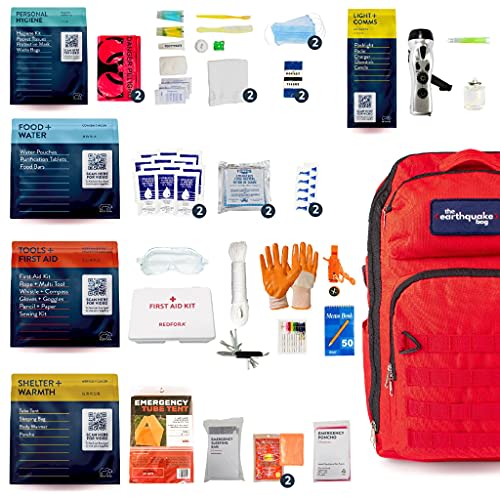
Credit: www.amazon.ca
Emergency Water Supply
Having a reliable emergency water supply is vital during a hurricane. Water needs rise for drinking, cooking, and hygiene. Access to clean water may stop due to power outages or damaged pipes. Storing enough water and knowing how to purify it keeps you safe and healthy.
Storage Methods
Store water in clean, food-grade containers. Avoid containers that held chemicals or non-food items. Use sealed plastic jugs, water barrels, or glass bottles. Keep water in a cool, dark place to prevent bacteria growth.
- Fill containers completely to minimize air inside.
- Label each container with the fill date.
- Rotate water every six months to keep it fresh.
- Consider commercial bottled water for convenience.
Water Purification Solutions
Purifying water ensures it is safe to drink. Boiling water kills most germs and bacteria. Bring water to a rolling boil for at least one minute.
Chemical treatments like bleach or purification tablets work well. Use unscented household bleach with 5-6% sodium hypochlorite. Add 8 drops per gallon, stir, and wait 30 minutes before use.
- Carry portable water filters for emergency use.
- Choose filters that remove bacteria and protozoa.
- UV light purifiers kill germs quickly.
- Always follow instructions for any purification method.
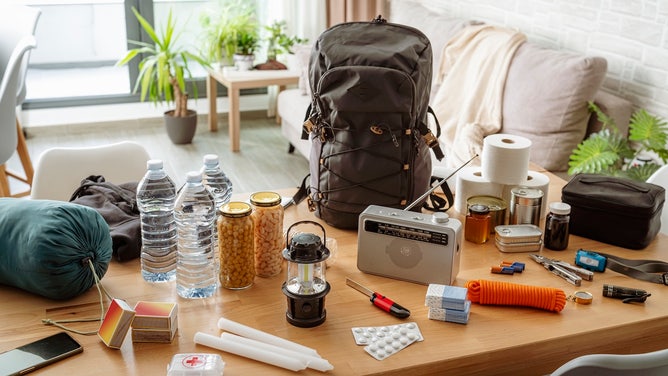
Credit: www.nbcnews.com
Non-perishable Food Options
Choosing the right non-perishable food options is vital for your hurricane survival kit. These foods must last without refrigeration and provide enough energy to keep you going. Think about what you can realistically eat without cooking or with minimal preparation.
High-energy Foods
Pack foods rich in calories and nutrients to maintain your energy levels during a storm. Nuts, peanut butter, and granola bars are excellent choices because they offer a good balance of fats, proteins, and carbs.
Dried fruits like apricots or raisins add natural sugars and fiber, helping you stay full longer. Canned tuna or chicken can provide much-needed protein without spoiling quickly. Don’t forget instant oatmeal or ready-to-eat meals that only require water—these can be lifesavers when cooking options are limited.
Food Storage Tips
Store your food in airtight containers to keep moisture and pests out. Use vacuum-sealed bags or heavy-duty plastic bins for extra protection. Label your items with expiration dates to rotate stock and avoid surprises.
Keep your kit in a cool, dry place away from direct sunlight to extend shelf life. Have you checked your food supplies recently? Regularly updating your kit ensures you won’t be caught off guard when a storm hits.
First Aid Essentials
First aid essentials are crucial for any hurricane survival kit. Injuries can happen during storms or clean-up efforts. Having the right supplies helps treat wounds quickly and prevent infections. A well-stocked first aid kit supports safety and health in emergencies.
Basic First Aid Kit
A basic first aid kit should include essential items to handle common injuries. Bandages and gauze pads stop bleeding and protect cuts. Antiseptic wipes clean wounds to reduce infection risk. Tweezers remove splinters or debris. Scissors cut tape or clothing. Adhesive tape secures dressings in place. Disposable gloves keep hands clean and safe. Include a digital thermometer to check for fever.
- Assorted adhesive bandages
- Sterile gauze pads
- Antiseptic wipes or solution
- Tweezers and scissors
- Adhesive tape rolls
- Disposable gloves
- Thermometer
- Pain relievers like ibuprofen or acetaminophen
Medications And Prescriptions
Store enough medications for at least one week. Include daily prescriptions and any needed for allergies or chronic conditions. Keep medications in their original containers. Have a list of all medicines and dosages. This helps in case you need medical help. Over-the-counter medicines for upset stomach, allergies, and pain relief are useful too.
- Prescription medications in original bottles
- Allergy medicines such as antihistamines
- Pain relief medicines
- Anti-diarrhea and antacid tablets
- Eye drops
- Medical information list
Communication Tools
Communication tools are vital during a hurricane. Power outages often disrupt phone lines and internet. Staying informed and connected can save lives. Prepare devices that work without electricity. Keep multiple options ready for different situations.
Battery-powered Radios
Battery-powered radios provide reliable access to emergency broadcasts. They do not depend on cell service or internet. Choose radios with NOAA weather alerts for real-time updates. Carry extra batteries to keep the radio running long. Compact models are easy to store in your kit. Listening to official warnings helps you act quickly and safely.
Mobile Chargers And Power Banks
Mobile chargers and power banks keep phones alive without power. A fully charged power bank can recharge a phone several times. Select chargers with high capacity and fast charging abilities. Solar-powered chargers offer a renewable backup option. Test your chargers before the storm to ensure they work. Staying connected with family and emergency services is crucial.
Lighting And Power Solutions
Lighting and power are critical during a hurricane when outages are likely. Without reliable sources, you could be left in the dark, making it hard to stay safe and connected. Preparing the right tools now ensures you won’t scramble for light or power when the storm hits.
Flashlights And Lanterns
Flashlights are a must-have in your survival kit. Choose LED models with long battery life—they’re brighter and last longer than traditional bulbs.
Don’t forget lanterns. They light up a whole room and free your hands for other tasks. Battery-powered lanterns are safer than candles, reducing fire risks during emergencies.
Keep extra batteries in a waterproof bag. Have multiple flashlights so everyone in your household has one. How will you navigate your home if the power suddenly goes out?
Backup Power Sources
Backup power keeps your essential devices running when the grid fails. Portable power banks can charge phones, radios, and small electronics multiple times.
Consider a solar charger if you expect long outages. It can recharge during the day without fuel or electricity. Gas-powered generators are powerful but need safe outdoor use and fuel storage.
Test your backup power devices regularly. Will your phone still have juice when you need to call for help?
Credit: www.foxweather.com
Clothing And Personal Items
Preparing your clothing and personal items for a hurricane survival kit is essential. These items keep you comfortable and hygienic when access to stores and utilities is limited. Think about what you’ll really need to stay safe, dry, and clean during the storm.
Weather-appropriate Clothing
Choose clothes that protect you from rain, wind, and temperature changes. Pack waterproof jackets or ponchos to stay dry. Quick-dry fabrics work best because they won’t stay wet for hours.
Include sturdy shoes or boots to handle wet and muddy conditions. Don’t forget extra socks—wet feet can quickly lead to blisters or infections. Layering is smart; pack lightweight long sleeves and pants for sun protection and warmth if temperatures drop.
Have you considered how you’ll stay warm if the power goes out? A warm hat and gloves might be lifesavers even in mild climates. Think about your personal needs and the local weather forecast when packing.
Personal Hygiene Products
Maintaining hygiene during a hurricane can be tough but is crucial to avoid illness. Pack essentials like toothbrushes, toothpaste, and soap in small, travel-size containers. Hand sanitizer is especially important when clean water is scarce.
Include feminine hygiene products and any medications you use daily. Don’t forget items like wet wipes and a quick-dry towel—they help you stay fresh without water. A small mirror and comb can boost morale, keeping you feeling more normal during tough times.
Have you ever been stuck without basic hygiene supplies? It’s uncomfortable and can cause health issues. Think about what personal items make you feel clean and comfortable, and add those to your kit.
Important Documents
Important documents are vital during a hurricane emergency. They prove your identity and help access services fast. Keep these papers safe and easy to find. Protecting them can prevent many problems after the storm.
Document Protection Methods
Store important documents in waterproof containers. Use sealed plastic bags or waterproof pouches. Consider a fireproof safe for extra security. Keep copies of documents in a separate location. Digital backups on a secure cloud service help too. Label containers clearly for quick access.
Essential Information List
- Personal identification (passports, driver’s licenses)
- Birth and marriage certificates
- Insurance policies (home, health, car)
- Medical records and prescriptions
- Bank account and credit card info
- Property deeds and lease agreements
- Emergency contact numbers
- Social Security cards
Shelter And Warmth
Shelter and warmth are vital during a hurricane. Strong winds and heavy rain can cause power outages and damage homes. Having a safe, dry place to stay protects you from the elements. Keeping warm helps prevent illness and keeps spirits high. Preparing these items ahead saves time and stress when the storm hits.
Portable Shelter Options
Portable shelters provide safety when your home is not an option. Tents are lightweight and easy to set up. Choose waterproof tents with strong poles for stability. Tarps can create a quick shelter over a frame or between trees. Look for tarps made of durable, water-resistant material. Pop-up shelters offer fast assembly and good protection. Include stakes and ropes to secure your shelter against wind.
Blankets And Sleeping Bags
Warmth is crucial after the storm. Thick blankets trap body heat and block cold air. Wool and fleece blankets work best for insulation. Sleeping bags offer compact warmth and comfort. Choose sleeping bags rated for low temperatures. Emergency thermal blankets are lightweight and reflect body heat. Pack extra blankets and sleeping bags for each person. Layering these items helps keep everyone warm and dry.
Tools And Equipment
Having the right tools and equipment is essential for a hurricane survival kit. These items help you stay safe and fix problems quickly. Prepare for power outages, broken windows, and other emergency situations with reliable tools. Select items that are easy to use and durable. Organize them so you can find what you need fast.
Multi-purpose Tools
Multi-purpose tools save space and add convenience. Choose tools that combine many functions in one. For example:
- Swiss Army knife
- Multi-tool with pliers, screwdrivers, and blades
- Flashlight with built-in radio and charger
These tools offer flexibility during emergencies. They help with cutting, opening cans, fixing small items, and more. Pick tools with comfortable grips and strong materials. Keep batteries fresh or choose manual options.
Repair And Maintenance Items
Repair tools fix damage caused by strong winds and rain. Include items for quick fixes and longer repairs:
- Duct tape for sealing leaks and broken windows
- Heavy-duty scissors or utility knives
- Hammer and nails for boarding up windows
- Plastic sheeting to cover broken glass or holes
- Wrench and pliers for plumbing or mechanical fixes
- Work gloves to protect your hands
These items help maintain your home and keep you safe. Check supplies regularly and replace used or worn tools.
Cash And Financial Security
Cash and financial security are vital parts of a hurricane survival kit. Power outages and damaged infrastructure often make electronic payments impossible. Having cash on hand ensures access to essential supplies and services during an emergency.
Securing your financial documents is equally important. These papers prove your identity and ownership of assets. Keeping them safe and accessible helps speed up recovery after the storm.
Cash Reserve
Keep a small amount of cash in your survival kit. Small bills are best for easy transactions. Avoid large denominations that may be hard to break.
- Store at least $100 in small bills
- Keep cash in a waterproof container
- Update the amount regularly
Secure Financial Documents
Gather important papers like IDs, insurance policies, and bank statements. Store them in a fireproof and waterproof folder or safe. Consider making digital copies on a USB drive or cloud storage.
- Identification cards and passports
- Insurance documents
- Bank and credit card information
- Property deeds and rental agreements
Frequently Asked Questions
What Are The Essential Items In A Hurricane Survival Kit?
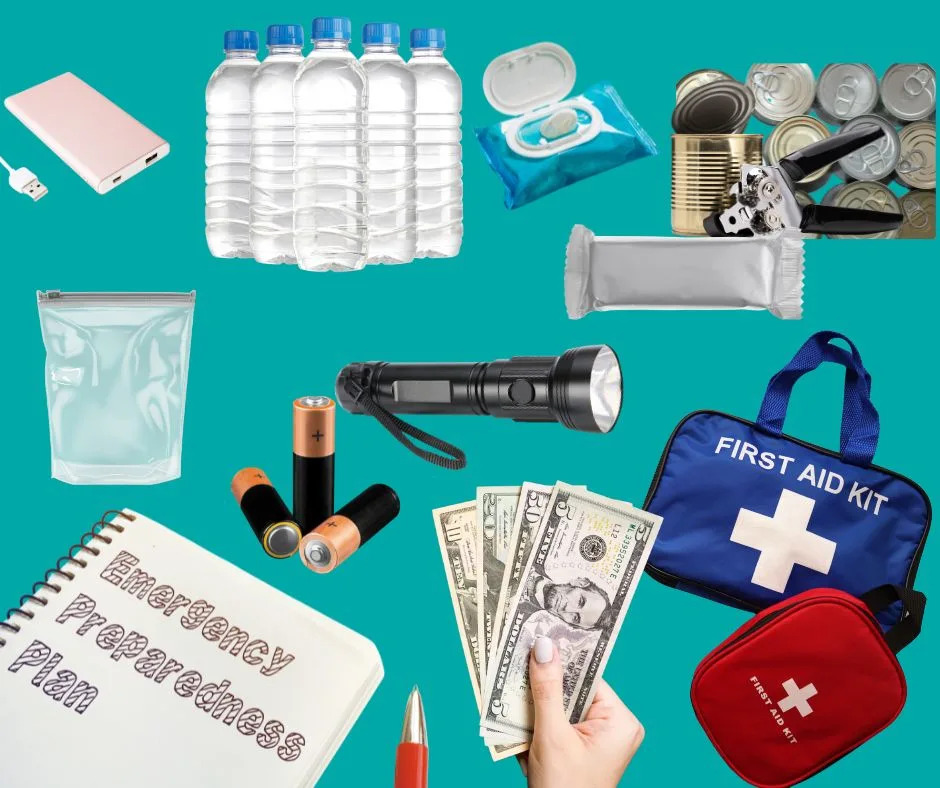
A hurricane survival kit should include water, non-perishable food, a flashlight, batteries, a first aid kit, and important documents. Also pack a battery-powered radio, medications, and hygiene products to stay safe and informed during the storm.
How Much Water Should I Store For A Hurricane?
Store at least one gallon of water per person per day. Plan for a minimum of three days to stay hydrated and meet basic needs during hurricane emergencies.
Why Are Important Documents Needed In A Hurricane Kit?
Important documents like IDs, insurance papers, and medical records help with recovery and aid access. Keep these in a waterproof container to protect them from damage.
Should I Include A Battery-powered Radio In My Kit?
Yes, a battery-powered radio is crucial for receiving emergency updates. It keeps you informed when power and internet are unavailable during a hurricane.
Conclusion
Preparing a hurricane survival kit saves lives and reduces stress. Essentials like water, food, and first aid keep you safe. Don’t forget flashlights, batteries, and important documents. Keep your kit ready and check it often. Stay calm and ready to act fast.
A well-packed kit helps protect your family. Safety starts with simple steps and good planning. Be smart, be prepared, and stay safe during storms.