Imagine facing an emergency without the tools you need to stay safe and calm. Would you know what to do?
Having a survival kit isn’t just for adventurers or experts—it’s something you should have ready right now. Your safety and peace of mind depend on being prepared. Keep reading to discover why a survival kit is crucial for you, how it can protect your loved ones, and what essentials you should never be without.
Don’t wait until it’s too late—your survival kit could be your lifeline.
Importance Of Preparedness
Preparedness is more than just a precaution; it’s a mindset that can save lives and reduce stress during unexpected events. Having a survival kit ready means you’re not caught off guard when emergencies happen. It empowers you to take control and act quickly instead of feeling helpless.
Stay Safe When Disaster Strikes
Emergencies don’t announce themselves. Whether it’s a natural disaster, power outage, or getting lost outdoors, being prepared keeps you safe. Your survival kit provides essential tools and supplies that help you meet basic needs like water, food, and shelter.
Reduce Anxiety And Stress
Knowing you have what you need lowers panic. When you face uncertainty with a well-stocked kit, your mind stays clear and focused. This calmness helps you make better decisions in critical moments.
Gain Independence And Confidence
Relying on yourself instead of waiting for help builds confidence. Your survival kit equips you to handle situations independently. This feeling of control can make a huge difference in how you respond.
Protect Your Loved Ones
Preparedness isn’t just about you. It’s about keeping your family safe too. Having a kit ready means you can care for children, elderly family members, or pets during emergencies without scrambling for supplies.
Practical Tips To Improve Your Preparedness
- Regularly check and update your survival kit items.
- Practice using your gear so you know how it works.
- Customize your kit based on your environment and personal needs.
Think about the last time you faced a sudden problem. Did you have what you needed at that moment? Preparing ahead can turn a difficult experience into a manageable one. What would you add to your survival kit today?

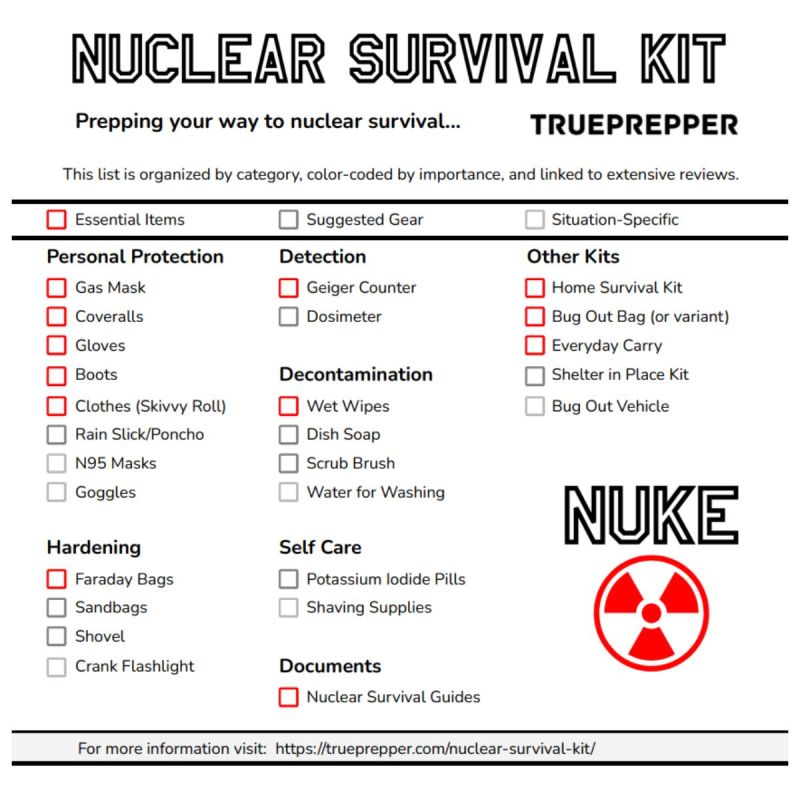
Credit: trueprepper.com
Basic Components Of A Survival Kit
A well-prepared survival kit can make a huge difference when you face an emergency. Knowing the basic components helps you build a kit that truly supports your needs. Each item plays a key role in keeping you safe and comfortable during unexpected situations.
Water And Purification Tools
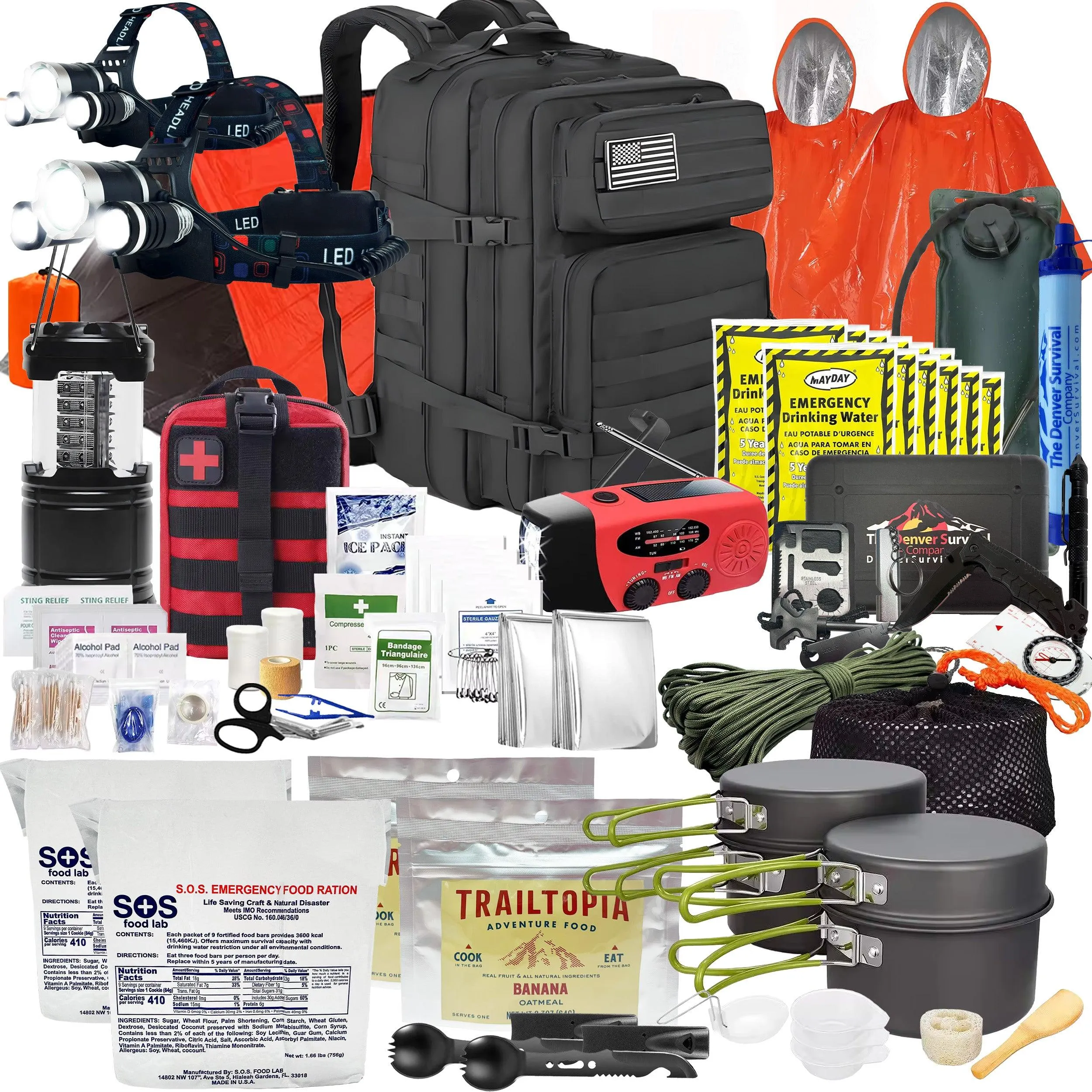
Water is the most critical resource for survival. Your kit should include a reliable water container and purification tools like water filters, purification tablets, or portable UV purifiers.
These tools ensure you have safe drinking water, even if your main supply runs out. Have you ever considered how quickly dehydration can affect your thinking and energy? That’s why clean water access is non-negotiable.
Food And Nutrition Supplies
Food provides the energy your body needs to stay alert and strong. Pack high-energy, non-perishable items such as granola bars, nuts, dried fruits, and canned goods.
Don’t forget a manual can opener if you include canned food. Think about what you would eat comfortably and efficiently in a crisis—your choices should keep you nourished without adding stress.
First Aid And Medical Supplies
A good first aid kit can treat minor injuries and prevent infections. Stock it with bandages, antiseptic wipes, pain relievers, tweezers, and any personal medications you require.
Knowing how to use these items can be a lifesaver. Have you practiced basic first aid skills? It’s worth learning so you feel confident handling emergencies.
Shelter And Warmth
Protection from the elements is essential for survival. Include items like a compact tent, emergency blankets, rain ponchos, and warm clothing.
These supplies help you maintain body heat and stay dry, reducing the risk of hypothermia. Imagine being caught in cold weather without any shelter—how long could you last?
Advanced Gear For Extreme Situations
Advanced gear in your survival kit can make the difference between a manageable situation and a life-threatening one. When facing extreme conditions, relying on basic tools might not be enough. Having specialized equipment designed for tough environments helps you stay safe, communicate, and navigate effectively.
Navigation And Communication Tools
Getting lost in unfamiliar terrain is a real danger. GPS devices, compasses, and signal mirrors are essential for finding your way and letting others know your location.
Imagine hiking in dense forest without a GPS; a simple compass could guide you back. Radios and satellite phones keep you connected when cell service fails. Your survival chances improve drastically if you can call for help or send your position.
Self-defense Equipment
Protection is vital in extreme situations, especially if you encounter wild animals or hostile individuals. Carrying pepper spray, a tactical flashlight, or a sturdy knife offers you control and peace of mind.
You don’t have to be a combat expert to use these tools effectively. Even a loud whistle can deter threats and attract help. What level of protection do you feel comfortable with in your kit?
Fire Starting Tools
Fire is more than warmth; it’s a lifeline. Fire starters like waterproof matches, magnesium rods, or flint kits help you create fire quickly, even in wet conditions.
Think about how much safer you feel knowing you can boil water, cook food, or signal rescuers with smoke. Have you tested different fire-starting tools to find what works best for you?
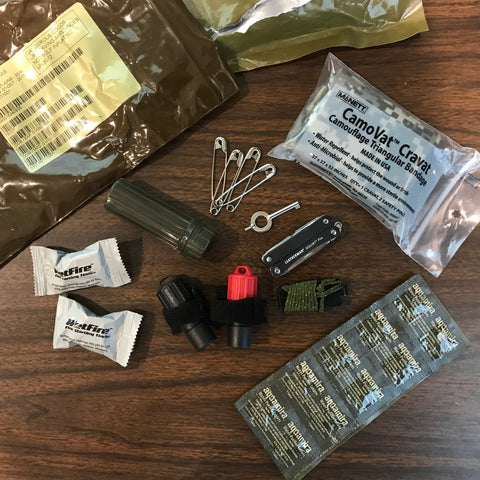
Credit: hamradio.my
Customizing Kits For Different Environments
Customizing your survival kit to fit the environment you’ll face can make all the difference when emergencies strike. Different settings demand unique tools and supplies to keep you safe and functional. Tailoring your kit means you’re prepared for the specific challenges that come with your surroundings.
Urban Survival Kits
In a city, your survival kit should focus on tools that help with situations like power outages, civil unrest, or getting stuck without transportation. Think about adding items such as a reliable flashlight, a whistle to signal for help, and a small first-aid kit for minor injuries.
Urban environments often require you to blend in and stay mobile. Compact, lightweight gear like multi-tools, portable phone chargers, and water purification tablets can be lifesavers. Have you considered how easy it would be to carry your kit daily without it weighing you down?
Wilderness Survival Kits
Nature throws different challenges your way, such as exposure to the elements and limited access to clean water. Your kit should include essentials like a fire starter, a sturdy knife, and a space blanket to keep warm.
Don’t forget navigation aids like a compass or GPS device. These items can prevent you from getting lost and help you find your way back. Have you ever found yourself wishing you had a way to make fire or signal for help when hiking?
Travel And Vehicle Kits
When you’re on the road, your survival kit needs to address potential car troubles and unexpected delays. Include items like jumper cables, a tire repair kit, and reflective warning triangles to alert other drivers if you break down.
Also, pack non-perishable snacks, bottled water, and a compact first-aid kit. These essentials keep you safe and comfortable during long waits or sudden emergencies. Do you know exactly what your car kit contains and if it fits your usual travel routes?
Maintaining And Updating Your Kit
Maintaining and updating your survival kit is essential to keep it reliable. A kit with expired or broken items can fail you in an emergency. Regular checks help ensure everything is ready to use when needed.
Items like food, water, and medicine have expiration dates. Replace them before they go bad. Batteries lose power over time and should be swapped out regularly. Also, inspect tools and equipment for damage.
Stay aware of changing needs. Your survival kit should match your current lifestyle and environment. Update it if you move to a new area or have new family members. Adjust items based on weather or local risks.
Checking Expiration Dates
Look at every product’s expiration date. Mark your calendar to review these dates monthly. Replace anything that is close to expiring. This keeps your kit safe and effective.
Testing And Replacing Equipment
Test flashlights, radios, and other gear often. Replace batteries yearly or when performance drops. Fix or swap out broken tools quickly. Functional gear means better chances in a crisis.
Adapting To Changing Needs
Review your kit after life changes. Add items for babies, pets, or new medical conditions. Consider climate shifts and local dangers. A kit tailored to your situation works best.
Organizing And Storing Properly
Keep your survival kit clean and dry. Use waterproof containers for sensitive items. Arrange items so you find them fast. Proper storage extends the life of your supplies.
Psychological Benefits Of Being Prepared
Having a survival kit isn’t just about physical readiness—it profoundly impacts your mental state. Knowing you have the essentials ready creates a strong sense of control in unpredictable situations. This mental edge can be the difference between panic and clear thinking when emergencies arise.
Reduced Anxiety And Stress
Carrying a survival kit helps lower your anxiety levels. You won’t constantly worry about what might happen because you already have basic needs covered. This peace of mind frees your brain to focus on problem-solving instead of fear.
Boosted Confidence And Self-reliance
When you prepare a survival kit, you build confidence in your ability to handle tough situations. You feel capable rather than helpless. This self-reliance motivates you to take further steps in preparedness and resilience.
Improved Decision-making Under Pressure
Stress clouds judgment, but preparedness sharpens it. With a survival kit at hand, you make quicker, smarter decisions. You avoid rash choices that often lead to bigger problems.
Sense Of Security For You And Your Loved Ones
Knowing your family has a survival kit creates a shared sense of safety. It reassures everyone that you have a plan and resources to fall back on. This collective security strengthens relationships during crises.
Encourages A Preparedness Mindset
Having a survival kit encourages you to think ahead in other areas of life. You start planning for emergencies in broader ways, such as communication plans or evacuation routes. This mindset turns readiness into a habit, not a one-time action.
Think about the last time you felt completely unprepared for a sudden problem. How would your reaction differ if you had a survival kit ready? Preparing mentally through a kit can calm your mind and empower your actions.

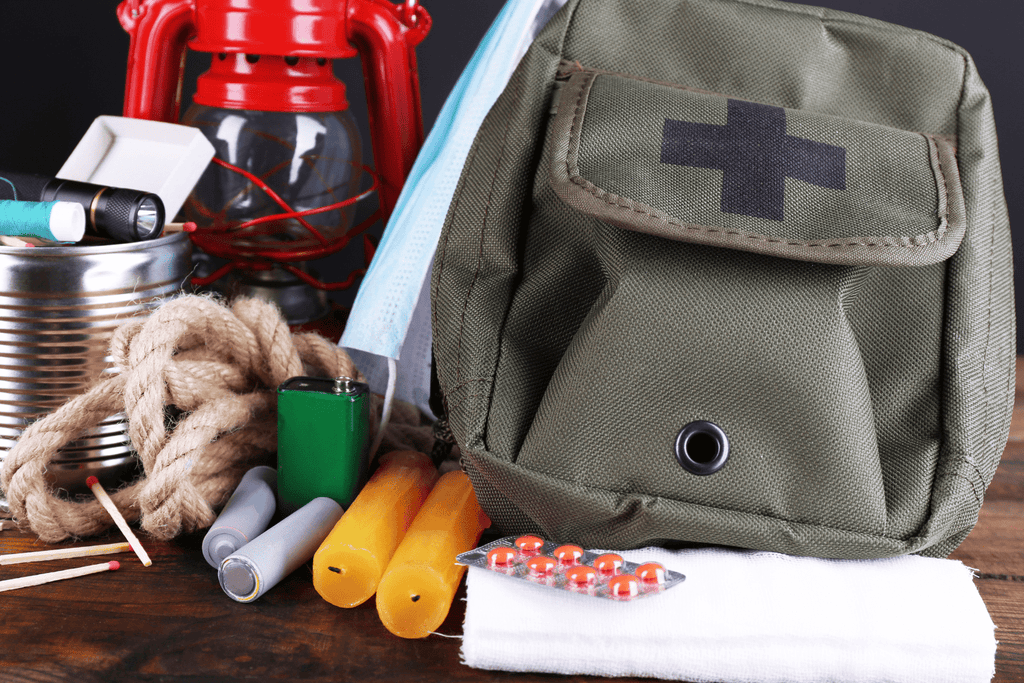
Credit: www.servpro.com
Frequently Asked Questions
What Are The Essential Items In A Survival Kit?
A survival kit should include water, food, first aid supplies, fire starters, and a flashlight. These items ensure safety and basic needs during emergencies. Having these essentials helps you stay prepared and increases your chances of survival in unexpected situations.
How Does A Survival Kit Improve Emergency Preparedness?
A survival kit provides necessary tools and supplies for emergencies. It helps you respond quickly and efficiently. Being prepared reduces panic and enhances your ability to manage crises. It ensures you have what you need to survive until help arrives.
Why Should Everyone Have A Personal Survival Kit?
Everyone can face unexpected emergencies like natural disasters or accidents. A personal survival kit ensures you have vital supplies to stay safe. It promotes self-reliance and peace of mind. Having one means you are ready for various survival scenarios.
Can A Survival Kit Save Lives During Disasters?
Yes, a survival kit can save lives by providing crucial resources. It helps maintain health, hydration, and warmth. Timely access to supplies prevents worsening conditions. A well-stocked kit is often the difference between life and death in disasters.
Conclusion
Having a survival kit can save lives in tough times. It keeps you ready for emergencies and unexpected events. You feel safer knowing you have basic tools and supplies. A small kit fits in your car, home, or backpack easily.
Simple items like water, food, and a flashlight help a lot. Taking a little time to prepare today avoids big problems later. Stay calm and act fast when disaster strikes. Being prepared means protecting yourself and those you care about.
Survival kits are smart, simple, and worth the effort.