Imagine being the first person to help someone in an emergency. Do you know what steps to take that could save their life?
Understanding the Chain of Survival for First Aid is crucial—it’s a simple, powerful sequence of actions that can make all the difference between life and death. You’ll discover exactly what the Chain of Survival is, why each link matters, and how you can act quickly and confidently when every second counts.
Keep reading, because knowing this could turn you into a real-life hero when it matters most.

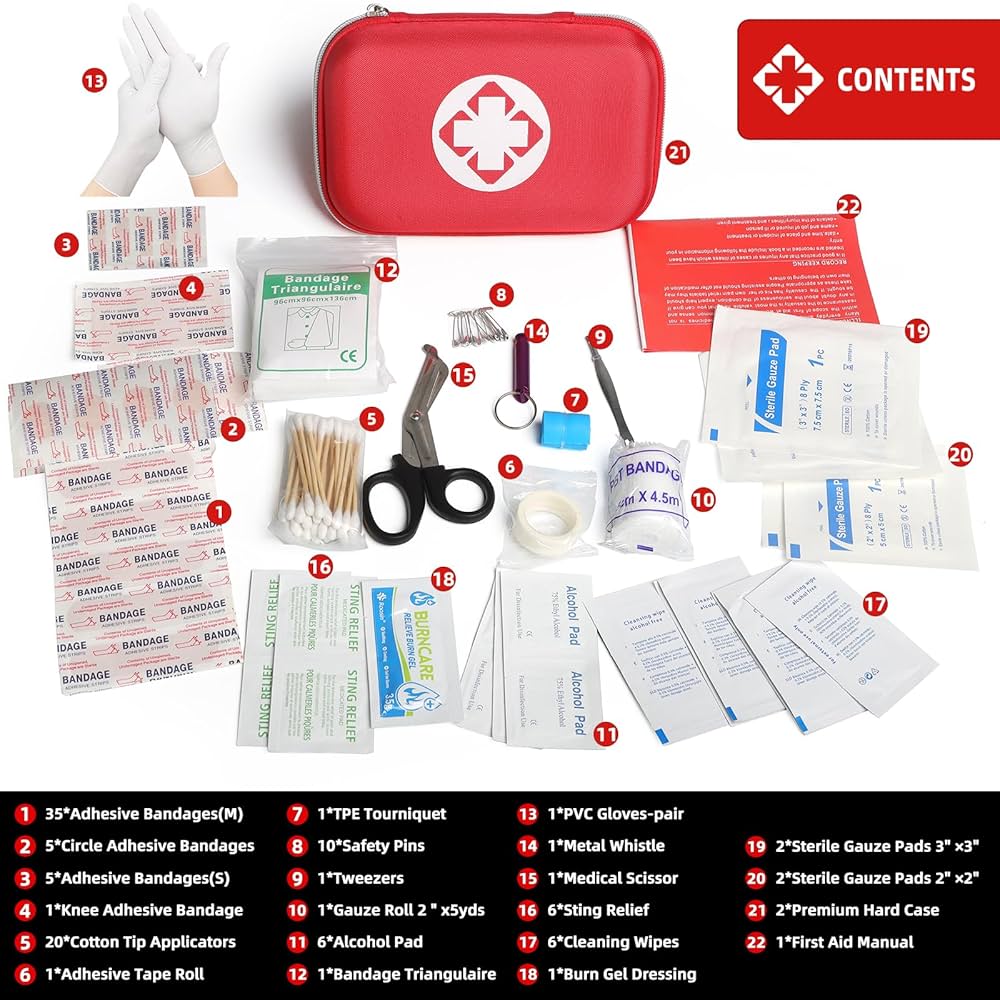
Credit: www.amazon.ca
Chain Of Survival Basics
The Chain of Survival is a simple yet powerful concept in first aid. It guides people through important steps to help save lives during emergencies. Understanding its basics helps responders act quickly and correctly. Each link in the chain plays a vital role in improving the chance of survival. This section breaks down the key elements and their importance.
Key Life-saving Links
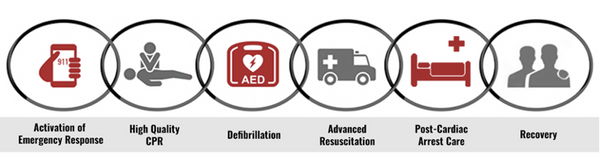
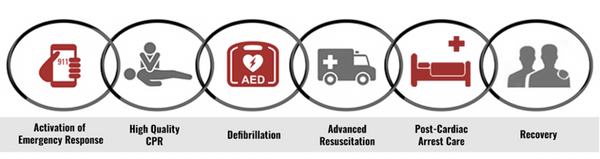
- Early recognition of the emergency and calling for help
- Immediate CPR to keep blood flowing
- Rapid defibrillation to restore heart rhythm
- Effective advanced life support by medical professionals
- Post-cardiac arrest care for recovery
Each link must work well to increase survival chances. Missing one can reduce the chance of saving a life.
Importance In First Aid
The Chain of Survival creates a clear plan to follow during emergencies. It helps by:
- Reducing delays in treatment
- Guiding untrained bystanders on what to do
- Improving coordination among responders
- Increasing survival and recovery rates
Following the chain ensures quick and effective help. It turns a confusing situation into a manageable one.

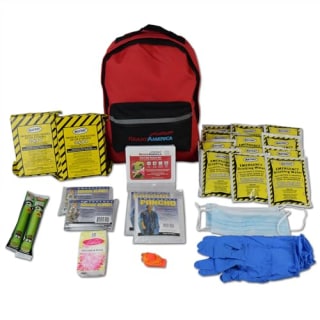
Credit: www.amazon.ca
Early Recognition And Alert
Early recognition and alert are vital steps in the Chain of Survival for first aid. Spotting an emergency quickly and notifying the right people can save lives. Acting fast gives the victim the best chance for effective help.
Knowing how to identify emergencies and call for help correctly is crucial. It starts with paying attention to unusual signs and responding without delay. The sooner help arrives, the better the outcome.
Identifying Emergencies
Recognizing an emergency means noticing sudden changes in health or behavior. Look for signs like:
- Unconsciousness or unresponsiveness
- Severe bleeding
- Difficulty breathing
- Chest pain or pressure
- Sudden weakness or paralysis
Trust your instincts. If something feels wrong, it probably is. Acting early can prevent the situation from getting worse.
Calling For Help
Once an emergency is identified, alerting emergency services is the next step. Follow these tips:
- Stay calm and speak clearly
- Give your exact location
- Describe the emergency and victim’s condition
- Answer all questions from the dispatcher
- Follow any instructions given
Calling for help quickly brings trained responders to the scene. It also allows you to get advice on what to do next.
Immediate Cpr
Immediate CPR is a vital link in the Chain of Survival for first aid. It helps keep blood flowing to the brain and organs until professional help arrives. Acting fast increases a person’s chance to survive a cardiac emergency.
In the critical moments following a cardiac arrest, every second counts. Immediate CPR (Cardiopulmonary Resuscitation) can double or even triple a victim’s chance of survival. The Chain of Survival emphasizes the importance of this immediate response. Knowing how to perform CPR effectively is a skill that could save a life.Chest Compressions Technique
The cornerstone of CPR is proper chest compressions. Start by placing the heel of your hand on the center of the victim’s chest, then place your other hand on top. Interlock your fingers and keep your elbows straight. Push hard and fast, aiming for a depth of about 2 inches and a rate of 100-120 compressions per minute. Remember to allow the chest to fully recoil between compressions. This ensures maximum blood flow to the brain and vital organs. Strive to maintain a consistent rhythm; think of a song with a similar beat, like “Stayin’ Alive” by the Bee Gees. This can help keep you on track during a stressful situation.Rescue Breaths
Rescue breaths are an essential part of CPR, ensuring oxygen reaches the lungs. After 30 chest compressions, give two rescue breaths. Tilt the victim’s head back slightly to open the airway, and pinch their nose closed. Seal your lips around the victim’s mouth and give a breath lasting about one second. Watch for the chest to rise, indicating air has entered the lungs. If the chest does not rise, reposition the head and try again. Balancing chest compressions with rescue breaths can be challenging but is crucial for effective CPR. If you’re unsure, remember that compressions take priority over breaths. Would you be ready to act if the need arose? Knowing these techniques can make all the difference.Rapid Defibrillation
Rapid defibrillation is a critical link in the Chain of Survival for first aid. It involves delivering an electric shock to the heart to restore a normal rhythm during sudden cardiac arrest. Acting quickly can significantly increase the chance of survival and reduce brain damage.
Using An Aed
An Automated External Defibrillator (AED) is designed for easy use by anyone, even without medical training. You just turn it on, follow the voice prompts, and apply the pads to the person’s bare chest. The AED analyzes the heart’s rhythm and tells you if a shock is needed.
Knowing where AEDs are located in public places like airports, malls, and schools can save precious time. Have you ever noticed AED signs around you? Being familiar with their locations can make you ready to act without hesitation.
When To Defibrillate
Defibrillation is necessary only when the heart is in a specific irregular rhythm called ventricular fibrillation or pulseless ventricular tachycardia. If the AED advises a shock, deliver it immediately and then continue CPR as instructed.
Delaying defibrillation even by a few minutes lowers survival chances drastically. Can you imagine how powerful those few seconds are in saving a life? The key is to act fast and stay calm while using the AED.
Effective Advanced Care
Effective advanced care is a crucial link in the chain of survival during a medical emergency. It bridges the gap between initial first aid and full recovery, ensuring that the patient receives the specialized treatment needed to stabilize and heal. Understanding what happens at this stage can help you appreciate the importance of quick, coordinated action beyond the first response.
Role Of Emergency Responders
Emergency responders are often the first professionals you’ll encounter after initial first aid. They bring essential equipment and skills to the scene, such as advanced airway management, administering medications, and using defibrillators. Their ability to assess the patient’s condition quickly and provide lifesaving interventions can significantly improve survival chances.
Imagine a situation where a bystander has started CPR but the patient’s heart rhythm is irregular. Emergency responders can use a defibrillator to restore a normal heartbeat, something you can’t do without proper training and equipment. Their timely arrival and actions often make the difference between life and death.
Hospital Interventions
Once the patient arrives at the hospital, a team of specialists takes over with advanced diagnostics and treatments. These may include surgical procedures, medication administration, and continuous monitoring in intensive care units. The goal is to treat the underlying cause of the emergency and prevent further complications.
Think about a heart attack victim who has been stabilized by emergency responders. In the hospital, they might undergo procedures like angioplasty to open blocked arteries. This advanced care not only saves lives but also improves long-term recovery outcomes.
Post-resuscitation Support
Post-resuscitation support is a vital part of the Chain of Survival. It starts after the heart begins beating again. The goal is to help the patient recover fully and avoid further problems. Careful attention during this phase can improve long-term outcomes and reduce risks.
Monitoring Recovery
Close monitoring ensures the patient’s condition stays stable. Vital signs like heart rate, breathing, and blood pressure need frequent checks. Medical teams watch for changes in consciousness or new symptoms.
Tools such as ECG and pulse oximetry provide continuous data. Nurses and doctors use this information to adjust treatments quickly. Early detection of problems can save lives.
Preventing Complications
After resuscitation, the body is still fragile. Preventing complications is critical to avoid setbacks. Common issues include infections, organ failure, and brain injury.
Steps to prevent problems include:
- Keeping the airway clear and lungs healthy
- Managing fluids and electrolytes carefully
- Controlling body temperature to reduce brain damage
- Using medications to support heart and brain function
Timely interventions improve chances of a full recovery.
Improving Survival Rates
Improving survival rates in emergencies depends on quick and effective action. The Chain of Survival is a series of steps that increase the chance of saving lives. Each link in this chain is vital. Strengthening these links can lead to better outcomes for victims of sudden health crises.
Community Training
Teaching basic first aid and CPR to community members saves lives. Trained people act fast and confidently during emergencies. Training sessions should be simple and easy to follow.
- Learn how to recognize emergencies quickly.
- Practice CPR and how to use an AED.
- Understand how to call for help properly.
More trained individuals mean faster help for those in need. Communities with more first aid knowledge see higher survival rates.
Spreading Awareness
Awareness campaigns inform the public about the Chain of Survival steps. Clear messages encourage people to act immediately in emergencies. Sharing real stories helps people understand the importance of quick response.
- Use schools, workplaces, and social groups to share information.
- Distribute easy-to-read materials on first aid basics.
- Promote the importance of calling emergency services without delay.
When everyone knows what to do, more lives can be saved. Awareness creates a culture of readiness and care in the community.

Credit: www.msdmanuals.com
Frequently Asked Questions
What Is The Chain Of Survival In First Aid?
The Chain of Survival is a series of critical actions to improve survival rates. It includes early recognition, calling for help, early CPR, defibrillation, and advanced care.
Why Is Early Cpr Important In The Chain Of Survival?
Early CPR maintains blood flow to vital organs. It increases the chance of survival until professional help arrives.
How Does Defibrillation Fit Into The Chain Of Survival?
Defibrillation restores a normal heart rhythm during cardiac arrest. Timely use significantly improves survival chances.
Who Should Know The Chain Of Survival Steps?
Everyone should learn these steps to provide immediate help during emergencies. It saves lives and reduces complications.
Conclusion
The Chain of Survival saves lives in emergencies. Acting fast increases a person’s chance to live. Each step is important and works together. Knowing these steps helps you respond better. Stay calm, call for help, and give aid. Practice first aid skills often to stay ready.
Everyone can make a difference in a crisis. Remember, quick action can save a life today.