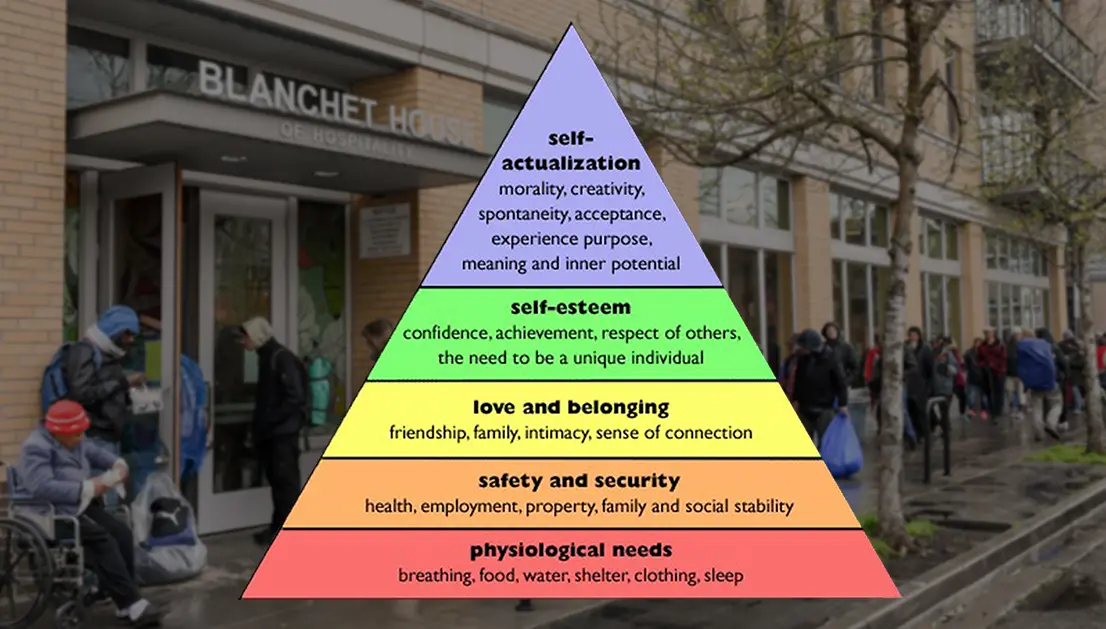
Have you ever stopped to think about why shelter is more than just a place to sleep? Your shelter does much more than protect you from rain or cold.
It’s a lifeline that keeps you safe, healthy, and comfortable every single day. Without it, your body and mind would struggle to cope with the world’s challenges. You’ll discover the powerful reasons why shelter is essential for your survival—and why it matters more than you might realize.
Keep reading to uncover how your shelter shapes your life in ways you never expected.

Credit: www.youtube.com
Role Of Shelter In Human Survival
The role of shelter in human survival goes beyond just having a roof over your head. It is a fundamental need that directly impacts your health, safety, and overall well-being. Shelter acts as a barrier and a buffer, allowing you to live and thrive in different environments.
Protection From Environmental Elements
Think about how shelter keeps you safe from harsh weather like rain, snow, wind, and sun. Without it, your body would be exposed to these elements, leading to illnesses or injuries. Imagine standing outside during a heavy storm—your shelter acts as the shield that keeps you dry and healthy.
Good shelter also helps you avoid long-term effects from exposure, such as sunburn or frostbite. It gives you a controlled space where you can rest and recover after being outside.
Safety From Predators And Threats
In many parts of the world, shelters serve as a protective barrier against animals and other threats. Even in urban settings, shelter keeps you safe from dangers like theft or unwanted intrusions. It creates a secure environment where you can feel at ease.
Have you ever noticed how you immediately feel safer once you step inside your home after being outside? That sense of security is one of the most important roles of shelter in survival.
Regulation Of Body Temperature
Your body needs to maintain a stable temperature to function well. Shelter helps you do this by providing insulation from extreme heat or cold. Without shelter, your body has to work much harder to stay warm or cool, which can be exhausting and dangerous.
Think about how you use blankets, heaters, or fans inside your home to stay comfortable. These simple tools rely on the shelter’s structure to be effective in regulating your body temperature.

Credit: www.youtube.com
Shelter And Human Health
Shelter plays a crucial role in protecting human health. It provides a safe space from harsh weather and environmental dangers. A stable shelter supports physical well-being and emotional balance. This section explores how shelter impacts health in various ways.
Prevention Of Illness And Disease
A proper shelter helps block cold, heat, and rain. It reduces exposure to harmful germs and insects. Clean water and sanitation inside a shelter lower infection risks. Shelter stops the spread of diseases like flu, malaria, and diarrhea. Without shelter, people face more health problems and hospital visits.
Mental Health Benefits
Feeling safe at home lowers stress and anxiety. Shelter offers privacy and a place to relax. This peace helps improve mood and mental strength. People with stable shelter sleep better and think clearly. Lack of shelter can lead to fear, depression, and loneliness.
Impact On Child Development
Children need safe shelter to grow and learn. A warm, dry home supports their physical growth. Shelter protects children from harmful weather and sickness. It provides a quiet place for study and play. Without shelter, children face delays in learning and health issues.
Shelter As A Social And Cultural Need
Shelter goes beyond just providing physical protection; it plays a vital role in shaping our social lives and cultural identities. The places where we live influence how we connect with others, express who we are, and carry forward traditions. Understanding shelter as a social and cultural need helps you see how deeply it affects your daily experiences and sense of belonging.
Building Communities And Social Bonds
Where you live affects how you build relationships. Neighborhoods, apartment complexes, and communal living spaces create opportunities to meet and support each other. These shared environments encourage trust and cooperation, making your community stronger.
Think about a local gathering spot—maybe a park or community center—that brings people together regularly. These places help form friendships, provide support networks, and foster a sense of safety. Could your shelter design encourage more interaction and connection?
Cultural Identity And Expression
Your shelter reflects your cultural background and personal identity. The style, materials, and layout often tell a story about your history and values. This expression helps preserve cultural heritage and gives you a unique sense of pride.
For example, traditional homes in various regions use specific colors, decorations, or construction techniques that symbolize their culture. When you see these elements, you recognize the community’s shared past. How can you bring your culture’s identity into your living space?
Shelter In Traditions And Rituals
Many customs revolve around the home and shelter. Celebrations, family gatherings, and rites of passage often happen within these spaces, making them central to cultural continuity. The shelter becomes a stage for rituals that define relationships and community roles.
Imagine a family that gathers every evening in the living room for storytelling or a special meal during holidays. These moments create memories and pass down values. What rituals in your life make your shelter feel like a true home?
Shelter In Different Environments
Shelter plays a crucial role in how we live, protecting us from the elements and providing safety. But not all shelters are the same. Different environments demand different types of shelters to meet unique challenges and lifestyles.
Urban Vs. Rural Shelters
Urban shelters often focus on maximizing space and efficiency. Apartments, high-rises, and townhouses are common, designed to fit many people into limited areas.
Rural shelters, on the other hand, tend to be more spread out. Houses might include larger yards, barns, or additional structures for farming or animals. The needs for storage and connection to nature shape these homes differently.
Have you noticed how your living space affects your daily routine? Urban living pushes you to adapt to smaller spaces, while rural settings offer more room but sometimes less immediate access to services.
Adaptations To Climate And Geography
Where you live changes how your shelter is built. In cold climates, thick walls and insulation keep warmth inside. Roofs might be steep to prevent snow buildup.
Hot climates require open designs for airflow and materials that reflect sunlight. In rainy regions, shelters often have raised floors and sloped roofs to avoid flooding.
Think about your local weather. Does your home protect you well, or could it use adjustments to better handle the climate?
Innovations In Shelter Design
New materials and technology are changing shelter design. Solar panels, smart thermostats, and energy-efficient windows help reduce costs and environmental impact.
Modular homes and 3D printing allow faster, customizable building. These innovations can make shelter more accessible and tailored to your needs.
What features would improve your current shelter? Considering innovations might inspire you to upgrade or rethink your living space.
Challenges To Accessing Shelter
Access to safe shelter is a basic human need, but many face barriers to finding a home. These challenges make survival difficult and affect daily life. Understanding these obstacles helps us see why shelter is crucial and why many struggle to secure it.
Homelessness And Poverty
Many people cannot afford a home due to low income. Jobs may not pay enough to cover rent and bills. Homelessness results when people lose their housing and have no alternatives. This cycle is hard to break without help and resources.
Natural Disasters And Displacement
Floods, earthquakes, and storms destroy homes quickly. People lose shelter and must find new places to live. Displacement forces families into temporary shelters or unsafe conditions. Recovery can take years, leaving many without stable housing.
Policy And Housing Inequality
Rules and laws affect who can access housing. Some policies favor wealthy individuals or certain groups. Housing inequality means many people face discrimination and unfair treatment. This blocks equal chances to find safe, affordable homes.

Credit: www.reddit.com
Future Of Shelter
The future of shelter is shaping how people live and protect themselves. It blends nature, technology, and care for the planet. This new wave of shelter focuses on safety, comfort, and long-term survival. Better homes mean healthier lives and stronger communities. The future holds many changes that will make shelter more accessible and eco-friendly.
Sustainable Building Practices
Building with nature in mind saves resources and money. Using materials like bamboo, recycled wood, and earth reduces waste. Designs that use less energy and water help the environment. Green roofs and walls cool homes naturally. Solar panels and rainwater systems cut utility bills. These practices make homes last longer and stay healthy.
Technology And Smart Homes
Technology makes homes safer and easier to live in. Smart sensors monitor air quality and adjust lighting. Automated systems control heating and cooling for comfort. Security cameras and alarms keep families protected. Voice commands and apps allow easy control of devices. Smart homes save energy and time every day.
Global Efforts For Shelter Accessibility
Many groups work to build homes for people in need. They focus on low-cost, quick, and strong shelters. Using local materials and simple designs speeds construction. Governments and charities join forces to fund projects worldwide. Education on building skills helps communities grow. These efforts bring shelter to millions without homes.
Frequently Asked Questions
Why Is Shelter Essential For Human Survival?
Shelter protects us from harsh weather and extreme temperatures. It provides safety from predators and environmental hazards. It also offers a secure space to rest, store food, and maintain health, which are vital for survival.
How Does Shelter Improve Health And Well-being?
Shelter reduces exposure to cold, heat, and rain, preventing illnesses. It offers a clean, safe environment, reducing infections and stress. Proper shelter supports mental health by providing comfort and stability.
What Role Does Shelter Play In Safety?
Shelter acts as a barrier against physical dangers like animals and intruders. It safeguards belongings and creates a secure environment for families. This protection is crucial for personal and emotional security.
Can Shelter Impact Social And Economic Stability?
Yes, shelter provides a base for education and work activities. It fosters community development and social interaction. Stable housing also improves economic opportunities and quality of life.
Conclusion
Shelter protects us from harsh weather and keeps us safe. It gives warmth during cold nights and shade on hot days. People need shelter to stay healthy and avoid sickness. A safe place helps families feel secure and calm. Without shelter, life becomes much harder and dangerous.
Everyone deserves a place to call home and feel protected. Shelter is not just a need; it is a key to survival. Simple, strong, and steady—it helps us live and grow.


