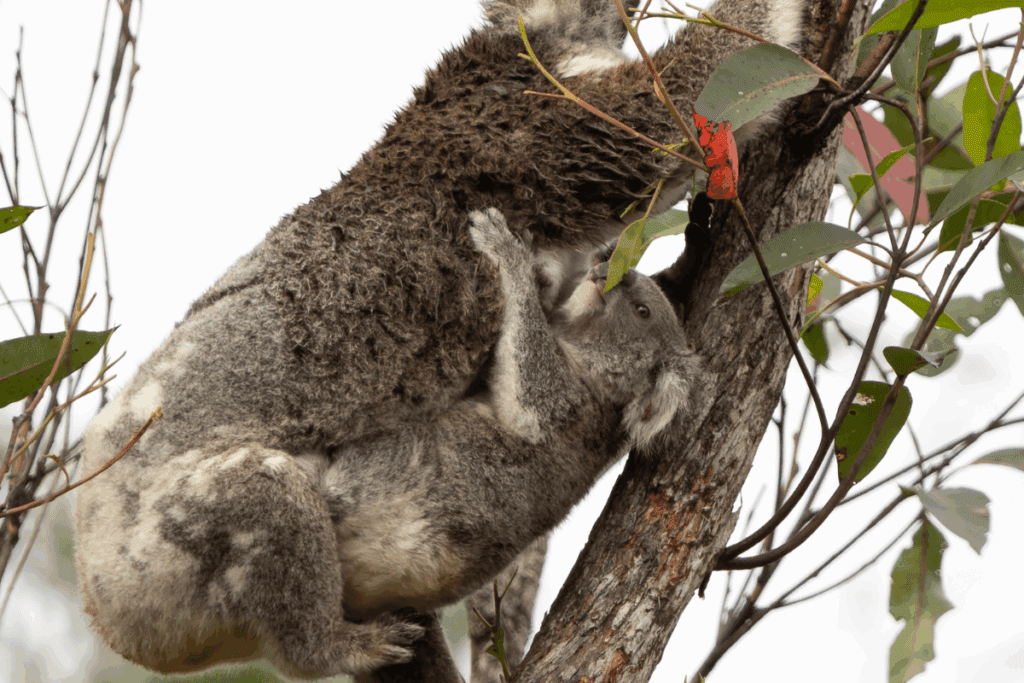
Have you ever wondered what it really takes for a koala to survive? These unique animals don’t just need any food or shelter—they have very specific needs that keep them healthy and safe.
If you care about koalas and want to understand how you can help protect them, it’s important to know exactly what they require to live. Keep reading, and you’ll discover the surprising details about their diet, habitat, and more. This knowledge could change how you see these charming creatures forever.
Credit: friendsofthekoala.org
Habitat Requirements
Koalas rely heavily on their habitat to meet their basic needs like food, shelter, and safety. Without the right environment, their chances of survival drop significantly. Understanding what kind of habitat koalas require can help you appreciate why preserving these areas is crucial for their well-being.
Preferred Tree Species
Koalas don’t eat just any tree leaves. They have a strong preference for certain eucalyptus species, which provide the specific nutrients and moisture they need.
- Blue Gum (Eucalyptus globulus)
- Mountain Ash (Eucalyptus regnans)
- Messmate (Eucalyptus obliqua)
If you’ve ever noticed how picky koalas are, it’s because these trees supply their entire diet. Without these preferred species, koalas struggle to get enough nutrition, which directly affects their health.
Shelter And Safety
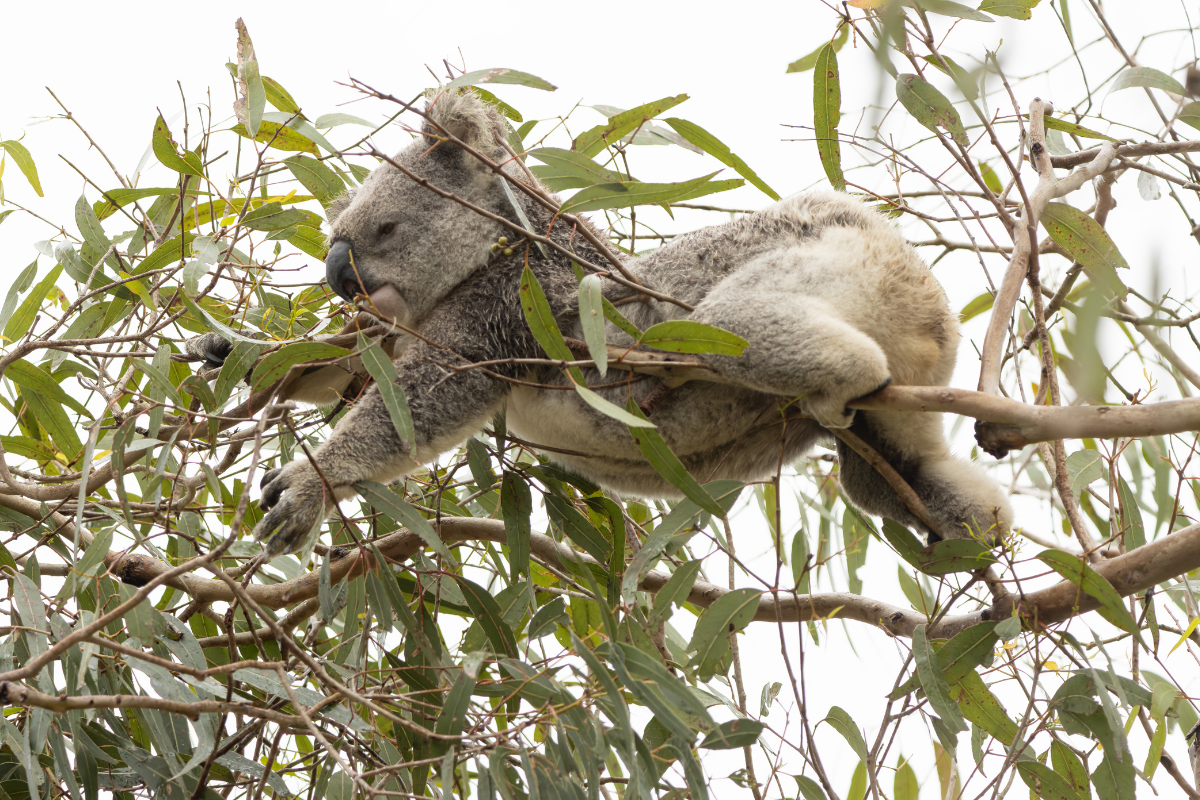
Koalas need more than just food; they require safe places to rest and avoid predators. Dense foliage and sturdy branches offer perfect shelter, allowing them to sleep securely for up to 20 hours a day.
Have you thought about how vulnerable they would be without thick tree cover? Shelter also protects them from harsh weather like heat and rain, which is vital in their natural habitat.
Territory Size
Each koala maintains a territory that provides enough food and shelter for their needs. These home ranges can vary widely—from less than one hectare to several hectares—depending on food availability.
Smaller territories mean koalas spend less energy moving around, which helps them conserve energy. Have you ever wondered how habitat fragmentation affects their ability to find enough space? When habitats shrink, koalas face higher stress and competition.
Diet Essentials
Understanding what koalas need to survive starts with their diet essentials. Their food choices directly impact their health, energy, and overall survival. Let’s take a closer look at the key components of a koala’s diet and how these affect their daily life.
Eucalyptus Leaves
Eucalyptus leaves are the main food source for koalas. They eat only select types of eucalyptus, choosing leaves that are tender and nutrient-rich. Not all eucalyptus leaves are safe; some contain toxins that koalas have learned to avoid.
Because eucalyptus leaves are low in calories, koalas spend most of their day resting to conserve energy. Have you ever wondered how they manage to survive on such a limited diet?
Water Intake
Koalas get most of their water from eucalyptus leaves, which have high moisture content. They rarely drink water directly, especially during wet seasons. However, during droughts or extreme heat, koalas will seek out water sources to stay hydrated.
It’s surprising how this adaptation allows koalas to live in areas where water is scarce. What would happen if their natural water supply disappeared?
Nutritional Needs
Despite their narrow diet, koalas need a balance of nutrients to stay healthy. Eucalyptus leaves provide fiber, which aids digestion, but they are low in protein and fat. Koalas have a specially adapted digestive system to extract maximum nutrition from these tough leaves.
To keep their gut bacteria healthy, koalas sometimes consume a substance called “pap” from their mothers. This helps young koalas digest eucalyptus leaves efficiently. Could such a unique dietary habit be the reason they thrive where others can’t?
Climate Conditions
Koalas live in environments shaped by specific climate conditions. These conditions affect their health, behavior, and survival. Understanding these factors helps us protect koalas and their homes.
Temperature Range
Koalas thrive in mild to warm temperatures. They prefer ranges between 18°C and 30°C. Extreme heat or cold can stress them. Too much heat makes koalas rest more to save energy. Cold weather slows their movement and feeding.
Rainfall And Humidity
Rainfall affects the quality of eucalyptus leaves, koalas’ main food. Moderate rain helps leaves stay fresh and nutritious. High humidity can cause fungal growth on leaves, which harms koalas. Low rainfall can dry out leaves and reduce food supply.
Seasonal Adaptations
Koalas adapt to changing seasons to survive. In hot summers, they seek shade and stay inactive during the day. In cooler months, they grow thicker fur for warmth. They change their eating habits based on leaf availability. These adaptations keep koalas healthy year-round.
Health And Wellbeing
Koalas depend on good health for survival in the wild. Their wellbeing affects how they find food, shelter, and care for their young. Healthy koalas live longer and avoid dangers from sickness and stress. Understanding their health needs helps protect these unique animals.
Common Diseases
Koalas often suffer from chlamydia, a bacterial infection. It causes blindness, infertility, and sometimes death. Koalas also get koala retrovirus (KoRV), which weakens their immune system. Parasites like ticks and mites can irritate their skin. Healthy habitat and diet reduce disease risks.
Stress Factors
Stress weakens koalas and makes illness more likely. Loud noises, habitat loss, and predators cause stress. Climate changes like heat waves and droughts add pressure. Stress affects their eating and sleeping habits. Calm, safe environments help koalas stay healthy.
Reproduction And Offspring Care
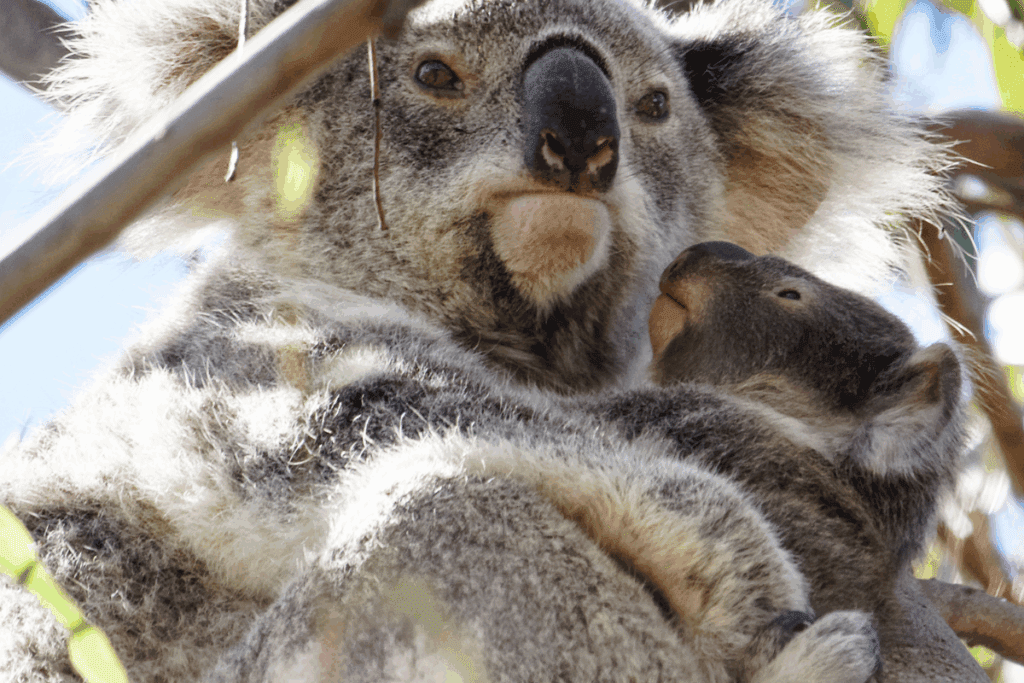
Female koalas care deeply for their babies. A joey stays in the mother’s pouch for six months. After that, it rides on her back for another six months. Mothers teach joeys how to find food and stay safe. Healthy mothers produce strong babies ready for survival.
Human Impact
Humans have a big effect on koalas’ survival. Our actions change their homes and food sources. These changes make it hard for koalas to live and grow. Understanding this impact helps us protect them better.
Habitat Loss
Koalas need eucalyptus forests to live and eat. Human activities cut down these forests for cities and farms. This loss leaves koalas with less food and shelter. They must travel farther to find safe places. Many koalas get hurt or lost during this search.
Conservation Efforts
People work hard to save koalas and their homes. Protecting forests is one way to help. Some groups plant new trees and create safe zones. Wildlife hospitals treat injured koalas. These efforts aim to keep koalas safe and healthy.
Coexistence Challenges
Living near humans is hard for koalas. Roads and cars cause accidents. Pets like dogs can harm koalas. Noise and light disturb their natural habits. Finding ways to live together is very important. We need to respect koalas’ space and needs.
Credit: friendsofthekoala.org

Credit: koalaconservationaustralia.org.au
Frequently Asked Questions
What Food Do Koalas Need To Survive?
Koalas primarily eat eucalyptus leaves, which provide necessary nutrients and water. They prefer specific eucalyptus species, relying on these leaves for energy and hydration.
How Do Koalas Find Shelter In The Wild?
Koalas use eucalyptus trees for shelter, resting in branches to avoid predators. These trees offer protection from harsh weather and safe resting spots.
Why Is Water Important For Koalas’ Survival?
Koalas get most water from eucalyptus leaves but drink from water sources during droughts. Hydration is crucial for their health and body functions.
What Habitat Conditions Support Koalas’ Survival?
Koalas need forests with abundant eucalyptus trees and low human disturbance. Healthy habitats provide food, shelter, and breeding areas essential for their survival.
Conclusion
Koalas need clean water, safe shelter, and plenty of eucalyptus leaves. These elements help them stay healthy and strong. Protecting their homes is key to their survival. Without food and shelter, koalas cannot live well. People can help by keeping forests safe and clean.
Small actions make a big difference for koalas. They depend on nature’s balance every day. Taking care of koalas means taking care of our environment too. Their survival is a shared responsibility for us all.


