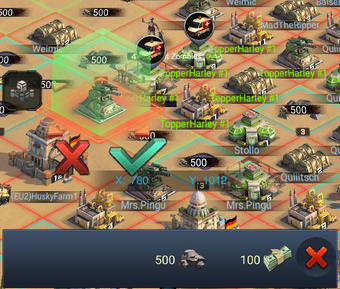
Have you ever wondered what it would be like to survive in a world turned upside down by disaster? “Last Shelter Survival Doomsday” puts you right in the middle of that challenge.
This game isn’t just about fighting—it’s about strategy, building, and making tough decisions to keep your people alive. If you want to know how to master this intense survival experience and protect your shelter from endless threats, keep reading. Your next move could mean the difference between life and total collapse.
Game Basics
Understanding the basics of Last Shelter Survival Doomsday is essential before diving into its complex world. This game challenges you to manage resources, build your base, and defend against threats in a post-apocalyptic setting. Getting familiar with the core gameplay, objectives, and user interface will help you make smarter decisions and enjoy the experience more.
Core Gameplay Mechanics
At its heart, Last Shelter Survival Doomsday is a strategy game where you build and upgrade your base. You gather resources like food, wood, and metal to strengthen your defenses and expand your territory.
You’ll also train troops to protect your base or launch attacks against enemies. Managing your time and resources efficiently is crucial because every decision affects your survival chances.
Have you ever felt overwhelmed by too many tasks at once? This game tests your multitasking skills, forcing you to prioritize what’s most important.
Main Objectives
Your primary goal is to survive and grow stronger in a hostile environment. You must protect your base from zombie hordes and rival players who want to conquer your land.
Completing missions and joining alliances gives you advantages like extra resources and backup during attacks. Progressing through the game means upgrading buildings, researching new technologies, and expanding your army.
What strategies will you use to balance offense and defense? Your choices here shape how your empire rises or falls.
User Interface Elements
The game’s interface is designed to keep vital information at your fingertips. You’ll find resource bars at the top, showing your current supplies and how fast they are being consumed.
Menus allow quick access to building options, troop management, and alliance chats. Notifications alert you about attacks, completed tasks, or special events, keeping you informed without overwhelming you.
Do you prefer a clean, simple interface or one packed with detailed stats? The game strikes a balance, letting you focus on action while staying aware of your overall situation.
Building Your Base
Building your base in Last Shelter Survival Doomsday sets the foundation for your success. It’s not just about stacking walls and defenses; it’s about creating a living, breathing hub that supports your growth and survival. How you manage resources, design your layout, and upgrade structures can make or break your game experience.
Resource Management
Resources are the lifeblood of your base. You need a steady flow of food, wood, metal, and oil to keep everything running smoothly.
- Prioritize gathering resources early on to avoid shortages.
- Balance your resource collectors to prevent bottlenecks. For example, if wood is running low, assign more workers to lumber camps.
- Keep an eye on your storage buildings; overflowing resources mean wasted potential.
Have you ever lost a raid because your resource stores were too weak? Managing your resources tightly prevents that vulnerability.
Base Layout Tips
Your base layout influences both defense and efficiency. Placing buildings strategically can speed up production and protect your assets.
- Cluster resource production buildings close to storage to cut down transport time.
- Position defensive structures like walls and turrets around key buildings.
- Leave space for future expansions or emergency repairs.
Try experimenting with different layouts. Sometimes moving a building just one space can improve your defense or workflow drastically.
Upgrading Structures
Upgrading buildings unlocks new capabilities and stronger defenses. It’s tempting to upgrade everything at once, but focus on essentials first.
- Upgrade resource buildings to boost production rates.
- Don’t neglect your command center—higher levels unlock more advanced structures.
- Enhance defensive structures to withstand tougher attacks as your base grows.
Think about which upgrades will give you the most immediate benefit. Sometimes upgrading a warehouse to store more resources is smarter than boosting attack power right away.
Heroes And Troops
Heroes and troops are the backbone of your survival strategy in Last Shelter Survival Doomsday. Each plays a unique role in strengthening your base and expanding your influence. Understanding their capabilities helps you plan smarter and react faster during battles.
Hero Roles And Skills
Heroes bring special abilities that can turn the tide of war. Some excel at boosting resource gathering, while others enhance combat power or defense. You’ll find heroes who can heal troops or increase their speed, making them invaluable in prolonged fights.
Choosing the right hero for your current mission is key. For example, a hero with healing skills can keep your troops alive longer during tough battles. Have you tried pairing heroes with complementary skills to maximize your army’s effectiveness?
Troop Types And Strengths
Troops come in different types, each with strengths and weaknesses. Infantry are versatile and reliable for close combat. Archers offer ranged attacks, making them perfect for striking from a distance.
Cavalry units are fast and great for flanking enemies. Siege units specialize in breaking down enemy defenses. Knowing when to deploy each type can give you a strategic advantage. What combination of troops has worked best in your experience?
Training And Deployment
Training troops takes time and resources, but it’s essential for building a powerful army. Focus on upgrading your training facilities to speed up this process. Prioritize training troops that fit your battle strategy.
Deploy your troops wisely based on the mission and enemy layout. Sending the wrong units can lead to unnecessary losses. Have you experimented with different deployment tactics to find what suits your play style?

Credit: lss.fandom.com
Combat Strategies
Combat strategies in Last Shelter Survival Doomsday are vital for winning battles and protecting resources. Players must balance attack and defense while working with allies. Smart tactics help control territory and survive longer.
Each combat style offers unique benefits. Defensive tactics focus on protecting your base and troops. Offensive approaches aim to weaken enemies quickly. Alliance warfare combines forces for larger, coordinated attacks. Understanding these strategies improves gameplay and success rates.
Defensive Tactics
Defensive tactics keep your base safe from enemy attacks. Build strong walls and traps to slow down attackers. Use scouts to detect enemy movements early. Place troops strategically to cover weak spots. Upgrade defenses regularly to stay prepared for stronger enemies.
- Reinforce walls and gates
- Set traps near entry points
- Station archers and ranged units on walls
- Use scouts for early warnings
- Balance troops between defense and resource gathering
Offensive Approaches
Offensive approaches focus on attacking enemy bases to gain resources. Choose targets carefully based on enemy strength. Use a mix of troops to overcome defenses. Speed and surprise are key to successful attacks. Always scout before attacking to avoid traps and ambushes.
- Send fast units for quick raids
- Use heavy troops to break defenses
- Coordinate attacks with multiple troop types
- Scout enemy bases before attacking
- Focus on looting resources and weakening enemies
Alliance Warfare
Alliance warfare lets players team up for stronger attacks and better defense. Share resources and troops to support each other. Plan attacks together to overwhelm enemies. Defend alliance members’ bases from enemy raids. Communication and trust are key to success.
- Coordinate attacks with alliance members
- Share resources to strengthen troops
- Defend each other’s bases
- Use chat and signals for quick communication
- Plan joint strategies for bigger battles
Exploring The Map
Understanding the map in Last Shelter Survival Doomsday is key to mastering the game. It’s not just about moving your troops around but knowing where to find crucial resources, avoid dangers, and establish strongholds. Your ability to read the terrain can make the difference between thriving and being wiped out.
Resource Zones
Resource Zones are scattered across the map and are your primary source of materials like food, wood, and metal. These zones vary in size and richness, so always aim for the ones that offer the best return for your troops’ effort. Sending your scavengers to these areas early can give you a steady supply, which is vital for building and upgrading.
Think about timing too. Some zones might be less crowded, reducing the risk of attacks while gathering. Have you noticed how controlling a high-yield resource zone can boost your growth compared to just random scavenging? That control often means the difference between rapid progress and stagnation.
Enemy Camps
Enemy Camps pose a constant threat. They are filled with hostile forces that can deplete your troops if you attack unprepared. But they also offer high rewards if you successfully conquer them.
It’s smart to scout these camps first to understand the enemy strength and avoid unnecessary losses. Sometimes, avoiding a heavily fortified camp and focusing on weaker ones can conserve your forces. Have you ever lost a valuable squad because you rushed into a strong enemy camp? Learning from that can improve your strategic decisions.
Safe Zones And Hazards
Safe Zones act as shelters where your troops can rest and recover without the risk of enemy attacks. Holding these zones gives you a tactical advantage and a place to regroup. However, the map also features hazards like radiation zones and traps that can harm your units if you’re not careful.
Knowing the location of these hazards can save your troops from unexpected damage. Make it a habit to mark these areas on your map. Do you pay enough attention to these dangers, or do you often find your forces caught off guard? Being cautious here can preserve your army’s strength over time.

Credit: lss.fandom.com
Alliance Features
The Alliance Features in Last Shelter Survival Doomsday play a vital role in the game’s social and strategic aspects. Alliances bring players together to share resources, protect each other, and achieve common goals. These features enhance teamwork and make survival easier in a hostile world.
Joining And Creating Alliances
Players can join existing alliances or create their own. Joining an alliance connects players with others who have similar goals. Creating an alliance gives full control over rules and membership. Both options allow players to communicate and plan strategies.
Alliance Benefits
- Shared resources help players grow faster.
- Alliances provide protection from enemy attacks.
- Members can request help in building and defense.
- Special alliance events offer unique rewards.
- Access to alliance technology boosts overall strength.
Cooperative Missions
Alliance members work together in missions that require teamwork. These missions are designed to challenge the alliance’s skills and coordination. Successful missions grant rewards that benefit all members. Cooperation in missions builds trust and strengthens bonds.
Event And Challenges
The events and challenges in Last Shelter Survival Doomsday bring an exciting twist to the gameplay, offering you fresh goals and opportunities to test your strategic skills. These activities are designed to keep you engaged daily and push your limits beyond the usual base-building and resource management. Understanding how events and challenges work can help you maximize your rewards and progress faster.
Daily Quests
Daily quests are a core part of your routine in Last Shelter Survival Doomsday. They provide straightforward tasks like collecting resources, training troops, or participating in battles. Completing these quests consistently can boost your resource stockpile and speed up development.
What makes daily quests interesting is their variety. One day you might focus on upgrading your base, and the next, you’re defending against enemy raids. This variety keeps the game fresh and encourages you to explore different strategies.
Special Events
Special events in Last Shelter Survival Doomsday appear periodically and often last for a limited time. These events challenge you to achieve specific objectives, such as defeating powerful bosses or gathering rare materials. They usually come with unique storylines or themes, adding depth to the gameplay.
Participating in special events requires you to plan carefully. You might need to allocate your troops differently or prioritize certain upgrades. Have you noticed how some events reward teamwork, pushing you to coordinate with other players?
Reward Systems
The reward systems tied to events and challenges motivate you to stay active and improve. Rewards can range from resources and speed-ups to exclusive gear and rare heroes. These incentives make every task feel worthwhile and push you to complete even the toughest challenges.
Rewards are often tiered, meaning your effort level directly impacts what you earn. This system encourages you to set higher goals and track your progress. How often do you push beyond the minimum just to claim those top-tier rewards?
Tips For New Players
Starting Last Shelter Survival Doomsday can feel tough. The world is harsh, and every move counts. These tips help new players build a strong base and survive longer. Focus on smart decisions early to grow fast and avoid common pitfalls. Planning ahead secures your future in the game.
Early Game Priorities
Gather resources like food, wood, and metal quickly. Upgrade your command center to unlock more features. Train basic troops to protect your base from attacks. Complete missions for extra rewards and experience. Join an alliance for support and help. Scout nearby areas to find safe spots and resources.
Common Mistakes To Avoid
- Spending all resources on one thing too soon.
- Ignoring troop training and defense upgrades.
- Neglecting alliance benefits and communication.
- Attacking stronger players without enough forces.
- Wasting speed-ups instead of saving for emergencies.
Long-term Progression
Focus on upgrading your base buildings regularly. Research new technologies to improve troops and resource production. Balance your army with different unit types. Keep resource production high to support growth. Participate in alliance events for extra bonuses. Plan your expansions carefully to avoid overextending.

Credit: www.youtube.com
Frequently Asked Questions
What Is Last Shelter Survival Doomsday Game About?
Last Shelter Survival Doomsday is a post-apocalyptic strategy game. Players build shelters, gather resources, and fight zombies. It involves alliance building, base defense, and exploring a devastated world.
How Do You Start Playing Last Shelter Survival Doomsday?
Begin by creating your shelter and collecting basic resources. Follow the tutorial to learn building, training troops, and managing your base efficiently.
What Strategies Work Best In Last Shelter Survival Doomsday?
Focus on resource management, strong defense, and forming alliances. Prioritize upgrading your shelter and troops to survive zombie attacks and enemy players.
Can You Play Last Shelter Survival Doomsday Offline?
No, the game requires an internet connection. It features real-time multiplayer interactions and alliance cooperation.
Conclusion
Last Shelter Survival Doomsday offers a tough, exciting experience. Players build bases, gather resources, and fight enemies. The game tests strategy and quick thinking. It creates a world full of challenges and teamwork. Many enjoy its mix of action and planning.
This game keeps players engaged for hours. It suits those who like survival and strategy games. Try it to see how you handle doomsday scenarios. The adventure awaits, with new threats and allies. Survival depends on smart choices and strong alliances.


