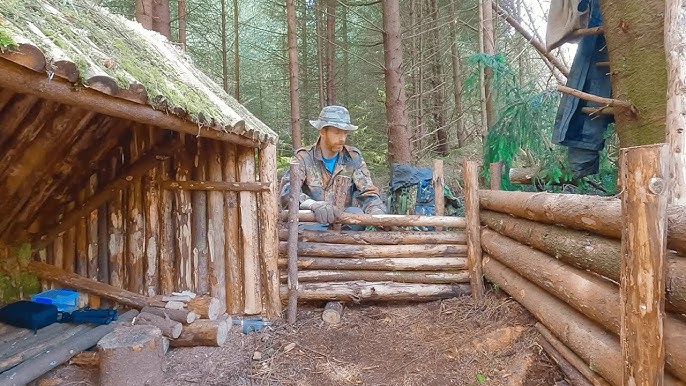
Imagine you’re deep in the jungle, surrounded by thick trees, strange sounds, and unpredictable weather. Your first priority?
Finding the right shelter to keep you safe and dry. Knowing how to build and use a shelter can mean the difference between a tough night and survival. You’ll discover simple, practical tips that anyone can follow to create a strong, protective shelter—even if you’ve never done it before.
Stick with me, and you’ll gain the confidence and skills to face the jungle’s challenges head-on. Ready to learn how to turn nature into your safest ally? Let’s dive in.

Credit: www.youtube.com
Choosing The Right Location
Choosing the right location for your shelter can make a huge difference in your jungle survival experience. It’s not just about finding a spot to rest; it’s about ensuring safety, comfort, and access to essential resources. Your choice affects everything from protection against weather to your ability to stay hydrated and avoid danger.
Avoiding Hazards
Start by scanning the area for potential risks. Avoid spots near steep slopes where landslides could happen, or close to animal trails that might bring unwanted visitors. Watch out for signs of insect nests or poisonous plants that could cause harm.
I once picked a seemingly quiet spot near a riverbank, only to find out it flooded overnight. That taught me to always look for higher ground that’s still close enough to water but safe from sudden rises.
Finding Natural Shelter
Natural formations like large trees, rock overhangs, or thick bushes can provide excellent protection. These features often shield you from rain, wind, and sun without the need to build a complex structure.
Look for places where the canopy is dense—it can reduce the chance of heavy rainfall soaking you. But be cautious; large trees with dead branches overhead are risky during storms.
Considering Water Sources
Your shelter should be near a clean water source but not too close. Staying within a short walking distance, about 50 to 100 meters, allows easy access without risking floods or attracting animals that come to drink.
Think about water quality. Avoid stagnant pools which can breed mosquitoes and cause illness. Streams or springs are better choices, but always treat the water before drinking.
Types Of Jungle Shelters
Choosing the right shelter can make all the difference in jungle survival. The jungle environment challenges you with rain, insects, and wild animals. Different types of shelters offer unique benefits. Some provide quick protection, while others offer comfort for longer stays. Knowing which shelter to build depends on your situation and available resources.
Lean-to Shelters
Lean-to shelters are simple and fast to build. They use a single slanted roof made from branches or large leaves. Position the shelter against a tree or a natural wall. This setup blocks wind and rain on one side. It keeps you dry and shielded without much effort. Ideal for short rest or emergency protection.
Debris Huts
Debris huts provide excellent insulation and camouflage. Build a frame using sticks, then cover it thickly with leaves, grass, and other plant debris. The thick layer traps heat inside, keeping you warm at night. It also hides your presence from animals. This shelter takes more time but offers good protection and warmth.
Tree Platforms
Tree platforms lift you off the wet and bug-filled ground. Use strong branches to create a flat surface high in the trees. Secure the platform with ropes or vines. Sleeping above ground reduces insect bites and keeps you safer from animals. Tree platforms require skill but provide comfort and security in the jungle.
Building Materials And Tools
Building a reliable shelter in the jungle depends heavily on the right materials and tools. Your survival often hinges on how well you can gather and use what’s around you. Knowing what to pick and how to shape it can make your shelter strong against wind, rain, and critters.
Using Natural Resources
Look closely at what nature offers. Bamboo, palm leaves, and large branches are common in many jungles and serve as excellent building blocks. Dead wood is easier to cut and shape, but fresh green wood can be stronger if dried properly.
Leaves and vines are not just for cover—they can be your ropes and insulation. Strong vines tied tightly can hold the frame together better than anything you carry in your pack. Have you ever tried bending a green branch? It’s flexible and less likely to snap under pressure.
Improvised Tools
You don’t need fancy gear to make tools. Sharp stones can serve as cutting edges, while sturdy sticks become digging tools or hammers. Use rocks to crack nuts and split wood if you lack a knife.
Think about what you have on hand—your belt can become a sling, your shoelaces can bind sticks. Remember a time when you had to get creative? That skill is what keeps you alive here.
Selecting Durable Materials
Not every branch or leaf will last. Choose materials that won’t rot quickly or break under weight. Hardwoods like teak or mahogany resist moisture better, while leaves from broad-leaf plants shed water more effectively.
Check for signs of insect damage or mold before using any material. Would you want your shelter to collapse mid-storm? Take the extra moment to test strength by bending or tapping. Your shelter’s durability depends on your choices right now.

Credit: www.youtube.com
Constructing Your Shelter
Constructing a shelter in the jungle is your first priority for survival. It protects you from harsh weather, insects, and wild animals. Building a strong, reliable shelter can be challenging, but focusing on the right steps makes it manageable and effective.
Framework Setup
Start by finding sturdy branches or small trees that can serve as the main support for your shelter. Look for materials that are flexible yet strong enough to hold the structure together. Tie or wedge these supports firmly into the ground or against larger trees to create a stable frame.
Consider the shape that best suits your needs—lean-tos are quick and easy, while A-frames offer better protection. Ask yourself: will your shelter hold up if the wind picks up suddenly? Test the frame’s strength before moving on.
Insulation Techniques
Once your framework is ready, add layers of leaves, grass, or moss to the walls and roof for insulation. This natural padding keeps you warm by trapping heat inside. Avoid using fresh leaves that might contain insects or moisture; dry materials work best.
Build a thick layer at the base inside your shelter too—this will keep you off the cold ground. Have you checked the thickness of your insulation? Adding more might be tiring, but it greatly improves comfort and safety.
Waterproofing Methods
Rain can ruin your shelter if you don’t waterproof it properly. Use large leaves like banana or palm fronds, layering them like shingles from bottom to top. This arrangement helps water slide off instead of soaking in.
If you have access to mud or clay, apply a thin layer over the outer surface for added protection. Keep an eye on your shelter during heavy rain and be ready to reinforce weak spots. How will you spot leaks before they become a problem?
Maintaining Safety And Comfort
Building a shelter in the jungle is only the first challenge. Keeping it safe and comfortable can make the difference between a restless night and a good rest that prepares you for the next day. Focus on simple, effective ways to manage airflow, keep wildlife at bay, and control temperature to protect yourself and enhance your survival chances.
Ventilation And Airflow
Good airflow prevents your shelter from becoming a hot, humid trap. It helps reduce condensation, which can soak your bedding and gear. Position your shelter entrance to catch prevailing breezes without exposing yourself to rain or insects.
Use natural gaps between leaves or branches for airflow. Avoid sealing your shelter too tightly—air needs to circulate to keep you comfortable and avoid respiratory issues.
Protection From Wildlife
Animals in the jungle can be curious or dangerous. Create a barrier using thorny branches or thick foliage around your shelter’s perimeter. Keep food stored away and never inside your sleeping area to avoid attracting critters.
Use smoke from a small fire or mosquito coils to deter insects and some animals. Always check the ground for signs of animals before setting up, and raise your sleeping platform if possible to stay out of reach of snakes and other ground creatures.
Temperature Regulation
Jungle temperatures swing between hot days and cool nights. Use natural insulation like leaves or moss to line your shelter floor and walls. This helps retain heat during the night and adds comfort underfoot.
During the day, create shade with extra foliage to lower the inside temperature. A simple trick I learned was to adjust the shelter opening size based on the time of day—larger openings in the morning for warmth, smaller at night to keep heat in.

Credit: www.youtube.com
Emergency Shelter Options
Finding or creating an emergency shelter in the jungle is critical for your survival. It protects you from harsh weather, insects, and wild animals while conserving your energy. Knowing your options can make the difference between staying safe and facing serious risks.
Using Tarps And Plastic Sheets
Tarps and plastic sheets are lightweight and easy to carry, making them perfect for quick shelter setups. You can tie a tarp between trees to create a simple lean-to that blocks rain and wind.
If you don’t have ropes, use strips of vines or strips of clothing to secure the tarp. Make sure to angle the tarp so water runs off instead of pooling on top. Have you ever realized how much a small piece of plastic can protect you from a heavy downpour?
Creating Quick Shelters
When you don’t have any gear, use natural materials around you. Look for large leaves, branches, and vines to build a basic debris hut or lean-to.
Start by finding a sturdy tree or fallen log to lean branches against. Then, pile leaves and smaller branches on top to insulate and block wind. This type of shelter keeps your body heat in and the elements out.
Try to build your shelter off the ground if possible to avoid moisture and bugs. What natural materials are abundant where you are right now that could work for shelter?
Signaling For Help
Your shelter can also be a signal to rescuers if you add bright or reflective materials. Attach shiny objects like a mirror or aluminum foil to your shelter’s exterior to catch attention.
Use rocks or logs around your shelter to form large SOS letters visible from the air. Fire can also serve as a signal—keep a small controlled fire near your shelter during the day and night.
Always think about how your shelter can serve more than one purpose. Could your shelter’s location make it easier for help to find you?
Frequently Asked Questions
What Is The Best Material For Jungle Shelter Construction?
The best materials for jungle shelter are natural, durable, and water-resistant. Use large leaves, branches, and vines. Avoid fragile or toxic plants. Prioritize materials that provide insulation and protection from rain and insects. This ensures a sturdy, comfortable shelter in the jungle environment.
How Do I Protect My Shelter From Jungle Insects?
To protect your shelter from insects, elevate it off the ground if possible. Use natural insect repellents like citronella or neem leaves. Seal gaps with mud or moss. Keep food sealed and away from the shelter to avoid attracting bugs.
Proper shelter design reduces insect intrusion.
How Long Does It Take To Build A Basic Jungle Shelter?
Building a basic jungle shelter typically takes 2 to 4 hours. Time depends on available materials and shelter complexity. Focus on creating a waterproof roof and windbreak first. Efficient planning and gathering materials speed up the construction process, ensuring shelter readiness quickly.
Where Should I Locate My Shelter In The Jungle?
Choose a dry, elevated area away from water sources prone to flooding. Look for natural windbreaks like dense bushes or trees. Avoid animal trails and insect nests. Proper location ensures safety from hazards and improves shelter comfort in the jungle environment.
Conclusion
Building a strong shelter can save your life in the jungle. Choose a dry, safe spot away from dangers. Use leaves, branches, and vines to keep warm and dry. Stay calm and focus on your shelter first. This simple step makes all other survival tasks easier.
Practice these tips before your trip. Remember, a good shelter means safety and rest. Stay prepared, stay safe, and respect nature’s power. Survival depends on your choices and actions. Keep learning and stay ready for any challenge.


