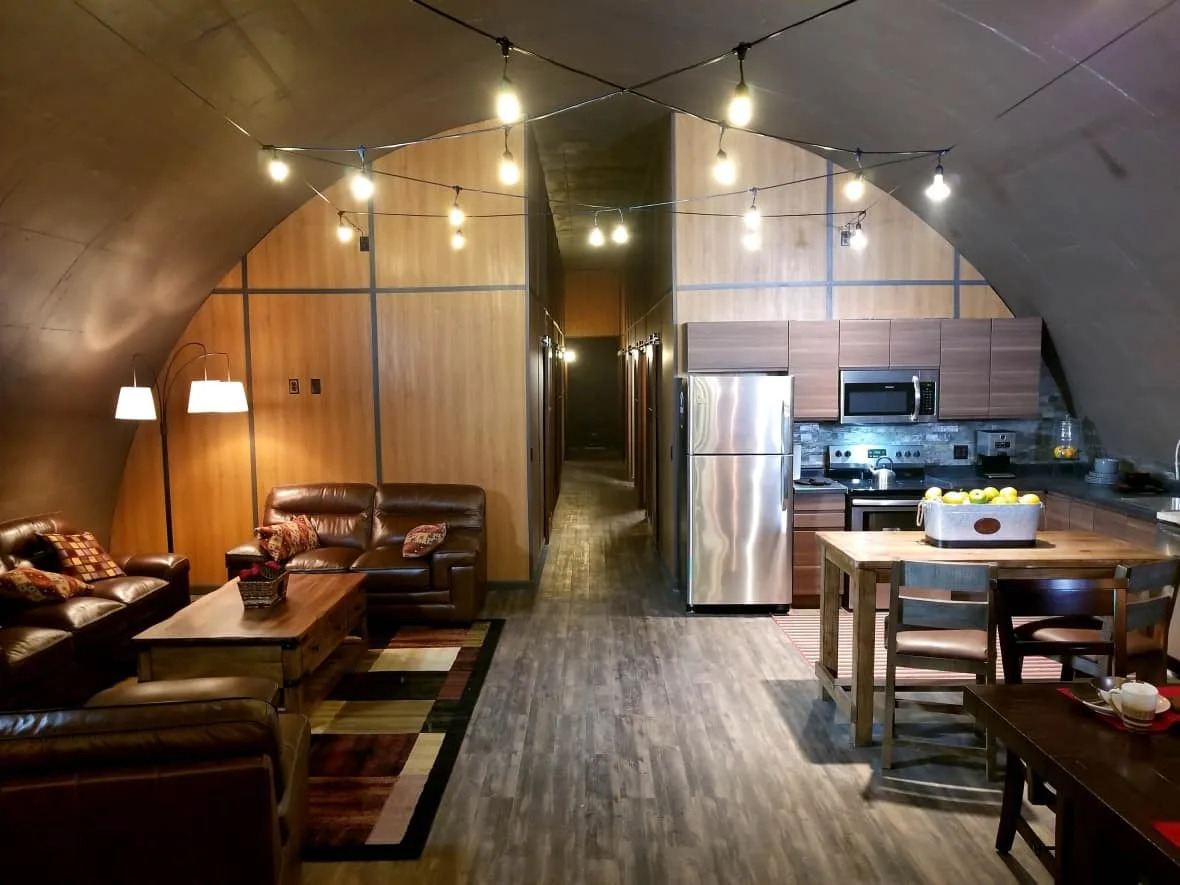
Have you ever wondered what happened to building the Vivos Survival Shelter & Resort? You’re not alone.
Many people were excited about the idea of a safe, underground haven designed to protect you and your loved ones during uncertain times. But as the project unfolded, questions and doubts started to surface. You’ll discover the real story behind the Vivos Shelter—why it hasn’t become the safe retreat you expected and what challenges stood in the way.
Keep reading to find out if this ambitious plan was a dream or a missed opportunity for your survival needs.

Credit: newatlas.com
Origins Of Vivos Survival Shelter
The origins of the Vivos Survival Shelter reveal a story rooted in foresight and a growing awareness of global risks. The idea was born from a need to create secure, sustainable spaces where people could survive extreme emergencies. Understanding these beginnings helps you appreciate the bold steps taken to build what many consider a unique refuge.
Concept And Vision
The Vivos Survival Shelter started with a clear goal: to design a safe haven against disasters. The founders envisioned a community-focused shelter that combined security with comfort. Their plan was not just about survival but about maintaining quality of life during crises.
You might wonder how they balanced safety with livability. The concept involved underground bunkers equipped with advanced life-support systems. This was about creating a place where people could truly live, not just hide.
Location Selection
Choosing the right location was critical. The founders looked for areas with natural protection, low seismic activity, and political stability. They wanted spots far from potential conflict zones or natural disaster hotspots.
After careful research, they settled on locations in the Midwest and other parts of the U.S. These areas offered the right combination of safety and accessibility. Imagine the thought process behind picking a site that could keep you safe for years.
Initial Funding And Support
Getting the project off the ground required substantial funding. Early investors were mostly survival enthusiasts and forward-thinking entrepreneurs. Their belief in the concept helped push the project forward.
Support also came from community members who saw the value in having a secure shelter nearby. This mix of private investment and community backing was key to turning the vision into reality. Have you ever considered what it takes to fund something so unconventional?
Construction Milestones
The journey of building the Vivos Survival Shelter & Resort marked several key construction milestones that shaped its unique character. These milestones reveal the ambitious vision, technical expertise, and unexpected hurdles encountered along the way. Understanding these stages gives you a clearer picture of what it takes to create a facility designed for ultimate preparedness.
Early Development Phases
The project kicked off with extensive site selection and planning. Developers prioritized areas with natural protection and geological stability. Early groundwork involved clearing the land and laying down the foundation to support underground structures.
At this stage, collaboration with engineers and survival experts was crucial. Their input ensured the shelter would meet strict safety and sustainability standards. You might wonder how much time is needed just to get through this initial phase—it spanned several months of meticulous preparation.
Design And Features
Designing the shelter combined practicality with innovation. The architects aimed to balance comfort with security, creating living spaces that could sustain residents for long periods. Features like reinforced concrete walls, advanced air filtration systems, and water purification units were integrated early in the design process.
Beyond basics, the resort added communal areas, storage rooms, and energy-efficient lighting. These choices weren’t random—they stemmed from a clear understanding of daily life needs during extended stays underground. How would you prioritize these features if you were planning your own survival shelter?
Challenges Faced During Build
Construction wasn’t without obstacles. Unexpected geological conditions slowed excavation and required redesigning some structural elements. Weather delays and supply chain disruptions also pushed back timelines.
One significant challenge was maintaining strict security while coordinating large teams of workers. This required careful scheduling and communication to avoid compromising the shelter’s secrecy. These hurdles highlight the complexity behind what might seem like a straightforward build.
Operational Status
The operational status of the Vivos Survival Shelter & Resort reveals much about its journey from ambitious concept to functional refuge. Understanding where it stands today can help you decide if it’s a viable option for your own preparedness plans. Let’s break down the current state of completion, how it’s being used, and what maintenance efforts keep it running.
Current Completion Level
The Vivos Shelter project has reached significant milestones but remains a work in progress. Most underground bunkers are structurally complete, featuring reinforced concrete walls and essential life-support systems.
However, not all amenities originally promised are fully installed. Basic utilities like ventilation, water supply, and power backups are operational, but some luxury features are either delayed or scaled back.
This partial completion means you can expect reliable protection but should temper expectations about comfort and extras. Have you considered how much you really need versus what’s nice to have?
Usage And Occupancy
Occupancy levels vary depending on current global events and buyer interest. Many units are sold or reserved, with owners visiting periodically for inspections or short stays.
Some shelters serve as long-term retreats, while others function more as emergency backups. This mix affects the community atmosphere—some areas feel lively, others quiet and isolated.
If you plan to use the shelter, think about whether you prefer a bustling environment or solitude. How would your experience change based on who else is there?
Maintenance And Upkeep
Maintaining an underground shelter requires ongoing work, especially on mechanical systems like air filtration and water purification. Vivos has dedicated staff for regular inspections and repairs.
Owners also have responsibilities, such as monitoring supplies and reporting issues. Neglect can lead to costly problems, so staying engaged is crucial.
Consider if you’re ready for the commitment to keep your shelter in top shape. What strategies will you use to ensure nothing gets overlooked?

Credit: uk.style.yahoo.com
Obstacles And Setbacks
The journey to build the Vivos Survival Shelter & Resort was anything but smooth. Numerous obstacles tested the vision and resilience of everyone involved. Understanding these challenges can offer valuable lessons if you’re considering a large-scale project yourself.
Financial Difficulties
Funding the Vivos project proved to be a major hurdle. Initial investments fell short as costs soared beyond early estimates. Unexpected expenses like advanced security systems and underground engineering added pressure on the budget.
One investor shared how they had to rethink their financial strategy mid-way to keep the project alive. Have you ever had to adjust your financial plans due to unforeseen costs? It’s a reminder to always have a buffer for surprises.
Legal And Regulatory Issues
Navigating local zoning laws and building codes slowed down construction significantly. The underground nature of the shelter raised concerns among city officials, leading to several permit delays. These regulatory roadblocks required constant negotiation and legal advice.
Dealing with bureaucracy can feel overwhelming, but patience and clear communication helped the team move forward. What strategies do you use when facing red tape in your projects? Understanding the rules early can save months of frustration.
Environmental Concerns
Environmental impact assessments flagged issues related to land disturbance and wildlife habitats. The project team had to redesign parts of the shelter to minimize harm to the surrounding ecosystem. This often meant revisiting blueprints and slowing down progress.
Balancing construction with environmental responsibility isn’t easy, but it’s crucial for long-term success. Are you prepared to adapt your plans to protect the environment? It’s a challenge that requires creativity and commitment.
Community And Public Reaction
The story of building the Vivos Survival Shelter & Resort sparked strong reactions from various communities and the general public. People from different walks of life shared their opinions, ranging from excitement to skepticism. Understanding these reactions helps you see the real impact such a project can have beyond just construction and design.
Media Coverage
The media quickly picked up on the Vivos project, giving it a mix of attention that was both positive and critical. News outlets highlighted the innovative idea of a luxury survival shelter, but also questioned its feasibility and target audience.
Some reports focused on the uniqueness of creating a resort-style bunker, while others raised concerns about the exclusivity and high cost. This variety in coverage made the project a hot topic for debate in public forums and social media.
Customer Feedback
Feedback from potential customers revealed a wide spectrum of opinions. Some were thrilled by the idea of having a secure, well-equipped place during emergencies, seeing it as a smart investment in safety.
Others expressed doubts about the practicality and questioned whether such a shelter could truly provide comfort during crises. Many highlighted the importance of accessibility and affordability, which the project struggled to address.
- Interest in community-building features like shared spaces and activities was common.
- Concerns about long-term maintenance and management surfaced frequently.
- Some customers worried about privacy and security within a large shelter community.
Impact On Survivalist Community
The survivalist community had a strong and varied reaction to Vivos. For some, it was a dream come true—a well-planned, large-scale shelter offering safety in numbers and comfort. It gave them hope for a new standard in preparedness living.
Others in the community saw it as too commercial and out of reach for the average survivalist. They questioned whether relying on a resort-style shelter aligned with core survival principles like self-reliance and simplicity.
Have you ever thought about how your own survival plans stack up against such large-scale projects? Would you trust a community shelter or prefer a personal, smaller setup? These questions challenge you to reflect on what preparedness means for you personally.

Credit: www.re-thinkingthefuture.com
Future Prospects
The future of the Vivos Survival Shelter & Resort holds a mix of promise and challenge. After years of anticipation, the plans for growth and enhancement are beginning to take clearer shape. If you’re curious about what lies ahead, here’s a closer look at the key prospects that could define the next chapter for this unique community.
Planned Expansions
Vivos aims to expand its network by adding more shelters across strategic locations. These new sites are planned to offer increased capacity and improved accessibility for members.
There’s also talk of developing additional amenities within the existing resort, such as advanced medical facilities and community spaces. This would make it not just a shelter but a self-sustaining environment.
Potential Improvements
Improving technology integration is a major focus. Enhanced security systems, renewable energy sources, and better water management are on the agenda.
Many members have voiced the need for more comfortable living conditions. Expect upgrades like better insulation, air filtration, and even entertainment options to make long stays more bearable.
Long-term Viability
One critical question is whether Vivos can maintain its appeal as a long-term investment. Sustainability depends on continuous innovation and community support.
Will the resort adapt to changing global threats and economic conditions? Your decision to join or invest should consider how these factors might influence its future stability.
Frequently Asked Questions
What Happened To The Vivos Survival Shelter Project?
The Vivos Survival Shelter project faced delays due to financial and logistical challenges. Construction slowed, impacting timelines and public expectations. The company has been working to resolve these issues and resume progress.
Is The Vivos Survival Shelter & Resort Still Under Development?
Yes, the Vivos Survival Shelter & Resort remains under development. Despite setbacks, efforts continue to complete the shelter and resort facilities as planned.
Why Did Construction Of Vivos Survival Shelter Stop?
Construction stopped mainly due to funding shortages and supply chain disruptions. These factors caused temporary halts while the company sought new resources and solutions.
Will The Vivos Survival Shelter Be Completed Soon?
Completion timelines are uncertain but Vivos aims to finish the shelter promptly. They are actively addressing obstacles to speed up the process.
Conclusion
The Vivos Survival Shelter & Resort project faced many challenges over time. Construction slowed, and plans changed often. Financial issues and legal hurdles played big roles. Still, the idea of a safe shelter remains important. People want secure places during emergencies.
Watching this project shows how complex such builds can be. Future efforts may learn from these experiences. The need for survival shelters is clear and growing. This story reminds us to stay prepared and informed.


