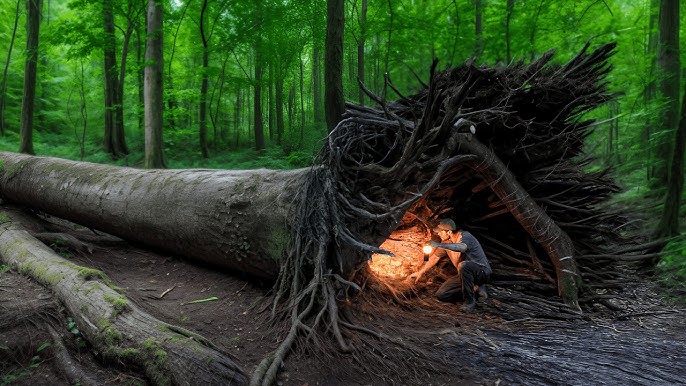
Have you ever wondered why some survival shelters have a pit dug right inside them? It might seem strange at first, but that simple feature can make a huge difference when you’re facing tough conditions.
Whether you’re preparing for an emergency or just want to be ready for the unexpected, understanding why a pit matters could save your life. Keep reading to discover how this small addition can protect you, keep you warm, and improve your chances of survival when it counts the most.
Improved Insulation
Improved insulation is a key reason to include a pit in your survival shelter. It helps maintain warmth when temperatures drop, increasing your chances of staying comfortable and safe. Understanding how a pit works to trap heat and shield you from harsh elements can change how you approach shelter building.
How Pits Retain Heat
A pit uses the earth’s natural insulation properties to hold in warmth. Soil and surrounding ground absorb heat from your body and any fire, then slowly release it back into the space. This process creates a stable temperature, protecting you from sudden cold drops at night.
Think about the last time you slept close to the ground without a pit. Did you feel the cold seep in quickly? A pit reduces that feeling by surrounding you with earth that acts like a thermal blanket.
Reducing Exposure To Elements
Lowering your shelter floor into a pit also cuts down your exposure to wind and rain. The pit walls block strong gusts that can chill you and prevent rainwater from pooling inside. This means less heat loss and a drier, safer space.
Imagine being caught in a storm with no shelter. How much more vulnerable would you feel? A pit shelter keeps you grounded and protected, making a big difference in tough weather conditions.

Credit: m.youtube.com
Enhanced Shelter Stability
Creating a pit in a survival shelter can greatly improve its stability. A shelter with a pit sits lower in the ground, which helps it resist natural forces. This lower position reduces the risk of the shelter collapsing or shifting during bad weather. The earth around the pit acts as a natural support system, holding the shelter firmly in place. This stability is crucial for safety and comfort in survival situations.
Protection Against Wind
A pit shelter offers strong protection against wind. Being below ground level means the shelter faces less direct wind pressure. The surrounding soil blocks and slows down gusts that might otherwise shake or damage the shelter. This creates a calm and secure space inside, making it easier to rest and stay warm. Wind is a common challenge in the wild, so reducing its impact helps keep the shelter intact.
Structural Support From Surrounding Soil
The soil around a pit acts like a natural brace. It supports the walls and roof of the shelter from the outside. This support prevents the structure from leaning or collapsing under its own weight. It also helps stop loose soil or debris from falling inside the shelter. The earth’s pressure is steady and evenly spread, which strengthens the shelter’s frame. This natural support system is vital for long-lasting shelter stability.
Water Management
Water management is a crucial aspect of any survival shelter. Without proper handling of water, your shelter can quickly become uncomfortable or even dangerous. A pit inside the shelter plays a vital role in controlling water flow and maintaining a dry, safe environment.
Drainage Advantages
A pit acts as a natural drainage point, directing water away from your living area. Instead of pooling inside the shelter, water collects in the pit, keeping your floor dry.
Think about rainy days when water seeps into every crack. A well-placed pit stops that water from spreading, reducing dampness and mold risks. This simple feature can save you from health issues caused by constant moisture.
Have you ever noticed how water naturally follows the lowest point? The pit leverages this by becoming the designated spot for water to gather, which you can then remove or let evaporate safely.
Preventing Flooding Inside Shelter
Flooding is more than an inconvenience; it can ruin your supplies and force you out. A pit prevents this by capturing excess water before it floods your shelter floor.
If you’ve experienced shelter flooding, you know how quickly it escalates. The pit acts like a buffer zone, holding water and preventing sudden surges that could overwhelm your space.
Consider adding gravel or sand at the bottom of the pit to enhance drainage. This helps water soak into the ground faster and keeps your shelter from becoming a swamp.
How prepared is your shelter for unexpected heavy rain? A pit designed for water management could be the difference between staying dry and facing a soggy, uncomfortable night.

Credit: www.youtube.com
Concealment And Safety
Concealment and safety are crucial when setting up a survival shelter. A well-planned pit can help you stay hidden from unwanted eyes and create a secure environment. It’s about more than just hiding—it’s about protecting yourself from dangers lurking nearby.
Lowering Visibility
Digging a pit naturally lowers your shelter below ground level, making it less visible. This subtle drop in height can prevent you from standing out in open areas where threats or passersby might spot you easily.
Think about how shadows and outlines can give away your position. A pit reduces these telltale signs by blending your shelter with the surrounding terrain.
Have you ever noticed how animals avoid open spaces? Your shelter, sunk into the earth, can mimic that same low profile, helping you stay unnoticed.
Avoiding Predators And Threats
Being below ground level can offer protection from predators or hostile humans. The pit acts as a barrier, making it harder for threats to reach or see you.
It also helps block wind and noise, so you’re less likely to attract attention through sound. This quietness can be a lifesaver in dangerous situations.
- Keep the entrance small and camouflaged to avoid detection.
- Use natural materials like leaves or branches for cover without drawing attention.
- Position your pit away from animal trails or obvious paths to reduce encounters.
Have you considered how a simple pit might be your best defense against threats you can’t always see? Sometimes, staying out of sight is the strongest protection you have.
Temperature Regulation
Temperature regulation is a crucial factor in making a survival shelter truly effective. A pit dug into the ground helps create a stable environment that protects you from extreme heat or cold. Understanding how this works can improve your chances of comfort and safety in tough conditions.
Maintaining Cooler Conditions In Heat
Digging a pit allows you to tap into the earth’s natural cooling properties. Below the surface, temperatures remain cooler than the air above, especially during hot days.
When you position your shelter partially underground, the pit acts like a natural air conditioner. It reduces heat exposure by shielding you from direct sunlight and hot winds.
Have you ever noticed how a basement stays cooler in summer? That’s the same principle working in a survival pit shelter. This can lower your risk of heat exhaustion and dehydration.
Stabilizing Temperature Fluctuations
The ground maintains a more constant temperature than the air, smoothing out the swings between day and night.
By sleeping or resting in a pit shelter, you avoid the shock of sudden cold nights or blazing hot afternoons. This steady temperature helps your body conserve energy and stay comfortable.
Think about how your body feels when temperatures change too quickly. Using a pit minimizes that discomfort and can even improve your sleep quality.
Practical Uses Of Shelter Pits
A shelter pit offers several practical benefits for survival situations. It enhances comfort and helps organize essential items. Using a pit inside your shelter can improve safety and efficiency. It also helps manage space effectively in tight environments.
Storage For Supplies
A pit provides a cool, protected space to store food and gear. Items stay safe from animals and weather damage. The lower temperature helps preserve perishables longer. It also keeps supplies organized and easy to find. This reduces clutter inside the main shelter area.
Creating Seating Or Sleeping Areas
Dug-out pits can form natural seating spots for rest and work. They offer protection from wind and drafts. Lower areas can be lined with insulation materials to improve warmth. Sleeping in a pit reduces exposure to cold air. This setup makes the shelter more comfortable during harsh conditions.

Credit: www.reddit.com
Frequently Asked Questions
Why Is A Pit Important In A Survival Shelter?
A pit helps with drainage, keeping the shelter dry and comfortable. It also provides insulation and a place to store supplies safely underground.
How Does A Pit Improve Shelter Insulation?
A pit traps cooler air below ground, stabilizing temperature. This natural insulation protects against extreme heat or cold effectively.
Can A Pit Help With Water Management In Shelters?
Yes, a pit directs water away from the shelter floor. It prevents flooding and maintains a dry living space during rain.
What Size Should A Survival Shelter Pit Be?
The pit size depends on shelter dimensions and needs. Typically, it should be deep and wide enough for drainage and storage.
Conclusion
A pit in a survival shelter adds safety and comfort. It helps keep warmth close and cold air away. It also provides protection from wind and rain. Pits can store water or fire safely. They make it easier to stay calm in tough conditions.
Simple, smart shelter design saves lives. Don’t forget this key survival tip. It might be the difference you need. Stay prepared, stay safe.


