
Have you ever wondered if sperm can survive through clothing? It’s a question many people have but few openly discuss.
Whether you’re curious about pregnancy risks or just seeking clear answers, understanding how sperm behaves with barriers like clothes is important. This article will break down the facts in a simple way, helping you make informed decisions and feel more confident about your body and safety.
Keep reading to uncover the truth behind sperm survival and what it means for you.
Sperm Basics
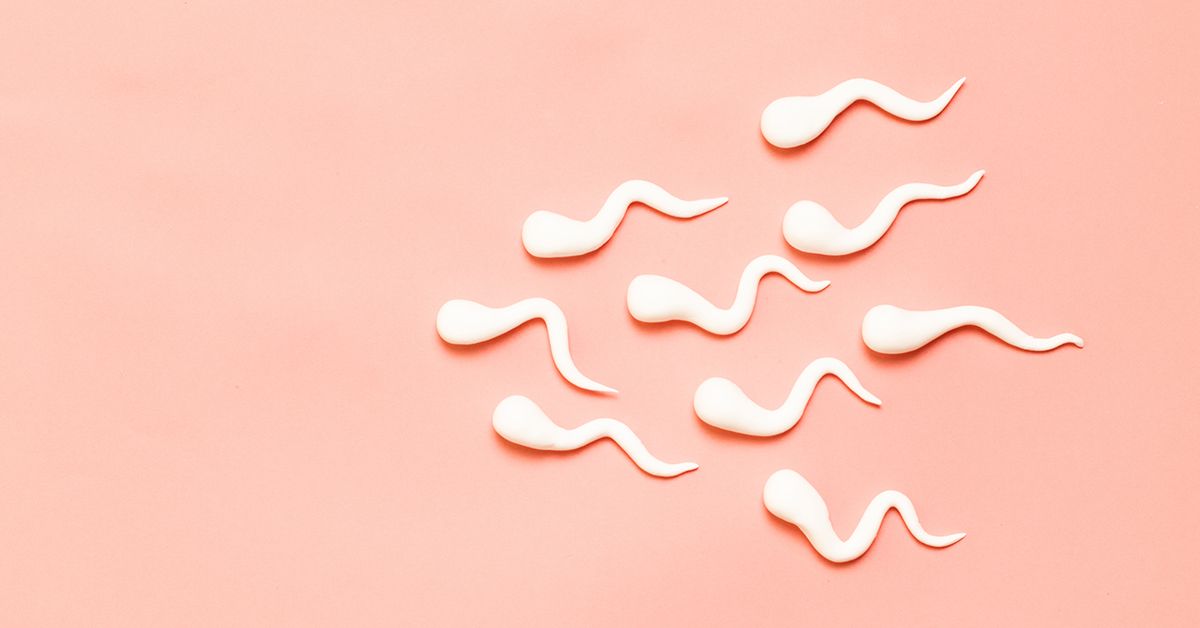
Sperm are tiny but complex cells designed to fertilize an egg. Understanding their basic nature helps you grasp how they behave outside the body. This knowledge can clarify whether sperm can survive through clothing or not.
Sperm Lifespan
Sperm do not live long once outside the body. Their lifespan depends on the environment they are in. Typically, sperm can survive:
- Up to 5 days inside the female reproductive tract under optimal conditions.
- Only a few minutes to an hour on dry surfaces, like clothing.
- Longer in warm, moist environments but die quickly when exposed to air and dryness.
Have you ever wondered why fertility clinics keep sperm in special solutions? It’s to extend their survival and effectiveness.
Conditions For Survival
Sperm need certain conditions to stay alive. The right temperature, moisture, and pH balance are crucial. Without these, sperm quickly lose their ability to move and fertilize.
Clothing usually creates a dry and cool environment. This is far from ideal for sperm survival. The fabric absorbs moisture and exposes sperm to air, which causes them to die rapidly.
Think about the last time you spilled water on your clothes. The wet spot dries quickly, and anything living in that damp area won’t last long. The same applies to sperm on fabric.
Credit: oasisindia.in
Impact Of Clothing On Sperm
Clothing plays a key role in affecting sperm survival outside the body. Sperm cells are delicate and need specific conditions to stay alive. Fabrics, moisture levels, and temperature all influence how long sperm can survive on clothing. Understanding these factors helps clear up common questions about sperm transmission through clothes.
Types Of Fabrics
Different fabrics absorb moisture and heat differently. Natural fibers like cotton absorb moisture well but dry slowly. This can create a damp environment that may help sperm survive briefly. Synthetic fabrics like polyester repel water and dry fast. This makes sperm survival less likely on synthetic clothing.
Thick fabrics block air and heat better than thin ones. Thick materials reduce airflow and keep moisture longer. Thin fabrics let air pass and dry moisture quickly. This reduces sperm’s chance to stay alive on the surface.
Moisture And Temperature Effects
Sperm need moisture to survive outside the body. Dry clothes quickly kill sperm cells. Wet or damp clothes provide a better environment for sperm survival.
Temperature also affects sperm life span. Warm temperatures speed up sperm death. Cooler temperatures may keep sperm alive longer. Still, sperm rarely survive more than a few minutes on clothing regardless of temperature.
Myths About Sperm Through Clothing
Many people worry about sperm surviving through clothing. This concern leads to several myths and false beliefs. Understanding these myths helps separate fact from fiction. Let’s explore common misconceptions and what science says about sperm and clothing.
Common Misconceptions
- Sperm can easily pass through multiple layers of clothing.
- Wearing tight clothes can trap sperm and increase pregnancy chances.
- Dry clothes protect against pregnancy after sperm contact.
- Sperm remain alive and active on fabric for hours.
- Sperm can travel through underwear to cause pregnancy.
These ideas create unnecessary fear and confusion. They often come from misunderstanding how sperm behave outside the body.
Scientific Evidence
Research shows sperm cannot survive long outside the body. They need a warm, moist environment to live.
Clothing blocks sperm movement. It absorbs and dries the semen quickly. This kills sperm within minutes.
Studies confirm sperm do not penetrate fabric layers. They cannot swim through clothes to reach the skin.
Pregnancy from sperm on clothing is extremely unlikely. Direct contact with genital skin is necessary.
Doctors agree that sperm cannot travel through clothing to cause pregnancy.
Realistic Scenarios For Sperm Transmission
Sperm transmission is a topic often misunderstood, especially regarding how sperm might survive outside the body. Understanding realistic scenarios helps clear up myths about sperm passing through clothing. It also explains the chances of pregnancy or infection from such contact.
This section explores situations where sperm contact might occur and whether it can lead to transmission or pregnancy. The focus is on skin-to-skin contact and sperm exposure on clothing.
Skin-to-skin Contact
Sperm can only live a short time outside the body. On skin, sperm usually dry out quickly and die. Direct skin contact with fresh sperm offers the highest chance for sperm survival.
However, for pregnancy to occur, sperm must reach the vagina. Simply touching sperm on skin near the genital area carries a very low risk. Intact skin blocks sperm from entering the body.
Sperm Exposure On Clothing
Clothing acts as a barrier that prevents sperm from moving freely. Sperm trapped in fabric dry out fast and lose motility. This makes survival on clothes unlikely.
In rare cases, very wet and thin clothing might allow minimal sperm movement. Still, the chance of sperm passing through clothes and causing pregnancy is extremely low.
Overall, sperm transmission through clothing is not a common risk. Physical barriers and sperm’s short lifespan outside the body reduce transmission chances.
Preventive Measures
Preventive measures help reduce the risk of sperm passing through clothing. Understanding these steps supports safer intimate moments and lowers anxiety about unintended outcomes. Simple actions can provide peace of mind and improve overall safety.
Safe Practices
Wearing multiple layers of thick fabric can block sperm from reaching the skin. Choosing clothes made from dense materials improves protection. Avoiding tight or thin fabrics reduces the chance of sperm passing through. Keeping clean and dry skin decreases sperm survival outside the body.
Always wash hands and surfaces after contact with semen. Changing clothes immediately after sexual activity limits sperm transfer. Avoiding contact between semen and sensitive areas is crucial for safety.
Effectiveness Of Barriers
Clothing alone is not a reliable barrier to sperm. Thin or wet fabrics allow sperm to pass more easily. Specialized barriers like condoms provide much better protection. Condoms prevent sperm from leaving the body and reduce STI risks.
Other barriers such as dental dams or gloves help during oral or manual contact. These barriers should be used correctly to ensure effectiveness. Combining barriers with safe practices increases overall safety.
Credit: oasisindia.in
Credit: www.healthline.com
Frequently Asked Questions
Can Sperm Survive On Clothing Fabric?
Sperm can survive briefly on clothing, but they quickly dry out and die. Survival depends on fabric type and moisture. Generally, sperm cannot survive long enough on clothing to cause pregnancy.
Does Fabric Type Affect Sperm Survival?
Yes, fabric type affects sperm survival. Absorbent fabrics like cotton dry sperm faster, reducing survival time. Non-absorbent materials may keep sperm moist slightly longer but not enough to sustain viability for pregnancy.
Can Sperm Pass Through Clothing To Cause Pregnancy?
Sperm cannot pass through clothing fibers to cause pregnancy. Clothing acts as a barrier, blocking sperm from reaching the skin or reproductive areas. Pregnancy risk through intact clothing is extremely low to nonexistent.
How Long Can Sperm Live Outside The Body?
Sperm survive up to a few minutes to an hour outside the body, depending on conditions. Moist, warm environments increase survival, while dry, cool conditions cause rapid death. Clothing typically dries sperm too fast for prolonged survival.
Conclusion
Sperm cannot survive long through clothing. Fabric blocks sperm from moving or living. Wet or thin clothes might let sperm stay alive briefly. Still, chances of pregnancy this way remain very low. Understanding how sperm works helps avoid confusion. Always use protection for safe and sure results.
Knowing facts keeps you informed and prepared. Remember, sperm needs the right environment to survive. Clothing acts as a strong barrier most of the time. Stay safe and trust science over myths.

