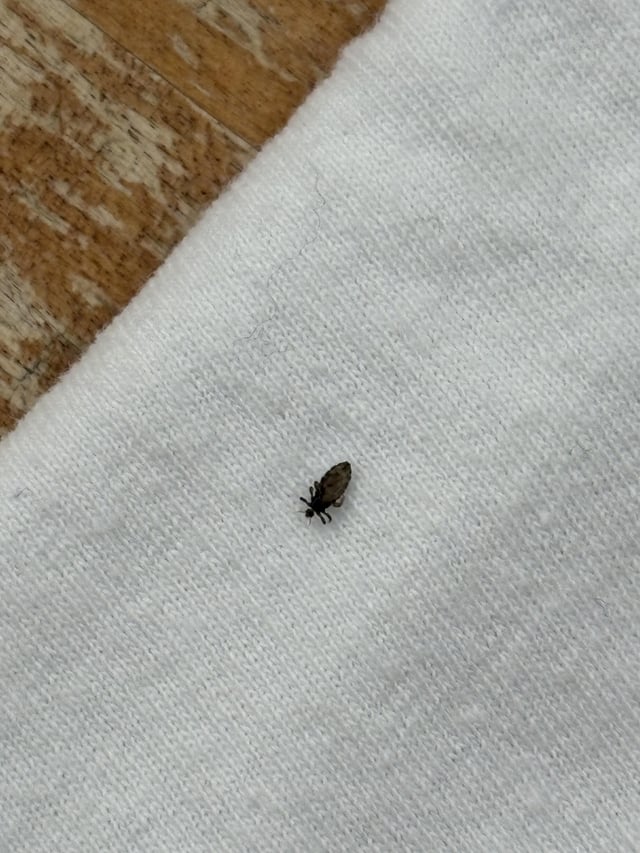
Have you ever wondered if lice can live on your clothes? If you’re dealing with a lice problem, this question might be on your mind.
Knowing whether these tiny pests survive on fabric can help you take the right steps to protect yourself and your family. You’ll discover the truth about lice on clothes, how long they can survive, and what you can do to keep your home safe.
Keep reading to get clear answers and practical tips that will put your worries to rest.
Lice Life Cycle
The life cycle of lice is key to understanding their survival on clothes. Lice go through several stages from eggs to adults. Each stage plays a role in how they spread and how long they can live off a human host. Knowing this helps in controlling and preventing infestations effectively.
Stages Of Lice Development
- Eggs (Nits):Tiny, oval, and usually attached to hair strands. They hatch in about 7-10 days.
- Nymphs:Young lice that emerge from eggs. They look like adults but are smaller. They mature in 7-10 days.
- Adults:Fully grown lice that can reproduce. They live up to 30 days on a human head.
How Lice Feed And Reproduce
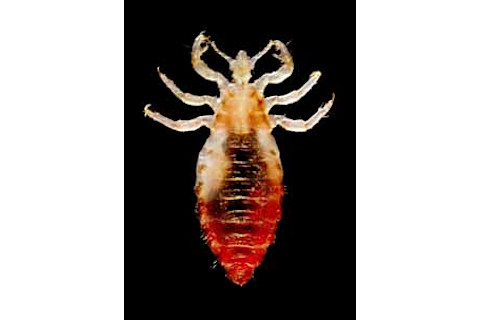
Lice feed by biting the scalp to suck blood. They need blood to live and grow. Without feeding, lice die within 1-2 days.
Adult lice mate to lay eggs. Females lay about 6-10 eggs daily. Eggs stick tightly to hair close to the scalp for warmth.
Off the human body, lice struggle to survive because they cannot feed. Clothes may carry lice briefly, but they rarely live long there.
Credit: www.discovermagazine.com
Lice Survival Outside The Scalp
Lice live by feeding on human blood, which they get only from the scalp. Once away from the head, their survival chances drop quickly. Understanding how lice survive outside the scalp helps in managing their spread. This section explains the environmental factors affecting lice and how long they can live off a host.
Environmental Factors Affecting Lice
Lice depend on warmth and humidity to survive. On clothes or other surfaces, these conditions change fast. Dry air and cooler temperatures reduce their lifespan. Lice also need a blood meal within hours to stay alive. Without a host, their bodies dry out and they die.
Factors that affect lice survival include:
- Temperature: Cooler temps reduce survival time.
- Humidity: Dry environments cause dehydration.
- Surface type: Soft fabrics hold moisture better than hard surfaces.
Duration Lice Can Live Off The Host
Lice cannot live long away from the scalp. Most lice survive only 1 to 2 days without feeding. Nits (lice eggs) stick to hair strands and do not fall easily onto clothes. Even if they do, they rarely hatch off the head.
| Type | Survival Time Off Host |
|---|---|
| Adult Lice | 24 to 48 hours |
| Nits (Eggs) | Up to 10 days, but need scalp warmth to hatch |
Lice on clothes die quickly without a blood meal. Washing clothes in hot water helps remove lice and nits. Drying on high heat kills any remaining lice.
Lice On Clothes And Fabrics
Lice are tiny insects that feed on human blood. They mostly live on the scalp. But can lice live on clothes and fabrics? Understanding this helps control their spread. Clothes come in contact with the scalp and hair. So, they might carry lice or their eggs. Let’s explore how lice survive on different fabrics and the chance of transfer through clothing.
Possibility Of Lice Transfer Via Clothing
Lice rarely move from one person to another through clothes. They prefer to stay on the scalp. Lice need human blood to survive. Without it, they die quickly. Usually, lice cling to hair, not fabric.
Sharing hats, scarves, or hair accessories can increase lice transfer risk. But lice do not jump or fly. They crawl slowly. Direct head-to-head contact is the main way lice spread.
Still, lice can survive a short time on clothes. This time is typically less than 24 hours. During this period, lice might crawl onto another person. The risk is low but possible.
Types Of Fabrics And Lice Survival
Lice survival depends on fabric type and conditions. Fabrics that hold warmth and moisture help lice live longer.
- Wool and fleece:These fabrics keep heat and moisture well. Lice can survive longer here.
- Cotton:Cotton is breathable and dries quickly. Lice survive less time on cotton.
- Synthetic fabrics:Materials like polyester dry fast. Lice struggle to live on them.
Washing clothes in hot water kills lice and eggs. Drying on high heat also helps. Regular cleaning reduces the chance of lice spreading through fabrics.

Credit: www.medicalnewstoday.com
Preventing Lice Spread Through Clothing
Clothes can carry lice and their eggs, making it important to stop their spread. Taking simple steps with clothing helps keep lice away. Proper care of clothes lowers the chance of lice moving from one person to another. Clean clothes and smart storage can break the lice cycle.
Effective Washing And Drying Methods
Wash clothes in hot water to kill lice and eggs. Set the washer to at least 130°F (54°C). Use regular detergent for best results. Dry clothes on the highest heat setting for 20 minutes or more. Heat removes lice better than cold or warm water. Avoid washing items that cannot handle heat. Instead, put them in a sealed plastic bag for two weeks. This starves lice since they cannot live long without a host.
Storage Tips To Avoid Reinfestation
Keep clean clothes in a dry, sealed container or plastic bag. Avoid sharing clothes, hats, or scarves with others. Store items separately during lice treatment periods. Use airtight bags for items not washed right away. Avoid piling clothes together on floors or beds. Regularly clean laundry baskets and storage areas. Proper storage stops lice from moving back onto treated clothes.
Myths About Lice Transmission
There’s a lot of confusion about how lice spread, especially when it comes to clothes. Many believe lice can jump from one person’s jacket or hat to another’s, but is that really true? Sorting fact from fiction helps you avoid unnecessary worry and focus on what really matters.
Common Misconceptions About Lice On Clothes
Many people assume lice live and move easily on clothes. You might have heard that sharing hats or coats means you’ll catch lice instantly. But lice actually prefer human scalp hair and don’t survive long away from it.
Lice can cling to fabric briefly but usually die within 1–2 days off the scalp. They don’t jump or fly, so the idea of lice crawling between clothes hanging side-by-side is unlikely. This myth leads to excessive washing or tossing of clothes that isn’t necessary.
Have you ever felt the urge to throw away a favorite hat just because someone near you had lice? You’re not alone—many people overreact because of these false beliefs.
What Actually Causes Lice Spread
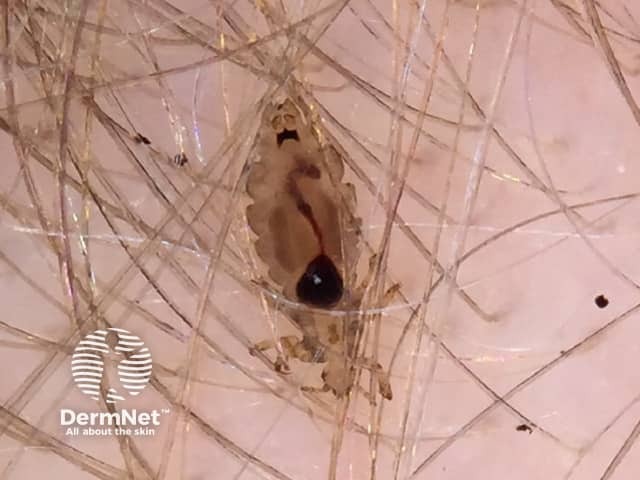
Lice spread mainly through direct head-to-head contact. When hair touches hair, lice can crawl easily from one scalp to another. This is why close interactions at school or home are common sources of transmission.
Sharing combs, brushes, or hair accessories can sometimes help lice move, but clothes play a minimal role. It’s more practical to focus on checking heads regularly rather than obsessing over every piece of clothing.
Think about it: if lice survived well on clothes, wouldn’t lice outbreaks be constant in places where coats pile up? Instead, outbreaks happen where people have frequent close contact.
- Check your child’s hair regularly, especially after playdates or school days.
- Encourage avoiding head-to-head contact during activities.
- Clean combs and brushes in hot water to reduce lice risk.
Understanding these facts helps you act smartly without unnecessary stress over clothes. What’s your experience with lice myths—have you fallen for any yourself?
Credit: www.rch.org.au
Frequently Asked Questions
Can Lice Live On Clothes For Long?
Lice can survive on clothes for up to 48 hours. They need human blood to live, so clothes without contact are less hospitable. Regular washing and drying at high temperatures kill lice effectively.
How To Kill Lice On Clothing Effectively?
Wash clothes in hot water above 130°F (54°C). Use a high-heat dryer cycle for at least 20 minutes. This method kills lice and their eggs on fabrics, preventing re-infestation.
Can Lice Spread Through Shared Clothing?
Yes, lice can spread through shared clothes or hats. Direct head-to-head contact is more common, but contaminated clothing can transfer lice briefly. Avoid sharing personal items to reduce lice transmission risk.
Do Lice Eggs Survive On Clothes?
Lice eggs (nits) rarely survive on clothes. They need to be firmly attached to hair shafts to hatch. Washing clothes thoroughly ensures removal of any stray eggs or lice.
Conclusion
Lice do not live long on clothes. They need human scalp to survive. Washing clothes in hot water helps remove lice and eggs. Drying clothes on high heat kills any remaining lice. Avoid sharing hats or scarves to prevent lice spread.
Clean clothes and bedding often to stay safe. Taking these steps stops lice from returning. Simple habits protect you and your family well. Keep clothes clean and lice won’t last. Easy actions bring peace of mind.


