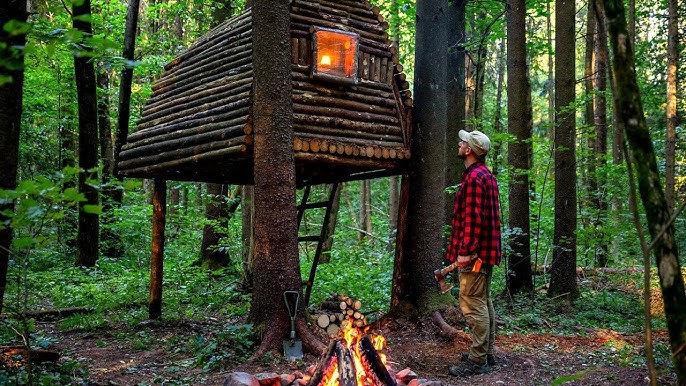
Imagine finding yourself in a situation where you need a safe place to stay—fast. Knowing how to build a survival shelter can make all the difference between staying safe and facing serious danger.
This skill isn’t just for outdoor adventurers; it’s something you should have in your toolkit. Your shelter protects you from harsh weather, keeps you warm, and gives you a sense of security when everything feels uncertain. You’ll discover why building a survival shelter is crucial and how it can help you stay alive when it matters most.
Keep reading—your safety could depend on it.

Credit: m.youtube.com
Importance Of Survival Shelters
Survival shelters are more than just a place to rest; they are your lifeline in challenging environments. Building a shelter can dramatically increase your chances of staying safe and healthy when you’re out in the wild or facing unexpected situations. Understanding why a shelter is essential helps you appreciate the skills and materials you need to create one effectively.
Protection From Elements
Your shelter acts as a shield against harsh weather conditions. Rain, wind, snow, and sun can quickly drain your energy and lower your morale if you’re exposed for too long.
Imagine being caught in a sudden downpour without any cover. Your clothes get soaked, your body temperature drops, and you start to feel vulnerable. A well-built shelter keeps you dry and gives you a chance to rest and recover.
Safety From Wildlife
Wild animals pose real threats, especially at night when you’re most vulnerable. A sturdy shelter creates a barrier that can deter curious or aggressive creatures from getting too close.
When I was camping alone, hearing rustling nearby made me uneasy until I realized my shelter’s design kept me safe. You need to think about how to secure your space so you can sleep without constant worry about what’s lurking outside.
Maintaining Body Heat
Keeping your body warm is critical to survival. Exposure to cold can lead to hypothermia, which can happen faster than you expect.
A good shelter traps heat and blocks cold winds, helping your body maintain a safe temperature. Using natural insulation like leaves or pine needles inside your shelter can make a big difference in staying warm through the night.
Types Of Survival Shelters
Understanding the types of survival shelters can make a big difference when you face unexpected situations outdoors. Each shelter type offers unique advantages depending on your environment, available materials, and how much time you have. Knowing what options you have can help you stay safe and comfortable no matter where you are.
Natural Shelters
Natural shelters use what the environment already provides. Think of caves, rock overhangs, or dense thickets of trees. They require little to no building effort and offer immediate protection from wind and rain.
Have you ever stumbled upon a fallen tree that created a natural lean-to? I once found one during a hike, and it saved me from a sudden downpour. Using nature’s own structures can be the quickest way to get out of harm’s way.
Improvised Shelters
Improvised shelters are made by quickly using materials you carry or find nearby. You might use a tarp, poncho, or even branches and leaves to create a simple cover. These shelters are great when you need fast protection and don’t have tools for heavy construction.
When I was caught in a surprise storm, I tied my jacket between two trees and covered it with leaves. It wasn’t perfect, but it kept me dry and gave me a sense of security. Could you build something similar with what you have on hand right now?
Constructed Shelters
Constructed shelters involve building a more solid structure from scratch. You gather wood, leaves, and other materials to create a frame and walls. These shelters take time but provide better insulation and protection for longer stays.
During a weekend survival course, I helped build a debris hut. It was tough work but rewarding to see how it blocked wind and held heat. If you plan to stay put for a while, investing effort into a constructed shelter pays off.
Essential Shelter Building Materials
Building a survival shelter requires more than just finding a spot to hide. The materials you choose can make the difference between comfort and hardship, safety and danger. Knowing what to gather and how to use it gives you a clear advantage when conditions get tough.
Using Natural Resources
Look around you. Trees, leaves, branches, and rocks can all serve as building blocks for your shelter. Dry leaves and pine needles make excellent insulation, keeping warmth inside. Sturdy branches form the framework and support.
Think about the environment you are in. In a forest, fallen logs and mud can create strong walls. Near water, reeds and grasses work well for roofing. Have you ever tried to build with just what’s around you? It’s a skill that grows with practice and observation.
Tools And Equipment
Tools speed up your work and improve the quality of your shelter. A good survival knife can cut branches and shape wood. An axe or hatchet makes clearing space and chopping easier.
Don’t overlook ropes or paracord—these hold your structure together securely. Even a tarp or plastic sheet can be a game changer, providing quick waterproof coverage. What everyday item in your kit could double as a shelter tool?
Selecting The Right Location
Your shelter’s materials won’t matter if the location isn’t right. Find a spot that’s dry and flat, away from hazards like falling branches or flooding. Check for natural windbreaks like hills or dense trees to protect against harsh weather.
Also, consider access to resources. Are there enough materials nearby to build and maintain your shelter? Imagine spending hours gathering wood only to find your spot lacks the basics. How will you balance safety and convenience in your choice?

Credit: www.youtube.com
Basic Shelter Building Techniques
Building a basic survival shelter is essential for protection and comfort in the wild. Knowing simple techniques helps you stay safe from weather and animals. A well-made shelter keeps you warm, dry, and secure.
Finding Suitable Sites
Choose a site that is flat and dry. Avoid low areas where water collects. Look for natural windbreaks like trees or rocks. Stay away from dead trees that could fall. Check for nearby water but keep a safe distance to avoid insects.
Constructing Frameworks
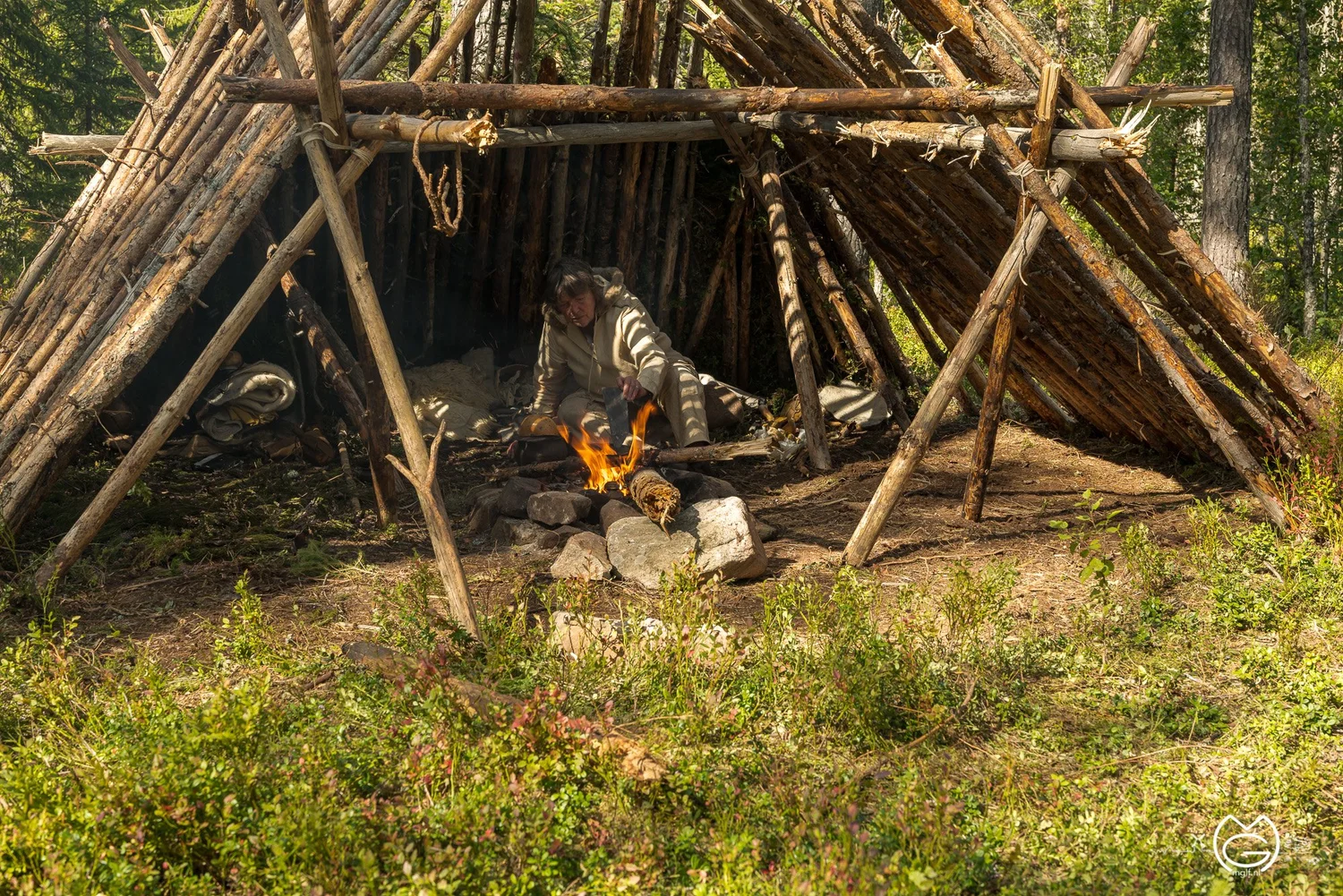
Use sturdy branches or poles for the frame. Make a simple A-frame or lean-to shape. Lash or tie the parts tightly with rope or vines. Make sure the frame is stable and won’t collapse. Use natural materials found around you.
Insulating And Waterproofing
Cover the frame with leaves, grass, or bark for insulation. Add layers to trap heat inside the shelter. Use large leaves or a tarp to keep water out. Make sure the cover overlaps to avoid leaks. Create a floor using dry leaves to stay off the cold ground.
Skills Gained From Shelter Building
Building a survival shelter teaches you more than just how to put up walls and a roof. It sharpens your mind, body, and spirit in ways that prepare you for unexpected challenges. Each step you take while constructing your shelter is a lesson in practical skills that stay with you beyond the wilderness.
Problem Solving
Every shelter-building project presents unique obstacles. Maybe the materials you planned to use aren’t available, or the weather suddenly changes. You learn to think quickly and adjust your plans on the spot.
Imagine needing to create a sturdy roof but finding only flimsy branches nearby. You might test different arrangements, layering them to improve stability and water resistance. This trial-and-error process forces you to analyze problems critically and find workable solutions fast.
Resourcefulness
You don’t need fancy tools or expensive gear to build a shelter. What matters most is how you use what’s around you. Gathering leaves, branches, and stones transforms simple items into life-saving materials.
Have you ever noticed how a handful of twine or some vines can replace nails or rope? Or how a large flat rock can serve as a foundation? This skill of turning everyday natural objects into useful shelter components makes you more adaptable in any situation.
Physical Fitness
Building a shelter is physical work that challenges your strength and endurance. Carrying heavy logs, digging holes, and assembling parts gets your muscles moving and heart pumping.
This kind of activity builds your stamina and resilience. Plus, it’s a reminder that survival isn’t just mental—it demands a strong, capable body ready to handle tough environments.
Shelter Building In Different Environments
Building a survival shelter changes with the environment. Each setting has unique challenges and resources. Knowing how to adapt your shelter can mean safety and comfort. Understanding the basics for different environments helps you prepare better.
Forest Settings
Forests offer many natural materials like branches and leaves. Use fallen branches for structure and leaves for insulation. Choose a dry, flat spot away from dead trees. Create a frame by leaning branches against a central support. Cover the frame with leaves and moss to keep out wind and rain.
Watch for insects and animals when building. Elevate your shelter slightly to avoid damp ground. A fire nearby adds warmth and keeps bugs away.
Desert Conditions
Deserts have little shade and extreme temperatures. Build your shelter to block sun during the day and retain heat at night. Use rocks and sand to create windbreaks. Dig shallow trenches to cool off in the heat.
Look for natural shade like rock overhangs or sparse bushes. Use light-colored materials to reflect sunlight. Keep your shelter low and compact to save energy and protect from wind.
Snow And Cold Weather
Snow shelters trap body heat and shield from wind. Snow blocks are excellent for building walls. Build a dome or trench shelter to reduce heat loss. Insulate the floor with pine boughs or dry leaves.
Seal gaps to prevent cold air from entering. Avoid shelters that face strong winds. A small entrance helps keep warmth inside. Keep the shelter ventilated to avoid moisture buildup.
Common Mistakes To Avoid
Building a survival shelter requires careful planning. Many make simple mistakes that reduce shelter effectiveness. Avoiding these errors improves your safety and comfort in tough conditions.
Poor Site Selection
Choosing the wrong spot can cause many problems. Avoid low areas that flood during rain. Stay away from places with loose rocks or unstable soil. Pick a flat, dry area protected from strong wind. Check for nearby hazards like falling branches or animal paths.
Inadequate Insulation
Insulation keeps you warm and dry. Using too little insulation lets cold air in. Using the wrong materials can trap moisture, causing discomfort. Layer leaves, pine needles, or grass to add warmth. Make sure walls and floors have enough padding to block cold ground and wind.
Ignoring Safety Measures
Safety is key in any shelter. Avoid building near fire risks like dry bushes. Ensure proper ventilation to prevent smoke or carbon monoxide buildup. Keep sharp tools and heavy objects secure. Always have a clear exit path in case of emergency.
Incorporating Shelter Skills Into Preparedness
Building a survival shelter is more than just a practical skill; it’s a vital part of your overall readiness for unexpected situations. Adding shelter-building techniques to your preparedness plan means you’re ready to protect yourself and your loved ones no matter where you are. This readiness can make the difference between staying safe and facing serious risks during emergencies.
Survival Planning
Your survival plan should include specific shelter strategies tailored to different environments you might encounter. Think about the materials you have access to, the climate, and the time you can spend building. Have you considered how you would create a shelter if you were stranded in the woods versus caught in a sudden storm in an urban area?
Include shelter locations and backup plans in your survival map. These details turn vague ideas into actionable steps. Planning also means knowing how to prioritize shelter over other needs when time is tight.
Emergency Kits
Your emergency kit isn’t complete without basic shelter tools and materials. Items like a tarp, paracord, a compact tarp, and a small folding saw can dramatically improve your shelter-building options. Have you checked if your kit is light enough to carry but robust enough to provide real protection?
Think about multipurpose tools that can serve both daily and emergency needs. Including shelter-related gear ensures you’re prepared for sudden changes in weather or unexpected overnight stays outdoors.
Continuous Practice
Skills like shelter building don’t improve by reading alone—they require hands-on practice. Try building different types of shelters in various settings to understand which work best for you. How confident would you feel building a shelter if you had to do it tonight?
Regular practice helps you identify mistakes and improve your efficiency. It also builds muscle memory, so when disaster strikes, you react quickly and effectively without hesitation.
Credit: www.mercattoria.com.br
Frequently Asked Questions
Why Is Building A Survival Shelter Important?
Building a survival shelter protects you from harsh weather and wildlife. It maintains body heat and prevents hypothermia. A shelter also offers safety, comfort, and a base for survival activities. Proper shelter increases your chances of staying alive in emergencies.
What Materials Are Best For Survival Shelters?
Natural materials like branches, leaves, and bark are ideal for survival shelters. They are easy to find and provide insulation. Using tarps or emergency blankets can enhance protection. Choose materials based on your environment and weather conditions for best results.
How Does A Survival Shelter Improve Safety?
A survival shelter shields you from extreme temperatures and predators. It provides a secure space to rest and recover energy. Shelters also reduce exposure to harmful elements like rain, wind, and insects, enhancing your overall safety during survival situations.
When Should You Prioritize Building A Shelter?
You should prioritize shelter immediately after finding a safe location. Shelter is crucial if the weather is harsh or nightfall approaches. Building early prevents exposure risks and helps conserve energy for other survival tasks.
Conclusion
Building a survival shelter keeps you safe in tough situations. It protects from weather, animals, and cold nights. Knowing how to build one boosts your confidence outdoors. It also helps you stay calm during emergencies. Practicing this skill prepares you for unexpected events.
Start small, learn step by step, and improve over time. A good shelter can make a big difference. Stay ready, stay safe, and respect nature’s power. Survival shelter building is a simple yet vital skill for everyone.


