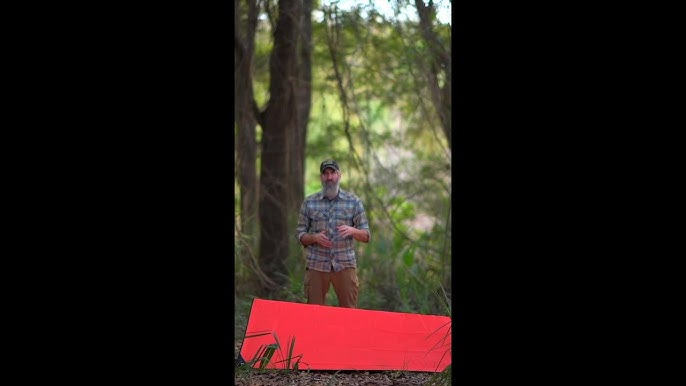
Imagine being caught outdoors when the weather suddenly turns against you. You need quick shelter, but all you have is a simple tarp.
What if you could turn that tarp into a reliable survival shelter in minutes? Knowing how to do this could keep you dry, safe, and comfortable when it matters most. You’ll learn easy steps to transform your tarp into a strong, protective shelter—no special tools or skills needed.
Keep reading, because your safety and comfort might just depend on it.
Choosing The Right Tarp
Choosing the right tarp is the foundation of building a reliable survival shelter. The right tarp can protect you from harsh weather, keep you dry, and provide comfort in unexpected situations. Before you grab any tarp, consider what qualities make it suitable for your survival needs.
Material Types
Tarps come in various materials, each with unique advantages. Polyethylene tarps are common and affordable, offering good waterproofing but less breathability. Nylon and polyester tarps are lighter and more durable, often treated with waterproof coatings to withstand rain.
Think about your environment. Are you facing heavy rain, strong winds, or just need shade? Your choice of material impacts your shelter’s effectiveness. For example, a nylon tarp with a waterproof coating will keep you dry during a downpour better than a basic polyethylene one.
Size And Weight Considerations
Size matters more than you might expect. A tarp too small won’t provide enough coverage, while one too large can be cumbersome to carry. You want a tarp that fits your shelter plan but stays light enough for easy transport.
Imagine hiking a long trail—would you want to carry a bulky tarp, or a compact one that packs small? Most survival tarps range between 6×8 feet to 10×12 feet. Pick a size that balances coverage with portability based on your typical survival scenario.
Durability Factors
Durability affects how long your tarp will last under rough conditions. Look for tarps with reinforced edges and strong grommets for secure tie-downs. Heavy-duty fabrics resist tears and abrasions, which is critical if you’re building a shelter in dense woods or rocky areas.
Have you ever had a tarp rip during a sudden windstorm? It’s frustrating and dangerous. Investing in a tarp with high tear strength saves you from that risk. Check user reviews or product specs to ensure the tarp can handle tough outdoor use.

Credit: www.reddit.com
Essential Tools And Gear
Building a survival shelter with a tarp requires a few key tools and gear. These items make the process easier and the shelter stronger. Carrying the right gear helps you stay safe and dry in the wild. Focus on lightweight and multi-use tools to keep your pack light.
Rope And Paracord
Strong rope or paracord is essential for tying your tarp in place. Paracord is lightweight and very strong. It can also be used for many survival needs beyond shelter building. Choose cords at least 100 feet long to cover various setups. Make sure the cord is durable and resistant to water.
Stakes And Pegs
Stakes or pegs secure your tarp to the ground. They hold the shelter steady during wind or rain. Metal stakes work best in hard or rocky soil. Plastic or wooden pegs can be used in soft soil. Carry extra stakes to replace any that break or get lost.
Knives And Multi-tools
A sharp knife or multi-tool is a must-have for shelter building. Use it to cut rope, trim branches, or shape stakes. Multi-tools offer added functions like pliers and screwdrivers. Keep your knife sharp for safety and efficiency. A good knife can also help in many other survival tasks.
Selecting A Shelter Location
Selecting the right location for your tarp shelter can make a huge difference in your comfort and safety during a survival situation. The spot you choose needs to protect you from the elements, keep you safe from hazards, and be easy to access. Understanding what to look for before setting up can save you time and trouble later.
Terrain And Ground Conditions
Look for flat, even ground to set up your tarp. Uneven or rocky terrain can make sleeping uncomfortable and can damage your shelter. Avoid low spots where water might collect if it rains.
Check the soil firmness. Soft or marshy ground may cause your stakes to pull out easily. Hard, compact soil is better for anchoring your tarp securely.
Weather Protection
Consider the direction of the prevailing wind. Position your tarp so the opening faces away from the wind to reduce exposure to rain and cold air. If you can, use natural windbreaks like bushes or trees to add extra shelter.
Think about sun exposure too. If you expect hot weather, place your tarp where it can provide shade during the hottest part of the day. In colder climates, try to capture sunlight for warmth.
Safety And Accessibility
Choose a spot away from hazards like dead trees that could fall or animal trails that might pass close by. Your safety depends on avoiding these risks while resting.
Also, pick a location that is easy to reach and leaves you room to move around. You don’t want to struggle carrying gear or emergency supplies to your shelter. How close can you stay to your water source without risking flooding?

Credit: www.youtube.com
Basic Shelter Designs
Basic shelter designs using a tarp provide quick, effective protection in survival situations. These designs focus on simplicity and efficiency. Each style offers different benefits depending on weather and available materials. Understanding these basic shelters helps you adapt to various environments.
A-frame Shelter
The A-frame shelter is sturdy and easy to build. It uses a ridge line tied between two trees. The tarp drapes over the line, forming a triangle shape. This design sheds rain and snow well. It offers good ventilation and space for a fire underneath. Use rocks or stakes to secure the edges tightly to the ground.
Lean-to Shelter
The lean-to shelter is simple and quick to set up. Attach one side of the tarp to a tree or pole. Let the other side rest on the ground at an angle. This creates a sloped roof that blocks wind and rain. It works best facing away from the wind. This shelter provides easy access and good warmth from a nearby fire.
Flat Roof Shelter
The flat roof shelter uses the tarp stretched horizontally. Tie the tarp to trees or poles at a low height. Secure the edges close to the ground with stakes or rocks. This design offers shade and rain protection. It works well in mild weather and for resting. Add a fire pit nearby for warmth and cooking.
Step-by-step Shelter Setup
Setting up a tarp shelter is a skill that can make a huge difference in a survival situation. It’s not just about throwing a tarp over some sticks; it requires careful attention to details that ensure your shelter stays secure and protects you from the elements. Let’s walk through the key steps to get your tarp set up efficiently.
Securing Anchor Points
Start by choosing strong, stable anchor points like trees or sturdy poles. Your tarp needs solid support to hold its shape and resist wind. If natural anchors aren’t available, use stakes driven firmly into the ground.
Make sure the anchor points are spaced according to your tarp’s size. Too close together, and the tarp will sag; too far, and you might overstretch and tear the material. Try to keep the anchor points at a height that suits your shelter design and personal comfort.
Tensioning The Tarp
Tension is what keeps your tarp taut and prevents it from flapping or sagging. Use strong ropes or paracords to pull the tarp tight between your anchor points. Tie secure knots that won’t slip, such as the taut-line hitch, which can be adjusted as needed.
Don’t overtighten, though. Excess tension can rip the tarp or pull out your stakes. Think of it as a balance—you want enough pull to keep it firm but not so much that the material strains under pressure.
Adjusting For Stability
Once the tarp is up and tensioned, check its stability by gently pushing and pulling different sections. Look for any loose areas or points where the tarp might catch wind. Adjust your knots or reposition stakes to improve the overall stability.
If the ground is uneven, add extra stakes or use rocks to weigh down the edges. This prevents the tarp from lifting during gusts. Have you noticed how a small change in angle or height can drastically improve your shelter’s resistance to weather? It’s all about fine-tuning.
Improving Shelter Comfort
Improving the comfort of a tarp shelter makes a big difference during survival situations. A well-built shelter protects from cold, wind, and rain. It also keeps you dry and warm. Small changes can help you stay safer and feel better. Focus on insulation, blocking weather elements, and allowing airflow.
Insulation Tips
Insulation helps keep your body heat inside the shelter. Use natural materials like dry leaves, pine needles, or grass under your sleeping area. This layer stops cold from the ground. If available, add a foam pad or blanket for extra comfort.
- Place a thick layer of leaves or pine needles beneath you
- Use clothing or blankets as extra insulation
- Keep your sleeping bag dry and off the ground
Wind And Rain Protection
Position your tarp to block the wind and rain. Face the shelter opening away from the main wind direction. Angle the tarp low to the ground for better rain runoff. Secure tarp corners tightly to avoid flapping and leaks.
- Find natural barriers like trees or rocks for extra protection
- Use sturdy knots to keep the tarp tight
- Overlap tarp edges if using more than one sheet
Ventilation Methods
Ventilation prevents moisture buildup inside the shelter. Moist air can cause discomfort and cold. Leave a small opening at the top or side for airflow. Avoid closing the shelter completely tight, even in cold weather.
- Prop one side of the tarp slightly higher
- Create a small gap near the shelter’s peak
- Use breathable fabrics if available
Common Mistakes To Avoid
Turning a tarp into a survival shelter is practical and quick. Avoid common mistakes to ensure your shelter stands strong and protects you well. Small errors can cause big problems in harsh conditions. Focus on proper setup and care for better safety and comfort.
Poor Anchoring
Failing to secure the tarp firmly can lead to collapse. Use strong ropes and solid anchor points like trees or stakes. Loose knots or weak anchors let wind tear your shelter apart. Check tension regularly to keep the tarp tight and stable.
Ignoring Weather Conditions
Weather changes affect tarp performance and shelter safety. Avoid setting up in low spots that collect water during rain. Position the tarp to block prevailing winds and sun glare. Plan for sudden storms by reinforcing your setup and having backup anchors.
Overlooking Shelter Maintenance
Neglecting shelter upkeep reduces its lifespan and effectiveness. Clear debris around the tarp to prevent damage and pests. Inspect for tears or loose ropes daily and fix them quickly. Proper care keeps your shelter durable and comfortable for longer stays.

Credit: www.reddit.com
Frequently Asked Questions
How Do You Secure A Tarp For A Survival Shelter?
To secure a tarp, use sturdy ropes or paracord tied to trees or stakes. Ensure tight knots and tension to prevent sagging. Use natural anchors or stakes driven into the ground for stability. Proper securing keeps the shelter stable against wind and rain.
What Materials Are Needed To Turn A Tarp Into Shelter?
You need a durable tarp, rope or paracord, stakes, and sturdy sticks or poles. Optional items include a knife and waterproof ground cover. These materials help create a stable, weather-resistant shelter quickly and efficiently in survival situations.
What Is The Best Tarp Shape For Survival Shelter?
A-frame and lean-to shapes are ideal for survival shelters. They provide good wind resistance and water runoff. Both designs are easy to set up using trees or poles, offering reliable protection and ventilation in various weather conditions.
Can A Tarp Shelter Protect Against Harsh Weather?
Yes, when properly secured and angled, a tarp shelter shields from rain, wind, and sun. Adding a ground cover and raising sides helps improve insulation and ventilation. It’s a versatile, lightweight option for emergency weather protection.
Conclusion
Creating a survival shelter with a tarp is simple and effective. Knowing the basics can make a big difference in an emergency. A tarp is lightweight and easy to carry. Set it up quickly to protect yourself from harsh weather.
Secure it well to avoid it being blown away. Practice makes perfect, so try building one at home first. You’ll gain confidence and be ready for any outdoor adventure. Remember, preparation is key for survival success. Stay safe and enjoy your time in nature.


