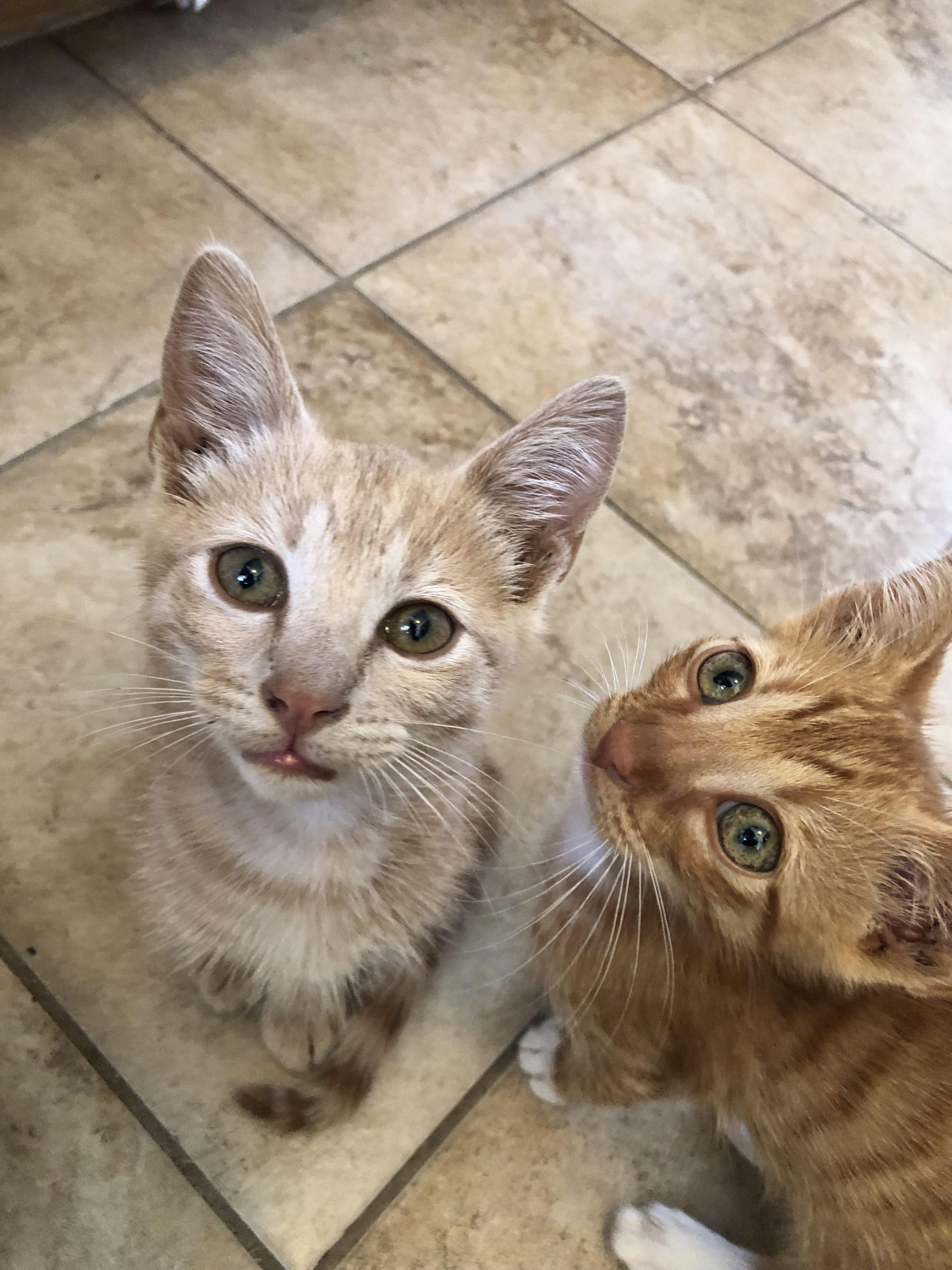
If you’ve ever wondered, “Will my cat survive in a shelter?” you’re not alone. The thought of your furry friend being in a shelter can bring up a lot of worries and questions.
You want to know if they’ll be safe, cared for, and find a loving home. This article will give you clear answers and help ease your mind. Keep reading to discover what really happens in shelters and how you can make sure your cat has the best chance to thrive.

Credit: www.youtube.com
Life In A Shelter
Life in a shelter can be a challenging experience for cats. Understanding what they go through daily helps you grasp their chances of survival and well-being. Let’s take a closer look at the environment, routines, and stress factors that shape their shelter life.
Typical Shelter Environment
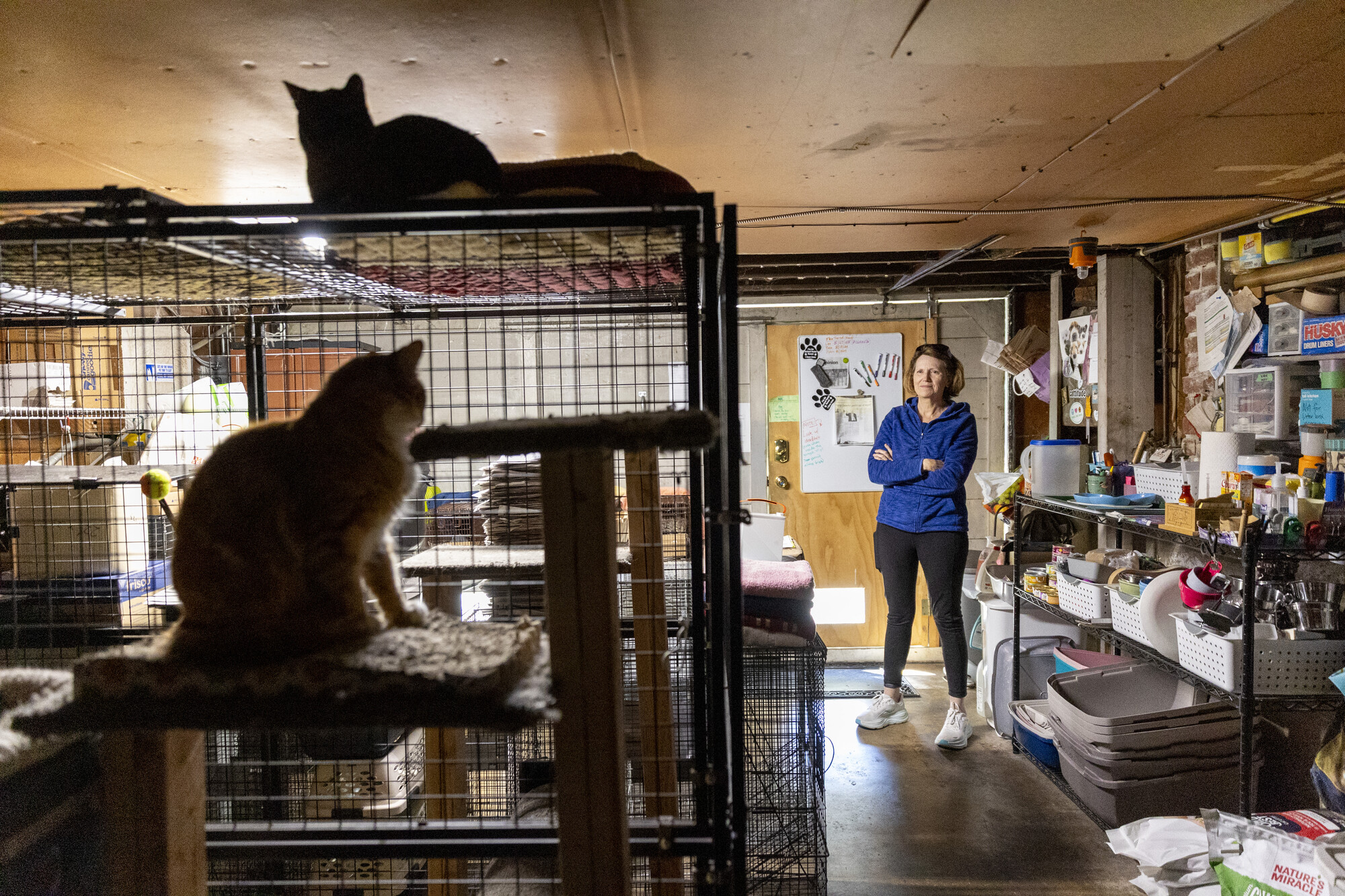
Shelters often house many cats in limited space. Each cat usually gets a small cage or enclosure with basic necessities like bedding, food, and water.
Noise levels can be high due to other animals and human activity. Bright lighting and constant movement can make the environment feel overwhelming.
Some shelters provide play areas or quiet zones, but these are not always available. How would you feel living in such a confined, noisy space day after day?
Daily Routine For Cats
Cats in shelters follow a structured daily routine. They are fed at set times, usually twice a day, and cages are cleaned regularly to maintain hygiene.
Volunteers or staff might spend time socializing or playing with the cats. This interaction helps keep them mentally stimulated and reduces loneliness.
However, the routine can be repetitive and lack variety. Imagine waking up every day to the same small space and few activities—how would it affect your mood?
Common Stress Factors
Stress is a major concern for shelter cats. Loud noises, unfamiliar smells, and constant movement create anxiety.
Being confined in a small space with limited hiding spots makes cats feel vulnerable. They may show signs of stress like excessive grooming, hiding, or aggression.
Understanding these stressors is key if you want to help a shelter cat adjust. What simple changes could you make in your home to ease a cat’s transition from shelter to family life?

Credit: www.cnn.com
Health And Wellbeing
When your cat enters a shelter, their health and wellbeing become a top priority. Shelters strive to provide care that supports recovery and comfort during what can be a stressful transition. Understanding how shelters manage health can help you feel more confident about your cat’s chances of thriving while waiting for a new home.
Medical Care Provided
Shelters usually perform a health check as soon as a cat arrives. They look for signs of illness or injury and provide vaccinations to prevent common diseases.
Many shelters have partnerships with veterinarians to handle emergencies and routine care. This means your cat will receive timely treatments like flea control, dental care, and spaying or neutering.
Have you ever wondered how shelters balance care for many animals at once? They often rely on a combination of skilled staff and volunteers to monitor each cat’s health daily.
Nutrition And Diet
Proper nutrition is crucial for your cat’s recovery and ongoing health. Shelters offer balanced diets tailored to meet the needs of cats of different ages and health conditions.
Some cats may require special diets, like those with kidney issues or allergies, and shelters do their best to accommodate these needs. Fresh water is always available to keep cats hydrated.
Do you know what your cat’s favorite food is? Sometimes, offering familiar treats can provide comfort and help maintain appetite during stressful times.
Handling Stress And Anxiety
Stress is a major factor affecting a cat’s health in shelters. To ease anxiety, shelters create quiet spaces with hiding spots and soft bedding.
Staff and volunteers often spend time gently interacting with cats to build trust and reduce fear. Providing toys and scratching posts also helps cats engage in natural behaviors and stay calm.
Have you noticed how some cats respond better to calm voices and slow movements? Paying attention to your cat’s unique personality can make a big difference in managing their stress while in a shelter.
Behavioral Changes
Cats often change their behavior when placed in shelters. These changes can affect their chances of finding a new home. Understanding these shifts helps caregivers provide better support. It also helps adopters know what to expect and how to help cats adjust.
Adjusting To New Surroundings
New sights and sounds make cats uneasy. Shelters have many animals and people. This noise can be overwhelming. Cats may hide or become very quiet. Some become more active or restless. Their daily routine changes suddenly. This causes confusion and fear. Time and gentle care help cats settle in. Familiar items like blankets or toys provide comfort.
Impact Of Shelter Life On Behavior
Shelter life may cause cats to act differently. Stress can lower their appetite and energy. Some cats become shy and withdrawn. Others might show aggression or irritability. Lack of personal space can increase anxiety. Social cats might still be friendly but cautious. Staff try to keep cats calm and happy. Regular feeding and quiet time are important. Positive interactions with humans build trust.
Signs Of Stress In Cats
- Hiding more than usual
- Refusing to eat or drink
- Excessive grooming or scratching
- Growling, hissing, or swatting
- Lethargy and lack of movement
- Changes in litter box habits
Recognizing these signs is key. Early help can prevent long-term issues. Shelter staff watch closely for stress signals. They adjust care to help cats feel safe.
Credit: www.kqed.org
Adoption Chances
Adoption chances play a crucial role in determining whether your cat will find a loving home or remain in the shelter. Understanding what affects these chances can help you see the shelter experience from a new angle. It also highlights how you, as a potential adopter or supporter, can make a difference.
Factors Influencing Adoption
Many things affect a cat’s chance of being adopted. Age is a big one—kittens usually get adopted faster than older cats. Health also matters; cats with visible health issues might stay longer unless their needs are clearly communicated.
Behavior influences adoption too. Friendly, social cats often attract more attention. But shy cats can also find homes if their personalities are properly showcased. Have you noticed how some cats instantly connect with you during a visit? That moment can change their fate.
How Shelters Promote Cats
Shelters don’t just wait for adopters to come in—they actively promote their cats in many ways. Photos and videos on social media bring cats to a wider audience. Detailed descriptions about each cat’s personality help adopters picture life with them.
Some shelters organize special adoption events, sometimes with discounts or waived fees. These events create excitement and boost adoption rates. Imagine seeing your future cat at a fun, friendly event where you can ask questions and interact freely.
Role Of Foster Homes
Foster homes provide a quieter, more comfortable environment than shelters. Cats in foster care often become more relaxed and show their true personalities. This can make a huge difference in how quickly they get adopted.
Foster families share stories and updates that help potential adopters connect emotionally. Have you ever read a foster mom’s note describing a cat’s playful antics? Those personal touches can inspire adoption decisions more than a standard shelter listing.
Improving Shelter Survival
Improving your cat’s chances of survival in a shelter involves proactive steps before, during, and after their stay. Shelters can be stressful environments for animals, so your role in preparing and supporting your cat is crucial. You can make a real difference by understanding what helps cats adapt and thrive in these settings.
Preparing Your Cat For Shelter
Getting your cat ready for a shelter stay starts with familiarizing them with carriers and new environments. Try short, calm trips in their carrier to reduce anxiety. You can also introduce them to new sounds and smells gradually to build their confidence.
Keeping your cat healthy before entering a shelter is key. Regular vet visits and vaccinations protect them from common illnesses. Have you considered bringing along a favorite blanket or toy? Familiar items can comfort your cat in unfamiliar spaces.
Tips For Supporting Shelter Cats
Visiting your cat at the shelter can boost their morale. Speaking softly and offering gentle pets helps maintain your bond and reduces stress. Ask shelter staff about your cat’s routine and needs to support their well-being better.
Nutrition and hydration impact how well cats handle shelter life. Providing specific dietary recommendations to staff ensures your cat stays nourished. You might also volunteer to help socialize shy cats, helping them become more adoptable.
Ways To Help Beyond Adoption
Your involvement doesn’t have to end with adoption. You can donate supplies like blankets, food, and toys to shelters, improving conditions for all cats. Volunteering your time to assist with cleaning, feeding, or socializing animals makes a big impact too.
Sharing your cat’s shelter story online raises awareness and encourages others to support shelters. Have you thought about fostering? Temporary homes give cats a break from shelter life and increase their chances of finding forever families.
Frequently Asked Questions
Will My Cat Survive In A Shelter Environment?
Most cats can survive in shelters if properly cared for. Shelters provide food, medical care, and safe spaces. Stress levels may rise, but many cats adapt well with time and support from shelter staff.
How Do Shelters Ensure Cats’ Health And Safety?
Shelters conduct health checks, vaccinations, and treatments. They also provide clean living areas and monitor cats daily. Shelter staff work to reduce stress and prevent illness to keep cats healthy and safe.
Can Shelter Cats Get Adopted Quickly?
Adoption speed depends on the cat’s age, temperament, and health. Friendly, healthy cats often find homes faster. Shelters promote cats through events and online listings to increase adoption chances.
What Challenges Do Cats Face In Shelters?
Cats may experience stress, fear, and limited space in shelters. Noise and unfamiliar surroundings can affect their behavior. Shelters try to minimize these challenges through enrichment and quiet areas.
Conclusion
Cats in shelters face many challenges but also find hope. Shelters work hard to keep cats safe and healthy. Many cats adapt well and wait for loving homes. Your care and support can make a big difference. Every cat deserves a chance to live happily.
Stay informed and help raise awareness about shelter cats. Together, we can improve their lives and chances. Remember, kindness and patience go a long way. Shelter cats have strength and hope for a better future.


