Are you curious about Survival Shelter Ideas and what makes them stand out? If you want to protect yourself and your loved ones during unexpected situations, knowing the best shelter options can make all the difference.
This article will reveal who Survival Shelter Ideas really are and how their tips can help you stay safe, comfortable, and prepared. Keep reading to discover practical advice that could change the way you think about survival and safety. Your peace of mind starts here.
Creative Shelter Designs
Creative shelter designs focus on making safe, practical spaces using simple ideas. These shelters fit different needs and environments. They provide protection while being easy to build and carry. Creativity helps use available materials smartly and keeps the shelter functional.
Compact And Portable Options
Small shelters are easy to move and set up quickly. Many use lightweight materials like nylon and aluminum. These designs include foldable tents and pop-up shelters. They fit in backpacks and offer good protection from weather. Portable shelters suit hikers, campers, and emergency situations.
Natural Material Shelters
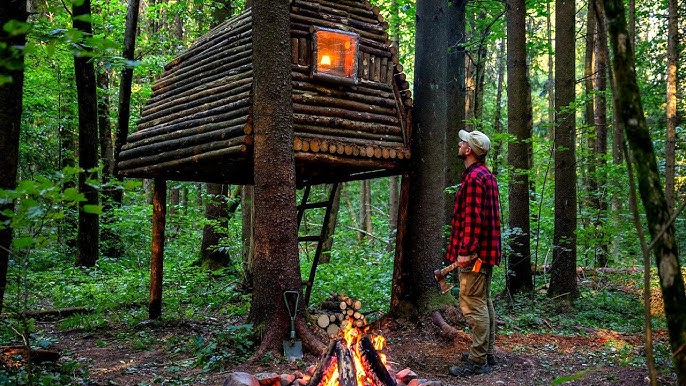
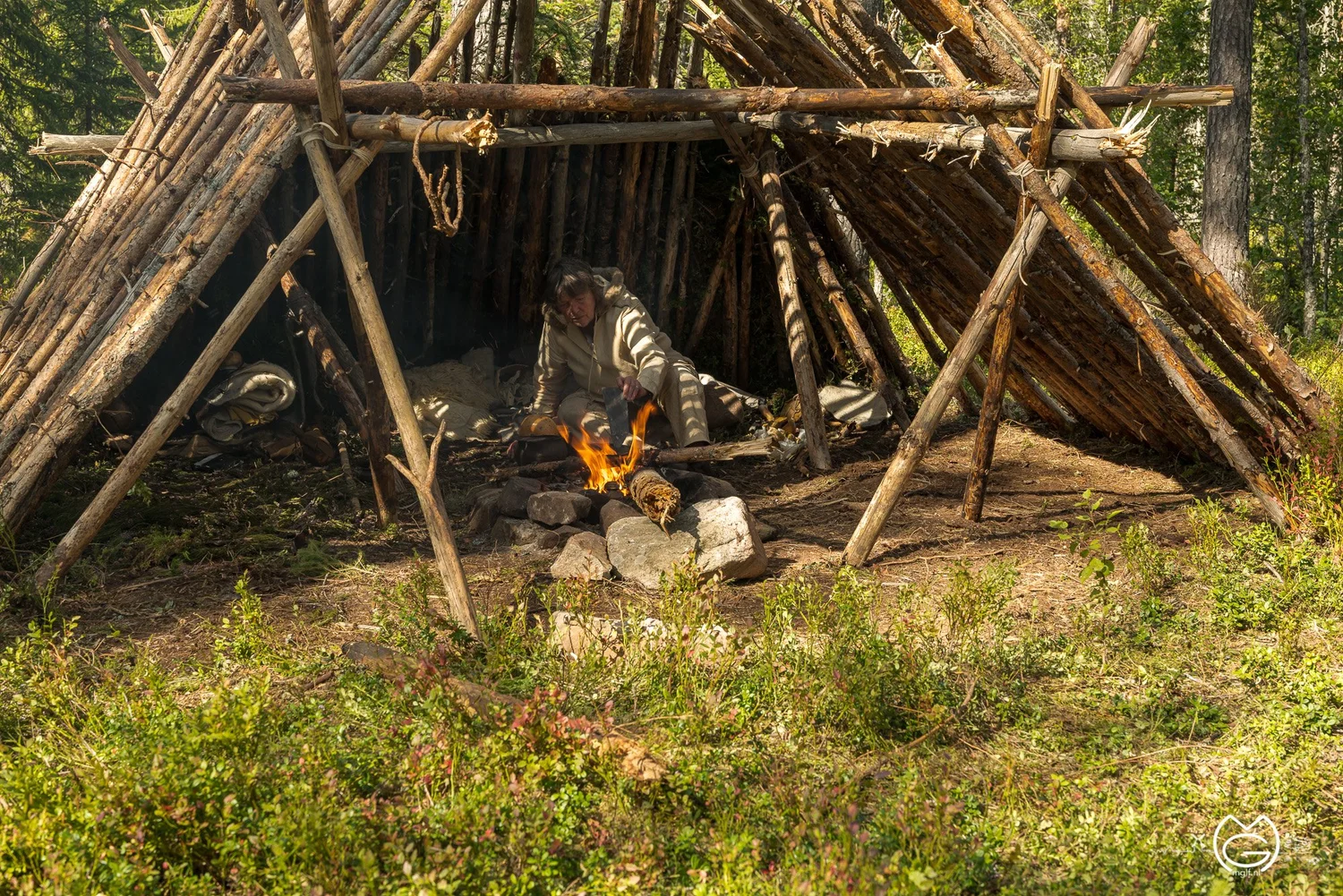
Using natural materials blends the shelter into the environment. Wood, leaves, and mud create strong, insulated walls. These shelters often use branches for frames and thick leaves for roofing. They work well in forests and rural areas. Natural shelters are eco-friendly and cost-effective.
Repurposed Structure Ideas
Old materials become new shelters with simple changes. Pallets, shipping containers, and tarps serve as building blocks. Repurposed shelters save money and reduce waste. They can be customized for different sizes and uses. This approach fits urban and rural survival needs.
Location-based Shelter Choices
Choosing the right survival shelter depends heavily on the environment. Each location offers unique challenges and resources. Understanding these factors helps in creating a safe and practical shelter. Survival Shelter Ideas focuses on tailoring shelter strategies to fit specific locations. This ensures better protection and comfort during emergencies.
Forest And Woodland Shelters
Forests provide many natural materials for shelter building. Trees offer wood for frames and branches for insulation. Leaves and pine needles can be used as roofing to keep rain out. Look for natural windbreaks like large trees or bushes. Keep your shelter off the ground to avoid dampness and insects.
- Use fallen branches for support.
- Cover with leaves to stay dry.
- Choose a spot near water but not too close.
Desert Survival Options
Desert shelters need to protect from sun and cold nights. Shade is crucial during the day to prevent heatstroke. Use rocks or dig into the ground for cooler temperatures. Reflective materials help keep heat away. At night, cover up to stay warm as deserts get cold fast.
- Build a low shelter to block wind.
- Use sandbags or rocks for walls.
- Find natural shade under cliffs or large boulders.
Urban Emergency Shelters
Urban areas offer different shelter options. Buildings and abandoned structures can provide protection. Look for secure places away from hazards like broken glass or fire risks. Use materials like tarps, blankets, and cardboard for insulation. Keep your shelter discreet and safe from prying eyes.
- Choose sheltered corners or basements.
- Use heavy furniture as windbreaks.
- Secure entrances to prevent unwanted access.
Essential Shelter Features
Essential shelter features protect you in harsh conditions. They ensure safety, comfort, and long-term use. A good survival shelter must resist weather, keep warmth, allow air flow, and stand strong against pressure.
Weather Resistance
Weather resistance shields the shelter from rain, wind, and snow. Materials must block water and stop drafts. A strong roof and sealed walls keep the inside dry. Protection against storms is vital for survival.
Insulation And Ventilation
Insulation keeps heat inside during cold nights. It also cools the shelter in hot weather. Proper ventilation prevents moisture buildup and freshens the air. Balanced airflow avoids stuffiness and helps maintain health.
Durability And Stability
Durability means the shelter lasts through tough conditions. Strong frames resist bending or breaking. Stability prevents the shelter from collapsing in storms or heavy wind. Using quality materials increases shelter life and reliability.
Credit: www.mercattoria.com.br
Tools And Materials Needed
Building a survival shelter demands the right set of tools and materials. These essentials determine how quickly you can put up a shelter and how well it will protect you. Knowing what to gather beforehand saves time and reduces stress when you need shelter the most.
Basic Survival Tools
Your toolkit should include items that are versatile and durable. A sturdy knife is a must—it helps with cutting branches, preparing food, and even self-defense.
- Multi-tool:Combines several functions like pliers, screwdrivers, and scissors in one compact device.
- Hatchet or small axe:Useful for chopping wood and clearing brush.
- Fire starter:Waterproof matches, flint, or a magnesium striker ensure you can make fire under any conditions.
- Rope or paracord:Essential for tying shelter components and securing gear.
Do you have these tools ready in your survival kit? Missing even one can slow you down when every minute counts.
Sustainable Building Materials
Choosing materials that are easy to find and sustainable is crucial. Natural resources like branches, leaves, and stones are often close at hand and require no special preparation.
- Wood:Look for deadfall or fallen branches to avoid damaging living trees.
- Leaves and grasses:Great for insulation and waterproofing your shelter’s roof or walls.
- Clay or mud:Can be used to seal gaps and add stability.
Have you ever tried building with only natural materials? It’s a challenge that teaches you to respect your environment while crafting a secure space.
Innovative Construction Techniques
Survival shelter ideas often include creative ways to improve stability and comfort. Techniques like layering materials and using tension to hold parts together can make a big difference.
- Lean-to design:Quick to build and effective against wind and rain.
- Wattle and daub:Weaving sticks and covering them with mud creates strong walls.
- Snow shelters:Compacting snow blocks traps air for insulation.
Think about your surroundings—how can you use the materials and shapes around you to build smarter, not harder? Experimenting with these techniques can turn a basic shelter into a lifesaver.
Diy Shelter Building Tips
Building your own survival shelter can be rewarding and practical. Knowing simple tips helps you create a safe space quickly. These DIY shelter building tips guide you through the process with clear advice. They focus on easy steps, common errors, and ways to save time. Following these tips improves your chances of building a strong shelter.
Step-by-step Construction Guides
Clear instructions make building easier. Start by choosing a good location, away from hazards. Gather materials like wood, leaves, and rope. Lay out a base using sturdy branches or logs. Create walls with branches or tarps for protection. Add a roof that keeps rain and wind out. Finish by insulating the floor with leaves or grass. Each step builds on the last for a strong shelter.
Common Mistakes To Avoid
- Building too close to water can cause flooding.
- Using weak or rotten wood weakens the structure.
- Ignoring insulation lets cold air inside.
- Making the shelter too small reduces comfort.
- Skipping a roof leaves you exposed to weather.
- Not securing materials lets wind damage the shelter.
Avoiding these mistakes increases safety and comfort in your shelter.
Time-saving Strategies
- Use natural materials found nearby to cut prep time.
- Work with a partner to speed up building.
- Choose simple designs over complex ones.
- Prepare all tools and materials before starting.
- Focus on shelter basics first, then add extra features.
These strategies help you build faster without losing shelter quality.

Credit: www.youtube.com
Adapting Shelters For Different Scenarios
Survival shelters must fit many different needs and environments. Adapting shelters for different scenarios means choosing the right design and materials. Each shelter must serve its purpose well, whether for a few hours or many months. Understanding the differences helps in planning and preparation.
Temporary Vs Long-term Use
Temporary shelters focus on quick setup and mobility. They often use lightweight materials like tarps and poles. These shelters protect from rain, wind, and sun for short periods. Long-term shelters require stronger materials and better insulation. They provide comfort and safety over weeks or months. Planning for long-term use means considering durability and weather resistance.
Shelters For Extreme Climates
Extreme climates need special shelter designs. In cold areas, insulation is key to keep warmth inside. Thick walls, snow barriers, and heat retention are important. In hot climates, ventilation and shade matter most. Shelters must block sun and allow airflow to stay cool. Storm-prone regions require shelters with strong anchors and waterproof covers. Each climate demands unique features for survival.
Multi-purpose Shelter Designs
Multi-purpose shelters offer flexibility in survival situations. They can serve as sleeping areas, storage, or cooking spaces. Folding or modular designs allow easy changes and transport. Some shelters convert from tents to lean-tos or windbreaks. Versatile shelters save space and weight in a survival kit. Choosing a multi-purpose design means preparing for many challenges.

Credit: m.youtube.com
Frequently Asked Questions
Who Is Survival Shelter Ideas?
Survival Shelter Ideas is a resource platform offering practical advice on building and maintaining emergency shelters. It focuses on survival strategies, shelter designs, and essential preparedness tips for various environments and disaster scenarios.
What Types Of Shelters Does Survival Shelter Ideas Cover?
The platform covers a range of shelters, including underground bunkers, temporary tents, natural shelters, and DIY constructions. It provides step-by-step guides to help users choose and build shelters suited to specific survival needs.
How Can Survival Shelter Ideas Help In Emergencies?
Survival Shelter Ideas offers expert tips for quick shelter assembly, maximizing protection, and using available resources. It enhances readiness by educating readers on shelter safety, durability, and comfort during emergencies.
Is The Advice From Survival Shelter Ideas Suitable For Beginners?
Yes, the advice is beginner-friendly, with clear instructions and illustrations. It caters to all skill levels, ensuring anyone can learn to build effective survival shelters without prior experience.
Conclusion
Survival Shelter Ideas shares simple tips for staying safe outdoors. They help people build shelters using easy methods and common tools. Their advice suits beginners and those with some experience. The focus stays on practical and useful information. Readers can learn how to protect themselves in nature.
This site offers clear guidance without complicated words. Everyone can find helpful ideas to prepare for emergencies. Survival Shelter Ideas is a good resource for safety and readiness. It teaches skills anyone can use in tough situations. Safe and smart shelter building starts here.


